
A new partnership between Edinburgh Napier University and the École nationale supérieure d’Arts et Métiers (ENSAM), funded under a Springboard grant by the British council, has started earlier this year. The two universities and associate partners at the University of Granada (Spain) and Goettingen University (Germany) are coming together to explore how common challenges could be tackled together. The focus in this project is finding common interests and developing ideas for a larger funding proposal that could address challenges in hardwood strength grading and strength grading standards like EN 384 and EN 338.
In April, we came together for an initial online meeting in which the different organisations presented their current work and interests. We identified a lot of overlap and common research questions, for example on the effect of specimen size on wood properties, on relationships between different properties, and on the optimisation of engineered wood products including finger-jointing and gluing technology. We also all agreed it would be beneficial to create a database to pool our data (and the data from other researchers). Guillaume Pot from ENSAM has made a start on developing such a database, which will hopefully be made public soon (watch this space!)
The Springboard grant also supports student exchanges between ENU and ENSAM, and last week I visited the Laboratory of Materials and Processes (LaBoMaP) of ENSAM’s campus in Cluny. I arrived on Sunday evening during the semester break, so it was very quiet in the small town and on campus that is hosted inside a 12th century Abbey. I used the opportunity to have an evening picnic in the deserted quadrangle with a beautiful view of the bell tower. Later that evening the tower presented itself in an even more spectacular light…

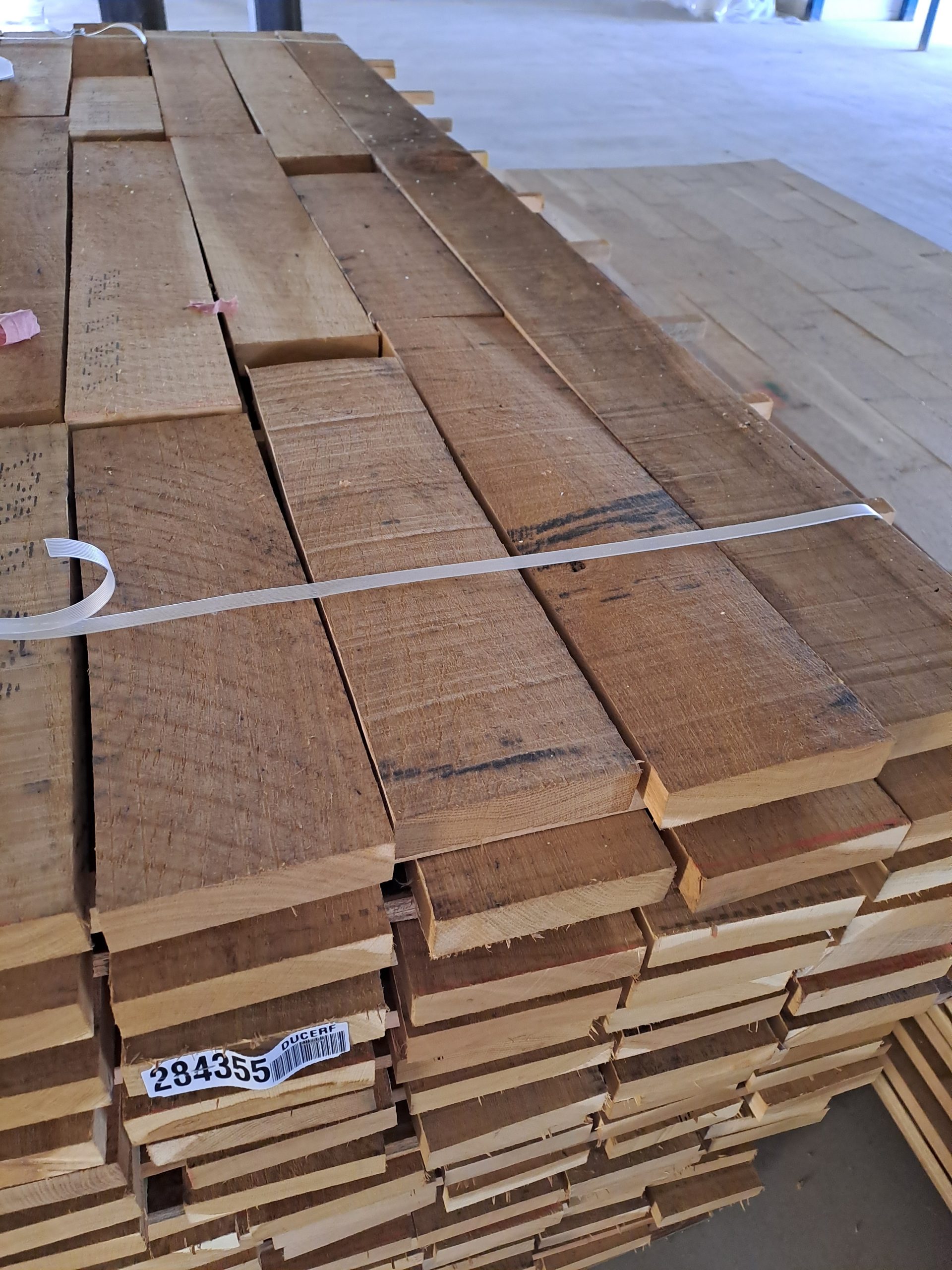
On Monday, I was welcomed at ENSAM by Guillaume and Joffrey Viguier. We started the day by touring one of the largest hardwood sawmills in France, run by the Ducerf Group. Compared to the largest softwood sawmills, it is still relatively small, but with an annual output of some 35 thousand cubic metres of sawn timber, this mill alone produces almost as much hardwood as the whole UK! No wonder the mill features extensive areas for airdrying, accelerated air drying and kiln drying. We also saw the saw that cut much of the oak for the reconstruction of the nave of Notre-Dame.
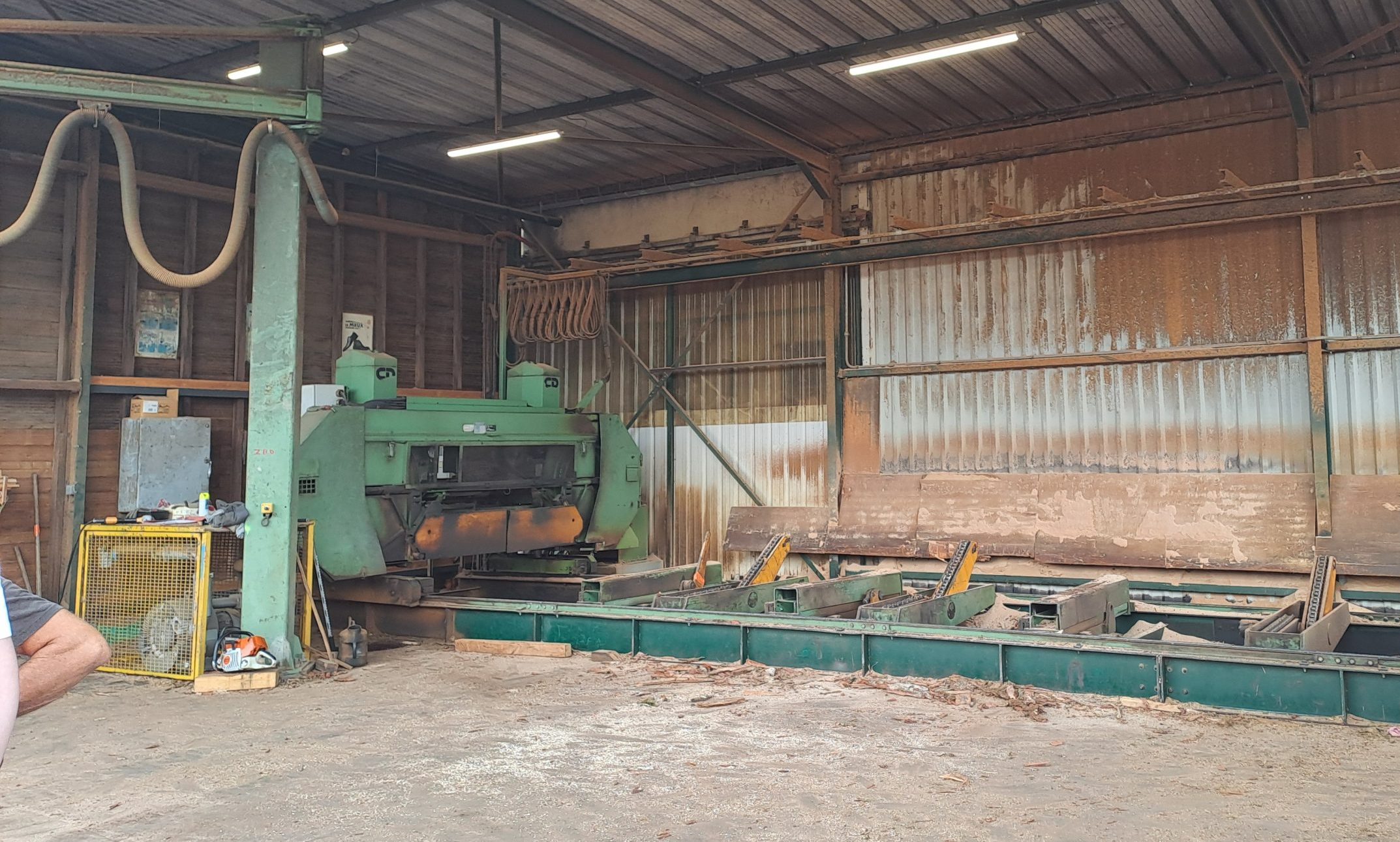
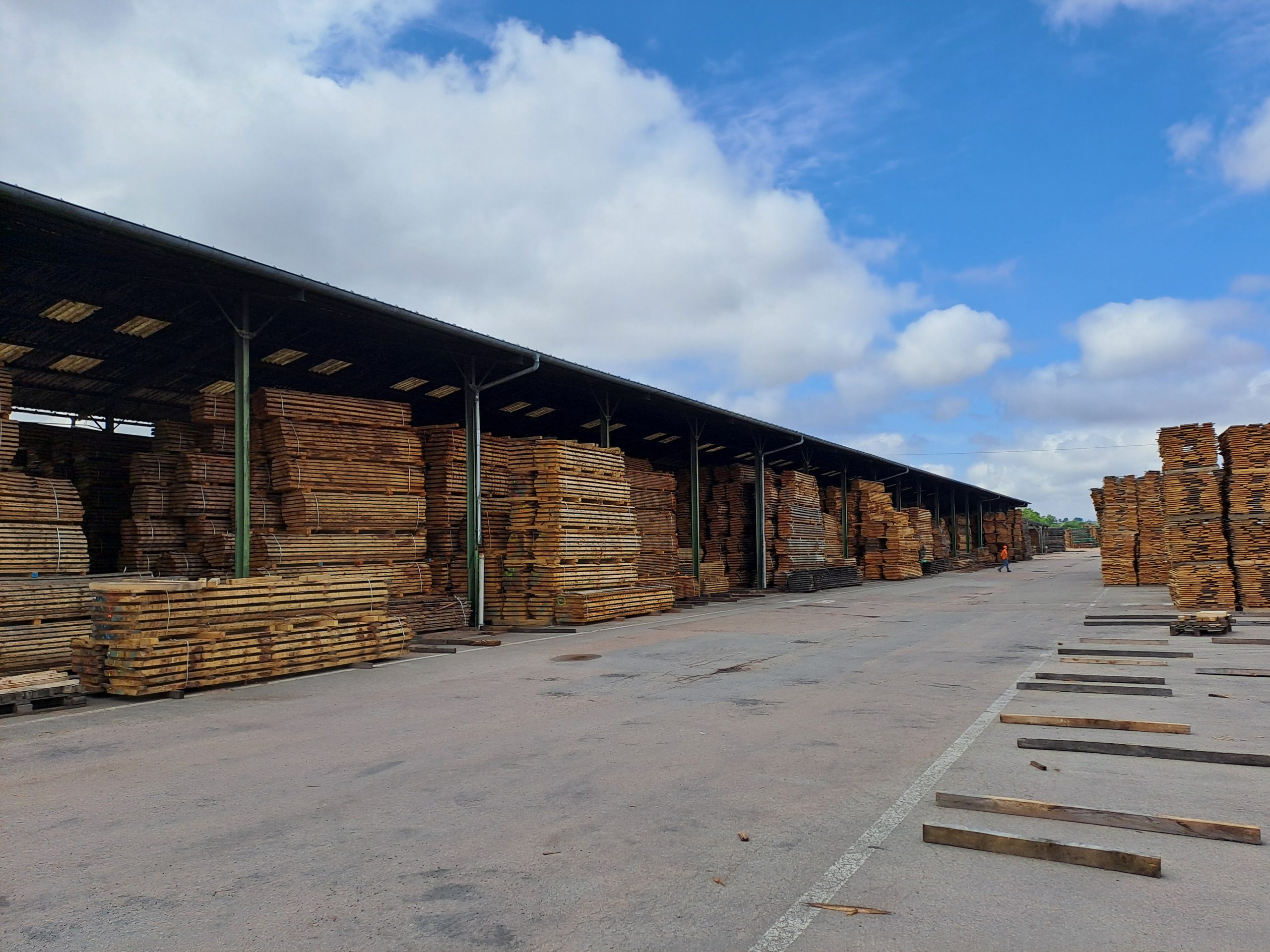
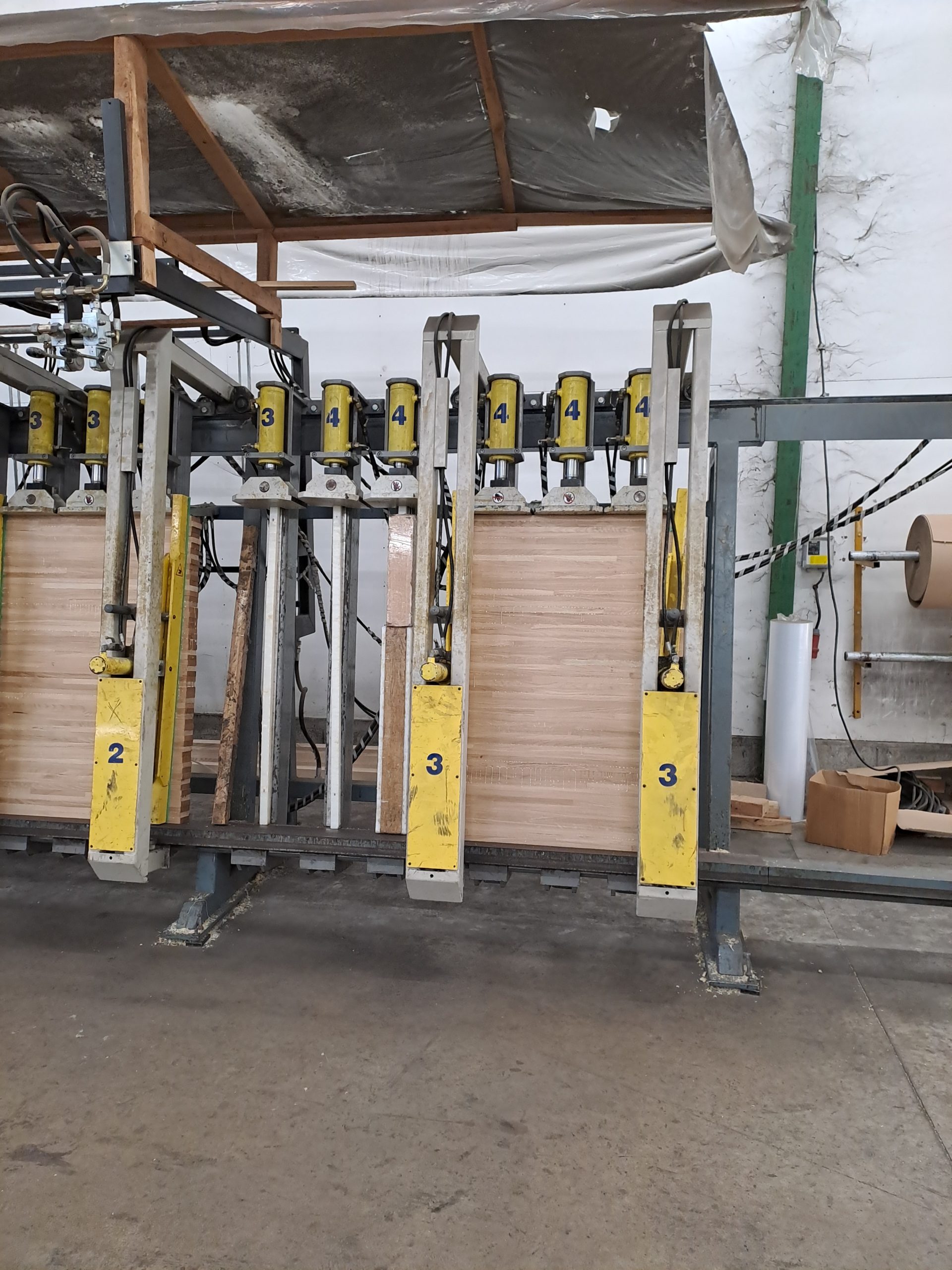
Ninety percent of the production is oak, but other species like beech and ash are processed occasionally. Nearby the sawmill, the company also has a processing plant for thermally modified timber and a joinery factory. There timbers are finger-jointed and pressed into small beams for windows or panels for fire doors. The company can also produce oak CLT and is currently exploring the manufacturing of mixed (oak/spruce) CLT for a more economical product. For me, the most interesting part of the production was the material efficiency: Even the shortest pieces are still finger-jointed and used in panels and glulams. The average length of a lamella prior to finger-jointing is only 46 cm!
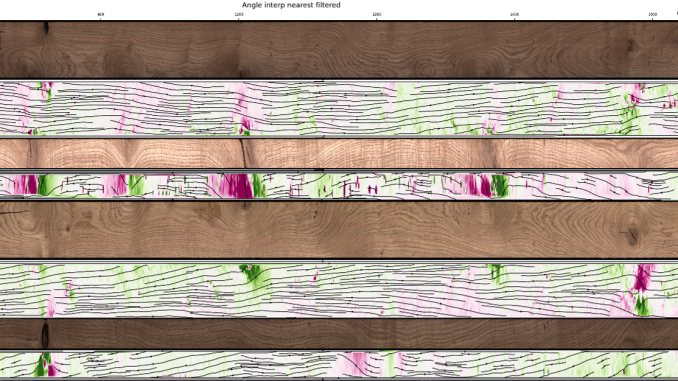
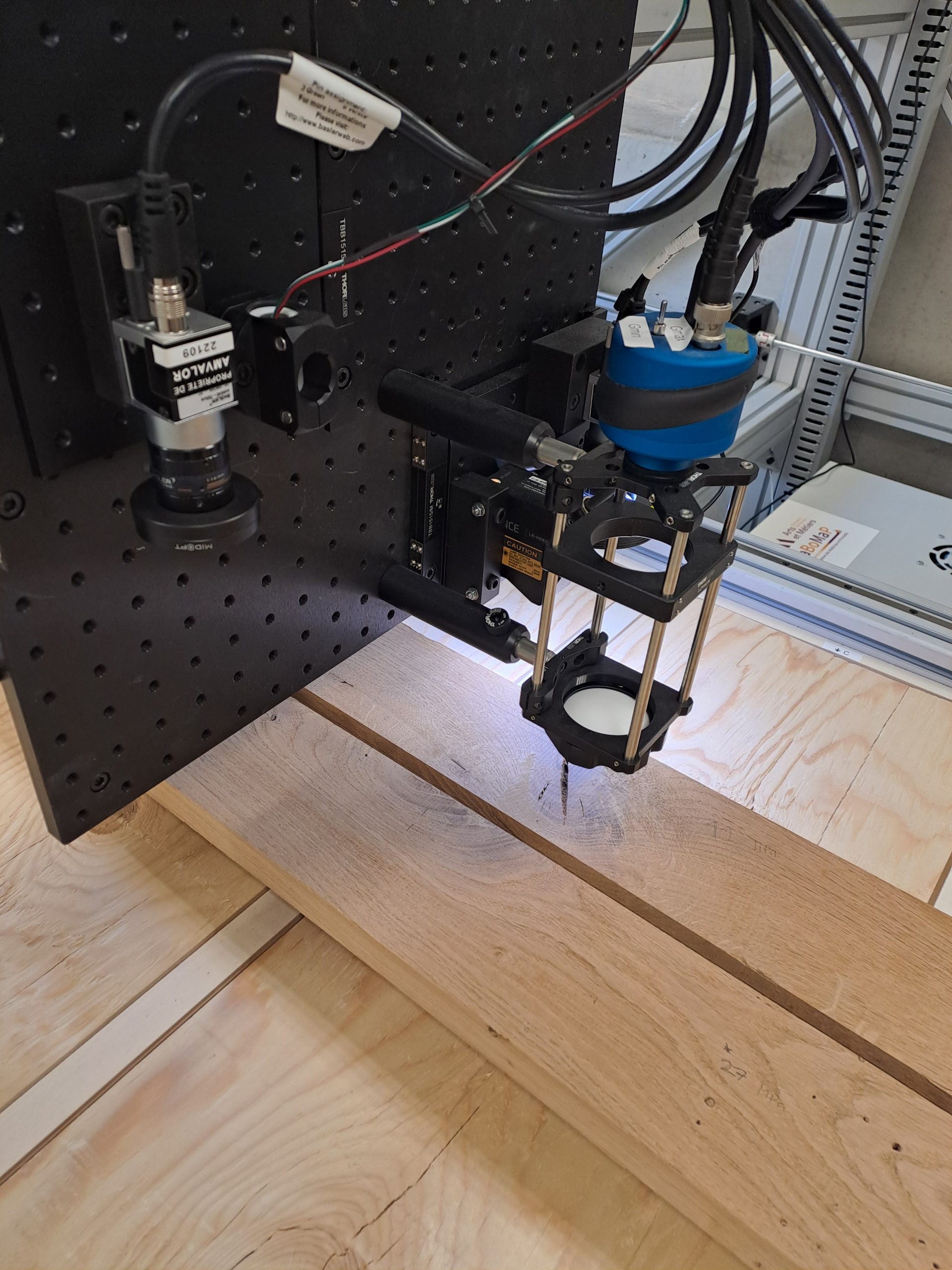
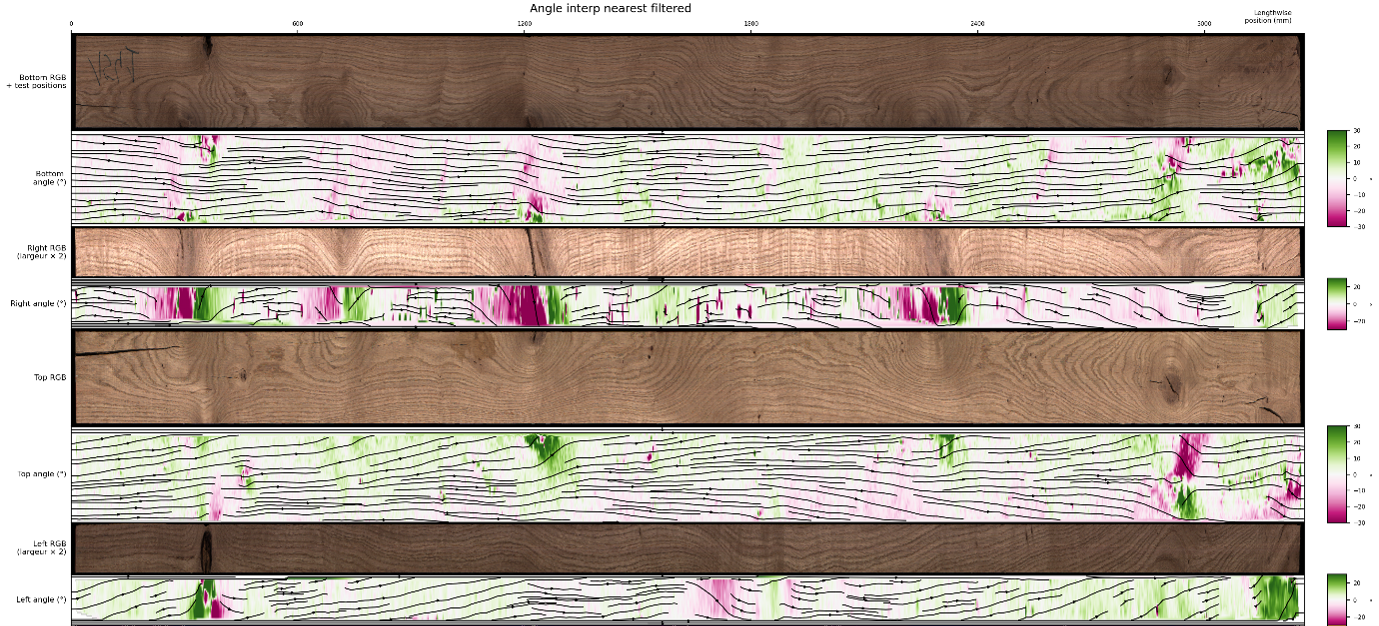
We spent the rest of the week on ENSAM’s campus in Cluny, where Guillaume, Joffrey and their colleagues inducted me into the science (and art) of using laser grain angle measurements for timber grading. They showed me their laboratory scanner and software, a set-up that we could potentially replicate for research in the UK. They took me through the process of filtering and cleaning the measurements, and interpolating the fibre angles in between measurement positions to create a 2D or 3D grain model. From there, we used different models to predict the tensile strength of four boards. We predicted the lowest strength within the test length of each board.
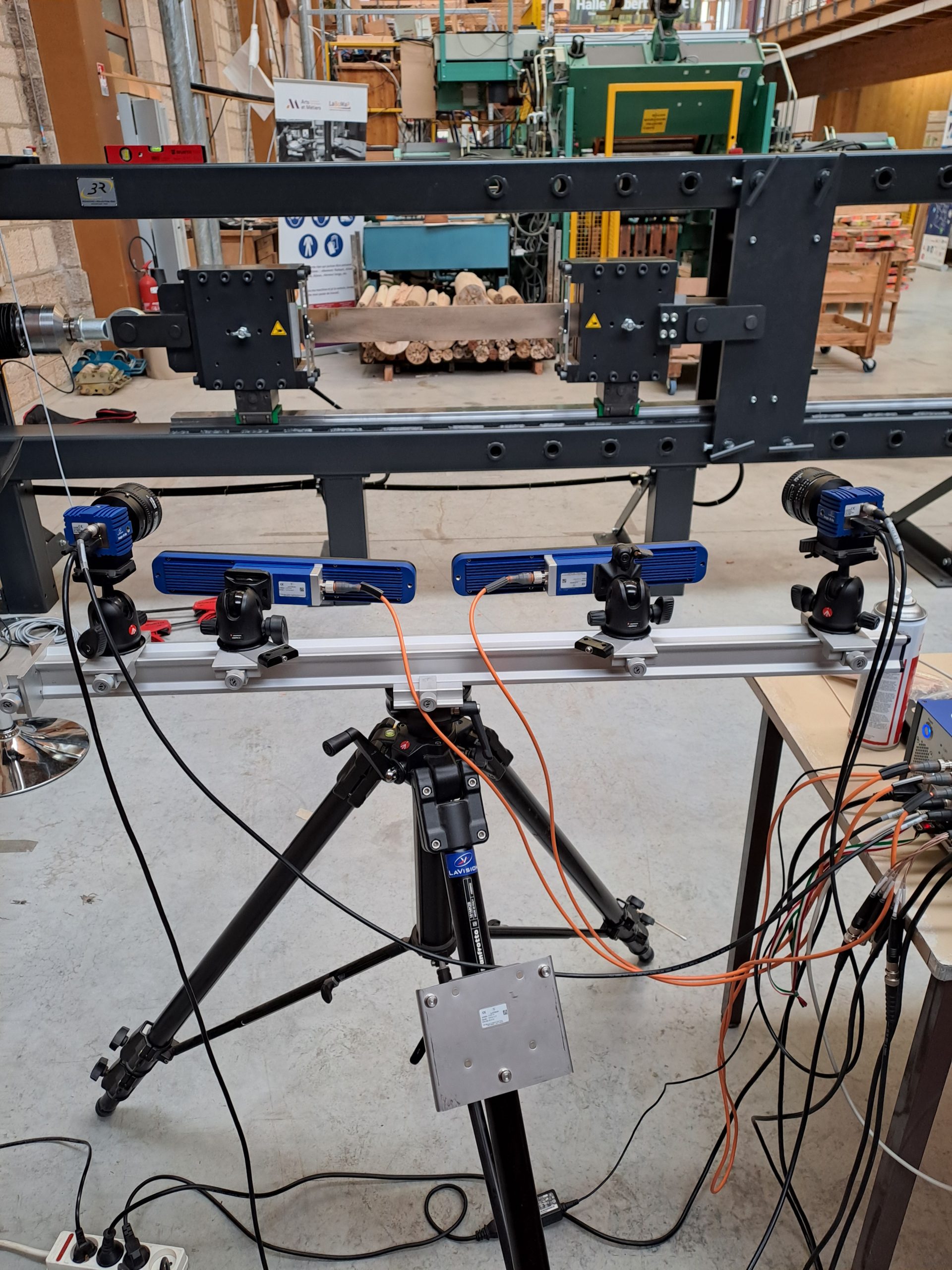
Afterwards, we had to confirm our predictions, of course. We used ENSAM’s brand new custom tensile tester to test the boards. We measured deformations with a camera system, so we had to increase the contrast between different points on the board first (manually, with a marker…). The results of the predicted and actual strength are shown below:
| Board | Predicted strength in MPa | Actual strength in MPa |
| 1 | 9.8 | 7.8 |
| 2 | 10.8 | 7.4 |
| 3 | 19.4 | 22.0 |
| 4 | 27.3 | 24.7 |
The predictions are close, but of course not perfect. It is also not the goal of a strength grading process to perfectly predict the strength of each board, but to sort the boards into groups with defined properties. And for this, the laser scanning technology might be the best method we have, at least for some hardwoods. The correlation between the predictions and the actual strength have an R2 of 0.6 (60% of the variation in strength is explained by the model). For wood, this is great!
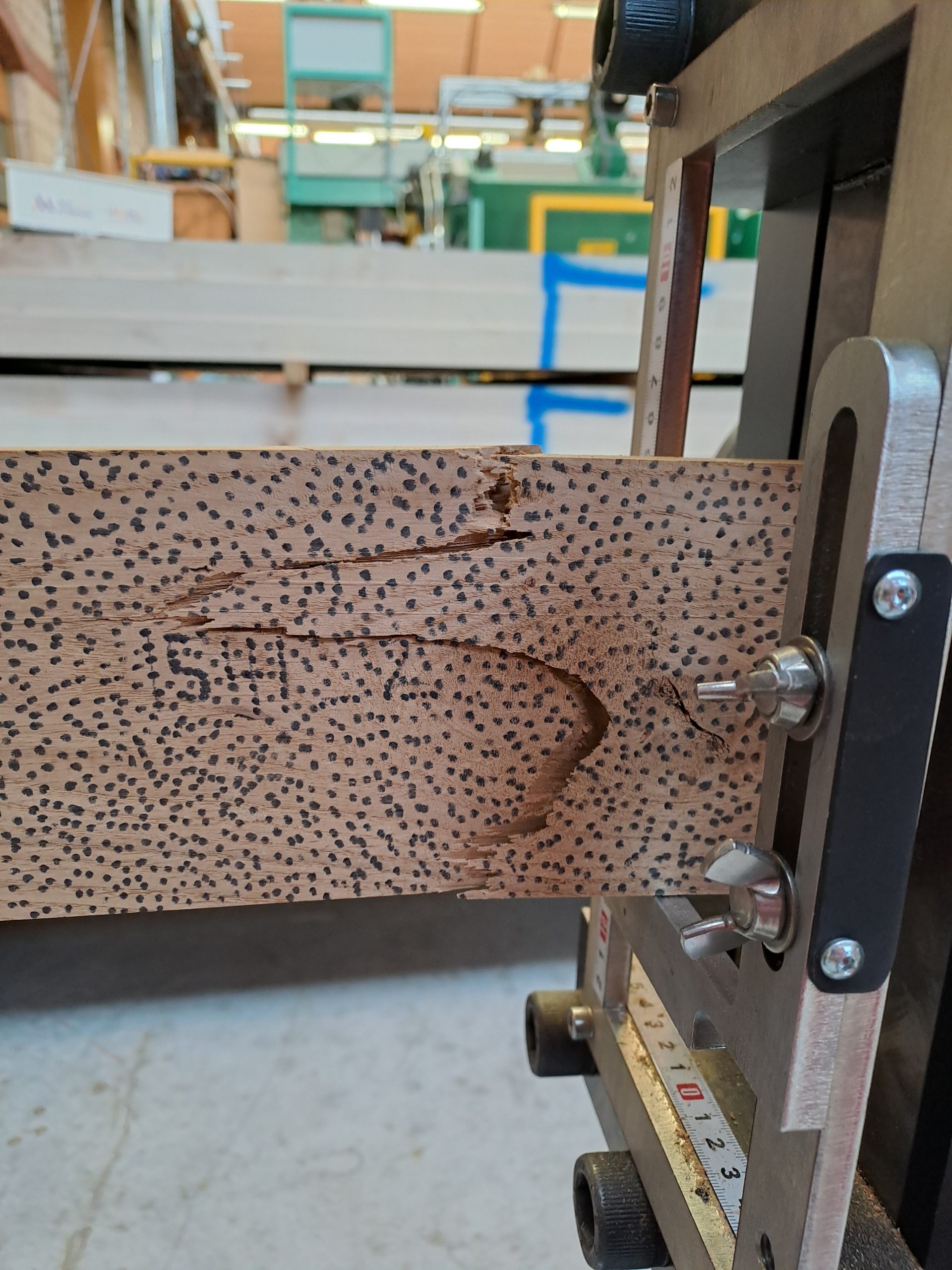
We will continue to work with ENSAM and other partners, to try and improve strength grading options for hardwoods. We are looking to apply for COST Action funding, which would allow us to form a larger network of researchers, and to start sharing data on wood properties. Potentially, the scope of the COST Action could be even larger than only hardwoods, or only wood properties. If you have an opinion on the scope of the potential COST Action, fill the survey here before 31st of July 2026!
Supported by funding from the British Council’s Going Global Partnerships programme. Going Global Partnerships supports universities, colleges and wider education stakeholders around the world to work together towards stronger, equitable, inclusive, more internationally connected higher education, science and TVET.

Main collaborators
Daniel Ridley-Ellis (ENU)
Marlene Cramer (ENU
Philipp Schlotzhauer (University of Goettingen)
Yaiza Fuentes García (University of Granada)
Francisco Rescalvo (University of Granada)