Scottish Forestry’s Next 30 Years: A Uniquely Scottish Blueprint for Natural Capital
What will Scotland’s forests and natural capital look like in 2055?
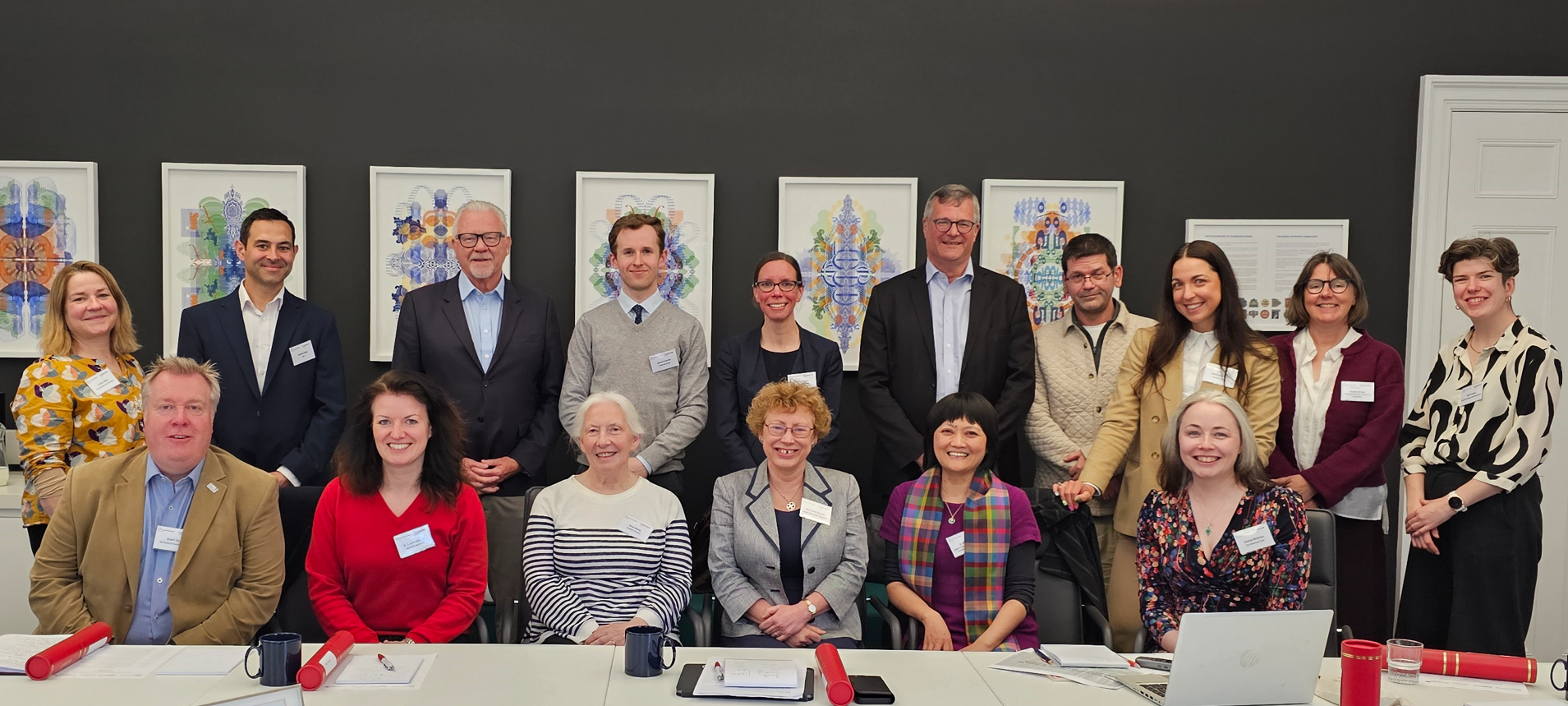
That question lay at the heart of a roundtable this month, hosted by Cazenove Capital and organised by Edinburgh Napier University’s Impact Investment Symposium (IIS).
Chaired by Dr David Brand, Executive Chair at New Forests, the event convened leading investors, foresters and community advocates to shape a vision rooted in Scottish values.
Community at the Root
Throughout the half-day symposium, participants returned to one central theme: the indispensable role of social and community capital. “Community needs and social values are the very soil in which responsible investment must take root,” said Dr Paul Atkinson of Par Equity, Chair of IIS. Investors, industry and community leaders echoed this sentiment, warning against wholesale adoption of the so-called “American model” and calling instead for strategies that protect and promote local social capital alongside environmental outcomes.
Rethinking “Scale” for Scotland
A lively debate emerged around redefining “scalability” for Scotland’s unique landscape. Drawing on his global experience across emerging and mature markets, Dr Brand proposed a Scotland-centric framework for impact investment—one that balances ambition with community well-being. “Scotland needs an investment model that understands Scottish geography, Scottish people and Scottish values,” he noted, underscoring the need to tailor financing vehicles to local realities.
A Tailored Landscape Investment Fund on the Horizon
Building on these discussions, delegates agreed to explore the creation of a tailored Landscape Investment Fund dedicated exclusively to Scottish forestry and natural capital. Such a fund would prioritise projects that deliver social, environmental and economic benefits in equal measure. Crucially, it would operate within fit-for-purpose governance frameworks – clear, adaptive rules that guarantee transparency and accountability – and draw on innovative working capital markets to provide early-stage financing for planting, management and processing activities.
“Natural capital plays a vital role in our economy and society. It’s increasingly becoming an important factor when considering material risk, but also opportunity, for businesses. ESG factors are therefore central to how we think about long-term value, resilience, and responsible stewardship on behalf of our clients” explains Sandra Dailidyte, Portfolio Manager at Cazenove Capital.
Education as a Catalyst
Beyond finance, the roundtable identified education and public engagement as critical to long-term success. “Our vision won’t materialise if only experts understand it,” observed Mary Jane Brouwers, Vice Chair of IIS, “Broad awareness and active participation are essential if we’re to steward our natural resources responsibly for future generations.”
From Dialogue to Action
This roundtable builds on last November’s two-day “Action-Focused Symposium on Sustainable Forestry,” at which Dr Brand was the Keynote speaker showcasing global perspective, which convened academics, investors and industry leaders to chart Scotland’s forestry future. Notably, since the Symposium, the International Sustainable Forestry Coalition has relocated from London to Edinburgh early. The IIS event distilled diverse insights, channelling them into concrete proposals for potential investment, education and community empowerment.
As Scotland looks ahead to 2055, the consensus is clear: a genuinely Scottish approach to natural capital must be rooted in community, guided by tailored strategies and sustained through shared knowledge —ensuring that the forests of tomorrow serve both people and planet alike.