John Rodda’s online guest lecture offered an engaging and in-depth exploration of the world of production sound mixing, drawing from his extensive experience across film and television. With a career spanning 35 years and work in over 40 countries, John has established himself as a leading figure in the industry, contributing to productions ranging from documentaries and dramas to major feature films. His lecture provided a rare glimpse into the craft, techniques, and challenges of capturing high-quality audio on set.
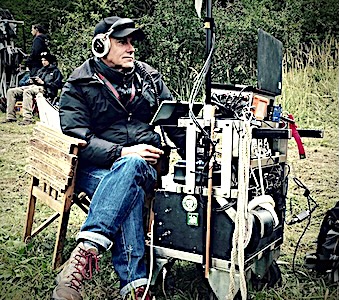
A Journey Through Sound
John began by sharing his journey into sound mixing, highlighting how his background in theatre and electronics laid the foundation for his work in film and television. His early experiences included building computers in the late 1970s and working on corporate films and news coverage before transitioning into drama and feature films. He detailed how he navigated the industry at a time when union regulations created significant barriers for newcomers, requiring perseverance and adaptability to succeed.
Key Roles in Production Sound
John emphasised the collaborative nature of sound production, highlighting the distinct but interdependent roles within the department:
- Production Sound Mixer: Oversees all aspects of sound recording on set, ensuring high-quality dialogue capture. They operate the primary recording equipment, balance microphone levels, and collaborate with the director to maintain the intended audio aesthetic. Additionally, they liaise with post-production teams by providing properly labelled sound files and detailed reports.
- Boom Operator: Responsible for positioning the boom microphone to capture dialogue while staying out of the frame. They must anticipate actor movements, adjust positioning accordingly, and minimise unwanted noise. Boom operators often work in challenging conditions, ensuring optimal sound capture in dynamic filming environments.
- Sound Assistant: Supports both the mixer and boom operator by setting up equipment, managing cables, placing wireless microphones on actors, and troubleshooting technical issues. They also help maintain sound logs and ensure the smooth operation of the sound department throughout filming.
Each of these roles contributes to delivering clear, high-quality audio, ultimately enhancing the storytelling experience.
Adapting to Industry Changes
John reflected on the evolution of sound recording technology, from mono Nagra tape recorders to sophisticated multi-track digital systems. He discussed how advancements such as wireless microphones and timecode synchronisation have improved sound recording flexibility while accommodating modern filmmaking techniques, including multi-camera setups and wide-and-tight shot combinations. Current industry hardware has significantly improved efficiency and reliability, with modern digital recorders offering multi-track recording, high-resolution audio, integrated timecode systems, and advanced metadata management, enabling seamless file transfers to post-production. Wireless microphone systems now feature extended range, improved RF stability, and digital encryption, enhancing dialogue capture even in challenging environments. Additionally, timecode synchronisation tools ensure frame-accurate alignment between cameras and audio recorders, streamlining workflows and making location sound recording more adaptable for complex setups.
Challenges and Solutions in Sound Mixing
John provided practical examples of overcoming sound challenges on set. While working on Downton Abbey, he had to radio mic every actor to meet the director’s preference for unrestricted camera movement. The historical costumes posed additional difficulties in concealing microphones without compromising sound quality. To mitigate these issues, he collaborated with the wardrobe team and developed discreet mic placements that preserved clarity while remaining hidden.
Another notable example involved a dinner scene, where the clinking of silverware risked overpowering dialogue. John strategically positioned boom microphones and used lavalier mics hidden within costumes to isolate voices while maintaining natural ambiance.
Similarly, while working on Shackleton, extreme cold conditions threatened equipment functionality. He employed insulated batteries and performed regular system checks to ensure uninterrupted recording.
For Airport, John devised a wireless timecode system that allowed independent sound recording, enabling him to position himself optimally while the camera moved freely in a busy airport setting.
Memorable Projects and Industry Recognition
John shared stories from notable projects, including The Fifth Estate, Longitude, and Shackleton. Longitude, a historical drama, posed unique challenges in capturing the sound of intricate mechanical clockwork, which was integral to the story. In The Fifth Estate, which dealt with the WikiLeaks controversy, he had to navigate fast-paced newsroom settings and international locations, ensuring clear dialogue in constantly shifting environments. His ability to adapt to different genres and production styles has earned him industry recognition, including a BAFTA for Airport and a nomination for Paddington Green. John also spoke about his time on 24: Live Another Day, where he balanced complex action sequences with high-pressure recording environments, demonstrating how experience and quick thinking are essential for a sound mixer.
Advice for Aspiring Sound Professionals
John advised aspiring professionals to develop technical skills, gain hands-on experience, and build strong working relationships within the industry. He stressed that attention to detail is key, as minor sound issues can become major post-production problems. He recommended learning about different recording techniques, experimenting with mic placement, and understanding the physics of sound to become a well-rounded professional.
He also highlighted the importance of being adaptable and proactive. On sets where unexpected technical issues arise, being able to think on one’s feet and offer quick solutions is invaluable. He recalled an instance on 24 when a hidden microphone placement failed during a take, requiring an immediate, seamless backup solution to avoid disrupting the shoot.
Additionally, he encouraged those entering the field to shadow experienced professionals, seek mentorship opportunities, and remain up to date with industry advancements. Sound recording techniques and equipment continue to evolve, and staying informed about the latest innovations ensures ongoing career growth.
Conclusion
John Rodda’s lecture provided invaluable insights into the world of production sound mixing. His extensive experience and practical knowledge underscored the critical role of sound in storytelling. As technology continues to evolve, his insights serve as a testament to the enduring importance of high-quality sound in film and television. For those looking to enter the field, his expertise offered both inspiration and guidance, reinforcing the idea that persistence, adaptability, and a strong technical foundation are crucial to success.