Category: Film

  • Designing Fear: Matt Yocum on Horror, Tension, and the Psychology of Sound

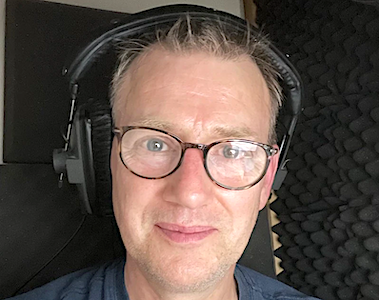
    Matt Yocum

    What is the fastest way to make a horror film stop being scary?

    Matt Yocum’s answer was immediate: mute it.

    At first, the response feels almost too simple. Horror cinema is often discussed in terms of monsters, visual effects, darkness, violence, or shock. Yet remove the soundtrack and something fundamental changes. The creature remains on screen. The corridor remains dark. The threat still exists. What disappears is much of the tension. Anticipation begins to weaken. The feeling that something terrible might be about to happen gradually fades away. For Yocum, whose career has included sound design work across film and television, this observation reveals something important about the role of sound in horror. Sound design is not simply about creating interesting sounds. It is about shaping emotion. Throughout his guest lecture at Edinburgh Napier University, whether discussing creature design, immersive audio, audience psychology, or jump scares, a remarkably consistent idea emerged. Horror is not primarily about making audiences hear frightening things. It is about making them feel uncertain about what might happen next.

    That distinction helps explain why some of the most effective moments in horror involve remarkably little happening at all. A character walks slowly down a hallway. A door stands slightly ajar. An empty room appears entirely ordinary. Nothing overtly threatening is visible, yet audiences become increasingly uncomfortable. According to Yocum, much of horror operates through tension and release. Viewers are encouraged to anticipate an event before that event actually arrives, and sound plays a central role in constructing that anticipation. Environmental detail begins to disappear. The soundtrack becomes quieter. Attention narrows. Audiences recognise the pattern immediately. Years of watching horror films have taught them that something is coming. A character approaches a door, the atmosphere tightens, and the audience braces itself for the inevitable scare. The door opens and nothing is there. Relief briefly returns, only for the real scare to arrive moments later when attention has already begun to relax. Horror repeatedly exploits this relationship between expectation and uncertainty. Audiences respond not only to what they hear, but also to what they believe they are about to hear.

    Silence therefore occupies a surprisingly important position within horror sound design. Although the genre is often associated with loud impacts and sudden shocks, Yocum argued that removing sound can be just as effective as adding it. As environmental information falls away, attention becomes focused on the sounds that remain. Breathing becomes more noticeable. Footsteps acquire greater significance. The creak of a floorboard suddenly feels loaded with meaning. None of these sounds are inherently frightening. Their significance emerges through context. A footstep heard in a crowded shopping centre communicates something very different from a footstep heard in an empty house late at night. Horror succeeds by manipulating those relationships, encouraging audiences to reinterpret ordinary sounds as signs of vulnerability, danger, or uncertainty. Rather than overwhelming viewers with information, effective sound design often achieves more through careful restraint. The audience begins searching for clues, assigning importance to small details, and constructing explanations from incomplete information. In many respects, horror is less concerned with frightening sounds than with the psychology of listening itself.

    Questions of interpretation also emerged throughout Yocum’s discussion of creature design. Audiences often imagine creature sound as a process of inventing something entirely new, though the reality is frequently more complicated. Effective creature design begins not with software, plug-ins, or signal processing, but with observation. How large is the creature? How does it move? Does it walk, crawl, slither, or fly? Does it possess lungs? How much does it weigh? What sort of anatomy produces its sounds? Such questions help ground fictional beings within believable worlds. Sound gives visual effects a sense of physical presence. A creature that appears enormous on screen can feel surprisingly weightless without appropriate sonic support. Movement, impacts, breathing, and vocalisation all contribute to the illusion that something genuinely occupies space. The task is not simply to create an unusual sound. It is to persuade audiences that a fictional entity belongs within the world they are experiencing.

    One of the most memorable moments in the lecture emerged when a student described creating a creature vocalisation from the sound of a restaurant toilet flush. Rather than dismissing the idea, Yocum praised the approach. Organic source material, he argued, often provides richer creative possibilities than excessive processing. A toilet flush already contains qualities that resemble breathing, resonance, and vocalisation. More importantly, it originates in the physical world. Throughout the lecture, Yocum repeatedly returned to the value of starting with interesting source material rather than attempting to manufacture complexity through endless layers of effects. This preference led naturally into a broader discussion about creative confidence. Early in his career, he admitted that he often attempted to solve design problems through increasingly complex layering and processing. Over time, he recognised a common trap. Designers frequently add more and more material when they become uncertain about their choices. One piece of advice from veteran sound designer Erik Aadahl remained particularly influential: the less confident you are, the more likely you are to throw the kitchen sink at a design. The observation is humorous, though it points towards a deeper truth about creative practice. Effective sound design is rarely an exercise in accumulation. It is an exercise in decision-making. Success depends less upon how many sounds can be added and more upon understanding which sounds genuinely belong.

    A story later in the lecture illustrated this principle perfectly. Working on a film involving a supernatural creature, Yocum spent weeks developing vocalisations based upon detailed descriptions provided by the filmmakers. Numerous versions were presented. None satisfied the directors. More versions followed. Still nothing. Eventually, after countless iterations and experiments, the sound that made it into the final film turned out to be a heavily processed recording of his French bulldog. The story generated laughter, though it also revealed something important about professional practice. Sound design is rarely a straightforward process of technical problem-solving. It often depends upon experimentation, intuition, collaboration, and a willingness to recognise successful ideas when they emerge from unexpected places. Behind the technology, the software, and the increasingly sophisticated production tools lies a creative discipline that remains deeply dependent upon listening, judgement, and imagination.

    Questions of attention remained central throughout the lecture, particularly when Yocum turned towards immersive audio formats such as Dolby Atmos. Discussions of Atmos often focus upon technology. Additional speakers create opportunities for sounds to move around an audience, above them, and through three-dimensional space. Yet one of the more interesting aspects of Yocum’s discussion was the extent to which he resisted treating the technology itself as the primary attraction. Additional channels do not automatically create better storytelling. A sound placed behind the audience is not effective simply because it appears behind them. It becomes effective when its position contributes to the emotional experience of the scene. This principle feels especially relevant to horror. Audiences are often more frightened by sounds they cannot see than by threats directly in front of them. A creak somewhere behind a listener immediately encourages questions. What caused it? How far away is it? Is it moving closer? A sound overhead may suggest a presence occupying unseen space. Rain surrounding a house can make isolation feel more tangible. In each case, the sound itself matters less than the uncertainty it creates. Atmos therefore becomes a storytelling tool rather than a technological showcase. The objective is not to demonstrate that sounds can move around a room. The objective is to shape how audiences imagine the world beyond the frame.

    Many of Yocum’s examples returned to this relationship between hearing and imagination. Horror repeatedly exploits the simple observation that listeners can hear far more than they can see. Sound extends perception beyond the limits of the image. A camera may reveal only a small portion of a location, though audio can suggest activity elsewhere. Something may be moving in another room. A distant voice may imply an unseen presence. A sound above a ceiling can transform an ordinary environment into a potentially threatening one. Once audiences begin constructing explanations for sounds that lack visible sources, imagination becomes an active participant in the storytelling process. Classic horror cinema frequently depends upon this principle. Yocum pointed to Alien as a particularly influential example. Although the creature has become one of the most recognisable monsters in film history, much of its effectiveness emerges from how rarely audiences see it clearly. Sound plays a crucial role in sustaining that uncertainty. The audience hears evidence of the creature’s presence long before receiving a complete visual understanding of what it is. Strange noises, movement within confined spaces, and subtle indications of activity allow imagination to fill gaps that images deliberately leave unresolved. The result is often more effective than direct revelation. Once a threat becomes fully visible, it also becomes more understandable. Horror frequently derives its strength from resisting that certainty.

    A similar logic appeared in Yocum’s discussion of possessed objects and haunted spaces. One example involved whispers gradually drawing a child towards a crack in a wall. Physically, very little is happening. The wall remains a wall. The room remains a room. Yet sound transforms the situation. The whispers encourage audiences to assign significance to something that would otherwise appear entirely ordinary. An inanimate object begins to feel charged with possibility. Attention becomes focused upon a location that images alone could never make equally compelling. Sound therefore contributes not only to atmosphere but also to narrative meaning. It guides audiences towards particular interpretations of what they are seeing.

    What emerged repeatedly throughout these examples was the importance of expectation. Horror does not simply frighten audiences through sudden surprises. It first teaches them how to anticipate those surprises. Once viewers recognise familiar patterns, filmmakers can begin manipulating them. Yocum highlighted Barbarian as a particularly interesting contemporary example. The film repeatedly establishes situations that appear to be moving towards conventional horror outcomes before abruptly changing direction. Audiences believe they understand what will happen next. The film then exploits that confidence. Sound design plays a central role in this process. Expectations must first be established before they can be disrupted. A soundtrack may encourage viewers to anticipate danger in one place while the real threat emerges somewhere else entirely.

    Taken together, these examples reveal a consistent philosophy running throughout Yocum’s lecture. Sound design is not simply concerned with what audiences hear. It is concerned with where they direct their attention, what they expect to happen next, and how they interpret incomplete information. Atmos, creature design, silence, environmental detail, and possessed objects may appear to involve very different techniques, though they frequently pursue the same objective. They encourage audiences to imagine worlds extending beyond what is immediately visible. Horror thrives within that gap between perception and certainty. The less certain audiences become about what lies beyond the frame, the more actively they participate in constructing the experience themselves.

    Looking back across the lecture, what emerges most clearly is a conception of sound design that extends far beyond the creation of individual sounds. Discussions of horror often focus upon monsters, jump scares, disturbing imagery, or technical effects, yet Yocum repeatedly returned to something more fundamental. Sound design is ultimately concerned with emotion. Every creative decision, from the selection of source material to the placement of a sound within an immersive environment, contributes to how audiences experience a story. This perspective helps explain why so many of the lecture’s examples appeared to revolve around expectation rather than spectacle. Silence becomes valuable not simply because it removes sound, but because it changes how listeners interpret what remains. Creature design succeeds not through complexity alone, but through an understanding of physiology, movement, and character. Atmos becomes meaningful when it directs attention towards spaces that audiences cannot see. Even the most effective jump scares depend less upon the scare itself than upon the tension that precedes it. Across each of these examples, sound functions as a way of shaping perception and guiding interpretation.

    Many of the stories shared throughout the lecture pointed towards the same conclusion. A restaurant toilet flush can become the foundation for a creature vocalisation. Weeks of carefully crafted designs may ultimately give way to a recording of a French bulldog. A whisper can transform an ordinary wall into something unsettling. None of these outcomes emerge from technology alone. They emerge from a creative process built upon listening, experimentation, and a willingness to follow ideas wherever they lead. The tools may continue to evolve, though the underlying challenge remains remarkably consistent: understanding how audiences will respond to what they hear. Perhaps this is why horror provides such a revealing lens through which to understand sound design more broadly. The genre exposes processes that are often present in other forms of storytelling but are easier to overlook. Audiences are constantly interpreting sounds, assigning meanings to them, and using them to make sense of the worlds unfolding around them. Horror simply makes those processes more visible. A creak in a floorboard, a distant movement, or a barely audible breath can suddenly become the focus of intense attention. The sounds themselves may be entirely ordinary. What changes is the emotional framework through which they are experienced.

    Returning to Yocum’s opening observation, the fastest way to make a horror film less frightening may indeed be to mute it. Doing so removes far more than sound effects or atmospheric detail. It removes anticipation. It removes uncertainty. It removes many of the subtle cues that encourage audiences to imagine what might happen next. Horror depends upon those moments of expectation, and sound plays a central role in creating them.

    A hallway. A footstep. A whisper from another room. A door slowly opening.

    None of these things are especially frightening on their own.

    Yet in the hands of a skilled sound designer, they can make an entire audience hold its breath.

  • Creating the Sound of Bodies in Impossible Spaces: Nicolas Becker on Sci-Fi Foley and Embodied Listening

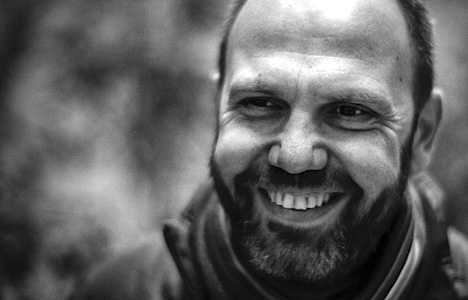
    Nicolas Becker

    Science fiction sound often risks becoming trapped inside its own history. Audiences become familiar with particular cinematic vocabularies so thoroughly that certain sounds gradually begin standing in for entire ideas. Futuristic interfaces shimmer with recognisable electronic textures, spacecraft doors release carefully sculpted hydraulic movements, while machines hum with tones inherited from decades of earlier films. Many of these sounds remain compelling, though repeated use can gradually create a strange effect. Instead of sounding like imagined futures, science fiction sometimes begins sounding primarily like other science fiction.

    Nicolas Becker’s guest lecture explored a rather different approach to sound design. Across discussions of Foley, experimentation, recording techniques, embodiment, resonance, acoustics, and material behaviour, a common principle gradually surfaced. Convincing futuristic sound may depend less upon inventing unfamiliar noises than reconnecting audiences with physical experiences they already understand through memory, vibration, pressure, texture, and the body itself. One of Becker’s central arguments was that audiences do not believe science fiction worlds merely through novelty. Completely unfamiliar sound can quickly become emotionally abstract. Futuristic environments instead become convincing once they remain anchored to recognisable sensory experience. Pressure, resonance, vibration, friction, breath, and spatial instability all carry meanings audiences already understand physically, even within worlds they have never encountered before.

    Becker described discovering Foley at the age of fifteen before immediately recognising that it brought together many different interests simultaneously. Cinema, movement, physical performance, listening, material experimentation, and interaction all converged within the practice. Yet one observation from early in the lecture became particularly revealing. He explained that he does not primarily create sound out of fascination with sound alone. What interests him more deeply involves the way sound transforms images.

    A sound placed against an image does not merely accompany what audiences already see. Something else emerges through the relationship between them. Becker described this as creating a kind of “third image”, neither entirely visual nor entirely sonic. Foley therefore ceases to become simple illustration. Sound does not simply confirm that a door closed or that footsteps occurred. Instead, sound reshapes how physical movement, material presence, scale, emotion, weight, fragility, and tension are perceived altogether. The image viewers believe they are watching is partly constructed through listening.

    This relationship becomes especially complicated within science fiction. Historical films already require reconstruction of worlds no longer accessible, though futuristic films involve constructing environments that have never existed at all. Such projects force sound designers into unusual territory. Audiences must believe experiences they have never directly encountered. A recurring theme throughout the lecture was that realism does not necessarily emerge through imitation of previous films. Instead, he suggested that audiences connect most strongly with sounds grounded in bodily memory and sensory experience. Sound becomes convincing once it resonates with sensations people already recognise, even if they cannot consciously identify why.

    Discussion of Gravity formed one of the clearest examples of this philosophy. Space immediately creates a problem for sound design. Vacuum prevents conventional sound transmission, meaning many familiar cinematic approaches become difficult to justify physically. Rather than treating this limitation as an obstacle, Becker approached it as an opportunity to rethink how listening itself might function.

    Traditional cinema frequently treats sound as external observation. Audiences hear worlds from an impossible perspective positioned outside events themselves. Becker’s approach repeatedly collapses this distance. Listening becomes embodied rather than observational. He began considering what astronauts would still perceive internally. A pressurised suit transmits vibration. Bodies conduct sound through tissue and bone. Contact with vibrating surfaces produces sensation physically before it becomes recognisable as hearing. Becker therefore started attaching hydrophones directly onto his own body while performing sounds physically through different materials and surfaces. His body effectively became an acoustic filter.

    The resulting sounds possess a striking quality precisely because they feel simultaneously internal and mechanical. Vibrations seem to emerge from within the listener rather than arriving externally from a distant cinematic environment. Becker connected this partly to experiences such as immersion underwater or entering an anechoic chamber, where external sound becomes reduced enough that internal bodily activity suddenly becomes perceptible. Heartbeats, blood movement, breathing, pressure, and friction begin dominating perception once surrounding acoustic information disappears.

    Much of Gravity therefore became less about designing conventional spacecraft sound and more about constructing a sensory relationship between bodies, pressure, vibration, and isolation. Rather than relying primarily upon inherited science fiction conventions, Becker searched for sounds grounded in experiences audiences already carry unconsciously within themselves. The objective was not reproducing what futuristic machines might literally sound like. Instead, the work repeatedly explored how bodies might experience impossible environments from within.

    This emphasis upon embodiment extended throughout the lecture. Becker frequently described recording less as a technical procedure than as a physical interaction with material. He spoke about “digging” into sound through microphones, surfaces, and objects almost like an animal searching for prey. Recording becomes exploratory rather than merely documentary. Instead of searching for predefined results, he experiments with materials, microphones, resonances, distortions, and spaces until unfamiliar possibilities begin emerging.

    Hydrophones, geophones, gyroscopes, seismic sensors, underwater acoustics, resonant structures, and sympathetic vibrations appeared throughout the lecture not as isolated technical curiosities but as expressions of a broader way of thinking about sound. Across these examples, Becker continually sought sound behaviours rooted in physical phenomena rather than cinematic shorthand.

    Microphones themselves therefore stop functioning merely as neutral capture devices. Different recording systems become ways of translating material behaviour into perception. Certain microphones approximate human hearing more naturally, while others emphasise transient aggression, resonance, spatial instability, or harmonic complexity differently. Technical systems therefore shape how audiences physically inhabit cinematic space.

    One particularly revealing example involved Becker’s rejection of familiar mechanical science fiction aesthetics built around gears, motors, and obvious physical contact. While developing robotic and futuristic sounds, he instead searched for systems involving minimal friction or direct interaction between moving parts. Gyroscopes, magnetic stabilisation systems, and no-contact mechanisms became especially attractive precisely because they produced movement without conventional mechanical aggression.

    This pursuit of unfamiliar material behaviour also led Becker towards geophones originally designed for oil exploration. Such devices normally detect vibrations travelling through the earth itself. After modifying them into recording devices for creative use, Becker discovered that they produced unusual forms of mechanical distortion unlike conventional electronic processing. Explosions, impacts, and vibrations acquired strange physical textures that felt simultaneously abstract and believable.

    What matters here is not novelty for its own sake. Throughout the lecture, he expressed dissatisfaction with science fiction sound becoming trapped inside references to earlier films. Once audiences unconsciously begin recognising cinematic conventions instead of connecting with physical sensation, realism weakens. He described this particularly clearly while discussing the enormous influence of Star Wars. Those films established an extraordinarily influential sonic vocabulary, though Becker noted that many later science fiction works gradually began imitating these established sounds rather than rediscovering material reality independently. Eventually futuristic worlds risk sounding less like futures than accumulated echoes of earlier cinema.

    Projects such as Gravity, Arrival, and Ex Machina interested him partly because they attempted moving away from these inherited vocabularies towards something more physically grounded. Becker argued that the real world already contains astonishing sonic material if designers remain willing to search for it. Lakes, seismic activity, industrial systems, underwater acoustics, resonant structures, pressure systems, wind, and vibration all contain textures far stranger than many artificially synthesised science fiction effects.

    Memory consequently became another major theme throughout the lecture. Becker repeatedly suggested that audiences respond most strongly once sound reconnects them with experiences they have already encountered physically, even if only indirectly. Rather than reminding viewers of earlier films, he aims to reconnect them with sensations stored within their own perceptual histories. Sound therefore stops functioning merely as representation. It begins activating remembered forms of bodily knowledge.

    These ideas shape even seemingly small technical decisions. Becker discussed reconstructing recording conditions with extreme precision, carefully considering acoustic environments, microphone placement, reflections, surfaces, and physical obstacles. A person walking behind furniture should sound physically constrained by that furniture. A room should behave according to its dimensions and materials. Exterior movement requires different transient behaviour than interior movement. Ribbon microphones become useful outdoors partly due to their softer transient response and spatial characteristics. These decisions emerge from a broader commitment to sensory plausibility rather than abstraction.

    Experimentation itself therefore occupies a central position within Becker’s practice. Constraints, unusual recording processes, collaborative exploration, and conceptual frameworks all become mechanisms for discovering unfamiliar sonic relationships. He repeatedly described projects less as standardised workflows than prototypes requiring entirely different approaches each time.

    Such an approach has increasingly pushed his work beyond conventional Foley stages altogether. Rather than always recording inside controlled studio environments, Becker often seeks real locations whose acoustics already contain the physical characteristics required by the film. Castles, industrial structures, resonant chambers, unusual landscapes, and environmental spaces become active collaborators within the recording process itself.

    Collaboration more generally emerged as another important dimension of his work. Becker repeatedly described involving musicians, engineers, scientists, architects, landscape designers, instrument builders, and conceptual artists within projects. Sound design becomes a form of interdisciplinary experimentation instead of isolated post-production labour. Conversations with geophysicists led towards seismic recording experiments. Underwater acoustic research informed approaches to resonance and transmission. Work with conceptual artists encouraged treating every project as a unique prototype requiring its own conceptual logic and constraints.

    One of the more compelling aspects of the lecture involved Becker’s refusal to separate technical experimentation from artistic thinking. Microphones, recording formats, resonances, distortions, acoustic physics, and bodily sensation never appeared merely as engineering problems. Technical systems instead became methods for reshaping perception itself.

    Curiosity emerged throughout the lecture as a driving force behind his practice. He described continual experimentation with new technologies, new collaborators, new recording situations, and unfamiliar physical systems. Yet beneath this openness sits a remarkably coherent underlying philosophy. Sound becomes meaningful once it reconnects audiences with material experience rather than cinematic habit.

    Perhaps this explains why Becker’s science fiction work often feels unusually tactile. Machines appear heavy, spaces feel pressurised, vibrations seem physically present, while futuristic environments retain connections to recognisable sensory reality. Audiences may never consciously identify the specific recording techniques involved, though they respond to the bodily logic underneath them.

    Science fiction frequently concerns imagined futures, impossible environments, and unfamiliar technologies. Becker’s lecture repeatedly suggested that convincing audiences of these worlds may depend less upon escaping physical reality than listening to it more carefully. The future begins feeling believable once sound reconnects viewers with the textures, pressures, resonances, and vibrations they already understand through lived experience.

    Rather than constructing futures entirely from abstraction, Becker instead builds impossible worlds from sensations audiences have carried within themselves all along.

  • Dubbed to Perfection: Graham Hartstone’s Guide to Enhancing Storytelling Through Sound

    Graham Hartstone, a highly respected dubbing mixer and former head of post-production at Pinewood Studios, shared his expertise in an online guest lecture. Drawing on his extensive career in film sound, which spans decades and includes work on major productions, he offered a wealth of insights into the art and technical precision of rerecording sound for film.

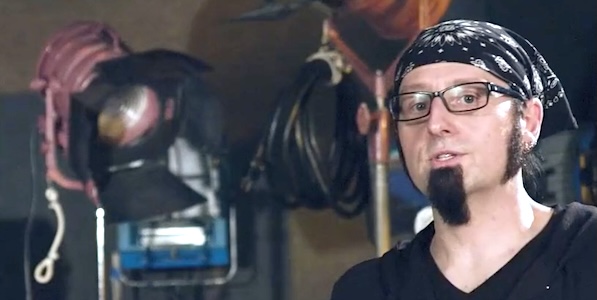
    Graham Hartstone

    The Evolution of Sound and Its Role in Storytelling

    Hartstone’s career began in 1961 as a cable operator, progressing through various roles in sound before ultimately leading the dubbing team at Pinewood. His experience includes working on iconic films such as the James Bond series and collaborations with directors like Stanley Kubrick and Ridley Scott. He reflected on the shift from analogue mixing techniques to the expansive digital tools available today, discussing how technological advancements have changed the sound mixing process.

    Throughout his career, Hartstone emphasised that sound must serve the narrative, with careful attention to dialogue clarity, atmospheric cohesion, and the interplay between sound effects and music. He discussed the importance of premixing, highlighting how dialogue, effects, and Foley must be balanced to create a seamless final mix. Foley, he stressed, should blend naturally rather than draw attention to itself. Using Aliens as an example, he described how even background movements were carefully crafted to maintain immersion without overwhelming the primary action.

    Collaborations, Challenges, and International Versions

    Hartstone shared experiences working with directors who had strong opinions on sound, such as James Cameron and Stanley Kubrick. Kubrick was known for personally directing foreign language dubs to maintain creative control, often insisting that his own team handle translations to ensure consistency across different languages. Hartstone recalled how Kubrick’s meticulous nature extended to every aspect of post-production, with dialogue edits often requiring multiple iterations to match the director’s high standards. Kubrick even insisted on making foreign dubs sound as close to the original English version as possible, ensuring that voice tone and performance retained the same impact.

    James Cameron was similarly demanding, particularly about technical precision in sound. Hartstone shared an example from Aliens, where Cameron required the sound of motion trackers to be carefully crafted to enhance suspense. He recalled how Cameron would repeatedly review sound effects, adjusting subtle details to make sure they perfectly complemented the tension of each scene. This attention to detail extended to mixing explosions and gunfire, where Cameron wanted the audience to feel every impact without overwhelming the dialogue.

    The challenges of working on large-scale productions also included meeting tight deadlines and working with evolving edits. Hartstone noted that in films like Blade Runner, changes were often made up to the last minute. He shared how the iconic ambient soundscape of Los Angeles in Blade Runner was built from unused Alien sound elements, giving the city a layered, futuristic atmosphere. He also recounted how Ridley Scott requested late-stage changes to music and sound effects after test screenings, requiring the mixing team to make quick adjustments to balance the soundtrack effectively.

    For international versions, Hartstone explained that dialogue premixes had to be prepared well in advance of final mixes to allow time for translation and dubbing. On GoldenEye, special care was taken to ensure the foreign dubs matched the English version’s intensity, particularly during action sequences. His team provided detailed mixing notes, ensuring that foreign versions retained the same dynamic range and impact. He also explained the additional complexities of preparing mixes for different distribution formats, including airline and television edits, which required removing or replacing strong language while maintaining natural speech flow.

    Practical Techniques for Mixing

    Hartstone provided a wealth of practical advice for sound mixers, focusing on achieving clarity, balance, and impact.

    Dialogue Mixing and Clarity

    He advised using high-pass and low-pass filters to enhance dialogue clarity, suggesting a high-pass filter at around 80Hz to eliminate unwanted low-end rumble and a low-pass filter at around 9kHz to reduce sibilance. He explained that dialogue should be prioritised in the mix, ensuring that off-screen lines remain intelligible by adjusting levels and adding subtle reverb to match distance perception.

    Hartstone also discussed the importance of perspective in dialogue mixing. He emphasised that the audio should match the framing of the shot—voices should not shift unnaturally in relation to the camera’s viewpoint. For example, close-up dialogue should be crisp and intimate, while wide shots should have a more open sound, reflecting the environment. When working with ADR (Automated Dialogue Replacement), he recommended blending it with the original production sound by matching room acoustics and microphone placement to avoid inconsistencies.

    Balancing Sound Elements and Surround Mixing

    Hartstone stressed the importance of dynamic balance between different sound elements. He warned against overusing compression, explaining that while it can help smooth out levels, excessive compression can make a mix sound unnatural. Instead, he recommended using automation and manual level adjustments to retain natural dynamics, especially for dialogue-driven scenes.

    For surround mixing, Hartstone advised positioning ambient sounds carefully to avoid distracting the audience. Dialogue and primary sound effects should remain anchored in the front channels, while environmental sounds and subtle atmospheric elements should be spread across the surround channels. He suggested that surround effects should be used sparingly in dialogue-heavy scenes but can be more pronounced in action sequences to enhance immersion.

    Layering Explosions and Action Sequences

    Hartstone shared techniques for mixing action-heavy films, particularly regarding explosions and gunfire. He explained that layering sound elements helps create depth and realism. For an explosion, he suggested layering three key components: a bass-heavy thump for impact, a mid-range crack for texture, and high-end debris for detail. He recommended ensuring that these layers are carefully mixed so that the low end does not overpower dialogue and other important sounds.

    He also discussed the importance of spatial placement for action scenes. For instance, gunfire should have directional placement in the mix to match the on-screen perspective. He recalled how, on James Bond films, the team carefully panned gunfire and bullet ricochets to follow the action, adding realism and depth to chase and fight sequences.

    Checking Mixes Across Different Playback Systems

    To ensure consistency, Hartstone recommended testing mixes on multiple playback systems, from large cinema screens to nearfield monitors. He suggested switching between full surround and stereo playback to detect phase issues or missing elements. He also noted that checking the mix at lower volumes can help identify problems with clarity, as important dialogue or sound effects may get lost when played at lower levels.

    Additionally, he highlighted the importance of attending final screenings to verify the mix in the intended playback environment. He recalled how, during a Blade Runner premiere screening, last-minute mix adjustments were needed to correct sound balance issues, reinforcing the importance of checking the final product under real-world conditions.

    Final Thoughts

    Graham Hartstone’s lecture provided a detailed exploration of film sound design, offering valuable lessons for professionals and enthusiasts alike. His expertise underscored how vital a well-crafted soundtrack is in shaping the audience’s experience, blending technical precision with creative storytelling.

  • Sound Advice: John Rodda’s Insights into Production Mixing

    John Rodda’s online guest lecture offered an engaging and in-depth exploration of the world of production sound mixing, drawing from his extensive experience across film and television. With a career spanning 35 years and work in over 40 countries, John has established himself as a leading figure in the industry, contributing to productions ranging from documentaries and dramas to major feature films. His lecture provided a rare glimpse into the craft, techniques, and challenges of capturing high-quality audio on set.

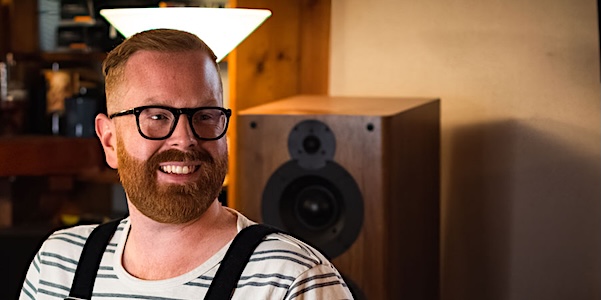
    John Rodda

    A Journey Through Sound

    John began by sharing his journey into sound mixing, highlighting how his background in theatre and electronics laid the foundation for his work in film and television. His early experiences included building computers in the late 1970s and working on corporate films and news coverage before transitioning into drama and feature films. He detailed how he navigated the industry at a time when union regulations created significant barriers for newcomers, requiring perseverance and adaptability to succeed.

    Key Roles in Production Sound

    John emphasised the collaborative nature of sound production, highlighting the distinct but interdependent roles within the department:

    • Production Sound Mixer: Oversees all aspects of sound recording on set, ensuring high-quality dialogue capture. They operate the primary recording equipment, balance microphone levels, and collaborate with the director to maintain the intended audio aesthetic. Additionally, they liaise with post-production teams by providing properly labelled sound files and detailed reports.
    • Boom Operator: Responsible for positioning the boom microphone to capture dialogue while staying out of the frame. They must anticipate actor movements, adjust positioning accordingly, and minimise unwanted noise. Boom operators often work in challenging conditions, ensuring optimal sound capture in dynamic filming environments.
    • Sound Assistant: Supports both the mixer and boom operator by setting up equipment, managing cables, placing wireless microphones on actors, and troubleshooting technical issues. They also help maintain sound logs and ensure the smooth operation of the sound department throughout filming.

    Each of these roles contributes to delivering clear, high-quality audio, ultimately enhancing the storytelling experience.

    Adapting to Industry Changes

    John reflected on the evolution of sound recording technology, from mono Nagra tape recorders to sophisticated multi-track digital systems. He discussed how advancements such as wireless microphones and timecode synchronisation have improved sound recording flexibility while accommodating modern filmmaking techniques, including multi-camera setups and wide-and-tight shot combinations. Current industry hardware has significantly improved efficiency and reliability, with modern digital recorders offering multi-track recording, high-resolution audio, integrated timecode systems, and advanced metadata management, enabling seamless file transfers to post-production. Wireless microphone systems now feature extended range, improved RF stability, and digital encryption, enhancing dialogue capture even in challenging environments. Additionally, timecode synchronisation tools ensure frame-accurate alignment between cameras and audio recorders, streamlining workflows and making location sound recording more adaptable for complex setups.

    Challenges and Solutions in Sound Mixing

    John provided practical examples of overcoming sound challenges on set. While working on Downton Abbey, he had to radio mic every actor to meet the director’s preference for unrestricted camera movement. The historical costumes posed additional difficulties in concealing microphones without compromising sound quality. To mitigate these issues, he collaborated with the wardrobe team and developed discreet mic placements that preserved clarity while remaining hidden.

    Another notable example involved a dinner scene, where the clinking of silverware risked overpowering dialogue. John strategically positioned boom microphones and used lavalier mics hidden within costumes to isolate voices while maintaining natural ambiance.

    Similarly, while working on Shackleton, extreme cold conditions threatened equipment functionality. He employed insulated batteries and performed regular system checks to ensure uninterrupted recording.

    For Airport, John devised a wireless timecode system that allowed independent sound recording, enabling him to position himself optimally while the camera moved freely in a busy airport setting.

    Memorable Projects and Industry Recognition

    John shared stories from notable projects, including The Fifth Estate, Longitude, and Shackleton. Longitude, a historical drama, posed unique challenges in capturing the sound of intricate mechanical clockwork, which was integral to the story. In The Fifth Estate, which dealt with the WikiLeaks controversy, he had to navigate fast-paced newsroom settings and international locations, ensuring clear dialogue in constantly shifting environments. His ability to adapt to different genres and production styles has earned him industry recognition, including a BAFTA for Airport and a nomination for Paddington Green. John also spoke about his time on 24: Live Another Day, where he balanced complex action sequences with high-pressure recording environments, demonstrating how experience and quick thinking are essential for a sound mixer.

    Advice for Aspiring Sound Professionals

    John advised aspiring professionals to develop technical skills, gain hands-on experience, and build strong working relationships within the industry. He stressed that attention to detail is key, as minor sound issues can become major post-production problems. He recommended learning about different recording techniques, experimenting with mic placement, and understanding the physics of sound to become a well-rounded professional.

    He also highlighted the importance of being adaptable and proactive. On sets where unexpected technical issues arise, being able to think on one’s feet and offer quick solutions is invaluable. He recalled an instance on 24 when a hidden microphone placement failed during a take, requiring an immediate, seamless backup solution to avoid disrupting the shoot.

    Additionally, he encouraged those entering the field to shadow experienced professionals, seek mentorship opportunities, and remain up to date with industry advancements. Sound recording techniques and equipment continue to evolve, and staying informed about the latest innovations ensures ongoing career growth.

    Conclusion

    John Rodda’s lecture provided invaluable insights into the world of production sound mixing. His extensive experience and practical knowledge underscored the critical role of sound in storytelling. As technology continues to evolve, his insights serve as a testament to the enduring importance of high-quality sound in film and television. For those looking to enter the field, his expertise offered both inspiration and guidance, reinforcing the idea that persistence, adaptability, and a strong technical foundation are crucial to success.


  • There and Back Again: The Foley Journey of John Simpson

    The magic of cinema extends far beyond what appears on screen. The immersive power of film owes much to sound, particularly the subtle, often unnoticed details that breathe life into scenes. At the heart of this auditory craft is Foley, a specialised discipline within sound design that recreates everyday sounds to enhance the cinematic experience. From the rustling of fabric to the crunch of footsteps on gravel, Foley artists bring a level of realism and texture that elevates storytelling.

    John Simpson

    John Simpson’s Path into Foley

    A distinguished Foley artist, John Simpson, shared insights into the evolving landscape of the craft. With a career spanning decades, his journey into Foley was, like many others, serendipitous. Initially a Foley recordist, his early work took place in an era when Foley was far less complex than it is today. At that time, Foley was not a comprehensive soundscape but rather a tool for editors to fill in the gaps left by automated dialogue replacement (ADR). Soundtracks were often constructed from a limited number of layers, with minimal dedicated Foley elements. However, as film audio technology advanced and stereo soundtracks became standard, Foley took on a more significant role in shaping cinematic experiences.

    Bringing Iconic Films to Life

    John Simpson’s extensive film credits include work on major productions such as Mad Max: Fury Road, The Adventures of Tintin, Happy Feet, King Kong, The Lego Movie, and The Hobbit trilogy. His expertise has contributed to some of the most visually and sonically compelling films of recent times, adding depth and authenticity to their soundscapes. His ability to craft distinctive auditory textures has made him a highly sought-after Foley artist in the industry.

    The Art of Sound Creation

    Simpson detailed some of the unique approaches he has taken in his work. For The Adventures of Tintin, he described the challenge of creating exaggerated yet believable sounds for animation, including the intricate layers needed for the dog Snowy’s movements. He also explained how he and his team created the sound of ship sequences by recording inside a Foley room, using a specially built box to enclose a microphone and simulate the enclosed resonance of a ship’s interior.

    In Happy Feet, Simpson recalled working extensively on the penguin characters’ movements. To replicate the sound of their feet sliding on ice, he used his fingers on different textured gloves and employed frozen fish to achieve realistic wet movements. The Foley team also created unique water effects by stomping around in a bathtub. Additionally, for the character’s dance sequences, he used wooden boards and various shoe types to capture the different weights and styles of tap dancing.

    Crafting the Sounds of Middle-earth

    For The Hobbit films, he described the meticulous work involved in bringing the sounds of Middle-earth to life. One of the most memorable tasks was recreating the sound of Bilbo running through Smaug’s treasure hoard. This involved pouring and shifting buckets of metal coins across the floor and layering multiple elements, including washers, chains, and lightweight metal pieces, to achieve depth and variation. In addition, he highlighted the use of cloth and military-style rustling to enhance battle sequences. He also mentioned that much of the squishy, organic sounds of creatures in The Hobbit were recorded long before the film, creating a library of textures used in later productions. For dragon movements, he described using leather straps, adding weight by dragging them across various surfaces.

    Experimentation and Innovation

    Experimentation remains at the core of Foley. Simpson recalled a scene in King Kong that required simulating the movement of Kong’s enormous hands gripping the Empire State Building. Instead of relying solely on standard props, he used a large copper pot with padding inside to mimic the deep resonance of Kong’s fingers moving across the structure. He also shared how sounds for the ship sequences in King Kong were recorded by stomping around in different types of boots and walking across various wooden surfaces.

    For The Lego Movie, he described how the character MetalBeard’s mechanical movements were enhanced with retractable vacuum cords, chains, and various metallic elements to create an organic yet plastic sound. He also explained how he carefully mixed different Lego brick sounds at various angles and pressures to ensure authenticity while keeping the movements dynamic and engaging. He mentioned how he used garage sales and second-hand stores to find items that could be creatively repurposed for unique sounds.

    For Walking with Dinosaurs, Simpson shared how he approached the challenge of creating dinosaur footsteps. Boxing gloves were used to strike damp sand, providing a weighty, natural sound. To add layers of movement, leather straps and thick ropes were manipulated to simulate the shifting of large creatures. Additionally, he recorded various cloth and harness movements to replicate the creaking of dinosaur skin and muscle shifts. The roaring of creatures was sometimes constructed using unconventional means, such as dragging large, heavy objects across surfaces to create deep, guttural tones.

    Recording Techniques and Unique Methods

    Simpson also experimented with microphone placement to capture unique sounds. For heavy, weighty footsteps, he buried microphones underground and recorded stomping overhead. To simulate the distant echo of footsteps in deep caves, he used long metal pipes and recorded sounds reverberating through them. Additionally, he used hydrophones to capture underwater movements, such as recording splashing and bubbling sounds for ocean-based scenes.

    The Future of Foley

    Beyond feature films, Foley plays a crucial role in television, video games, and even virtual reality experiences. The craft continues to adapt alongside technological advancements, ensuring that sound remains an integral part of storytelling, no matter the medium. While Foley often goes unnoticed by audiences, its absence would be keenly felt, as it provides the subtle authenticity that draws viewers into the worlds they see on screen.

    This lecture highlighted the dedication and ingenuity required in the field of Foley. The work of Foley artists, often overlooked, remains a cornerstone of cinematic storytelling. As long as there are stories to be told, Foley will continue to shape the way audiences experience them, adding depth, realism, and emotional resonance to every scene.


  • Exploring Sound Design for Animation with Dr Damian Candusso

    We had the privilege of hosting an insightful online guest lecture with award-winning sound designer Dr Damian Candusso. Renowned for his work on films such as The Lego Movie, Happy Feet, and Legend of the Guardians, Dr Candusso shared his experiences in crafting immersive auditory landscapes for animation.

    Dr Damian Candusso

    The Journey into Sound for Animation

    Dr Candusso began by discussing his career trajectory, highlighting his early experiences working on hand-drawn 2D animation. He explained how his role encompassed the entire sound production process—from dialogue recording to Foley, sound effects design, and final mixing. His career then progressed into 3D animation, CGI, and stop-motion, each presenting its own unique challenges in sound design.

    The Art of Bringing Animation to Life

    Unlike live-action films, animation lacks any natural location sound, making it the sound designer’s responsibility to construct an entire sonic world from scratch. Dr Candusso described this as an opportunity to ‘play God,’ using sound to bring animated characters and environments to life. He shared insights into creating organic and believable soundscapes, even when working with fantastical or otherworldly settings.

    A key takeaway from the session was Dr Candusso’s emphasis on originality. While sound libraries can be useful, he strives to record and manipulate his own material to create distinctive sound effects. He noted how audiences quickly recognise overused stock sounds, which can detract from immersion.

    A Deep Dive into Major Film Projects

    Dr Candusso provided fascinating behind-the-scenes insights into some of his most well-known projects:

    • Happy Feet: This Oscar-winning animated film required a vast library of sound effects to recreate the icy Antarctic environment. Dr Candusso and his team recorded actual ice-breaking sounds using liquid nitrogen, as well as penguin crowd noises sourced from scientists in Antarctica. Foley work played a crucial role in achieving authenticity, particularly in the movement of feathers and flippers.
    • Legend of the Guardians: As Australia’s first stereoscopic 3D animated feature, Legend of the Guardians posed unique challenges in sound spatialisation. Dr Candusso discussed the difficulty of designing sound for slow-motion action sequences, particularly in conveying the movement of objects through a 3D space. His work on this project sparked his research into sound perception in stereoscopic films.
    • The Lego Movie: The film’s sound design was a balance between realism and maintaining the distinct plastic nature of Lego bricks. Dr Candusso experimented with actual Lego sounds but recognised that excessive plastic clicks could become irritating. By blending realistic mechanical sounds with carefully selected Lego noises, he crafted a dynamic yet authentic soundscape. Notably, he used a child’s broken toy car to create the distinctive sound of Lord Business’s mechanical limbs.

    The Role of Technology and Remote Collaboration

    Advancements in broadband technology have enabled remote collaboration, which has significantly changed the sound production workflow. Dr Candusso highlighted how, despite being based hundreds of kilometres from Sydney, he seamlessly collaborates with sound teams worldwide. He also discussed his custom-built microphones and recording techniques, demonstrating how innovation plays a vital role in his creative process.

    Practical Sound Design Techniques

    Dr Candusso shared several hands-on sound design techniques during his lecture, explaining how to create unique and immersive sounds using everyday materials. Here are some standout examples:

    • Penguin Flippers (Happy Feet) – To recreate the sound of penguin wings flapping, Dr Candusso used exotic bird feathers from costume stores. Different colours and sizes were chosen to vary the weight and movement sounds.
    • Ice Cracking (Happy Feet) – Large pieces of wood were frozen with liquid nitrogen and then shattered with a hammer to mimic the sound of icebergs breaking apart.
    • Mechanical Transformations (The Lego Movie) – The extension sounds for Lord Business’s mechanical legs were recorded using a broken toy car, where the exposed gears grinding created a realistic mechanical movement effect.
    • Magnetism (Legend of the Guardians) – To create the ‘flick field’ sound, Dr Candusso combined recordings of resonating bells, glass vibrations, and metallic objects manipulated with electromagnets, then processed them for an ethereal effect.
    • Underwater Ambience (Happy Feet Two) – To recreate realistic underwater sounds, Dr Candusso used hydrophones in a swimming pool and manipulated the recordings to simulate the acoustics of deep-sea environments.
    • Sword Swings (Legend of the Guardians) – For the film’s dramatic battle sequences, Dr Candusso combined recordings of metal rods swooshing through the air with high-pitched bell sounds to create the sharp, resonant swipes of the owls’ weapons.

    For aspiring sound designers, experimenting with found objects and layering multiple recordings with subtle processing can yield unique and captivating results.

    Key Lessons for Aspiring Sound Designers

    Throughout the lecture, Dr Candusso shared invaluable advice for students and professionals alike:

    1. Performance Over Perfection – A sound’s emotional impact often outweighs technical perfection.
    2. Experimentation is Key – Unique sounds often come from unexpected sources. Dr Candusso recounted how he recorded a moth’s fluttering, which, when processed, resembled a mechanical engine.
    3. Storytelling Through Sound – Every sound should serve the narrative and contribute to the overall experience.
    4. Adaptability is Crucial – Working in animation means constantly adapting as visuals evolve throughout production.

    Closing Reflections

    Dr Candusso’s lecture provided a comprehensive look into the intricacies of sound design for animation. His passion for crafting immersive soundscapes was evident, and his insights offered both inspiration and practical knowledge for anyone interested in film sound. He highlighted the ever-evolving nature of sound design, emphasising the importance of staying innovative and adaptable. Additionally, he encouraged aspiring sound designers to explore unconventional sources of inspiration and experiment with emerging technologies to push creative boundaries.


  • Beasts, Bots & Booms: Scott Gershin on the Sonic World of Pacific Rim

    Few films delivered the sheer auditory spectacle of Pacific Rim. From the ground-shaking footfalls of colossal Jaegers to the guttural roars of Kaiju, the film’s soundscape was nothing short of a masterpiece. Behind this sonic brilliance was Scott Gershin, a veteran sound designer whose passion for storytelling through sound was evident in every project he touched. In a Q&A, Gershin delved into his process, challenges, and the artistry behind creating the soundscape for Pacific Rim.

    Scott Gershin

    Bringing Kaiju and Jaegers to Life

    One of the most exciting aspects of designing sound for Pacific Rim was crafting distinct voices for the Kaiju. Unlike other monster movies, where creatures might share similar sonic qualities, each Kaiju in Pacific Rim had a unique identity. Gershin described the process as akin to composing music—some creatures required deep, resonant tones, while others needed higher-pitched, aggressive shrieks.

    To achieve this, he recorded a range of animal sounds, including elephants, tigers, lions, and even raccoons. However, real-world recordings weren’t always enough. Some sounds needed to be exaggerated or transformed using digital tools. “I wanted to avoid using my usual sound library and do something unique,” Gershin explained. “So, we went out and recorded all sorts of things—animals, industrial machines, and even dropping massive cargo containers in Long Beach just to get the right impact.”

    Similarly, the Jaegers posed a challenge. These massive machines needed to sound heavy yet functional, avoiding the overly sleek, high-tech sounds associated with films like Transformers. Gershin and his team opted for more mechanical, industrial noises inspired by aircraft carriers and military destroyers. “Guillermo [del Toro] didn’t want them to sound too sci-fi. He wanted them to feel grounded,” he noted.

    The Process: From Pitch to Final Mix

    Gershin’s involvement with Pacific Rim spanned nearly two years, beginning before the film was even greenlit. “Guillermo came to me early on and said, ‘I have this idea. Can you help me with the pitch?’” From there, he became deeply embedded in the film’s development, helping to shape its sonic language from the ground up.

    The sound design process followed a natural progression, starting with broad strokes and gradually refining details as the film took shape. In the early stages, when animation was incomplete, the team used storyboards and animatics to guide their sound experiments. “For a long time, it looked like a giant South Park movie,” Gershin joked. “But as the visuals evolved, so did our approach to sound.”

    One of the most crucial aspects of the process was ensuring scale. When dealing with towering, 25-story-tall robots, sound design had to reflect their massive weight and power. “We spent a lot of time making sure every punch, stomp, and roar felt enormous but also had clarity,” he said.

    Challenges and Creative Problem-Solving

    Sound design was as much about problem-solving as it was about creativity. Gershin recalled an early challenge with one of the film’s Kaiju, Otachi. Initially, the sound team assumed the creature would primarily roar, but as the animation developed, they realized Otachi had a far more dynamic range of movements. “For the longest time, every storyboard had its mouth open, so it was constantly screaming. But when we saw the final animation, we knew we needed to rework its sounds to reflect its personality.”

    Another unexpected challenge came from attempting to record mining equipment, which seemed like a great idea conceptually but turned out to produce little more than diesel engine noise. “Sometimes, you think something will sound amazing, and then you get there and realize it doesn’t work at all,” Gershin laughed. “You just have to adapt and keep experimenting.”

    Collaboration and the Art of Mixing

    Despite his extensive hands-on approach, Gershin credited much of the film’s success to the collaborative nature of the project. His team included talented sound designers like Charlie Campagna and Peter Zinda, who helped build a rich and layered sonic environment. “It’s like being in a band. Everyone brings something unique to the table,” he said.

    Mixing the final soundscape was another crucial stage. With over 2,000 sound tracks in play, balancing dialogue, music, and effects required meticulous attention. “At any given moment, someone had to take the lead—sometimes it was the music, sometimes the effects, sometimes silence,” he explained. “Silence, if used correctly, is the most powerful sound we have.”

    Sound Design Tips from Scott Gershin

    Throughout the Q&A, Gershin shared valuable insights for aspiring sound designers.

    • Use Negative Space: Silence can be one of the most powerful tools in sound design. In Pacific Rim, Gershin emphasized that the real challenge wasn’t deciding where to be loud but rather where to go quiet to give the audience a break.
    • Experiment Relentlessly: Gershin and his team spent months recording unique sounds, including unconventional objects like giant cargo containers and mining equipment. However, not every idea worked, highlighting the importance of trial and error.
    • Think Like a Musician: Gershin compared sound design to composing music, where different elements contribute to a larger composition. This approach helped maintain clarity and balance within the complex soundscape of Pacific Rim.
    • Collaborate Effectively: Sound design is rarely a solo effort. Gershin relied on a team of experts to bring the film’s world to life, likening the process to being in a band where each member contributes something unique.
    • Prioritise Realism When Needed: While Pacific Rim is a science-fiction spectacle, the sound design remained grounded in real-world physics. By basing the Jaegers’ sounds on aircraft carriers and military destroyers, Gershin ensured they felt tangible and weighty.
    • Understand the Emotional Beats: Sound isn’t just about effects—it’s about storytelling. Gershin and his team carefully adjusted the mix to highlight the film’s emotional moments, pulling back sound effects when music or dialogue needed to take center stage.
    • Build a Personal Sound Library: Gershin recommended that sound designers record their own unique sounds whenever possible. Having a personal collection of recordings allows for more original, distinctive work rather than relying on stock libraries.
    • Listen to Your Environment: He emphasized the importance of listening to real-world sounds for inspiration. Whether recording the streets of Los Angeles or capturing the ambiance of London, immersing oneself in different soundscapes provides a greater understanding of sonic textures.

    Final Thoughts

    Reflecting on Pacific Rim, Gershin saw it as one of the most rewarding projects of his career. The blend of industrial realism, creature vocalisation, and orchestral collaboration made it a unique challenge, but one he embraced wholeheartedly. “Every film is its own creature. You have to let it tell you what it wants to be,” he said.

    For aspiring sound designers, he offered simple advice: “Care. Want it. Want it badly. If you love what you do and are willing to work hard, you get paid to play. And that’s the best job in the world.”

    Scott Gershin’s work continues to inspire sound designers and filmmakers alike. Whether it was the colossal battles of Pacific Rim or the subtle sonic storytelling of American Beauty, his passion for sound was unmistakable. This Q&A provided an insightful look into the world of film sound design, offering valuable lessons for those looking to follow in his footsteps.


  • The Sonic Buzz of The Ant Bully: Insights from Bruce Tanis

    Sound design plays an important role in filmmaking, adding depth, texture, and emotional weight to every scene. In his lecture on the sound design of The Ant Bully, veteran sound editor Bruce Tanis provided a detailed look at how sound was crafted to enhance the film’s unique world.

    Bruce Tanis

    The Challenge of Shifting Scale

    The Ant Bully tells the story of Lucas, a young boy who is shrunk down to the size of an ant and learns valuable lessons about bullying and empathy. The film constantly shifts between Lucas’s normal human-sized world and the micro world of the ants. This presented a challenge for the sound team—how do you create an auditory experience that convincingly sells the massive shift in scale?

    Tanis explained that the approach involved taking everyday sounds and dramatically altering their textures and intensity.

    For example, jelly beans, which to an ant appear as large as a Volkswagen bus, needed to sound appropriately massive. Rather than using simple candy sounds, Tanis layered effects like rocks tumbling and logs rolling to give the jelly beans a substantial, weighty presence.

    Similarly, ant footsteps were created using the tapping of fingernails on various surfaces to mimic the delicate but distinct movement of tiny creatures. Additionally, the scurrying of multiple ants was created by rubbing together clusters of pipe cleaners, giving the impression of multiple legs moving in unison.

    To further sell the small-scale perspective, wings of flying insects were simulated by rapidly waving thin sheets of plastic near a microphone, while the rustling of tiny ant tunnels was achieved by crumbling dry leaves close to the mic.

    Bringing Inanimate Objects to Life

    A particularly innovative sequence involved Lucas trying to use a telephone while shrunken. To him, the device was enormous, and every interaction had to sound exaggerated.

    The challenge was to make the phone feel as massive as it appeared on screen. Tanis used a combination of creaking wood and mechanical groans to simulate the exaggerated movements of the buttons.

    Even something as simple as bouncing across the number pad required extensive sound layering, incorporating elements like trampoline noises to create a sense of scale and playfulness.

    The clicking and pressing of the giant buttons were enhanced by layering metallic creaks and soft drum hits to give them an exaggerated, yet comedic, effect. To emphasize the impact of Lucas’ tiny frame interacting with such a massive device, rubber mallets hitting different surfaces were used, adding a bouncy yet weighty feel to the movements.

    The interior of the phone was given a cavernous reverb effect, achieved by recording inside a large metal container and layering subtle electronic hums to give it a sense of being an otherworldly space.

    The Frog Scene: A Sound Designer’s Playground

    One of the most dynamic sequences in the film involved a giant frog attacking the ant colony.

    Every aspect of the frog’s movement—its powerful hops, the slapping of its tongue, the deep resonance of its croaks—had to be carefully designed.

    Rather than using a clichéd whip-crack for the tongue snap, Tanis combined a retracting metal tape measure with slurping and rubbery elements to create a more organic, fluid sound.

    Additionally, to make the frog’s croaks feel appropriately large, he mixed in alligator sounds and other guttural animal noises, giving the character a sense of weight and menace.

    The stomach noises when Lucas gets swallowed were made by recording gurgling water and layering in slow, reversed squelching sounds from a wet sponge to create the sensation of a living, breathing digestive system.

    Further texture was added by recording bubbling mud and low, resonant groans from stretched rubber to give the impression of internal pressure and digestion. The sounds were then processed with reverb and pitch-shifting to make them seem cavernous and otherworldly.

    For the sound of the ants communicating, a combination of manipulated insect recordings and synthesized clicking noises were used, creating a distinct and otherworldly effect.

    An Unconventional Work Environment

    Tanis revealed that the film’s sound design was primarily completed outside of a traditional studio setting. The supervising sound editor set up multiple editing stations inside his home, and the team worked from there rather than a studio lot. This environment, though unusual, allowed for a more collaborative process, with frequent back-and-forth discussions between Tanis and the supervising editor to refine sounds in real-time.

    The Process of Sound Design

    One of the key takeaways from Tanis’ lecture was how sound design is as much about imagination as it is about technical skill. Many of the sounds in The Ant Bully came from heavily modified real-world recordings. The team wasn’t simply capturing existing sounds—they were sculpting, layering, and manipulating them to build a sonic world that felt believable within the film’s setting.

    Moreover, the film’s animation process meant that the sound had to constantly adapt to evolving visuals. Tanis explained that animation updates required frequent revisions to ensure the sound remained in sync with new scenes or altered sequences. This iterative process added complexity but also allowed for greater creativity in crafting the film’s unique auditory landscape.

    Bruce Tanis’ Work Beyond The Ant Bully

    Bruce Tanis has worked on an impressive range of films and TV shows, demonstrating his versatility in sound editing. His credits include Barbie, Tenet, Inception, Watchmen, Spider-Man: Across the Spider-Verse, and Snakes on a Plane. His extensive experience in both animation and live-action projects has allowed him to develop a deep understanding of how sound can enhance storytelling.

    Final Thoughts

    Bruce Tanis’ work on The Ant Bully highlights the creativity involved in sound design. Through careful layering, pitch manipulation, and innovative use of real-world effects, he helped shape a vibrant and immersive soundscape that brought the film’s tiny world to life. His insights serve as a valuable resource for aspiring sound designers, demonstrating how attention to detail and a willingness to experiment can enhance a film’s overall impact.

    For anyone interested in sound design, The Ant Bully is a great case study in how auditory elements can transform a story. Tanis’ lecture offers a reminder that in filmmaking, sound isn’t just something you hear—it’s something you feel.

  • The Sound Design of Oz the Great and Powerful – A Lecture by Steve Tushar

    The world of sound design plays a key role in film production, shaping the auditory experiences that transport audiences into different settings. Steve Tushar, an experienced sound designer, provided an insightful look into his process during a lecture on his work for Oz the Great and Powerful. His talk covered the techniques, challenges, and decisions involved in developing the sound for the film.

    Steve Tushar

    Creating the Sounds of Oz

    One of the standout aspects of Oz the Great and Powerful is its creatures, particularly the winged monkeys. Tushar was brought onto the project for his expertise in designing creature and monster sounds. His approach involved both traditional and experimental methods, including recording his own vocalisations, layering different effects, and manipulating sounds using digital tools.

    To create the winged monkeys’ sounds, Tushar and a collaborator spent hours making screeches, growls, and other animalistic noises into a microphone. They experimented with techniques such as cupping their hands around their mouths to alter resonance and using tubes for unique distortions. A key tool in his process was a plugin called Lowender, which allowed him to add deep, resonant bass to his sounds, making the monkeys feel larger and more intense.

    Another sound Tushar designed was for the evil witch’s broom. Rather than relying solely on pre-existing sound effects, he used his own voice to create the broom’s eerie, whooshing sound as it moved through the air. By layering different vocal performances and applying various effects, he was able to craft a sound that felt supernatural and dynamic, enhancing the witch’s ominous presence on screen.

    Tushar also worked on the sound of the tornado that transports Oz to the fantastical land. To achieve a swirling, immersive effect, he layered recordings of strong wind gusts with slowed-down animal roars and subtle metallic scrapes. These elements combined to give the tornado a chaotic and unpredictable presence, making it feel more powerful and unsettling.

    The Challenges of Synchronisation

    One of the most difficult aspects of sound design in big-budget films is keeping up with the ever-changing visual effects. Tushar highlighted how the animation of the monkeys’ wings changed repeatedly throughout production, requiring him to painstakingly resynchronise the wing-flapping sounds for every revision. He described this process as one of the most tedious parts of the job, where creativity takes a back seat to meticulous attention to detail.

    Organic vs. Digital Sound Design

    Tushar prefers organic sound creation over purely digital synthesis. He believes that capturing real-world sounds—whether it be vocalisations, leather jackets flapping for wing effects, or manipulated animal noises—creates a more immersive and believable result. While digital tools are invaluable, he sees them as enhancements rather than substitutes for recorded sound.

    Layering and Mixing for a Cohesive Experience

    The lecture also covered how different sound elements come together in a final mix. Tushar explained how the sound design team structured their work in layers:

    • Background Ambience (e.g., winds, birds, and environmental tones for Oz’s setting)
    • Creature Vocals (raw performances enhanced with processing)
    • Foley Effects (footsteps, rustling, and object interactions)
    • Hard Effects (carriages, explosions, and mechanical elements)

    By keeping these elements distinct, they could be fine-tuned during the final mix to ensure clarity and impact.

    Advice for Aspiring Sound Designers

    Tushar offered practical advice for those looking to enter the sound design industry. He emphasised the importance of:

    1. Developing a Unique Skill Set – Specialise in a particular area, whether it’s creatures, mechanical sounds, or environmental ambiences.
    2. Hands-On Experimentation – Don’t rely solely on pre-recorded libraries; record your own sounds and manipulate them creatively.
    3. Networking and Professionalism – The film industry is heavily relationship-driven, and making a good impression can lead to opportunities.
    4. Organisational Skills – Large-scale sound design involves working with hundreds of audio tracks. Keeping files well-labeled and sessions structured is crucial.

    Conclusion

    The lecture provided a detailed look at the technical process behind Oz the Great and Powerful. Tushar’s mix of technical expertise and problem-solving showcased the depth of work involved in making a film sound as intended. His insights provide sound design students with practical knowledge on industry techniques, workflow management, and creative problem-solving essential for their careers.


  • Exploring Field Recording: Insights from Paul Virostek’s Guest Lecture

    Field recording is an intricate blend of technical expertise, creativity, and craft. In a fascinating online guest lecture, Paul Virostek, an experienced field recordist, shared his journey, insights, and the deeper meaning behind capturing sound outside the studio. Virostek’s extensive experience in recording for film, television, and personal sound libraries provided a compelling exploration into the world of sound effects and their broader impact on creative projects.

    Paul Virostek

    The Journey into Field Recording

    Virostek’s journey into field recording was far from conventional. Originally studying writing and book publishing, he found himself drawn to sound while working as a sound effects assistant. This hands-on experience, coupled with mentorship from seasoned professionals, led him to discover his passion for capturing sound outside controlled environments.

    One of the key takeaways from his lecture was that field recording lacks a traditional apprenticeship structure. Unlike sound editors or mixers, field recordists often rely on self-teaching, experimentation, and real-world experience to develop their craft. Virostek highlighted that this process of discovery is one of the most rewarding aspects of the profession.

    More Than Just Gear: The Human Element of Field Recording

    While technical knowledge, equipment, and recording techniques are essential, Virostek stressed that the best sound effects do not come from gear alone—they come from the recordist. Every field recording is a reflection of the recordist’s perspective, creativity, and interpretation of sound.

    He identified seven key aspects of field recording:

    1. Sound Theory: Understanding the fundamental properties of sound, such as frequency, amplitude, and acoustics, helps recordists make informed decisions about mic placement and environmental factors.
    2. Equipment: – Knowing how to select, use, and maintain recording gear, including microphones, recorders, and wind protection, is essential for capturing high-quality sounds.
    3. Technique: This involves the practical skills required to operate recording equipment effectively, such as adjusting gain levels, using different mic patterns, and managing environmental noise.
    4. Creativity: A recordist’s personal approach to finding and capturing unique sounds that evoke emotion or tell a story plays a significant role in shaping the final audio.
    5. Sound Libraries: Organising and cataloguing recorded sounds for easy retrieval and reuse in future projects enhances efficiency and workflow.
    6. Mastering and Curation: Processing, editing, and refining raw recordings ensure they are polished and suitable for various applications, from film to game audio.
    7. Sharing and Community: Sound is meant to be shared. Engaging with other audio professionals, contributing to sound libraries, and participating in online communities help elevate the field as a whole.

    Many field recordists focus primarily on the first three—sound theory, equipment, and technique. However, Virostek encouraged listeners to go deeper, emphasising creativity, curation, and the importance of sharing sound within a community.

    Capturing Emotion Through Sound

    One of the most compelling aspects of the lecture was the idea that sound effects can evoke emotion and meaning beyond their technical accuracy. Virostek recounted a project on New Waterford Girl, a Canadian film set in Nova Scotia. He insisted on recording authentic environmental sounds rather than relying on standard sound libraries. By immersing himself in the atmosphere and capturing the region’s unique sonic identity, he was able to add depth and authenticity to the film’s audio landscape.

    This experience reinforced the idea that field recording is more than just collecting sounds—it’s about storytelling, immersion, and emotional resonance.

    Different Approaches to Field Recording

    Virostek described four primary methods of field recording:

    • Controlled Recording: The recordist has full control over the environment, ensuring precision in capturing specific sounds.
    • Investigative Recording: Exploring and capturing sound without a predetermined outcome, similar to investigative journalism.
    • Stealth Recording: Discreetly capturing sounds in natural environments without interfering with the scene.
    • Guerrilla Recording: Fast-paced, on-the-move recording, often in unpredictable or uncontrolled situations.

    Each of these methods offers unique opportunities and challenges, and Virostek encouraged recordists to explore different techniques to find what resonates with them.

    The Value of Foundational Sound Effects

    While many aspiring field recordists aim for spectacular soundscapes like race cars or gunshots, Virostek highlighted the importance of capturing foundational sound effects—everyday sounds such as doors, coffee makers, and street ambiences. These may seem mundane, but they form the backbone of many sound design projects and provide an excellent training ground for developing technical skills and creative instincts.

    Foundational sounds are the common and recognisable noises present in daily life. These include environmental sounds such as rustling leaves, footsteps, or urban traffic, as well as functional noises like doors closing, clocks ticking, and light switches flipping. Since they appear frequently in film, television, and games, they are crucial to creating immersive audio landscapes. By starting with foundational sounds, recordists can learn microphone placement, sound clarity, and environmental control, building confidence before moving on to more complex recordings.

    Signature Sound Effects: Finding Your Unique Voice

    As recordists gain experience, they develop their signature sound effects—recordings that reflect their unique perspective and expertise. Virostek’s own work in capturing the sonic identity of different cities for the World Series sound library showcased this concept. By focusing on the emotional and cultural significance of sound, he aimed to create recordings that resonated deeply with listeners, evoking memories and connections to specific places.

    Building a Community Through Sound

    Beyond personal expression, Virostek emphasised the importance of sharing sound. As a consultant and sound library curator, he has helped numerous projects by organising and distributing high-quality recordings. Metadata, mastering, and categorisation are just as crucial as the recording process itself, ensuring that sound effects are accessible and usable for a wider audience.

    Conclusion: The Power of Sound Recording

    Paul Virostek’s lecture provided an insightful look at field recording, moving beyond gear and technique to explore the deeper impact of sound. His experiences illustrated that field recording is an evolving journey—one of discovery, storytelling, and emotional resonance.

    For aspiring field recordists, the key takeaway is simple: get out there and start recording. Begin with foundational sounds, experiment with different techniques, and find what resonates with you. The best sound effects are not just technically accurate—they tell a story, convey emotion, and inspire creativity in others.

    For more insights from Paul Virostek, visit Creative Field Recording.