Welcome to the Major Music Project Conference 2026.
The one-day, student-led MMP conference is part of the learning & teaching activities of the fourth-year MUS10105 Major Music Project undergraduate module offered at Edinburgh Napier University, School of Arts and Creative Industries. The purpose of this student-led event is to act as an opportunity for our 4th year BA Music students to present their final year dissertations and practice-led research projects work-in-progress, and to share their research processes and findings with their peers and the extended academic community.
The theme of the MMP Conference 2026 is ‘What We Come to Care For’ and aims to highlight two important undercurrents: perspectives and love. Here, perspectives are understood as situated viewpoints shaped by lived experience, and love as the care, curiosity, and passion that can animate creative and scholarly practices. Presenters are invited to reflect on how their lived experience, musical background, biographical and cultural context, identity, and values inform the research projects and questions they pursue, and how these aspects shape their perspectives and the work they come to care for and feel drawn to explore with enthusiasm and passion.
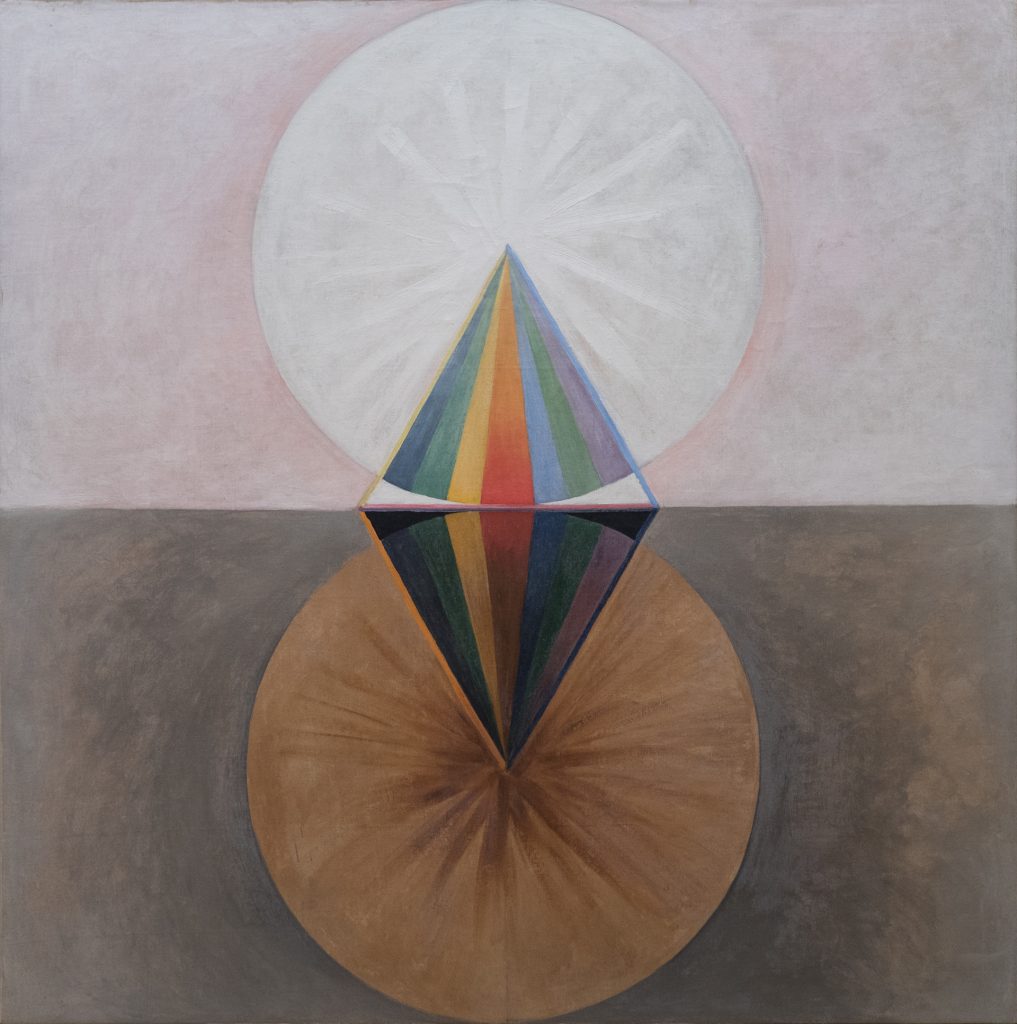
Hilma Af Klint – The Swan, No. 12 (1915)
This theme resonates with Tim Ingold’s (2018) framing of research as “a practice of correspondence”: a sustained, attentive engagement with the people, ideas, and materials we work with. For Ingold, this helps foreground care and curiosity as part of the research process, with research becoming a “labor of love” rather than a “technical operation” (ibid.). This perspective highlights how care and love often sit at the heart of meaningful creative and academic work, with love understood here not only as a feeling, but as a way of attending and responding to what we work with.
Ingold’s emphasis on researching with care, curiosity, and attention invites us to ask how that love and curiosity are shaped over time, and how our viewpoints — formed within wider musical, academic, and personal contexts — inform this practice of correspondence. In other words, if research involves attentive correspondence, then what we notice in correspondence shapes our perspective, and our perspective, in turn, shapes what we notice, respond to, and attend to. Patricia Williamson (2021) helps us explore this idea when she suggests that perception and perspective continually influence one another:
“Perception and perspective, while separate, are entwined because they constantly influence each other in a circular way. Perceptions, the way you sense the world and interpret it, impact on your perspective, your point of view of said world, which again influences your perceptions.” (Williamson, 2021)
As perception moulds perspective, our ongoing, attentive engagement with musical materials and practices, research fields and questions, experiences and understandings, discourses and lived contexts shapes what we come to care for.
The 2026 MMP one-day conference wishes to underline this relationship between love, care, perspective, and perception, and encourages presenters to reflect on the origins and development of their passions in the context of their research projects, and on what love might mean for them in relation to the questions and materials they come to care for as they move towards finalising their Major Music Projects.
Conference Date & Venue: Tuesday 17 March 2026 — Room G08 · Merchiston Campus, Edinburgh Napier University.
References
Ingold, T. 2018. Anthropology Between Art and Science: An Essay on the Meaning of Research. FIELD, A Journal of socially engaged art criticism. Spring 2018 (11).
Williamson, P. 2021. Academic Writing Skills, Chapter 30: Perception and Perspective – The Subjective Writer. Published by the University of Queensland.