

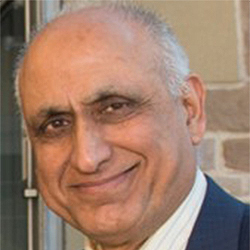
Professor Tariq Muneer has led the developments related to research and teaching of Energy Engineering with a great deal of imagination, vigour and sincerity. The following are a few examples of his personal interest that has led to hardware and software developments that have directly been used in undergraduate, postgraduate and doctoral teaching and research: (i) installation of a (£155k) 16kWp photovoltaic façade, (ii) erection of hydrogen laboratory with electrolyser, six cylinders containing compressed hydrogen and fuel-cell, (iii) three roof-mounted wind turbines, and (iv) four electric vehicle charging facilities that facilitate drivers at all of the Edinburgh Napier University campuses. He has also led the development of many undergraduate and postgraduate modules and programmes related to Mechanical- and Energy Engineering.
Externally, Professor Muneer has provided advice and shared expert knowledge to organisations such as ECOSSE (Scottish Government’s project related to e-vehicle), the City of Edinburgh and other research charities such as SISER, Beltane, Royal Geographic Society, Agder Univeristy (Norway), Granada University (Spain) and University of Maribor (Slovenia). Professor Muneer is involved in a large number of academic and literary activities that include development of innovative teaching, personal research, PhD supervision with 38 completions, delivering keynote speeches, collaboration with a large number of other UK and international universities and helping local schools via visits and talks. He is also a prolific writer with 14 books/chapters in books and over 285 articles.
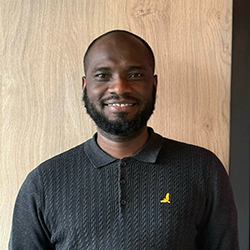
Rasheed Shobande is a Solar Design Engineer with international experience in solar photovoltaic system design and installation across the United Kingdom and Nigeria. He holds an MSc in Renewable Energy from Edinburgh Napier University and currently works in the UK designing residential solar PV systems that support the transition to low-carbon and sustainable energy solutions. Prior to his role in the UK, Rasheed gained hands-on experience in Nigeria’s renewable energy sector, where he was involved in the construction and installation of solar PV systems for residential and small-scale commercial projects. This combined experience in both system design and field installation gives him a practical perspective on delivering efficient and reliable solar energy solutions.
His professional interests focus on advancing solar energy adoption and integratinpractical deployment experience with innovative system design to improve access to clean and reliable energy in both developed and emerging markets.

Dr. Kamyab Givaki is a Technical Director and HVDC leader at WSP, with end‑to‑end experience guiding the strategy and delivery of major energy infrastructure programmes across both regulated and commercial environments. He is recognised for setting delivery strategy and governance, leading multi‑disciplinary teams, and advising senior stakeholders on technology direction, technical risk, commercial readiness, and practical execution pathways for complex interconnector and offshore transmission developments. He has built senior industry experience working with transmission system operators and private offshore wind/interconnector developers and is frequently engaged in client‑facing leadership spanning procurement strategy, due diligence, and assurance for high‑value projects.
His work also includes supporting WSP’s international delivery teams and regional programmes, bringing a pragmatic, outcomes‑focused approach that aligns technical decision‑making with programme delivery, stakeholder expectations, and long‑term system needs. He holds a PhD in Electrical Engineering, underpinning an evidence‑based, systems‑thinking approach to leadership and decision‑making.
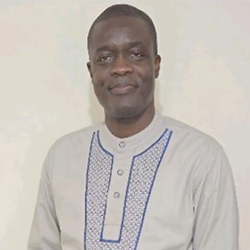
Gideon Babalola Awolola is a renewable energy and mechanical engineer with expertise in project engineering, quality control, and site management within the energy sector. He currently serves as a Site and Quality Control Engineer at Sunel Group, a global EPC company delivering renewable energy projects across the UK and Europe. He holds MSc degrees in Renewable Energy and Project Management and is a recipient of the 2023 CarbonStore Prize Award. Speaker Topic: Ground-Mounted Solar PV Construction Project Quality Control, Key Challenges, and Lessons Learned: A Case Study of the 23 MWp Lawns House Solar Project, Lytham, Lancashire, England.