 Entrepreneurs are often seen as risk-takers, innovators, and leaders, but not all of them operate in the same way. A recent study by our CBISS members, Professor Sukanlaya Sawang, Safiya Mukhtar Alshibani, and Poh Yen Ng reveals that entrepreneurs can be grouped into three key archetypes—Lions, Bees, and Chameleons—each with a unique approach to business, success, and personal well-being.
Understanding these entrepreneurial personalities can help business owners and aspiring entrepreneurs identify their strengths and potential challenges, ultimately leading to better decisions and improved performance.
The Three Entrepreneurial Archetypes
Lions: The Competitive Leaders
Lions are natural-born leaders. They are strategic, ambitious, and competitive, constantly seeking to outperform their rivals and take charge of their industries. Their approach is rooted in the belief that business success is about being the strongest, the fastest, or the most dominant in the market.
Strengths:
- High levels of ambition and strategic thinking
- Strong leadership and decision-making skills
- Competitive mindset that drives business growth
Challenges:
- Can experience high stress and burnout due to constant competition
- May struggle with collaboration if they focus too much on personal success
- Risk of prioritising profits over ethical or long-term considerations
Lions thrive in industries that require bold moves, strategic risk-taking, and aggressive market positioning. However, they need to balance their ambition with sustainable well-being strategies to avoid exhaustion.
Bees: The Collaborative Visionaries
Bees represent a very different type of entrepreneur. Instead of competition, they focus on teamwork, purpose, and creating value for their communities. These entrepreneurs are driven by a strong sense of responsibility, often building businesses with ethical and social goals in mind.
Strengths:
- Strong teamwork and collaboration skills
- Purpose-driven, often building businesses with lasting social impact
- Higher overall well-being due to meaningful work
Challenges:
- Can struggle with profitability if they prioritise social impact over financial sustainability
- May find it difficult to make tough decisions that require competition or assertiveness
- Risk of burnout from trying to satisfy multiple stakeholders
Bees are often found leading social enterprises, purpose-driven startups, and businesses that focus on sustainability and ethical impact. Their ability to create long-term value and trust makes them well-respected, but they must ensure they balance purpose with profit.
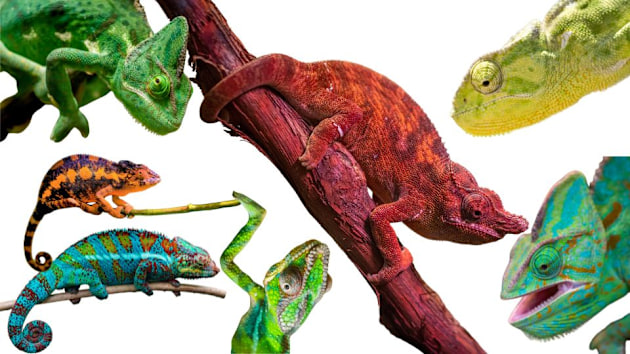
Chameleons: The Adaptable Strategists
Chameleons are the entrepreneurs who can adjust and pivot quickly in response to changing market conditions. They are highly strategic, opportunistic, and pragmatic, often using their ability to blend into different business environments to their advantage.
Strengths:
- Extremely adaptable and able to navigate uncertain or competitive markets
- Skilled in strategy, persuasion, and making the most of available opportunities
- Often successful in fast-changing industries such as tech and finance
Challenges:
- Can be perceived as manipulative or overly opportunistic
- May prioritise personal success over ethical considerations
- Risk of losing trust if their adaptability is seen as inconsistency
Chameleons thrive in industries that require constant evolution, such as technology, digital marketing, and investment. Their ability to adjust and seize opportunities is valuable, but they need to be mindful of ethical decision-making and long-term relationships.
How Entrepreneurial Identity Impacts Success and Well-Being
The study highlights that while all three types of entrepreneurs can be successful, they experience different levels of well-being and business performance.
- Bees generally report the highest well-being, as their work is aligned with personal values and social impact. However, they need to ensure financial sustainability to avoid burnout.
- Lions are highly successful but at risk of stress and burnout, as their relentless pursuit of competition can take a toll on personal life.
- Chameleons tend to achieve strong business outcomes but may face ethical dilemmas that impact their long-term reputation and trustworthiness.
This research suggests that knowing your entrepreneurial identity can help you make smarter decisions about leadership, strategy, and mental well-being.
Applying These Insights to Your Business
- Identify Your Entrepreneurial Style: Are you a Lion, a Bee, or a Chameleon? Recognising your strengths and weaknesses can help you refine your approach to business.
- Balance Your Strengths with Self-Awareness: If you’re a Lion, consider incorporating more collaboration into your strategy. If you’re a Bee, ensure your business model is financially sustainable. If you’re a Chameleon, focus on maintaining ethical and transparent business practices.
- Leverage Your Natural Tendencies: Lions can use their drive for competition to innovate, Bees can strengthen brand loyalty through purpose-driven leadership, and Chameleons can adapt quickly to emerging trends.
Entrepreneurs are not one-size-fits-all. Whether you identify as a Lion, a Bee, or a Chameleon, understanding your entrepreneurial personality can help you navigate the challenges of business ownership more effectively. By playing to your strengths and addressing potential pitfalls, you can build a business that thrives while maintaining your well-being.
So, what’s your entrepreneurial spirit animal? 🦁🐝🦎
To read the full research, please visit: Lions, Bees, and Chameleons: Unravelling the Entrepreneurial Archetypes and Their Impact on Performance and Well-being.
 At CBISS, we are proud to celebrate the recent contributions of our member and them lead