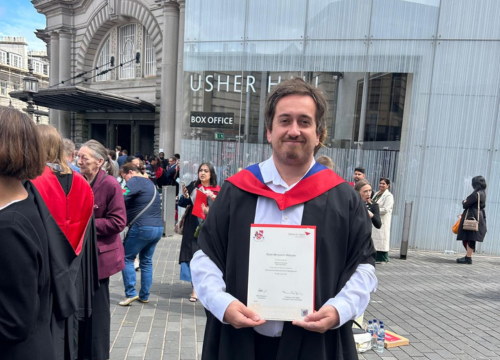
Postgraduate Student Dissertations – Meet Ryan MSc International Festival & Event Management

An Investigation into Social Capital Generated or Impacted by Transformational Festivals

My dissertation studies the relationship between Social Capital (the ties between individuals and within social networks and the trustworthiness and reciprocity that is generated amongst the group as a result) and Transformational Festivals (typically week-long festivals in harsh or challenging environments with an emphasis on co-creation and ritualisation), expanding on previous festival and events literature and deploying a sociological lens within the field of Transformational Festivals. The Research utilised 11 semi-structured interviews over 4 time-zones and thematic analysis to identify and analyse recurring themes. Key findings were a high prevalence of Social Capital building at Transformational Festivals by most respondents, and a belief that powerful connections were built more rapidly than elsewhere. However, there was the understanding that these bonds were often temporal and not likely to expand beyond the festival perimeter, whereas occasionally bonds were not built at all, particularly when attending within a group with pre-defined social dynamics. Although these festivals are typically geared towards to collective experiences, the study found higher than expected levels of individual Social Capital. Finally, interviewees tended to agree that Transformational Festival attendance leads to societal advancement, yet the source of these improvements was disputed with more respondents believing them to be the result of transformational experiences and personal growth, rather than the building of community or social ties, again alluding to the individual dimension.

Read the full dissertation from Ryan Webster, MSc International Festival & Event Management

33rd Nordic Symposium on Tourism and Hospitality Research

From the 17th-19th September, I had the pleasure of attending the 33rd Nordic Symposium on Tourism and Hospitality, hosted by the Centre for Regional and Tourism Research (CRT) on the island of Bornholm, Denmark, under the theme “The transformative power and potential of tourism”.  The Nordic Society for Tourism and Hospitality Research (Northors), who organise the annual Nordic symposium, provides a platform for the development of hospitality and tourism in Nordic countries- Denmark, Sweden, Finland, Norway and Iceland, and surrounding areas in a European and global context.

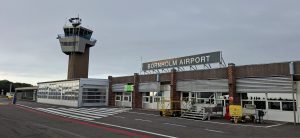
picture of airport

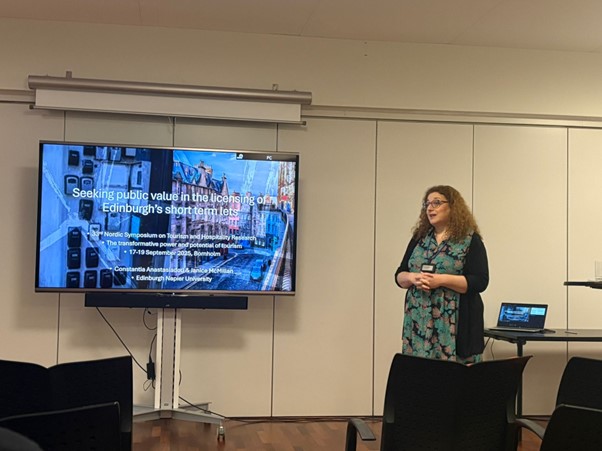
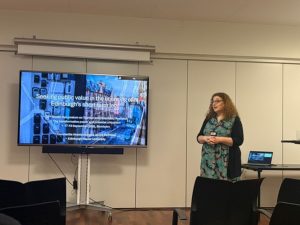
I presented findings from a public engagement activity on how making souvenirs at the destination can support visitor environmental education, with Drs. Xinguyu (Chloe) Tao and Sam Vettese from the School of Design at Edinburgh Napier University.  I presented a second paper titled seeking public value in the licensing of Edinburgh’s short term lets from my interdisciplinary work with Dr. Janice McMillan, Human Resource Management Group, at Edinburgh Napier University. Both papers were very well received and led to some very engaging conversations about what we truly value in tourism and its transformative potential for destinations, businesses, visitors and individuals. I was able to reconnect with researchers from Denmark and make new connections with participants from Finland, Norway and Scotland!

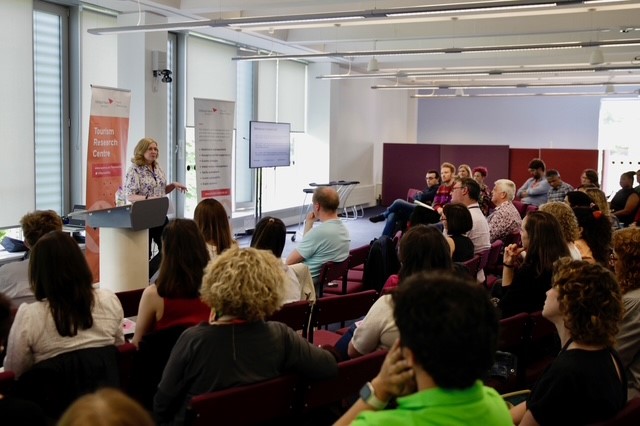
Professor giving presentation

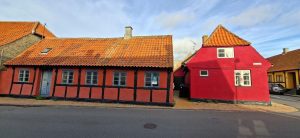
The island setting was significant for the conference – Anders Wiberg, director of destination Bornholm Forside – Destination Bornholm ApS – vi arbejder for turismen) discussed how the island has  positioned itself as a year-round destination for visitors, capitalising on nature, music and the island’s reputation as Denmark’s leading gastronomy destination.

The Green Solution House Hotel (GSH) which was the conference venue, is a global pioneer of sustainable hotel operations and design, named by The Guardian (UK) as one of the most sustainable hotels in Europe in 2021.

One of our evening activities involved setting on an island food tour, where we were lucky to sample locally produced drinks and participate in an interactive session with local entrepreneurs on the future of Bornholm as a food destination.

Additionally, Bornholm is a Maker’s Island. It has a vibrant arts and craft scene and is the first place in Europe and first island in the world to be designated World Craft Region, for producing unique handicrafts.

Edinburgh Napier Visiting Professor, Greg Richards, provided one of the keynote presentations entitled (Transforming Culture In the Curated Countryside) as part of the CROCUS project (www.crocus.europe.eu) around the transformation of tourism and experiences in rural areas through the transfer of gentrification processes usually associated with urban development.  Another highlight of the conference was the panel conversation “Enough with the rhetoric: How can we effectively work with tourism’s growth and challenges in the years to come?  considered how the work academics can inform broader discussions around the value of tourism and tourism policy priorities.

During the gala dinner, we enjoyed local folklore and storytelling accompanied by traditional Danish bagpipe music. The similarity to Scottish bagpipes was hard to miss and much of the island setting, pride in local food, heritage and cultural tradition, also served to remind us, how tourism can transform places and people if managed thoughtfully and with the local community at the driving seat.

Written by Professor Constantia Anastasiadou

Meet the Visiting Professor – Dr Greg Richards

Travel is part of my DNA. I started travelling at a time when Brits still looked at you strangely if you had a suntan. As tourism became a mass phenomenon, I also took full advantage, travelling around Europe and kicking off my career as a research assistant on a PhD project with Chris Devereaux in the Algarve. I went on to work in the industry with my father, who had worked in airlines and hotels, and had set up a tourism research and marketing consultancy (TRAM), which I am still running today.

I was also lucky enough to start my academic career at a time when the EU was beginning to support Erasmus exchanges. That allowed me to meet lots of researchers from different countries and backgrounds, which eventually took me to the Netherlands to work at Tilburg University. In those days, teaching was still in Dutch, so of course I had to learn the language as well. That was my gateway into the culture, and an important basis for learning other languages later on. I set up the Association for Tourism and Leisure Education and Research (ATLAS), which generated yet more international contacts. ATLAS also brought me in touch with Napier, who has been a key member of the network for almost 20 years now. Napier staff were active participants in the ATLAS Cultural Tourism Research Project, and it was cultural tourism that took me to Spain in 2003, with a Marie Curie Post-Doc on festivals in Catalunya. I worked at the Interarts Foundation in Barcelona for a few years and also moved TRAM to Spain.

Coming back to the Netherlands a few years later, I had more contact with Napier, via events research. As my work developed around ‘eventful cities’, Edinburgh became a natural focus for collaboration. From Breda University, we sent groups of students (178 in 2012!) to Edinburgh, where they were ably hosted by Napier staff. The events’ connection with Napier continued through the ATLAS Events Special Interest Group, for which Napier organised a meeting in 2020. Unfortunately, this was during Covid, so I didn’t actually get to Edinburgh! But I did supervise David Jarman’s PhD thesis on Social network analysis and festival relationships together with Jane Ali-Knight. One thing I love about being linked to Napier is catching up with other old friends. These include fellow Visiting Professor Brian King on many research projects over the years, Angela Chu, who worked with Brian and I on cultural tourism and placemaking in the Greater Bay Area of China, and Afiya Holder, who I collaborated with at the UNWTO.

Written by: Professor Greg Richards

44th International Society of Travel & Tourism Educators (ISTTE) annual conference, “Tailored experiences: The future of hospitality and tourism industry and education” Recap

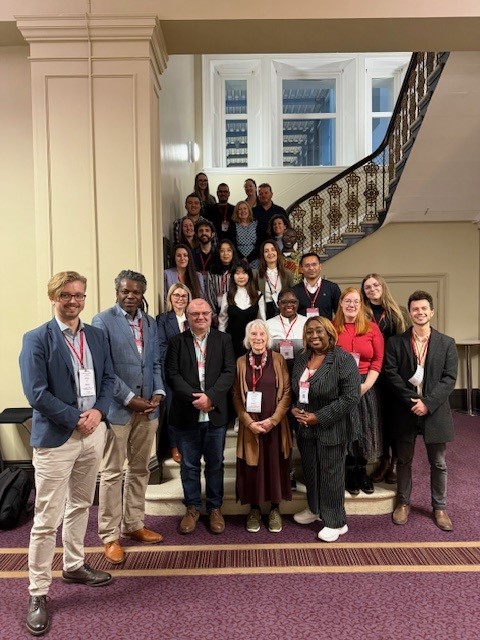
The 44th Annual Conference of the International Society of Travel and Tourism Educators (ISTTE) was held from October 22-24, 2025, at The Business School at Edinburgh Napier University. The event was in-person; there was no virtual component. This delivery modality allowed 46 registered participants worldwide to connect and share research and best practices in travel and tourism education.

The theme for the two-and-a-half-day conference was “Tailored Experiences: The Future of Hospitality and Tourism Industry and Education.” The conference featured a range of engaging sessions and events. To open the conference, attendees networked at a welcoming reception and facilitated group dinners nightly throughout Edinburgh. The following day began with welcoming remarks from the host institution’s leadership, Deputy Dean Paul Barron and ISTTE President Nicholas Thomas, followed by a keynote session by Dr. Gary Kerr (Atlantic Technological University), who provided insights into creativity and innovation in tourism and events education. Day two ended with an engaging special feature session with JTTT providing a practical guide for authors, reviewers, and academic contributors. The final day provided a unique backdrop overlooking Arthur’s Seat with engaging presentations from keynote Murat Kizildag (University of Central Florida), who discussed a financial dotplot of investing in experiences, as well as a special feature session with Timothy Flohr (University of Memphis), who provided a strategic approach to realigning industry and academia.

The program included 22 stand-up presentations covering a variety of pedagogical topics as well as five workshops designed to enhance participant knowledge across other topics relevant to our membership. All presentations were face-to-face, and this modality will continue until further notice

A unique feature of the ISTTE conference is its attendee workshops. This year, participants were able to participate in engaging workshops related to, among other things: (a) expanding access to the industry, (b) flipped and experiential classrooms, (c) team-based learning approaches, (d) designing ELITE experiences for career-ready graduates, and (e) post-graduate students and sustainability.

The conference recognized several outstanding contributions to advancing the goals of ISTTE. Kara Wolfe (Missouri State University) won the Martin Oppermann Lifetime Achievement Award, and Edmund Goh (Les Roches) won the Heidi Sung Achievement Award. Additionally, Les Roches received the Institutional Achievement Award. Two deserving students were presented with scholarships to support student educational endeavors: graduate student Nikol Lopez Llantuy from Iowa State University and undergraduate student Liraysa Ponson from Breda University of Applied Sciences.

The Journal of Teaching in Travel and Tourism (JTTT) 2024 Best Paper Award went to Drs. Feri Ferdian, (Universitas Negeri Pedang), Mohd Salehuddin Mohd Zahari, Mohd Onn Rashdi Abd Fatah, Zuraini Mat Issa, and Mohd Hafiz Hanafiah (Universiti Teknologi MARA) for their paper entitled “Investigating the Effectiveness of Conventional Hosptality Education Curriculum in Shaping Millennials’ Career Commitment: An Empirical Inquiry.” The JTTT 2024 best reviewer award went to Dr. Elizabeth Whalen (Middle Tennessee State University). The conference also featured several notable paper awards:

  • Best Paper: “Beyond the Plate: Cultivating Work-Life Balance in the Hospitality Industry” by Sasi Gangiah
  • Best Workshop Paper: “Beyond Internships: Designing ELITE Experiences for Career-Ready Graduates in Hospitality, Tourism, and Culinary Education” by Timothy Flohr and William Mullins
  • Best Working Paper: “Visualizing the Sequence of Service AI-Generated Flowcharts” by Sarah Belanger and Edmund Goh
  • Best Pecha Kucha Paper: “AI in Hospitality and Tourism: Rewriting the Customer Journey” by Annamarie Sisson, Rui Costa, Minwoo Lee, and Billy Bai

The 44th ISTTE Conference continued the return of exclusively in-person gatherings for the travel and tourism education community. A resounding success, the conference showcased innovative research and teaching practices through insightful sessions, valuable networking opportunities, and a celebration of excellence with the awards ceremony. As always, the hallmark of an ISTTE conference, the strong sense of community, fostered a ‘family and friends’ atmosphere throughout the event. Attendees left feeling energized and inspired to continue pushing the boundaries of tourism education.

I am especially grateful for the efforts of the ISTTE Board of Directors in planning this conference. Special mention goes to Dr. Annamarie Sisson (Edinburgh Napier University) and Dr. Cora Wong (Macao Polytechnic University). Dr. Sisson tirelessly executed the logistics of hosting the conference at Edinburgh Napier University, while Dr. Cora Wong was responsible for the conference paper review process.

The 45th annual ISTTE conference will take place in mid-October at Breda University of Applied Sciences. The theme for this year is yet to be determined. As always, travel, tourism, and hospitality educators, researchers, graduate students, and destination and industry practitioners are welcome to join us in Breda, Netherlands. We are open to a variety of contributions, including research papers, case studies, curriculum modules, teaching methods, and other original work about the theme. There will be four award categories: Best Paper, Best Working Paper or Poster, Best Case Study, and Best Workshop. Authors of exceptional papers will be invited to submit their work to the Journal of Teaching in Travel and Tourism. On behalf of the entire ISTTE board, I look forward to seeing you in Breda. For more details on the conference, including the Call for Papers and program information, please visit: https://istte.org/

Disclosure statement: No potential conflict of interest was reported by the author(s).

Written by: Dr. Annamarie Sisson (they/them), Lecturer

How the Edinburgh Festivals make the city a better place to live, work and play in

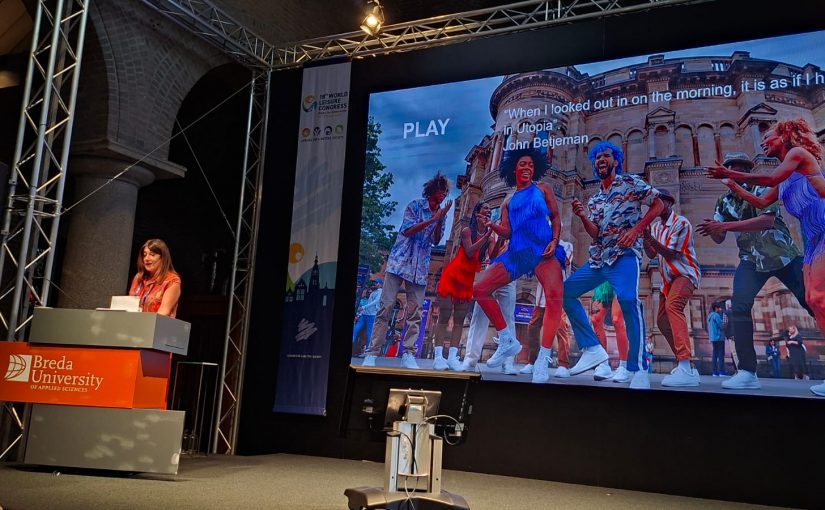
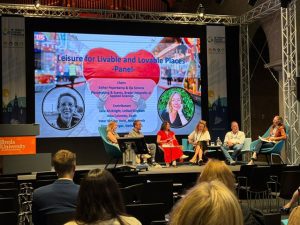
The World Leisure community gathered in Breda for the 18th World Leisure Congress: Leisure for a Better Society, held from August 25-28, 2025, bringing together over 400 participants and experts in the field from 40 countries. With a full program of inspiring sessions, vibrant poster presentations by emerging scholars, and the World Leisure Awards Ceremony, the event celebrated individuals and organizations driving leisure as a force for inclusion, human growth, and social transformation.

conference

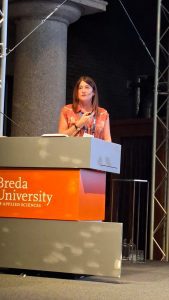
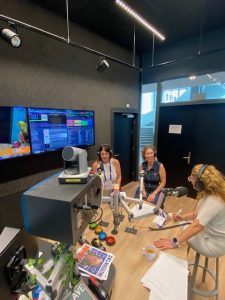
Professor Jane Ali-Knight sat on a panel discussing ‘The role of leisure in creating livable and lovable places’; participated in a WLJ Podcast and delivered one of the conferences keynote sessions titled: Fringe benefits: how the Edinburgh Festivals make the city a better place to live, work and play in. Drawing on recent research, examining Fringe Festival Networks in Perth, Adelaide and Edinburgh, Jane has been involved in with ENU colleague David Jarman and other academic collaborators from Australia, she delivered an interactive and informative presentation highlighting how the festivals contribute to the wellbeing of the city.

There is little doubt that the festivals significantly contribute to making Edinburgh a better place to live, both culturally and economically. They bring in visitors, boost local businesses, create jobs, and enhance the city’s global reputation which in turn generates soft power. The festivals also offer residents a variety of cultural experiences and contribute to their quality of life. Festivals also have a positive social impact on local communities: building community cohesion, offering positive emotions and shared connections, promoting social interaction and cultural exchange, and contributing to a general sense of wellbeing, especially in turbulent times (Yolal et al. 2016).  The 2025 Edinburgh Fringe sold over 2.6m tickets featured 3,893 shows across 301 venues, and hosted performers from over 60 countries.

 It is a myth that Edinburgh’s residents are anti the festivals. More residents support than oppose them with large numbers actively participating in and/or attending events. The latest study by BOP Consulting (2023), which surveyed 22,000 people – shows that the Edinburgh Festivals continue to be Scotland’s world-leading cultural brands. Recent studies show that a substantial percentage of residents believe the festivals make Edinburgh a better place to live and are ‘Loved by locals’. Around 1.5m festival attendances are local residents (that is c50% of total audience) while 89% of Edinburgh residents say that the festivals increase local pride in their home city.


Beyond direct employment, festivals play a critical role creating work and supporting many thousands of jobs for wider service businesses and local traders. The festivals alone create the full-time equivalent of 5,850 jobs in Edinburgh. This sector together with arts, entertainment, recreation and other services are significant employers in the city, accounting for 44,000 jobs between them. (Edinburgh Festival City, 2022).

Finally, festivals are playful…. one month of the year the city takes on a joyous carnival atmosphere which tens of thousands of locals join in. They are escapist and bring joy and laughter to communities, and the places in which they reside. It’s a privilege having so much world class, innovative art on our doorstep.

So, as the planning cycle begins for the 2026 festivals, amid a background of public funding cuts and drops in sponsorship revenue, rising inflation and production costs, cost-of-living challenges, and shortages of skilled labour and materials, the organisers of Edinburgh’s world leading events will have to assert the contribution of its festivals make to Edinburgh making it a better place to live. Echoing a Guardian writers’ opinion…’Cultural institutions like the fringe are about more than making money and stars. In our age of disinformation, artificial intelligence and alienation, such gatherings of people, talent and ideas are more vital than ever’ (2025).

Note: The 2025 Best Poster Award was presented to Dr. Afiya Holder for her outstanding presentation on Reimagining Leisure as a Tool for Inclusivity and Social Cohesion: The Transformative Potential of African-Caribbean-Scottish Shared Cultural Heritage Tourism.

Written by Dr Jane Ali-Knight

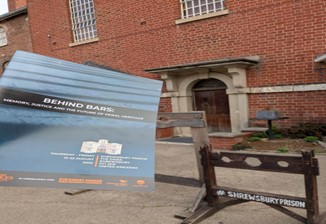
Behind Bars: Memory, Justice, and the Future of Penal Heritage Symposium

The “Behind Bars: Memory, Justice, and the Future of Penal Heritage” symposium took place on 21–22 August 2025 at Shrewsbury Prison. The event, led by Dr Brianna Wyatt (Oxford Brookes), Dr Rachael Ironside (RGU), and Professor Craig Wight (ENU) and hosted by Joel Campbell of the Cove Group drew an international audience of academics, practitioners, and museum professionals. The symposium represented a unique forum for cross-disciplinary debate on how penal heritage intersects with memory, justice, ethics, and dark tourism.

The setting itself was significant and helped to shape the discussion. Shrewsbury Prison, known as “The Dana,” first opened in 1793. It was rebuilt in the Victorian era before finally closing in 2013. Over its long history, it housed debtors, witnessed public and private executions, and served as a Category B men’s prison. It now operates as a heritage attraction, managed by the Cove Group. It serves as an events venue, where tours, education programmes, and commercial uses highlight the tensions between punishment, memory, and reuse. Presenting and debating inside a decommissioned prison served as a reminder to delegates that penal heritage is not abstract. Rather, it is embodied, emotional, and tied in with the stories that such institutions have often rendered invisible.

Keynote contributions by Dr Justin Piché (University of Ottawa) and Bev Baker (National Justice Museum) anchored the symposium. Justin Piché interrogated the ways prison narratives are constructed and consumed, while Bev Baker offered a critically-informed curatorial perspective on the balance between commemoration and commodification. Delegates repeatedly pointed to the value of such talks, and as one put it, “it was great to see some really excellent, critically-informed curatorial practice.”

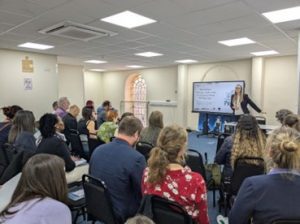
symposium

The programme featured parallel panels on themes ranging from penal heritage in the experience economy to the ethics of repurposing decommissioned prisons, and from punishment exhibitions to prison narratives on screen. The mix of papers gave participants space to consider both theoretical insights and practical challenges, with one attendee noting, “the most valuable takeaway is the recognition that narratives—whose voices are included, how stories are told, and for whom, are central to every form of prison reuse.”

Delegates valued the opportunity to network and collaborate, and they welcomed the diversity of perspectives. Others emphasised the personal inspiration gained, noting that even without presenting they left inspired and with new points of contact.

Feedback highlighted the event’s influence on future practice. For museum professionals, it sharpened their awareness of the ethics of penal heritage interpretation, and the risks of reducing complex histories to tourism products. For academics, it reinforced the need to bridge disciplinary divides, connect with practitioners, and confront tensions between profit, ethics, and participation.

Looking ahead, the symposium is expected to generate an edited volume of contributions, and to provide the foundation for a collaborative funding bid, ensuring that the conversations sparked in Shrewsbury carry forward.

Delegates left with stronger networks and sharper insights, but with a collective recognition: whilst penal heritage will always be about buildings and history, it is also about memory, justice, silences, and how we choose to remember, interpret, and engage with difficult pasts.

Written by Professor Craig Wright 

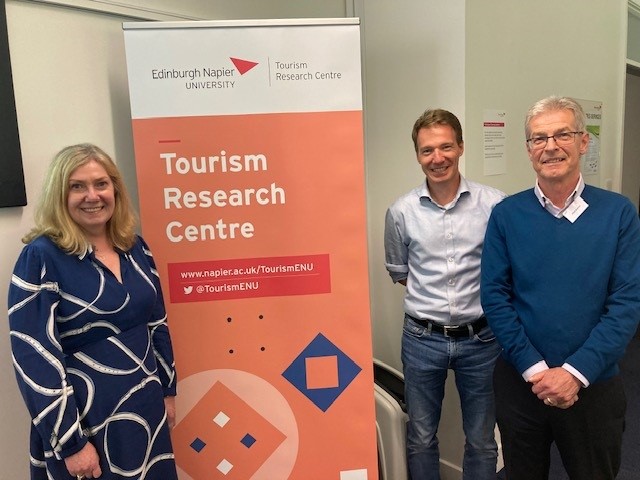
Celebrating 3 Years of the Tourism Research Centre at Edinburgh Napier University

This month marks a significant milestone for the Tourism Research Centre (TRC) at Edinburgh Napier University as it celebrates its third anniversary. Since its launch in 2021, the Centre has established itself as a hub of impactful and collaborative research in the field of tourism and has not only met but exceeded many of its Key Performance Indicators (KPIs), delivering on its ambitious vision to be a leading voice in tourism research locally, nationally, and globally.

The Centre was conceived with a clear mission: to produce and disseminate high-quality, impactful research that supports sustainable, inclusive, and resilient tourism development. True to this mission, the TRC has led and contributed to numerous interdisciplinary research initiatives focused on, for example, sustainable destination development, community engagement and placemaking, visual methods research and economic impact in the tourism sector. The TRC has also played a vital role in supporting postgraduate research, mentoring early-career researchers, and providing students with opportunities to engage in applied research projects.

A key strength of the Centre has been its commitment to working collaboratively. Over the past three years, the TRC has extended and built strong partnerships with a range of external organisations including VisitScotland, the British Council, UNESCO and Edinburgh Tourism Action Group. These collaborations have enabled the Centre to co-create research that directly informs policy and practice, contributing to a more sustainable and resilient tourism industry.

The TRC has also fostered vibrant relationships with researchers from across the UK and internationally. Drawing on the expertise of Edinburgh Napier colleagues, the Centre has brought together a multi-disciplinary team of academics and research students from, for example, the School of Arts & Creative Industries and the School of Applied Sciences. We also work closely with our Visiting Academics from around the world, whose insights help to expand our global reach and academic exchange. These partnerships have enriched the Centre’s research output and extended its influence across academic and professional communities.

Among the Centre’s notable achievements are a series of high-impact publications, successful funding applications, commercial projects and the delivery of knowledge exchange events and workshops that have brought together academics, industry leaders, alumni, research students and policymakers. This year’s annual Symposium on Innovative Practice in Business Events will be held on 24th June. Our LinkedIn page is an active platform for engagement and dissemination, featuring a fortnightly blog written by our researchers, research students, alumni, and visiting academics — sharing knowledge, best practices, and innovative ideas with the wider tourism community. Please follow the for all our news.

Looking ahead, the TRC remains focused on its core themes of sustainable tourism destinations; cultural heritage management; wellbeing and health tourism; critical studies in tourism; and sustainable festival and event experiences. The Centre is well positioned to continue its leadership in tourism research, particularly as the industry navigates the complex challenges of climate change, evolving consumer behaviour, and technological disruption.

This milestone year is also a moment of transition, as I will retire at the end of August 2025. I was delighted to be appointed as Lead in 2022 and have thoroughly enjoyed shaping the Centre’s vision and success, working with colleagues, businesses and organisations to build a centre of excellence in tourism research. I leave the TRC in the very capable hands of my colleagues – more on this in a blog towards the end of the summer.

As we celebrate this three-year milestone, we extend our thanks to all the collaborators, supporters, and researchers who have contributed to the Centre’s success. The journey so far has laid a strong foundation for continued interdisciplinary growth and impact, and we look forward to what the future holds.

Anna leask headshot

Written by Professor Anna Leask, Tourism Research Centre Lead

Future-Proofing Travel: A Journey from Ideation to Publication

Caroline Bremner, Senior Head of Travel and Tourism at a global market research company, and ENU Alumni, has recently launched her book, ‘Future-Proofing Travel: How to Create a Resilient and Sustainable Industry.”

In March, I published my book – Future-Proofing Travel: How to Create a Resilient and Sustainable Industry. The opportunity came about after 28 years of working in travel research for a global market intelligence company. In my role, I’ve been analysing trends and impacts such as 9/11, the Global Financial Crisis and the pandemic. Travel is on the frontline of converging factors including macro-economics, geopolitics, digital transformation, changing consumer behaviours, demographics and the net zero transition. It is a vital economic pillar creating 348 million jobs and generating USD11.4 trillion in 2024, according to the World Travel and Tourism. Yet it faces significant challenges to transform and decarbonise or face an existential threat.

In December 2023, I was approached by a business and academic publisher. I had just lost my cousin to cancer, so I jumped at the chance to embark on a deep dive into the industry that I’ve been passionate about since working as a tour guide for the National Trust at Brodie Castle during the school holidays. The part time job was a way to earn money, meet people from different countries, share the stories of Scotland whilst practising my languages. Who wouldn’t love working in travel and tourism?

After my proposal was submitted and approved, I spent 5 months writing and researching the book, including conducting interviews with 30 global industry experts. Every interview revealed new perspectives and spurred me on thanks to the passion and purpose of these talented interviewees. They included global sustainable tourism leaders, changemakers, social impact entrepreneurs, digital technologists, conservationists and even an ‘accidental hotelier’.

It was a truly family affair: my son helped me with data permissions and sourcing; my daughter was a sounding board for ideas especially of Gen Alpha and my husband contributed some beautiful ink drawings, illustrating the transformation of a tree through its lifecycle. Their input and support were vital, seeing as the book took a significant amount of my time, writing after work in the evenings and all weekend.

My editor equally played a critical role in terms of the editorial approach, guiding me through each stage of the book research where I submitted chapter batches and incorporated her invaluable feedback.

By August 2024, the manuscript was wrapped up, along with everything signed off for data permissions and interview quotes. The next six months were given over to the publisher to finalise proofreading, production, marketing and publication.

The book launched internationally on 3 March 2025, with the Americas following later in the month. I was in Berlin for ITB Berlin – a major travel conference – and it was a great moment to know that the hard work was over, and a new chapter was beginning.

The past year has been a rollercoaster, balancing different work and family commitments to meet deadlines. Overall, I’m pleased with the result and met some amazing people in the process. Whether it will be on the Amazon best-seller list, we will need to wait and see!

Get your copy here: https://linktr.ee/futureproofingtravel

Discount code: KOGANPAGE25

Getting ready for Web3: Edinburgh Tourism industry workshops a TravelTech future

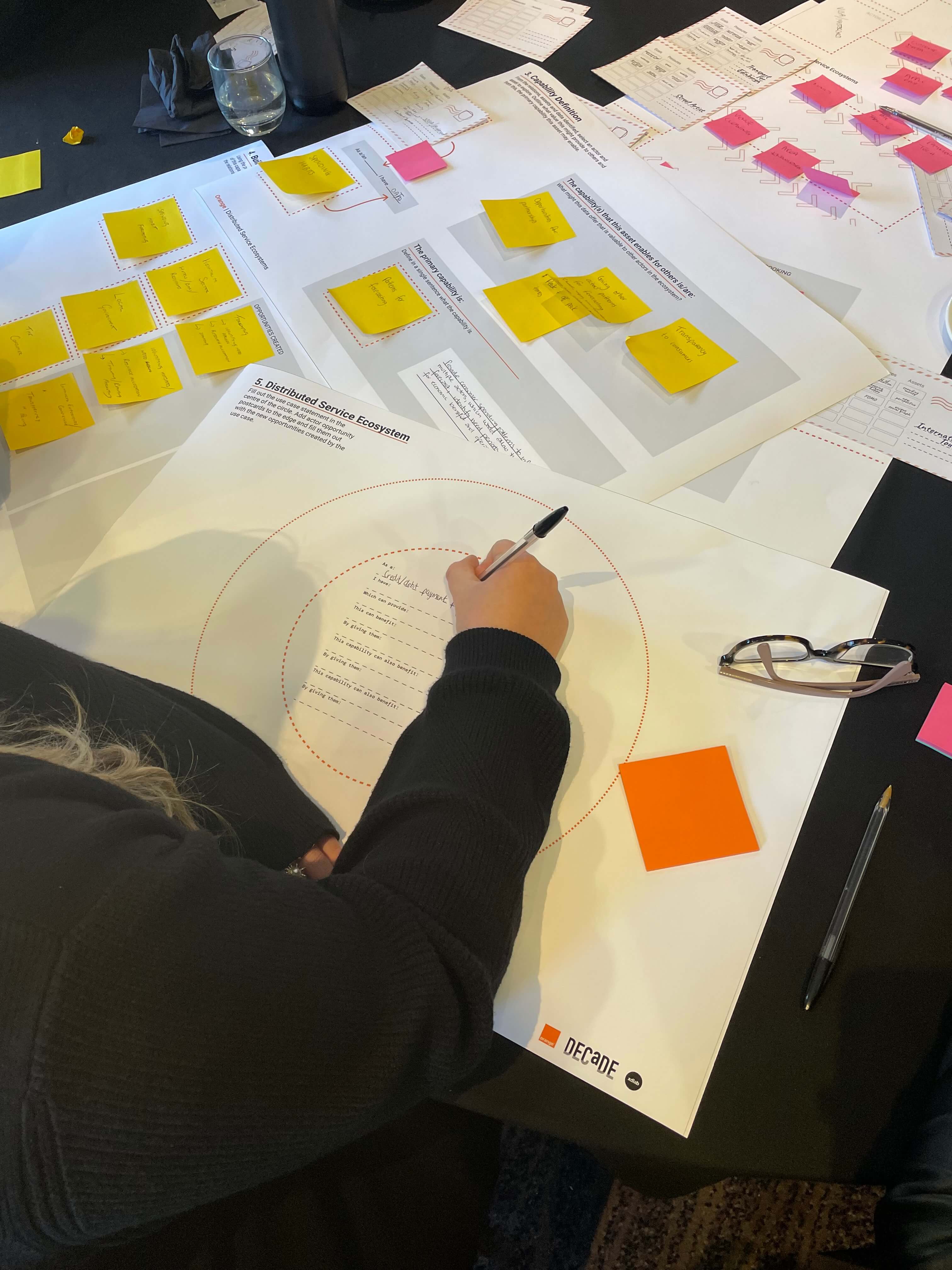
Last week Dr. Afiya Holder joined key tourism and hospitality professionals in a workshop hosted by Traveltech for Scotland,  Orange xdLab and the University of Edinburgh’s ‘DeCaDE’ Centre. The session aimed to explore how Edinburgh’s tourism stakeholders can leverage digital transformation and the possibilities of Web3 to unlock new opportunities and enhance transactional experiences for tourists and suppliers.

The tourism sector is constantly evolving with one of the most recent advancements emerging at the intersection of travel technology and Web3. This reality has prompted the event hosts to send a call out for Edinburgh’s experts to share insights on future possibilities for the region. However, one key question sparking the curiosity of all attendees was: What is Web3 and how is it used or could be used among the different stakeholders?  Some stakeholder opinions revealed: 

“I am just here to poke my nose in as I am really curious about it all….” 

“I am curious and a bit sick, to be honest, people fear for their jobs, people fear that we may lose the human touch in hospitality… but I challenged myself to come after attending Joshua Ryan-Saha’s [Traveltech for Scotland] webinar introducing this phenomenon”. 

Unanimously, attendees admitted being in a conundrum battling between, ignorance, curiosity, fear and eagerness for digital preparedness and readiness. Nonetheless, the collective curiosity and desire to position Edinburgh’s tourism as a prime contender for innovative practice created the right recipe to combine talents, knowledge and expertise to leverage digital transformations occurring in Traveltech and Web3.

Dr Holder mentioned some benefits during the discussions: “Digital transformation in tourism is inevitable and leading the trail has significant benefits for tourists, operators and residents alike. For example, megaevents such as the Olympics are already exploring Web 3 e-ticketing solutions that have positive implications for secure identity management, tokenisation and sustainable waste management.” 

Web3 in a Nutshell

Often referred to as the “Decentralised Web”, Web 3 encompasses blockchain technology, artificial intelligence, privacy and security in an equitable and fair online environment that is more user-centric. To date, we have seen Traveltech and Web3 revolutionize seamlessly how we search, compare and book multiple travel transactions, for example, utilising one platform to book hotels, airfare, car rentals, and tours encouraging more transparency in pricing and available options. Other examples include the use of AI, virtual reality (VR), and augmented reality (AR) to enhance user experience with capabilities for customisation and real-time immersion.

Getting Web3 Ready

In true innovative style, the hosts moderated a creative, design-thinking, roundtable-style workshop. This approach encouraged a cross-section of Edinburgh’s tourism, hospitality and event experts to explore creative solutions and potential use value for Web 3. The top 3 reflections from the discussions include:

  • The importance of understanding the tourism ecosystem, its Stakeholders, Pressures and Collective Goals to exist, thrive and compete in an evolving Web 3 landscape.
  • Delving deeper into Prioritizing Relationships and how decentralised possibilities can benefit each stakeholder based on their assets and capabilities.
  • Leveraging key Capabilities of primary and secondary stakeholders for enhanced tourist experience, increased economic benefit and consideration for sustainable and efficient operations.

Towards an Innovative Future

The day of discussions ended on a positive and hopeful note. The partnerships and connections cultivated in the room were essential. Tourism academics left with a stronger appetite for further collaborative research explorations. Edinburgh’s tourism industry practitioners expressed satisfaction, and greater awareness and felt more prepared to embrace and leverage the future possibilities of Web 3 and Traveltech in a decentralised tourism ecosystem.

The Tourism Research Centre has tourism scholars who specialise in research on Digital Transformations in Tourism, for more insights on the topic or collaborative opportunities see link for more information.