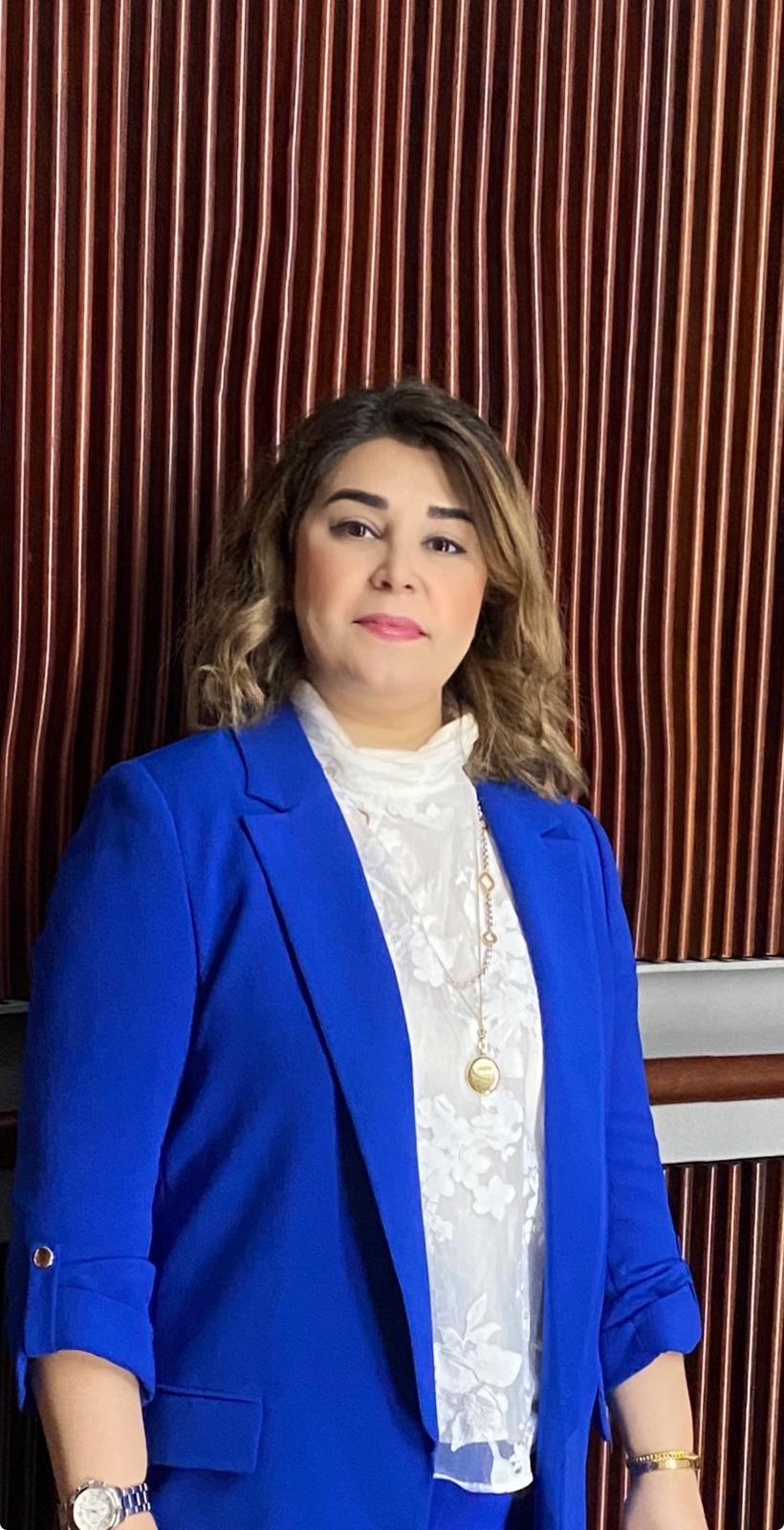
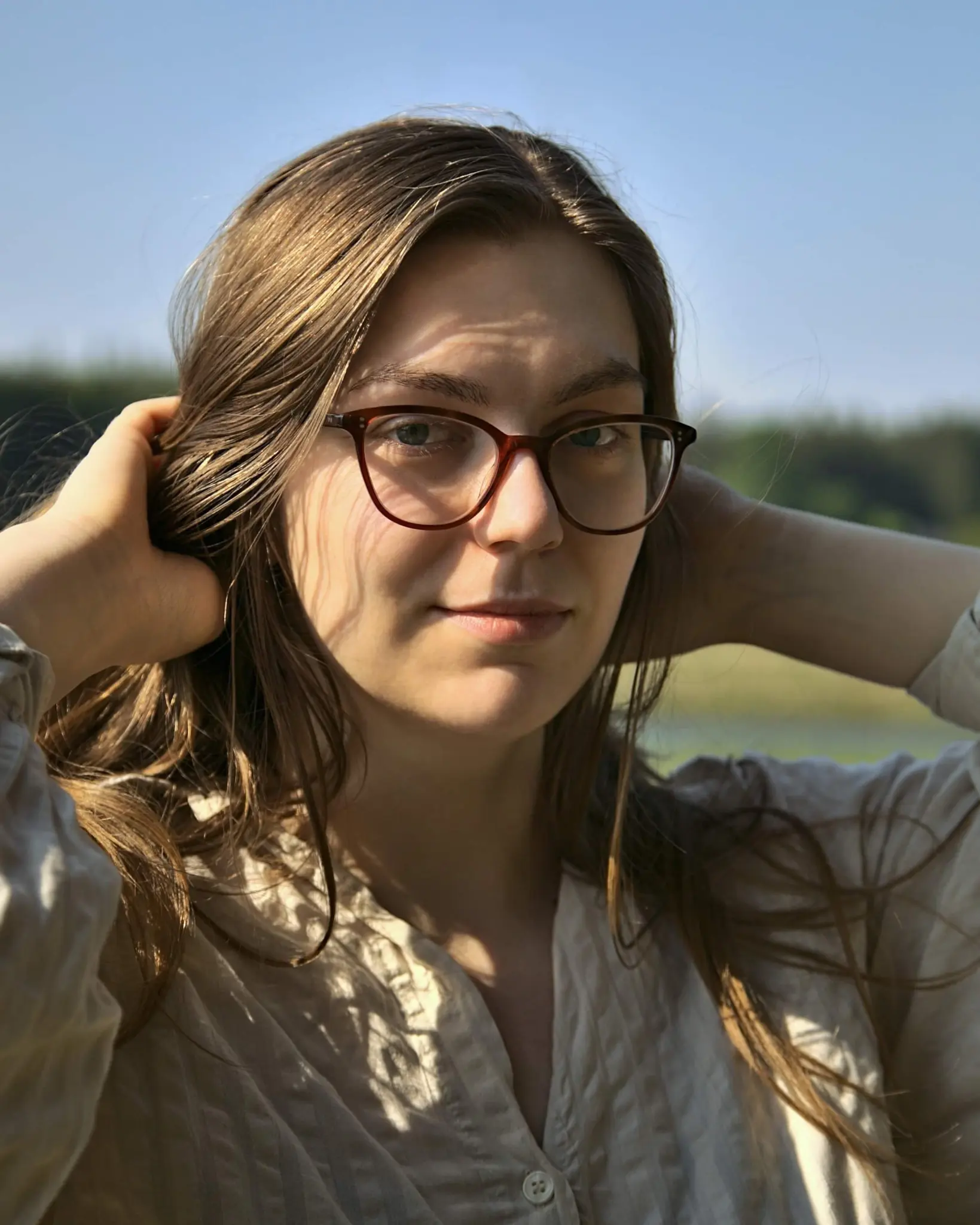
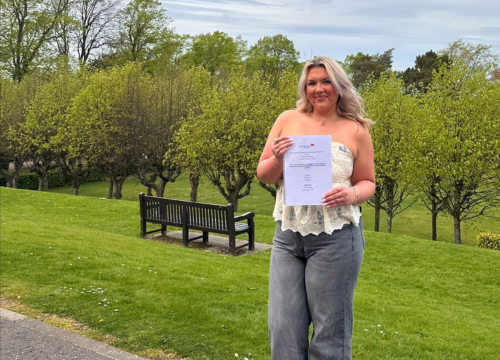
Undergraduate Student Dissertations – Meet Bethany BA (Hons) International Hospitality Management with Festivals and Events

Why not Scotland? An investigation of music festival attendance motivations and barriers amongst Scottish residents.

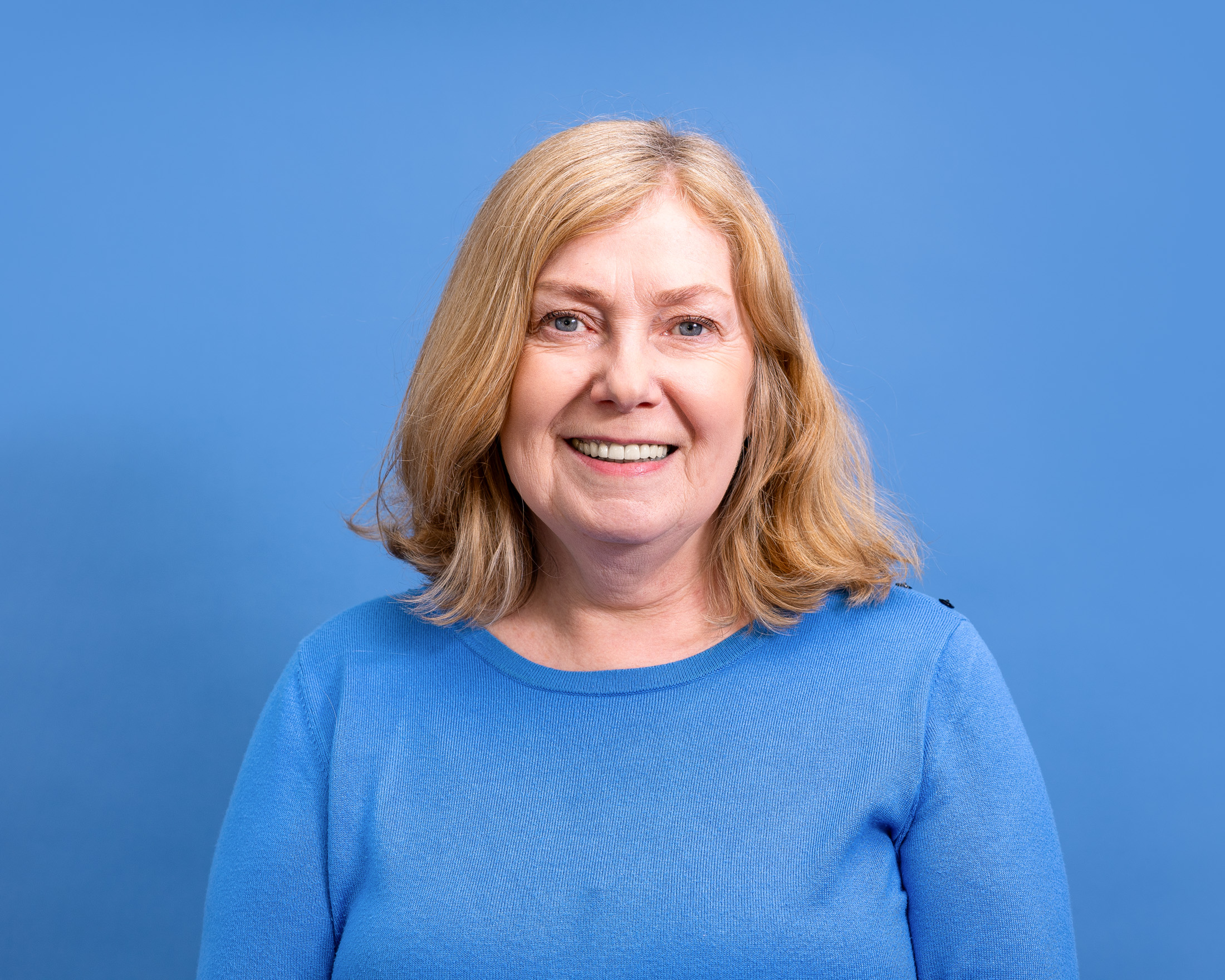
“Scotland possesses a proud musical heritage, yet many residents continually travel south to attend major music festivals in England. My dissertation explores the motivations behind this trend and the barriers discouraging festival attendance in Scotland. Using a quantitative survey of 90 Scottish residents, I identified that strong artist line-ups, immersive atmospheres, and social experiences are key drivers of attendance. Conversely, limited line-ups, poor weather, and lack of camping options were significant deterrents for Scottish festivals. Despite these challenges, there is clear enthusiasm regarding Scottish festivals if such improvements are made. My research offers practical recommendations for organisers such as enhancing infrastructure alongside creating deeper immersive experiences, to help Scotland compete more effectively in the UK’s vibrant festival landscape. This work aims to support the sustainable growth of Scotland’s music festival industry through a greater understanding of audience needs.”

Read the full dissertation by Bethany Tait, BA (Hons) International Hospitality Management with Festivals and Events

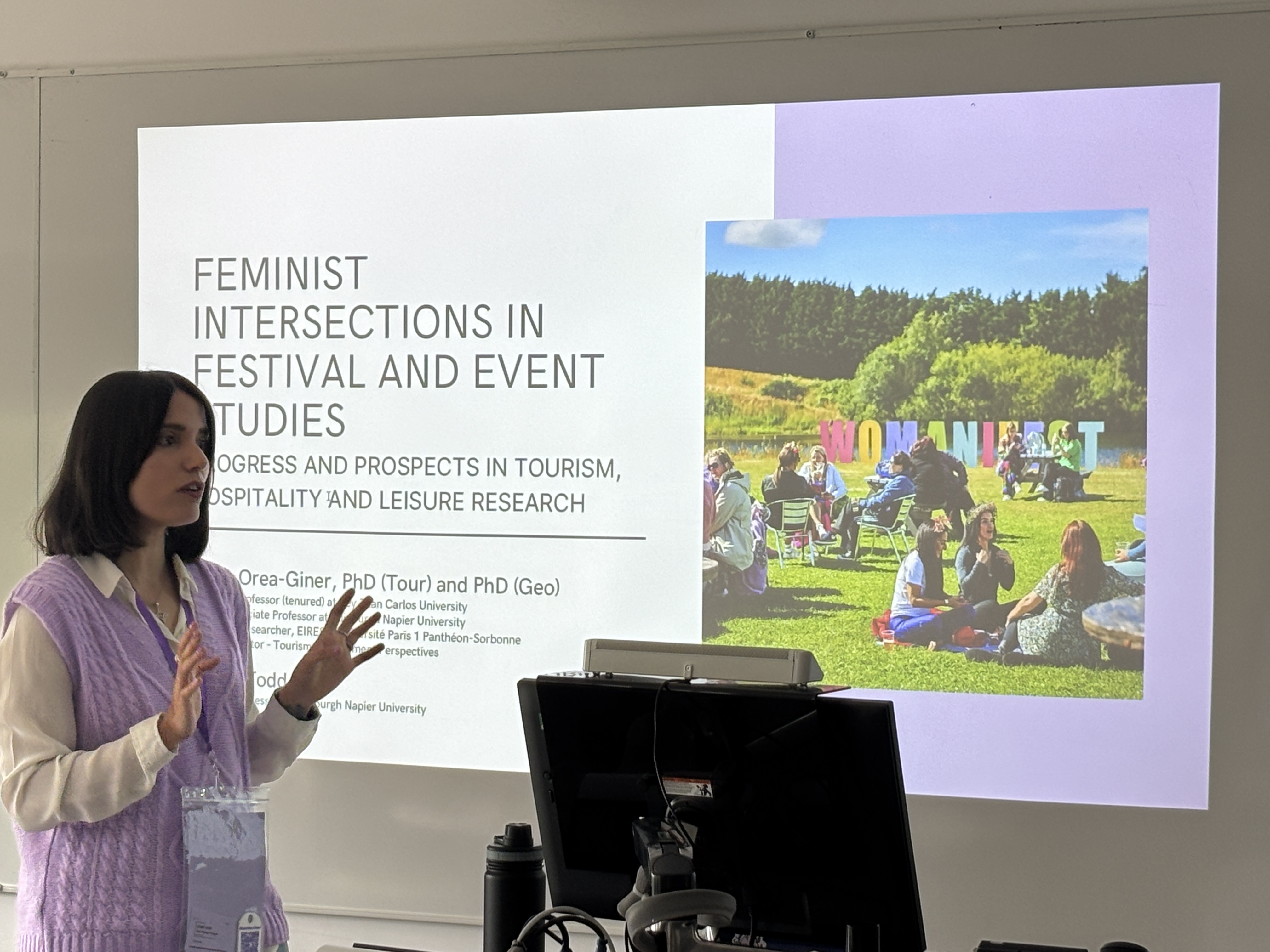
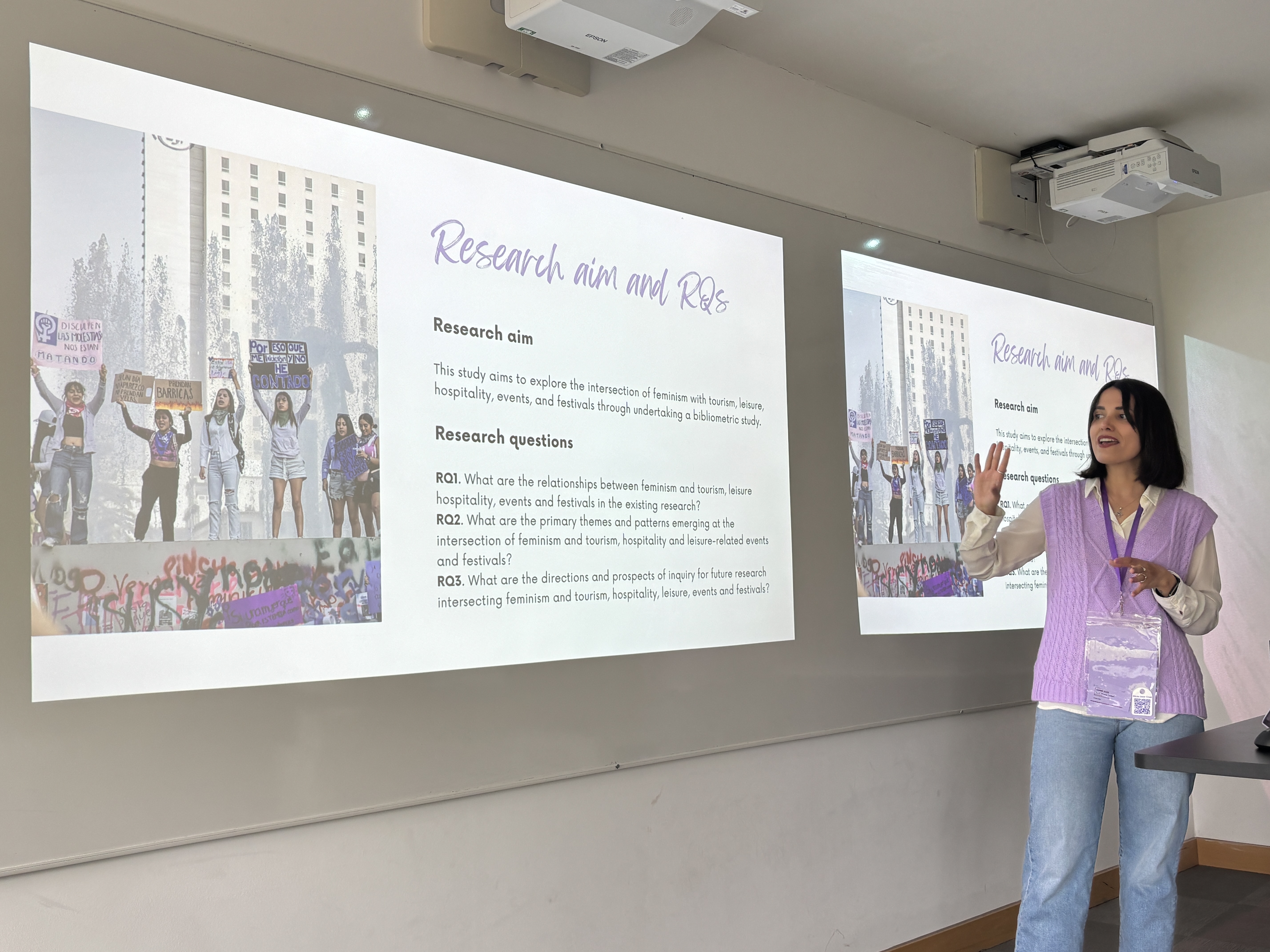
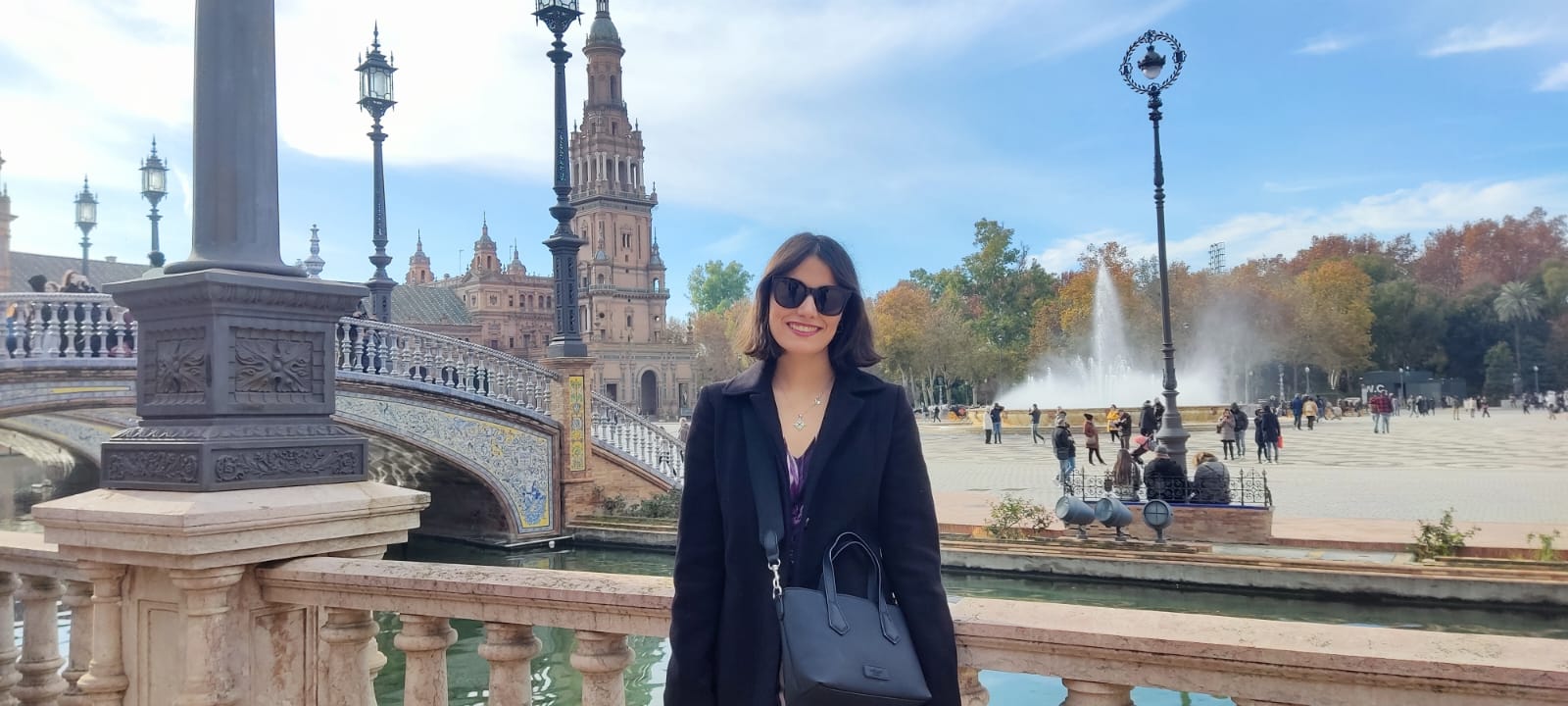
Meet the Visiting Professor – Dr Alicia Orea-Giner

In May 2022, I had the privilege of visiting Edinburgh Napier University. Over the course of a month, I immersed myself in the vibrant academic and professional community at the Tourism Research Centre (TRC), guided by Dr Louise Todd, with whom I established a strong collaborative connection.

One of the highlights of my visit was the CHME 2022 conference “The Human Touch in Hospitality”, hosted on Napier’s Craiglockhart campus from 24 to 27 May 2022. There, I engaged with leading scholars and practitioners, broadening my understanding of hospitality research and forging connections that would inform future collaborations with Louise and her team.

One unforgettable highlight was having Professor Donna Chambers, whose work I deeply admire, not only as the keynote speaker but also as an attendee in our session. At CHME 2022, I had the privilege of presenting the paper “Madrid LGTBIQ+ Pride in a Health Crisis Context” (co-authored with Gonzalo Recio-Moreno), which explored how the community navigated visibility, celebration, and resilience during the COVID-19 pandemic. Grounded in Social Exchange Theory, our study amplified the voices of activists, residents, and professionals at a moment when public expression was both urgent and vulnerable. Professor Donna Chambers’ presence was both inspiring and humbling, adding depth and significance to the entire experience. I am also grateful for the insightful feedback from Dr. Martin Robertson, whose thoughtful comments helped me critically reframe aspects of the research and encouraged a potential collaboration with the brilliant Faith Ong (paper available here).

Beyond the conference, the Tourism Research Centre kindly invited me to deliver research seminars on mental health in academia, early career challenges, and qualitative research methods.

Besides, thanks to this visit, I began a fruitful collaboration with Dr. Louise Todd on experience design, storytelling, and sustainable event management, an exchange that seeded our joint research. Building on our shared research interests and longstanding collaboration, Dr. Francesc Fusté-Forné, Dr. Louise Todd, Dr. Eerang Park, and I co-edited a Special Issue in Tourism Management Perspectives titled “Food Tourism Events for Social Sustainability.” This issue invites critical and interdisciplinary reflections on how food events operate as vehicles for social change, justice, and community well-being. By bringing together diverse methodological and geographical perspectives, the issue aims to advance theoretical and empirical understandings of how food tourism can contribute to sustainable futures, particularly in times of global uncertainty and socio-ecological transition.

Through our research collaboration (with Dr. Francesc Fusté-Forné) Food festivals, as we argue, are not simply about gastronomy, they are performative acts of place-making (paper available here). Through scenographic elements, walking practices, and digital tools, these events communicate layered histories and emotional geographies. By engaging with participants’ senses and memories, they construct an immersive experience that is both personal and collective. The “origin story” of a food festival, then, is often tied not just to regional identity or tradition, but to the narrative choices made by organizers: whose stories are told, whose tastes are elevated, and whose labour remains unseen.

Behind the scenes, we find complex negotiations: between stakeholders and residents, between authenticity and commodification, and between inclusion and silence. As we discovered in our collaborative walking research, these festivals are sites where identities are rehearsed and contested, not just consumed. This research trajectory also led us to collaborate with Dr. Mania Moysidou from Edinburgh Napier University, extending our exploration of food festivals to the Scottish context.

Building on this shared foundation, Dr Louise Todd and I are teaming up again to present at CHME 2025. It is a continuation of the intellectual trip that began with my first visit. It is an honour to return to Edinburgh Napier University as a Visiting Associate Professor, a position of great personal and professional significance. Edinburgh is without a doubt my favourite city in the world: it has always provided me with academic stimulation, creative inspiration and a sense of personal connection. Edinburgh Napier University welcomed me at a critical juncture in my academic career, providing not only room but also visibility, encouragement, and genuine engagement while I was still an early career researcher. That experience of being seen and heard is still at the heart of my approach to academic collaboration and mentorship.

Written by visiting Professor Alicia Orea-Giner, Associate Professor at Universidad Rey Juan Carlos.

Shaping the future of business events: Insights from the TRC Symposium 2025

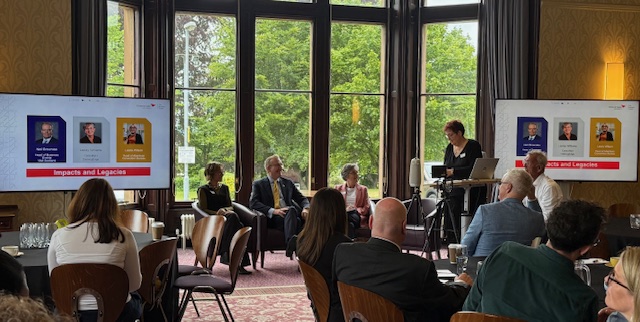
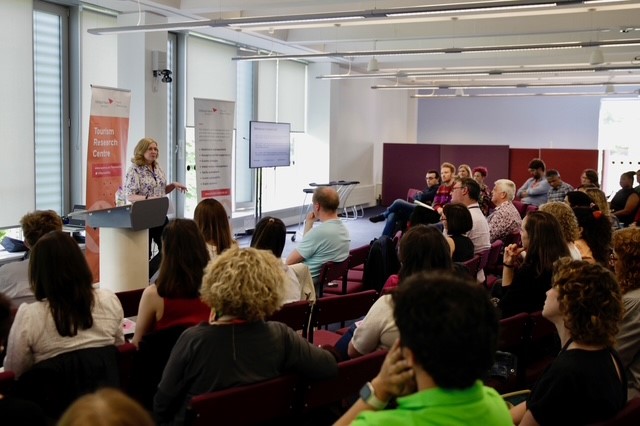
On 24 June 2025, Edinburgh Napier University’s Craiglockhart Campus hosted the Annual TRC Symposium: Innovative Practice in Business Events, a one-day gathering of academics, industry leaders, and event professionals. The symposium offered a rich platform for exploring how business events can drive economic, social, and knowledge-based impact far beyond tourism.

Rethinking metrics and legacy in business events

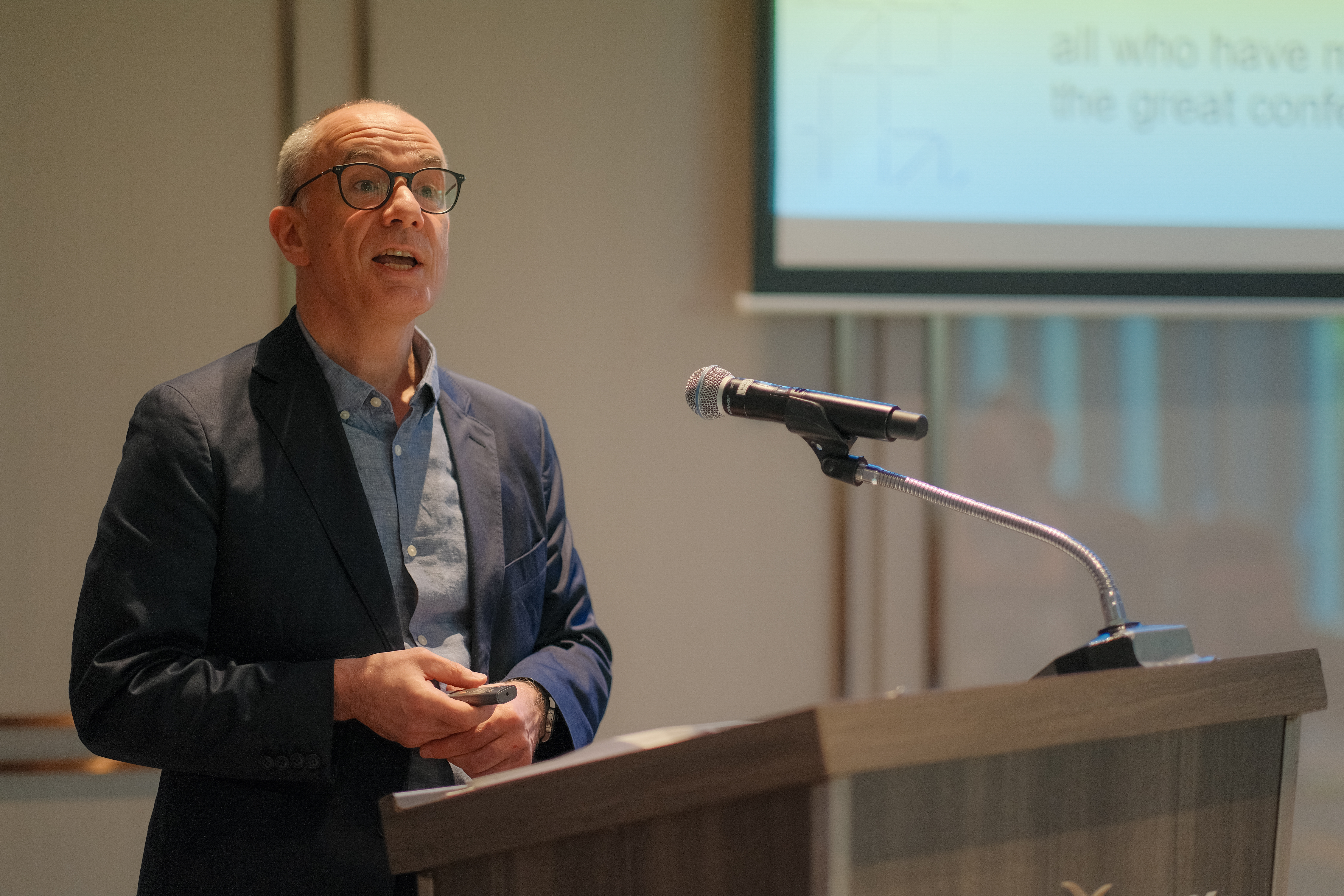
Professor Leo Jago (University of Surrey) challenged attendees to think beyond traditional tourism metrics. He emphasised that the true value of business events lies in their long-term legacy, from economic development to societal transformation and knowledge exchange. Jago advocated for government involvement in event planning and stressed the need for modern, engaging formats that resonate with younger generations. “Dull plenaries are no longer enough,” he noted, urging organisers to embrace workshops, interactive sessions, and networking opportunities.

Storytelling, strategy, and sector strengths

Rob Davidson, Director of MICE Knowledge, highlighted the strategic importance of aligning event bids with a country’s sectors of excellence. This approach not only attracts top-tier speakers but also enhances networking and sparks innovation. A common theme from all speakers on the day, was the power of storytelling in event promotion, as Davidson underscored – “If it bleeds, it leads” – and encouraged organisers to tap into local ambassadors and public engagement to amplify legacy and impact.

AI and the future of event design

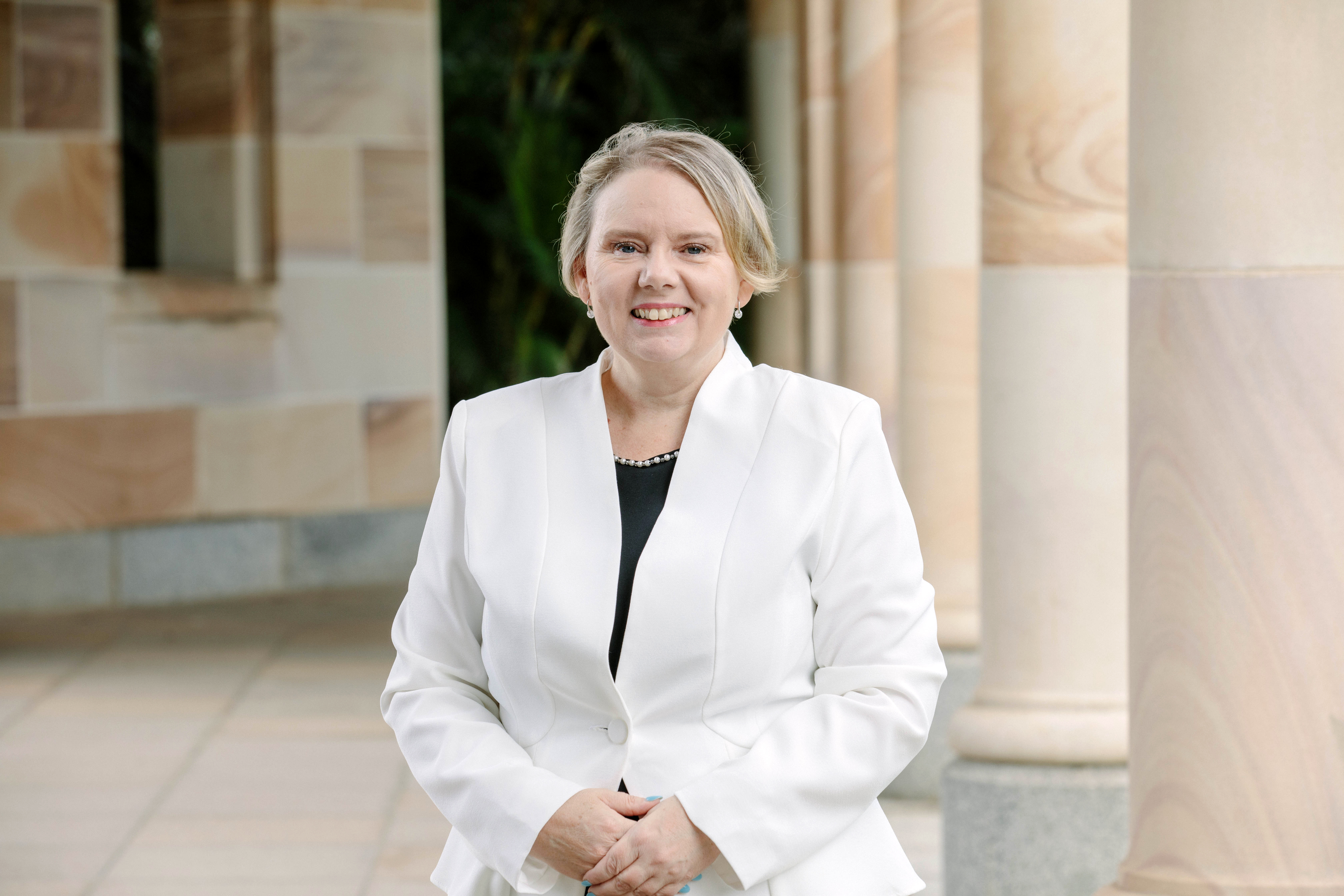
Dr Judith Mair, Visiting Associate Professor from the University of Queensland, explored how artificial intelligence is quietly revolutionising the business events sector. She highlighted its role in enhancing sustainability through virtual site visits, streamlining event logistics with predictive analytics, and supporting event design by suggesting speakers and generating bios. AI is also being used to improve event evaluation, with tools that track ROIESG data, and real-time audience sentiment. Her talk underscored the growing importance of data-driven, tech-enabled approaches in creating smarter, more impactful events.

Collaboration as a competitive advantage

Professor Gary Hutchison (Edinburgh Napier University) and Elaine Miller (Edinburgh International Conference Centre), introduced the Exchange Initiative, a groundbreaking collaboration between Edinburgh’s universities, NHS Lothian, and the Edinburgh International Conference Centre (EICC). This initiative aims to attract international conferences to the city by leveraging collective expertise and engaging with stakeholders like VisitScotland and Chambers of Commerce. “There’s nothing quite like it elsewhere,” Hutchison remarked, highlighting its potential to position Edinburgh as a global hub for impactful events.

Advocating for impact

James Latham, founder of The Iceberg, delivered a powerful reminder: “We are change agents, not travel agents.” He called for a shift in focus from short-term metrics like ticket sales to long-term outcomes that reflect the true value of business events – innovation, collaboration, and societal progress.

Final thoughts

The TRC Symposium 2025 made it clear: business events are no longer just about tourism – they are catalysts for change. From legacy planning and sector alignment to collaborative bidding and storytelling, the future of the industry lies in its ability to create meaningful, measurable impact.

Written by Aoife O´Sullivan – Business Engagement and Communications Manager

Celebrating 3 Years of the Tourism Research Centre at Edinburgh Napier University

This month marks a significant milestone for the Tourism Research Centre (TRC) at Edinburgh Napier University as it celebrates its third anniversary. Since its launch in 2021, the Centre has established itself as a hub of impactful and collaborative research in the field of tourism and has not only met but exceeded many of its Key Performance Indicators (KPIs), delivering on its ambitious vision to be a leading voice in tourism research locally, nationally, and globally.

The Centre was conceived with a clear mission: to produce and disseminate high-quality, impactful research that supports sustainable, inclusive, and resilient tourism development. True to this mission, the TRC has led and contributed to numerous interdisciplinary research initiatives focused on, for example, sustainable destination development, community engagement and placemaking, visual methods research and economic impact in the tourism sector. The TRC has also played a vital role in supporting postgraduate research, mentoring early-career researchers, and providing students with opportunities to engage in applied research projects.

A key strength of the Centre has been its commitment to working collaboratively. Over the past three years, the TRC has extended and built strong partnerships with a range of external organisations including VisitScotland, the British Council, UNESCO and Edinburgh Tourism Action Group. These collaborations have enabled the Centre to co-create research that directly informs policy and practice, contributing to a more sustainable and resilient tourism industry.

The TRC has also fostered vibrant relationships with researchers from across the UK and internationally. Drawing on the expertise of Edinburgh Napier colleagues, the Centre has brought together a multi-disciplinary team of academics and research students from, for example, the School of Arts & Creative Industries and the School of Applied Sciences. We also work closely with our Visiting Academics from around the world, whose insights help to expand our global reach and academic exchange. These partnerships have enriched the Centre’s research output and extended its influence across academic and professional communities.

Among the Centre’s notable achievements are a series of high-impact publications, successful funding applications, commercial projects and the delivery of knowledge exchange events and workshops that have brought together academics, industry leaders, alumni, research students and policymakers. This year’s annual Symposium on Innovative Practice in Business Events will be held on 24th June. Our LinkedIn page is an active platform for engagement and dissemination, featuring a fortnightly blog written by our researchers, research students, alumni, and visiting academics — sharing knowledge, best practices, and innovative ideas with the wider tourism community. Please follow the for all our news.

Looking ahead, the TRC remains focused on its core themes of sustainable tourism destinations; cultural heritage management; wellbeing and health tourism; critical studies in tourism; and sustainable festival and event experiences. The Centre is well positioned to continue its leadership in tourism research, particularly as the industry navigates the complex challenges of climate change, evolving consumer behaviour, and technological disruption.

This milestone year is also a moment of transition, as I will retire at the end of August 2025. I was delighted to be appointed as Lead in 2022 and have thoroughly enjoyed shaping the Centre’s vision and success, working with colleagues, businesses and organisations to build a centre of excellence in tourism research. I leave the TRC in the very capable hands of my colleagues – more on this in a blog towards the end of the summer.

As we celebrate this three-year milestone, we extend our thanks to all the collaborators, supporters, and researchers who have contributed to the Centre’s success. The journey so far has laid a strong foundation for continued interdisciplinary growth and impact, and we look forward to what the future holds.

Anna leask headshot

Written by Professor Anna Leask, Tourism Research Centre Lead

Meet the Visiting Researcher – Dr. Ivana Rihova

Welcome to “Meet the Visiting Academic”, a section dedicated to introducing to you our Visiting Academics, Professors and Researchers, where you will have the opportunity to get to know them and find out how they engage with Edinburgh Napier University, and specifically with the Tourism Research Centre (TRC).

Today, Dr Ivana Rihova, Lecturer at the Universidad Europea de Valencia, Spain, tells us about how her journey has always brought her back to ENU, first as a student, then as research assistant, becoming a full-time lecturer and now as TRC Visiting Researcher!

_________________________________________________________

“My journey with Edinburgh Napier University (ENU) began in 2006 as a postgraduate student pursuing an MSc in International Tourism Management. During my studies, I met Prof Anna Leask, who would later become my dissertation supervisor, and Prof Paul Baron, who contacted me a year after I graduated, asking if I would be interested in applying for a research assistant role at Napier. I went for it and was successful, marking the start of an academic career that took me from Edinburgh to Bournemouth, where I started my PhD in 2010, through Anglia Ruskin University in Cambridge, and then back to Edinburgh (via Glasgow), where I began a full-time lectureship at ENU in 2014.

Although my background is in tourism, my research and my teaching focussed on festival and event management and service marketing. At Napier, I visited and taught at a number of institutions across Europe and Asia, and developed a wide network of collaborations and research ties with colleagues from Macau, Poland, Austria, and the UK. ENU provided me with numerous opportunities for professional grow in both teaching and research. I was very happy to return to the university after two periods of maternity leave, always finding a supportive team of colleagues who over the years became good friends.

In 2022, I made the difficult decision to leave Edinburgh for a new life in Spain with my Valencian husband. Language barrier aside (I had started learning Spanish only a couple of years previously), I found it quite difficult to integrate into the new culture. I dedicated that period to think and write, and to look for new partnerships and projects. I was unable to work initially as I awaited the homologation of my UK doctorate by a Spanish university. When in July 2023 I was given the opportunity to re-join ENU as Associate Researcher at the Tourism Research Centre, I very happily took up the offer, starting a new collaboration with my Napier ex-colleagues Dr Sarah Snell, and Prof Constantina (Dina) Anastasiadou and her team.

Valencia is a fantastic place to be, and I am finally settling into my new home. I have also secured a lecturer position at Universidad Europea de Valencia, and while adapting to the new institutional and cultural context has been challenging, it is also very exciting. My Associate Researcher at ENU allows me to maintain strong connection with the university, and it has been a great excuse to escape the Spanish heat a couple of times a year to work on research projects and to visit friends.”

Resilient and positive event futures with Associate Professor Martin Robertson

Associate Professor Martin Robertson, has recently given keynote presentations at international conferences*1 *2 (2024), as well as presented related research to his colleagues in the inaugural 2025 Tourism Research Centre research seminar*3 at Edinburgh Napier University.

In different ways, each of the above present research to determine processes of stakeholder involvement in successful ‘future visioning’ for a sustainable future. In each, the United Nations Sustainable development Goals (SDGs) are proposed as vital conduits.

Throughout my career in academia, I have always sought to provide a learning, teaching and research experience that is professionally and socially useful – and encourages positive forward action. Sustainability, resilience, regenerative capacity, social justice, and future vision methodologies are key components of this work. I think my research publications, as well as current and past consultancy collaboration, evidence this well.

Very much grounded in Edinburgh, and Scotland, I have nonetheless lived and worked in many countries. Collaborations with researchers in Australia, Denmark, England, New Zealand, Sweden, and Wales have made me very aware of the truly exciting and profoundly global nature of our subject (s). This is true for our students, our research students, our colleagues, and the places in which live and visit.

As well as publishing widely in my research area, I am also proud of the books (six) and journal special issues (eight) I have co-edited. They serve to stimulate thinking and knowledge around the world. The capacity to share knowledge in a world that has a great many challenges – socially, environmentally, and politically – inspires me. If this stops, I stop!

Here, in Edinburgh, I enjoy the benefits of our wonderful city. It never ceases to amaze. I am very lucky to be living and working in such a great environment. A great location to (en)vision a great future.

*1 Robertson, M. (2024) Keynote speaker: ‘Sustainable events and Net Zero’ 5th International Conference on Tourism and Business (ICTB). Mahidol University International College Bangkok, Thailand (August, 21-23)

*2 Robertson, M. (2024) Keynote Speaker: ‘Learning for future challenges: tourism futures and deep learning applied to teaching the UN SDGs’, 2nd Tourism Futures Convention 2024 (TFC), Heilbronn University of Applied Sciences, Heilbron, Germany (November 13th)

*3 Robertson, M. (2025) Research presentation: ‘Business Events and the Efficacy of UN SDGS for the Knowledge City’, Tourism Research Centre Seminar, Edinburgh Napier University (February 5th)

Meet the Visiting Professor – Associate Professor Judith Mair

Welcome to “Meet the Visiting Professor”, a section dedicated to introducing to you our Visiting Professors, where you will have the opportunity to get to know them and find out how they engage with Edinburgh Napier University, and specifically with the Tourism Research Centre (TRC).

Today, Associate Professor Judith Mair, The University of Queensland, Brisbane, Australia, tells us about her strong connections with ENU and TRC researchers, with whom she has been friend for a very long time! Despite being in Australia, she is of Scottish origins, and takes every opportunity she has to come back to connect with family and colleagues.

“Although I now live in Australia, my roots are in Scotland! I grew up in a small village on the West Coast, but I went to university in Edinburgh and fell in love with the city. I stayed there for a few years after graduating, working in the Tourist Information Centre on Princes Street, and then for VisitScotland. I consider Edinburgh to be the place where my involvement with the tourism industry and my tourism and events research interests really started.

After completing a PhD in Tourism at the University of Strathclyde in Glasgow (coincidentally at the same time as Dina (Constantia) Anastasiadou), my career took me to Australia, firstly to Victoria University (VU) in Melbourne, then Monash University, and now the University of Queensland in Brisbane. It was at Victoria University that I first met Dr Martin Robertson, then at VU and now at Edinburgh Napier University. We share similar research interests – primarily in sustainability and event management – and have been friends ever since.

My work aims to understand and enhance the positive impacts of tourism and events on the communities and societies which host them and my expertise lies in fields including mega-event legacies, the future of events, the links between events and social connectivity, and the potential impacts of climate change on the events sector.

My holidays are often combined with work-related travel, but when I have the chance, I love to visit the wonderful beaches and coastline of Australia. My favourite destination (apart from Scotland of course!) is probably the Whitsunday Islands in Queensland – the archetypal tropical island paradise with the friendliest locals I’ve ever met. I heartily recommend it!

Although I don’t get the opportunity to visit Edinburgh or Scotland much (the journey from Australia is a pretty long one!), I jump at the chance to come home, and having a visiting role at ENU allows me to combine work and pleasure. I enjoy the opportunity to meet and network with old friends and new and share my research with as wide an audience as possible, both in academia and more broadly with industry and government. I also value the chance to act as a mentor for emerging scholars and provide them with as much support and guidance as I can. I hope to collaborate in publications and ongoing project work in the field of events studies with students and colleagues, particularly in relation to sustainability and climate change, which I feel is one of the most important areas we can study. “

Meet the TRC Alumni – Dr Angelo Sciacca

Welcome to “Meet the TRC Alumni”, a section dedicated to finding out what our TRC PhDs are doing after successfully completing their PhD. This is an opportunity to learning more about the multiple careers offered after doing a PhD with us, as well as catching up with our brilliant researchers.

Today, Dr Angelo Sciacca gives us an update of his career after graduating in 2023 and how the PhD has helped him shape his career. Congratulations are in order for Angelo as he has recently joined the TRC not only as a proud alumnus but as Visiting Senior Fellow! We look forward to seeing what this collaboration will bring in the future!

“I held diverse roles across Southeast Asia, particularly in Myanmar, and Europe. My work focused on advancing circular entrepreneurship in tourism, fostering community-based and ecotourism in coastal and island destinations, and researching smart tourism ecosystems.

I chose Edinburgh Napier University for my PhD because I had already completed my master’s degree there and was highly familiar with the university’s strong reputation for quality research and teaching in the subject.

The focus of my PhD on circular economy and island tourism aligned with my interest in how island territorial dynamics influence the tourism sector’s transition toward more sustainable, resilient, and inclusive models.

My PhD has been instrumental in supporting my career by deepening my expertise in circular economy and island tourism, which are critical areas for the sustainable future of the ecosystems the sector relies on.

I work as a Senior Research Fellow on Blue Tourism at the Institute for Sustainable Development and International Relations (IDDRI) where I coordinate the Blue Tourism Initiative, a global initiative that aims to improve the governance of coastal and marine tourism to ensure sustainability, focusing on three marine regions: the Mediterranean, Caribbean and Western Indian Ocean.

To new PhD students, I suggest to embrace challenges as part of the learning process, and stay committed to making a meaningful impact with your research.


Meet the PhD – Homa Rahimi

Welcome to “Meet the PhD”, a section dedicated to introducing to you our PhD candidates, where you will have the opportunity to get to know them and their research and find out how why they have chosen Edinburgh Napier University, and what excites them the most about their PhD journey.

Today, we have Homa Rahimi, a PhD candidate originally from Iran, who is currently in her 2nd year. Her PhD title is “The Implications of lean Talent Management on Optimising Strategic Value of People in the UK Hotel Sector” with supervisors Prof Paul Barron, Prof Anna Leask and Dr Kelsy Hejjas. Many of you might agree with Homa’s words, when she says that she originally started her PhD for academic reasons, to later find out that a PhD is much more than that, the skills you learn throughout the PhD journey are extremely valuable not only for a future career but also in life. Homa is also the 2024 winner of best poster at the Edinburgh Napier University Business Conference. Congratulations Homa!!
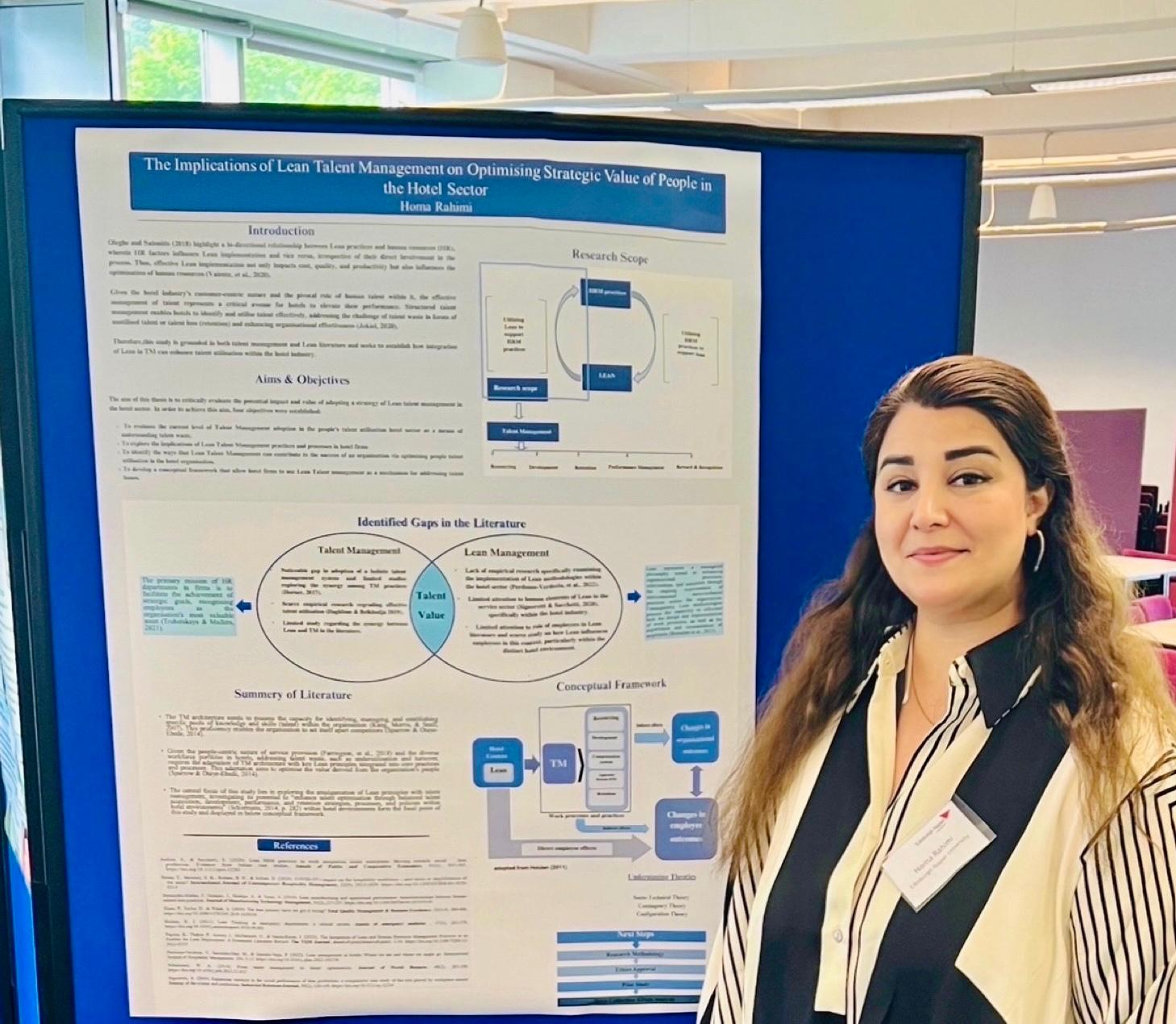
PHD student with conference poster

If you would like to know more about Homa’s research or if you have any questions, you can contact Homa here: homa.rahimi@napier.ac.uk

If you’re interested in undertaking a PhD with us, please email the Tourism Research Centre Lead, Prof. Anna Leask – a.leask@napier.ac.uk

______

“I’m Homa Rahimi from Iran, currently in my second year of PhD studies at Edinburgh Napier University. My academic journey in the UK began with a focus on governance and public policy, sparked by my second master’s degree. This experience provided a foundation for my deeper investigation into organisational management, especially through the lens of New Public Management (NPM). As a result, I developed a keen interest in Human Resource Management (HRM), particularly in the areas of talent management, employee development, and capability building. These interests became central to my MSc degree in HRM at Napier University, reinforcing my enthusiasm for understanding how organisations can best manage and enhance their most valuable asset—people.

My PhD research focuses on the application of Lean thinking to Talent Management within the hotel industry. I chose this topic due to the success story of Lean thinking, which has effectively improved efficiency and performance in various sectors. I am particularly interested in how these principles can be adapted to enhance talent management practices in the hospitality sector, which is crucial to the UK’s employment and economy. The hotel industry relies heavily on human capital and addressing issues like talent spillage—where skills and potential are underutilised—can reduce talent-related waste and optimise people management.

Edinburgh Napier University was the perfect choice for me due to my previous positive experience during my master’s degree, the supportive environment, and the student-friendly atmosphere of the institution. Its strong focus on tourism and hospitality management, coupled with its excellent reputation in these fields, made it an ideal fit. Additionally, the opportunity to work with distinguished supervisors like Professors Barron and Leask, and Dr. Hejjas was an exciting draw.

What makes my PhD research particularly significant is its potential to reshape both academic thought and practical approaches. The hotel industry continually grapples with challenges in managing and retaining talent, and my research aims to address these issues with innovative solutions. By applying Lean principles to Talent Management—an area still underdeveloped in this context—I seek to uncover new insights that could lead to more efficient and effective human resource practices. This exciting endeavour promises to make a meaningful impact on both the theoretical and practical aspects of talent management in the hospitality sector.

When I first considered pursuing a PhD, I saw it primarily as an academic pursuit—a way to delve deeper into my areas of interest. However, as I have progressed, I have come to realise that a PhD is much more than that. It is a journey of personal growth, requiring resilience, adaptability, and a deep commitment to making a meaningful contribution to my field. My understanding of the PhD process has evolved, and I now see it as an opportunity to bridge the gap between theory and practice, making a tangible difference in the real world. Being part of the PhD community has been pivotal to my journey. The support, collaboration, and shared experiences within this group have given me the motivation and encouragement needed to overcome challenges and remain focused on my goals. The sense of belonging to a network of like-minded individuals, all navigating similar paths, has been invaluable. Additionally, I’ve found lifelong friends along the way, enriching my experience both personally and professionally.

In my experience, three essential skills for a PhD student are critical analysis, time management, and adaptability. Critical analysis is vital for assessing existing literature and contributing original research. Time management is crucial for balancing the various demands of PhD life, including research, writing, networking, and professional development. Adaptability is key to navigating the unexpected challenges that arise during the PhD journey, requiring flexibility and resilience to stay on track and achieve research objectives.

Looking ahead, I am most excited about the potential impact of my research. I am driven by the prospect of transforming talent management in the hotel industry, contributing to more effective and sustainable HR practices. Despite the challenges that lie ahead, the opportunity to effect positive change keeps me inspired and motivated. Additionally, I am eager to enhance the industry’s image, showing it as a viable and rewarding career path rather than one that is often overlooked.”
PhD Stories – Judith Spaargaren

Welcome to “PhD Stories”, a section where our PhD candidates tell you more about their research, and what they aim to achieve and discover.

Today, we have Judith Spaargaren, who started her PhD in 2023, and whose title is “The Role of Prison Museums in Public Culture: The Case of Peterhead Prison Museum”, with supervisors Dr. Craig Wight, Prof. Anne Schwan, and Dr. Renata Osowska.

If you would like to know more about Judith’s research or if you have any questions, you can contact Judith here: judith.spaargaren@napier.ac.uk.

If you’re interested in undertaking a PhD with us, please email the Tourism Research Centre Lead, Prof. Anna Leask – a.leask@napier.ac.uk

When planning your holidays, have you ever thought of putting a prison visit on your itinerary? More people than you think would answer yes. It might not be everyone’s cup of tea, but prison tourism has become increasingly popular over the past few decades. In Peterhead, Aberdeenshire, the Peterhead Prison Museum has become one such popular visitor attraction.

When HMP Peterhead closed down in 2013, a community effort allowed for the building to reopen as a museum in 2016, which has since become a major tourist draw to the area. The museum aims to tell the stories of the prison’s 125 year long operation, and show visitors “what real prison life was like”. Unlike visiting an active prison, where the visit is rarely for leisure, prison museums allow for visitors to explore what the prison system is like with their freedom kept intact. But how do you do that?

My academic background lies in heritage studies, and I have a particular interest in how the stories we do and do not tell about our past affect our present and future. My PhD research focuses on the opportunities and challenges that prisons museum face in telling their stories. Prisons, in particular, are places of difficult and sometimes painful histories. This means there are opportunities to educate and inform visitors about prison life and the justice system, but also challenges we must face: which stories do we tell, and how? How can we allow for everyone’s voice to be heard, even when some of those voices belong to those we morally disagree with? What do visitors want to hear, and should that matter? Where do we draw the line between prison museum exhibit and gratuitous tableau of human suffering?

I am not the first person to ask questions like these, but there is a real lack of a Scottish perspective in this discussion, which I hope to contribute through my research. I am privileged to be carrying out this research in direct partnership with the Peterhead Prison Museum. In working directly with the museum, I hope to not only identify what visitors want, but also what the community of Peterhead might need from a prison museum as a visitor attraction. The story of the prison is tied directly to the story of Peterhead itself, and acknowledging this connection is not only important to the museum, but also to my research, which would be incomplete if it left out the town of Peterhead and its community.

This will not be an easy task, as I spent my first year of PhD research discovering. I’ve spent most of my time compiling and creating a framework of academic concerns about, and solutions to, issues that prison museums face. Next year, I’ll be heading up to Peterhead to gather specific visitor and Scottish perspectives to add to this framework. At the end of this PhD, I hope to develop a set of strategies to tell the stories of Peterhead Prison to as many visitors as possible.