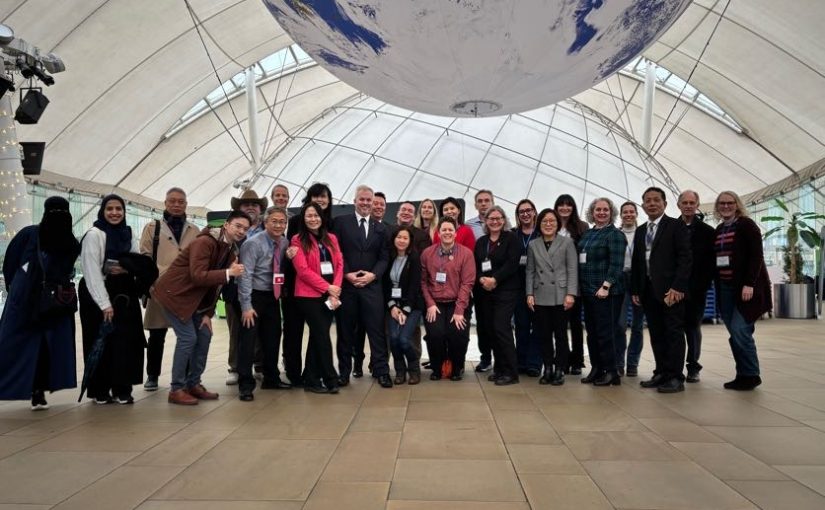
44th International Society of Travel & Tourism Educators (ISTTE) annual conference, “Tailored experiences: The future of hospitality and tourism industry and education” Recap

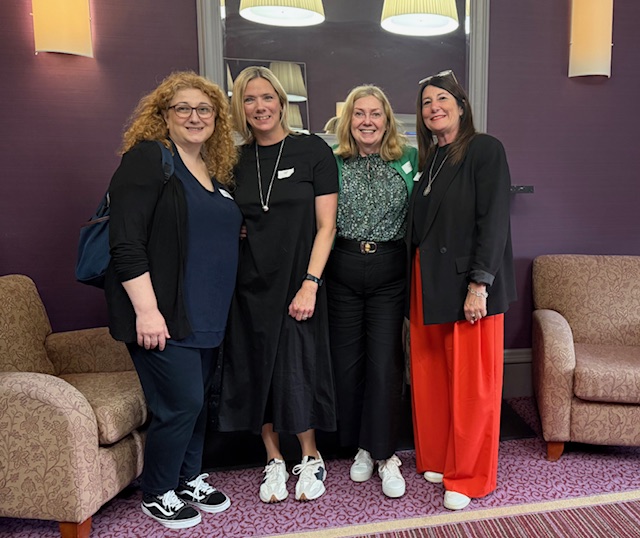
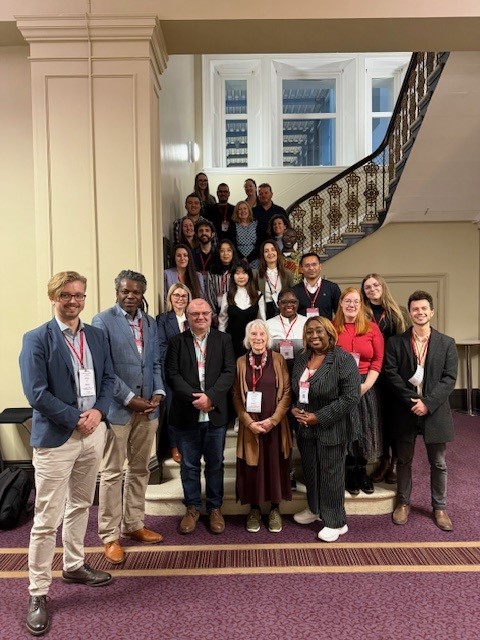
The 44th Annual Conference of the International Society of Travel and Tourism Educators (ISTTE) was held from October 22-24, 2025, at The Business School at Edinburgh Napier University. The event was in-person; there was no virtual component. This delivery modality allowed 46 registered participants worldwide to connect and share research and best practices in travel and tourism education.

The theme for the two-and-a-half-day conference was “Tailored Experiences: The Future of Hospitality and Tourism Industry and Education.” The conference featured a range of engaging sessions and events. To open the conference, attendees networked at a welcoming reception and facilitated group dinners nightly throughout Edinburgh. The following day began with welcoming remarks from the host institution’s leadership, Deputy Dean Paul Barron and ISTTE President Nicholas Thomas, followed by a keynote session by Dr. Gary Kerr (Atlantic Technological University), who provided insights into creativity and innovation in tourism and events education. Day two ended with an engaging special feature session with JTTT providing a practical guide for authors, reviewers, and academic contributors. The final day provided a unique backdrop overlooking Arthur’s Seat with engaging presentations from keynote Murat Kizildag (University of Central Florida), who discussed a financial dotplot of investing in experiences, as well as a special feature session with Timothy Flohr (University of Memphis), who provided a strategic approach to realigning industry and academia.
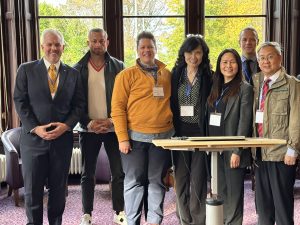
The program included 22 stand-up presentations covering a variety of pedagogical topics as well as five workshops designed to enhance participant knowledge across other topics relevant to our membership. All presentations were face-to-face, and this modality will continue until further notice

A unique feature of the ISTTE conference is its attendee workshops. This year, participants were able to participate in engaging workshops related to, among other things: (a) expanding access to the industry, (b) flipped and experiential classrooms, (c) team-based learning approaches, (d) designing ELITE experiences for career-ready graduates, and (e) post-graduate students and sustainability.

The conference recognized several outstanding contributions to advancing the goals of ISTTE. Kara Wolfe (Missouri State University) won the Martin Oppermann Lifetime Achievement Award, and Edmund Goh (Les Roches) won the Heidi Sung Achievement Award. Additionally, Les Roches received the Institutional Achievement Award. Two deserving students were presented with scholarships to support student educational endeavors: graduate student Nikol Lopez Llantuy from Iowa State University and undergraduate student Liraysa Ponson from Breda University of Applied Sciences.
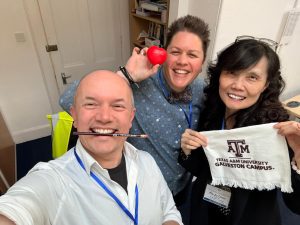
The Journal of Teaching in Travel and Tourism (JTTT) 2024 Best Paper Award went to Drs. Feri Ferdian, (Universitas Negeri Pedang), Mohd Salehuddin Mohd Zahari, Mohd Onn Rashdi Abd Fatah, Zuraini Mat Issa, and Mohd Hafiz Hanafiah (Universiti Teknologi MARA) for their paper entitled “Investigating the Effectiveness of Conventional Hosptality Education Curriculum in Shaping Millennials’ Career Commitment: An Empirical Inquiry.” The JTTT 2024 best reviewer award went to Dr. Elizabeth Whalen (Middle Tennessee State University). The conference also featured several notable paper awards:

  • Best Paper: “Beyond the Plate: Cultivating Work-Life Balance in the Hospitality Industry” by Sasi Gangiah
  • Best Workshop Paper: “Beyond Internships: Designing ELITE Experiences for Career-Ready Graduates in Hospitality, Tourism, and Culinary Education” by Timothy Flohr and William Mullins
  • Best Working Paper: “Visualizing the Sequence of Service AI-Generated Flowcharts” by Sarah Belanger and Edmund Goh
  • Best Pecha Kucha Paper: “AI in Hospitality and Tourism: Rewriting the Customer Journey” by Annamarie Sisson, Rui Costa, Minwoo Lee, and Billy Bai

The 44th ISTTE Conference continued the return of exclusively in-person gatherings for the travel and tourism education community. A resounding success, the conference showcased innovative research and teaching practices through insightful sessions, valuable networking opportunities, and a celebration of excellence with the awards ceremony. As always, the hallmark of an ISTTE conference, the strong sense of community, fostered a ‘family and friends’ atmosphere throughout the event. Attendees left feeling energized and inspired to continue pushing the boundaries of tourism education.

I am especially grateful for the efforts of the ISTTE Board of Directors in planning this conference. Special mention goes to Dr. Annamarie Sisson (Edinburgh Napier University) and Dr. Cora Wong (Macao Polytechnic University). Dr. Sisson tirelessly executed the logistics of hosting the conference at Edinburgh Napier University, while Dr. Cora Wong was responsible for the conference paper review process.
The 45th annual ISTTE conference will take place in mid-October at Breda University of Applied Sciences. The theme for this year is yet to be determined. As always, travel, tourism, and hospitality educators, researchers, graduate students, and destination and industry practitioners are welcome to join us in Breda, Netherlands. We are open to a variety of contributions, including research papers, case studies, curriculum modules, teaching methods, and other original work about the theme. There will be four award categories: Best Paper, Best Working Paper or Poster, Best Case Study, and Best Workshop. Authors of exceptional papers will be invited to submit their work to the Journal of Teaching in Travel and Tourism. On behalf of the entire ISTTE board, I look forward to seeing you in Breda. For more details on the conference, including the Call for Papers and program information, please visit: https://istte.org/

Disclosure statement: No potential conflict of interest was reported by the author(s).

Written by: Dr. Annamarie Sisson (they/them), Lecturer
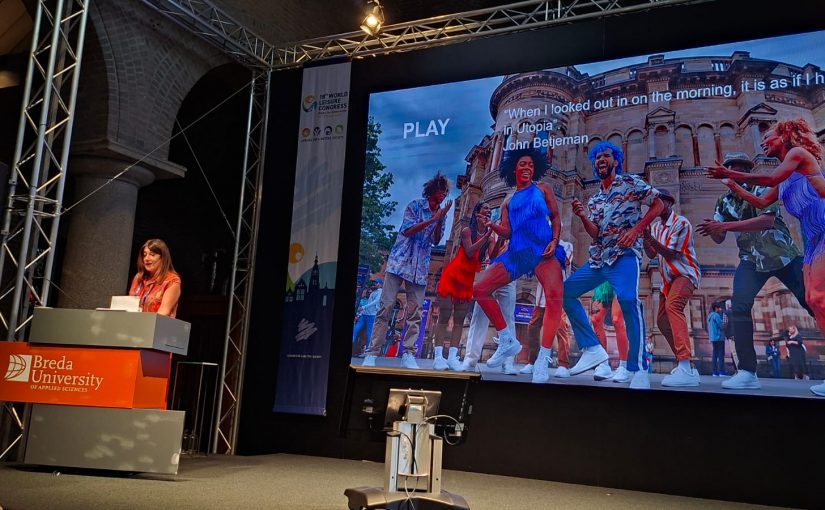
How the Edinburgh Festivals make the city a better place to live, work and play in

The World Leisure community gathered in Breda for the 18th World Leisure Congress: Leisure for a Better Society, held from August 25-28, 2025, bringing together over 400 participants and experts in the field from 40 countries. With a full program of inspiring sessions, vibrant poster presentations by emerging scholars, and the World Leisure Awards Ceremony, the event celebrated individuals and organizations driving leisure as a force for inclusion, human growth, and social transformation.

conference

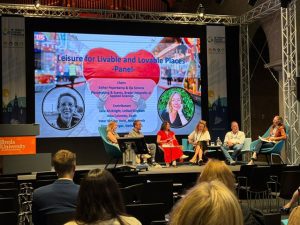
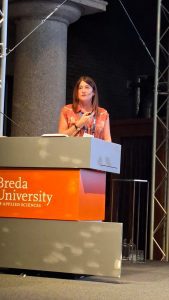
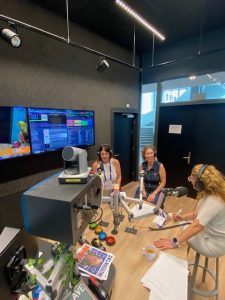
Professor Jane Ali-Knight sat on a panel discussing ‘The role of leisure in creating livable and lovable places’; participated in a WLJ Podcast and delivered one of the conferences keynote sessions titled: Fringe benefits: how the Edinburgh Festivals make the city a better place to live, work and play in. Drawing on recent research, examining Fringe Festival Networks in Perth, Adelaide and Edinburgh, Jane has been involved in with ENU colleague David Jarman and other academic collaborators from Australia, she delivered an interactive and informative presentation highlighting how the festivals contribute to the wellbeing of the city.

There is little doubt that the festivals significantly contribute to making Edinburgh a better place to live, both culturally and economically. They bring in visitors, boost local businesses, create jobs, and enhance the city’s global reputation which in turn generates soft power. The festivals also offer residents a variety of cultural experiences and contribute to their quality of life. Festivals also have a positive social impact on local communities: building community cohesion, offering positive emotions and shared connections, promoting social interaction and cultural exchange, and contributing to a general sense of wellbeing, especially in turbulent times (Yolal et al. 2016).  The 2025 Edinburgh Fringe sold over 2.6m tickets featured 3,893 shows across 301 venues, and hosted performers from over 60 countries.

 It is a myth that Edinburgh’s residents are anti the festivals. More residents support than oppose them with large numbers actively participating in and/or attending events. The latest study by BOP Consulting (2023), which surveyed 22,000 people – shows that the Edinburgh Festivals continue to be Scotland’s world-leading cultural brands. Recent studies show that a substantial percentage of residents believe the festivals make Edinburgh a better place to live and are ‘Loved by locals’. Around 1.5m festival attendances are local residents (that is c50% of total audience) while 89% of Edinburgh residents say that the festivals increase local pride in their home city.


Beyond direct employment, festivals play a critical role creating work and supporting many thousands of jobs for wider service businesses and local traders. The festivals alone create the full-time equivalent of 5,850 jobs in Edinburgh. This sector together with arts, entertainment, recreation and other services are significant employers in the city, accounting for 44,000 jobs between them. (Edinburgh Festival City, 2022).

Finally, festivals are playful…. one month of the year the city takes on a joyous carnival atmosphere which tens of thousands of locals join in. They are escapist and bring joy and laughter to communities, and the places in which they reside. It’s a privilege having so much world class, innovative art on our doorstep.

So, as the planning cycle begins for the 2026 festivals, amid a background of public funding cuts and drops in sponsorship revenue, rising inflation and production costs, cost-of-living challenges, and shortages of skilled labour and materials, the organisers of Edinburgh’s world leading events will have to assert the contribution of its festivals make to Edinburgh making it a better place to live. Echoing a Guardian writers’ opinion…’Cultural institutions like the fringe are about more than making money and stars. In our age of disinformation, artificial intelligence and alienation, such gatherings of people, talent and ideas are more vital than ever’ (2025).

Note: The 2025 Best Poster Award was presented to Dr. Afiya Holder for her outstanding presentation on Reimagining Leisure as a Tool for Inclusivity and Social Cohesion: The Transformative Potential of African-Caribbean-Scottish Shared Cultural Heritage Tourism.

Written by Dr Jane Ali-Knight

Evolving Landscapes: 33 Years of Transformation in Tourism, Hospitality, and Festival Management Research during my time at Edinburgh Napier

“Over the past three decades, the fields of tourism, hospitality, and festival management have undergone significant transformation—mirroring the shifting priorities of society, global economies, and technological innovation. When I started at Napier Polytechnic in 1991, research was a relatively small part of an academic’s role. The research was often descriptive and focused on basic destination marketing, seasonal trends and economic impact. Today research is integral to our role as academics, involving engagement in quality, impactful research that is increasingly important to the university for teaching, income, recruitment and reputation.

Back in the early 1990s, tourism was an emerging subject at universities. It was often squeezed into geography or business departments, with researchers mostly working with theories borrowed from other subjects and a lack of quality journals dedicated to the field. The big change came as tourism exploded globally and became impossible to ignore economically. Universities started creating dedicated tourism courses and departments. Suddenly, there were academics whose full-time job was to understand how tourism actually works, to contribute to the positive development of tourism, and to develop robust research to inform the quality of our teaching.

This is where institutions like Edinburgh Napier University made a real difference. We set up the first Scottish undergraduate degree in Tourism Management and worked directly with the tourism industry. We showed that we could do serious research that was both intellectually rigorous and genuinely useful to people running visitor attractions, planning festivals and managing destinations. Our commitment to applied research has helped policymakers, destination management organisations and event organisers adapt to real-world problems. During the COVID-19 pandemic, for example, we helped inform recovery strategies that balanced public health with the survival of cultural festivals, tourism and hospitality businesses.

The way researchers gather information has changed dramatically during the past 33 years. In the 1990s, it was mostly based on surveys – I recall posting hundreds of paper surveys to participants in visitor attractions in New Zealand, Australia and Canada – and requesting endless interlibrary loans. Now, technology provides us with instant access to a wealth of sources (perhaps too many!) and allows us to access to thousands of online reviews instantly and predict tourism patterns with sophisticated computer models. That said, I’m not sure much beats the delight we had when hundreds of those international visitor attractions sent back their completed paper surveys!

What’s really exciting is how the field has become genuinely interdisciplinary in a way that makes the research richer and more relevant. In my recent work, I’ve seen this shift in action. I’ve worked with psychologists, economists and HR experts to investigate the complex questions that visitor attraction managers face every day. How do you keep visitors happy while protecting historic buildings? How do you balance tourism income with community needs? How do you recruit and retain a range of employees plus attract a diverse range of audiences? My research aims to gives managers practical tools that they can actually use.

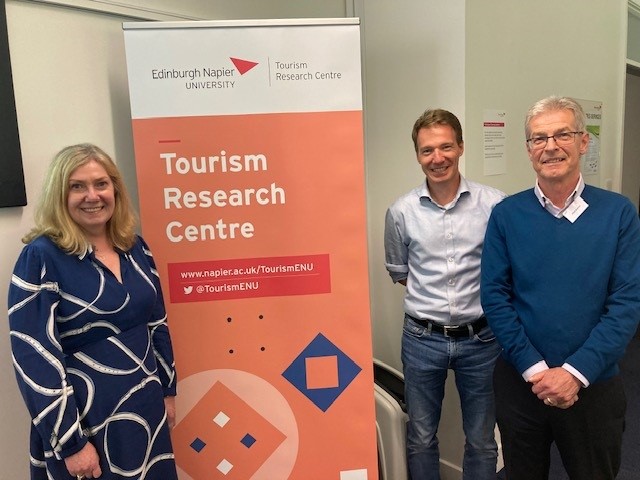
The launch of the Tourism Research Centre (TRC) in 2022 built on our existing research approach and expertise, demonstrating how university research can evolve to meet real-world needs. Tourism research today doesn’t just describe what’s happening – it actively helps shape better experiences for visitors and more sustainable outcomes for attractions and destinations. As TRC Lead, I’m immensely proud of what we’ve achieved in the last 3 years, the networks we’ve developed, and the relevant, impactful work that we’ve undertaken.

After over 33 years at Edinburgh Napier, I’ve decided to retire and will hand over the reins of the TRC to Professor Louise Todd. I’m hugely confident that Louise and the team will continue to develop the TRC and contribute to an even greater understanding of tourism as both an economic driver and a social force for good. I will still be involved in my new role as Professor Emerita and look forward to seeing how the tourism, hospitality and festivals management research arena develops in the coming years.”

Written by: Professor Anna Leask

Shaping the future of business events: Insights from the TRC Symposium 2025

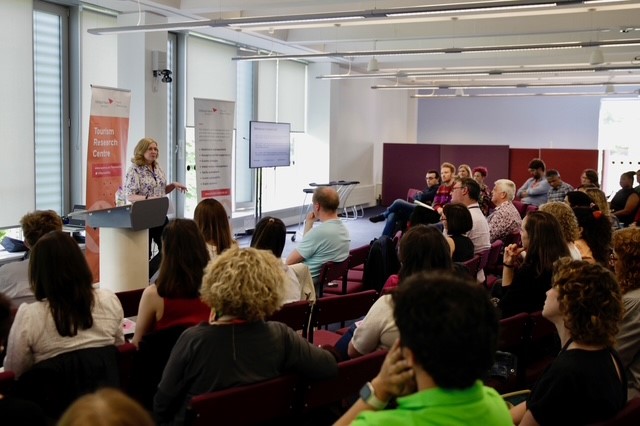
On 24 June 2025, Edinburgh Napier University’s Craiglockhart Campus hosted the Annual TRC Symposium: Innovative Practice in Business Events, a one-day gathering of academics, industry leaders, and event professionals. The symposium offered a rich platform for exploring how business events can drive economic, social, and knowledge-based impact far beyond tourism.

Rethinking metrics and legacy in business events

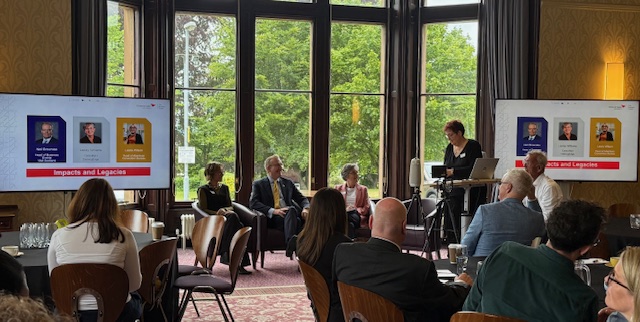
Professor Leo Jago (University of Surrey) challenged attendees to think beyond traditional tourism metrics. He emphasised that the true value of business events lies in their long-term legacy, from economic development to societal transformation and knowledge exchange. Jago advocated for government involvement in event planning and stressed the need for modern, engaging formats that resonate with younger generations. “Dull plenaries are no longer enough,” he noted, urging organisers to embrace workshops, interactive sessions, and networking opportunities.

Storytelling, strategy, and sector strengths

Rob Davidson, Director of MICE Knowledge, highlighted the strategic importance of aligning event bids with a country’s sectors of excellence. This approach not only attracts top-tier speakers but also enhances networking and sparks innovation. A common theme from all speakers on the day, was the power of storytelling in event promotion, as Davidson underscored – “If it bleeds, it leads” – and encouraged organisers to tap into local ambassadors and public engagement to amplify legacy and impact.

AI and the future of event design

Dr Judith Mair, Visiting Associate Professor from the University of Queensland, explored how artificial intelligence is quietly revolutionising the business events sector. She highlighted its role in enhancing sustainability through virtual site visits, streamlining event logistics with predictive analytics, and supporting event design by suggesting speakers and generating bios. AI is also being used to improve event evaluation, with tools that track ROIESG data, and real-time audience sentiment. Her talk underscored the growing importance of data-driven, tech-enabled approaches in creating smarter, more impactful events.

Collaboration as a competitive advantage

Professor Gary Hutchison (Edinburgh Napier University) and Elaine Miller (Edinburgh International Conference Centre), introduced the Exchange Initiative, a groundbreaking collaboration between Edinburgh’s universities, NHS Lothian, and the Edinburgh International Conference Centre (EICC). This initiative aims to attract international conferences to the city by leveraging collective expertise and engaging with stakeholders like VisitScotland and Chambers of Commerce. “There’s nothing quite like it elsewhere,” Hutchison remarked, highlighting its potential to position Edinburgh as a global hub for impactful events.

Advocating for impact

James Latham, founder of The Iceberg, delivered a powerful reminder: “We are change agents, not travel agents.” He called for a shift in focus from short-term metrics like ticket sales to long-term outcomes that reflect the true value of business events – innovation, collaboration, and societal progress.

Final thoughts

The TRC Symposium 2025 made it clear: business events are no longer just about tourism – they are catalysts for change. From legacy planning and sector alignment to collaborative bidding and storytelling, the future of the industry lies in its ability to create meaningful, measurable impact.

Written by Aoife O´Sullivan – Business Engagement and Communications Manager

Celebrating 3 Years of the Tourism Research Centre at Edinburgh Napier University

This month marks a significant milestone for the Tourism Research Centre (TRC) at Edinburgh Napier University as it celebrates its third anniversary. Since its launch in 2021, the Centre has established itself as a hub of impactful and collaborative research in the field of tourism and has not only met but exceeded many of its Key Performance Indicators (KPIs), delivering on its ambitious vision to be a leading voice in tourism research locally, nationally, and globally.

The Centre was conceived with a clear mission: to produce and disseminate high-quality, impactful research that supports sustainable, inclusive, and resilient tourism development. True to this mission, the TRC has led and contributed to numerous interdisciplinary research initiatives focused on, for example, sustainable destination development, community engagement and placemaking, visual methods research and economic impact in the tourism sector. The TRC has also played a vital role in supporting postgraduate research, mentoring early-career researchers, and providing students with opportunities to engage in applied research projects.

A key strength of the Centre has been its commitment to working collaboratively. Over the past three years, the TRC has extended and built strong partnerships with a range of external organisations including VisitScotland, the British Council, UNESCO and Edinburgh Tourism Action Group. These collaborations have enabled the Centre to co-create research that directly informs policy and practice, contributing to a more sustainable and resilient tourism industry.

The TRC has also fostered vibrant relationships with researchers from across the UK and internationally. Drawing on the expertise of Edinburgh Napier colleagues, the Centre has brought together a multi-disciplinary team of academics and research students from, for example, the School of Arts & Creative Industries and the School of Applied Sciences. We also work closely with our Visiting Academics from around the world, whose insights help to expand our global reach and academic exchange. These partnerships have enriched the Centre’s research output and extended its influence across academic and professional communities.

Among the Centre’s notable achievements are a series of high-impact publications, successful funding applications, commercial projects and the delivery of knowledge exchange events and workshops that have brought together academics, industry leaders, alumni, research students and policymakers. This year’s annual Symposium on Innovative Practice in Business Events will be held on 24th June. Our LinkedIn page is an active platform for engagement and dissemination, featuring a fortnightly blog written by our researchers, research students, alumni, and visiting academics — sharing knowledge, best practices, and innovative ideas with the wider tourism community. Please follow the for all our news.

Looking ahead, the TRC remains focused on its core themes of sustainable tourism destinations; cultural heritage management; wellbeing and health tourism; critical studies in tourism; and sustainable festival and event experiences. The Centre is well positioned to continue its leadership in tourism research, particularly as the industry navigates the complex challenges of climate change, evolving consumer behaviour, and technological disruption.

This milestone year is also a moment of transition, as I will retire at the end of August 2025. I was delighted to be appointed as Lead in 2022 and have thoroughly enjoyed shaping the Centre’s vision and success, working with colleagues, businesses and organisations to build a centre of excellence in tourism research. I leave the TRC in the very capable hands of my colleagues – more on this in a blog towards the end of the summer.

As we celebrate this three-year milestone, we extend our thanks to all the collaborators, supporters, and researchers who have contributed to the Centre’s success. The journey so far has laid a strong foundation for continued interdisciplinary growth and impact, and we look forward to what the future holds.

Anna leask headshot

Written by Professor Anna Leask, Tourism Research Centre Lead

Meet the Visiting Researcher – Dr. Ivana Rihova

Welcome to “Meet the Visiting Academic”, a section dedicated to introducing to you our Visiting Academics, Professors and Researchers, where you will have the opportunity to get to know them and find out how they engage with Edinburgh Napier University, and specifically with the Tourism Research Centre (TRC).

Today, Dr Ivana Rihova, Lecturer at the Universidad Europea de Valencia, Spain, tells us about how her journey has always brought her back to ENU, first as a student, then as research assistant, becoming a full-time lecturer and now as TRC Visiting Researcher!

_________________________________________________________

“My journey with Edinburgh Napier University (ENU) began in 2006 as a postgraduate student pursuing an MSc in International Tourism Management. During my studies, I met Prof Anna Leask, who would later become my dissertation supervisor, and Prof Paul Baron, who contacted me a year after I graduated, asking if I would be interested in applying for a research assistant role at Napier. I went for it and was successful, marking the start of an academic career that took me from Edinburgh to Bournemouth, where I started my PhD in 2010, through Anglia Ruskin University in Cambridge, and then back to Edinburgh (via Glasgow), where I began a full-time lectureship at ENU in 2014.

Although my background is in tourism, my research and my teaching focussed on festival and event management and service marketing. At Napier, I visited and taught at a number of institutions across Europe and Asia, and developed a wide network of collaborations and research ties with colleagues from Macau, Poland, Austria, and the UK. ENU provided me with numerous opportunities for professional grow in both teaching and research. I was very happy to return to the university after two periods of maternity leave, always finding a supportive team of colleagues who over the years became good friends.

In 2022, I made the difficult decision to leave Edinburgh for a new life in Spain with my Valencian husband. Language barrier aside (I had started learning Spanish only a couple of years previously), I found it quite difficult to integrate into the new culture. I dedicated that period to think and write, and to look for new partnerships and projects. I was unable to work initially as I awaited the homologation of my UK doctorate by a Spanish university. When in July 2023 I was given the opportunity to re-join ENU as Associate Researcher at the Tourism Research Centre, I very happily took up the offer, starting a new collaboration with my Napier ex-colleagues Dr Sarah Snell, and Prof Constantina (Dina) Anastasiadou and her team.

Valencia is a fantastic place to be, and I am finally settling into my new home. I have also secured a lecturer position at Universidad Europea de Valencia, and while adapting to the new institutional and cultural context has been challenging, it is also very exciting. My Associate Researcher at ENU allows me to maintain strong connection with the university, and it has been a great excuse to escape the Spanish heat a couple of times a year to work on research projects and to visit friends.”

Resilient and positive event futures with Associate Professor Martin Robertson

Associate Professor Martin Robertson, has recently given keynote presentations at international conferences*1 *2 (2024), as well as presented related research to his colleagues in the inaugural 2025 Tourism Research Centre research seminar*3 at Edinburgh Napier University.

In different ways, each of the above present research to determine processes of stakeholder involvement in successful ‘future visioning’ for a sustainable future. In each, the United Nations Sustainable development Goals (SDGs) are proposed as vital conduits.

Throughout my career in academia, I have always sought to provide a learning, teaching and research experience that is professionally and socially useful – and encourages positive forward action. Sustainability, resilience, regenerative capacity, social justice, and future vision methodologies are key components of this work. I think my research publications, as well as current and past consultancy collaboration, evidence this well.

Very much grounded in Edinburgh, and Scotland, I have nonetheless lived and worked in many countries. Collaborations with researchers in Australia, Denmark, England, New Zealand, Sweden, and Wales have made me very aware of the truly exciting and profoundly global nature of our subject (s). This is true for our students, our research students, our colleagues, and the places in which live and visit.

As well as publishing widely in my research area, I am also proud of the books (six) and journal special issues (eight) I have co-edited. They serve to stimulate thinking and knowledge around the world. The capacity to share knowledge in a world that has a great many challenges – socially, environmentally, and politically – inspires me. If this stops, I stop!

Here, in Edinburgh, I enjoy the benefits of our wonderful city. It never ceases to amaze. I am very lucky to be living and working in such a great environment. A great location to (en)vision a great future.

*1 Robertson, M. (2024) Keynote speaker: ‘Sustainable events and Net Zero’ 5th International Conference on Tourism and Business (ICTB). Mahidol University International College Bangkok, Thailand (August, 21-23)

*2 Robertson, M. (2024) Keynote Speaker: ‘Learning for future challenges: tourism futures and deep learning applied to teaching the UN SDGs’, 2nd Tourism Futures Convention 2024 (TFC), Heilbronn University of Applied Sciences, Heilbron, Germany (November 13th)

*3 Robertson, M. (2025) Research presentation: ‘Business Events and the Efficacy of UN SDGS for the Knowledge City’, Tourism Research Centre Seminar, Edinburgh Napier University (February 5th)

Meet the TRC Alumni – Dr Angelo Sciacca

Welcome to “Meet the TRC Alumni”, a section dedicated to finding out what our TRC PhDs are doing after successfully completing their PhD. This is an opportunity to learning more about the multiple careers offered after doing a PhD with us, as well as catching up with our brilliant researchers.

Today, Dr Angelo Sciacca gives us an update of his career after graduating in 2023 and how the PhD has helped him shape his career. Congratulations are in order for Angelo as he has recently joined the TRC not only as a proud alumnus but as Visiting Senior Fellow! We look forward to seeing what this collaboration will bring in the future!

“I held diverse roles across Southeast Asia, particularly in Myanmar, and Europe. My work focused on advancing circular entrepreneurship in tourism, fostering community-based and ecotourism in coastal and island destinations, and researching smart tourism ecosystems.

I chose Edinburgh Napier University for my PhD because I had already completed my master’s degree there and was highly familiar with the university’s strong reputation for quality research and teaching in the subject.

The focus of my PhD on circular economy and island tourism aligned with my interest in how island territorial dynamics influence the tourism sector’s transition toward more sustainable, resilient, and inclusive models.

My PhD has been instrumental in supporting my career by deepening my expertise in circular economy and island tourism, which are critical areas for the sustainable future of the ecosystems the sector relies on.

I work as a Senior Research Fellow on Blue Tourism at the Institute for Sustainable Development and International Relations (IDDRI) where I coordinate the Blue Tourism Initiative, a global initiative that aims to improve the governance of coastal and marine tourism to ensure sustainability, focusing on three marine regions: the Mediterranean, Caribbean and Western Indian Ocean.

To new PhD students, I suggest to embrace challenges as part of the learning process, and stay committed to making a meaningful impact with your research.


Meet the TRC Alumni – Dr Shemroy

Welcome to “Meet the TRC Alumni”, a section dedicated to finding out what our TRC PhDs are doing after successfully completing their PhD. This is an opportunity to learning more about the multiple careers offered after doing a PhD with us, as well as catching up with our brilliant researchers.

Today, Dr Shemroy Roberts talks about his PhD journey and his career after successfully discussing his PhD in November 2023. From St. Vincent and the Grenadines to Scotland, let’s find out about Shemroy Roberts’ Journey of growth, and resilience.

Dr Roberts is also organizing together with ENU colleagues “Roots Revived: Memory, Legacy, Heritage and Tourism Conference”, taking place on October 17, 2024, at our Craiglockhart Campus. The conference provides a platform for exploring the complex dynamics of difficult and dissonant heritage within the broader context of memory, legacy, heritage, and tourism. Recognising the lasting impact of historical traumas, contested narratives, and marginalised voices, this conference seeks to promote dialogue, understanding, and reconciliation. The conference also seeks to explore the ethical, social, and cultural complexities involved in commemorating and engaging with painful histories. If you would like to know more, and send an abstract, please visit the following webpage: https://lnkd.in/eDCFVkJb

“I am Shemroy Roberts, hailing from the Caribbean nation of St. Vincent and the Grenadines—a chain of islands covering 150 square miles and home to approximately 104,000 people. I come from a very large family, with seven siblings on my mother’s side and twelve on my father’s, as far as I am aware. My mother was a shopkeeper, while my father was a politician, drove delivery trucks, tilled the soil, cultivated fruits and vegetables, and raised pigs. I am the only one of my mother’s children to have attended university—a milestone made possible by the unwavering support of my parents. Their influence has been instrumental in my educational journey and subsequent successes, and I am grateful for their contributions.

In 2012, I earned an Associate’s Degree in Hospitality Studies from the St. Vincent and the Grenadines Community College. This achievement was just the beginning of a journey that would take me far beyond the shores of my homeland. I went on to pursue a Bachelor of Science in Tourism and Hospitality Management from the University of the West Indies, graduating in 2018. It was during my time in this programme that I stumbled upon Scotland—quite serendipitously—while writing a paper on sustainable tourism practices. Intrigued by Scotland’s approach to tourism and its rich history, I was able to visit the country. What I discovered completely captured my heart.

My interest in Scotland led me to research universities offering advanced tourism programmes, and I discovered Edinburgh Napier University through a YouTube video featuring Dr. Ross Tinsley discussing International Tourism and Destination Marketing. That same year, I embarked on a Master of Science in International Tourism Marketing at Edinburgh Napier University. I knew immediately that this was the place for me. The programme offered everything I was looking for—the tools and resources to help me understand how to develop tourism products and services that could elevate my home country, St. Vincent and the Grenadines, as a premier destination in the Caribbean.

My academic interests have always been driven by a desire to contribute meaningfully to my home country’s development, to educate visitors about our destination and its culture and history, and to enhance the socio-economic well-being of local communities. I began my PhD at the start of the COVID-19 pandemic, a time marked by significant global events such as the tragic death of George Floyd, Black Lives Matter protests, the controversial removal and defacement of statues linked to the transatlantic slave trade, and, more recently, the far-right riots in the UK and Europe, have continued to fuel discussions on racism, fascism, and Islamophobia. These events underscored the relevance of my research, which focused on visitor engagement with UK slavery heritage museums. My work has provided valuable insights for academics, museum professionals, and society at large, contributing to a broader understanding of how we engage with our shared history. It is, therefore, important that we stay mindful of our history, including the transatlantic slave trade and other significant events that have shaped our present. By reflecting on these past injustices, we can work together to avoid repeating them and address issues like war, racism, fascism, and enslavement. As a scholar, I have a role to play in shaping the society we want through research, open discussion, and mutual respect —a society that values peace, freedom, democracy, inclusivity, and development for all.

As a person of mixed race, I have always been aware of the nuances of my identity but never really fixated on them. However, I frequently face questions about my identity from friends and even family. My PhD research, however, led me to a deeper understanding of my heritage, revealing that I am connected to both the enslaved and the enslavers. My mother is a descendant of the enslaved, while my father’s lineage traces back to the enslavers. This discovery was both profound and enlightening, allowing me to embrace the duality of my heritage and appreciate the complexities of my identity.

My PhD journey was not without its challenges. The COVID-19 pandemic, a volcanic eruption in my home country, and my mother’s battle with type 2 diabetes, which led to the amputation of her left leg—took a considerable toll on my mental health. With self-determination, I forged ahead amidst these adversities to complete my PhD on time. I am immensely proud to have reached this summit and overcome the many obstacles. I was fortunate to have the guidance of Associate Professor Craig Wight and Professor Anna Leask, whose constructive feedback and support were invaluable throughout my studies. I am deeply grateful to them for their mentorship. I also leaned on a strong support network, including family and friends, who provided encouragement and kept me grounded during difficult times.

Before pursuing my PhD, I worked in various roles in my home country, including as an insurance salesperson, a secondary school teacher in Food and Nutrition and Family and Human Resources Management, and a hotel receptionist. During my PhD, I had the opportunity to teach several modules in research, tourism, hospitality, and festivals and events at both undergraduate and postgraduate levels at Edinburgh Napier University. My experience in academia has been immensely rewarding. Currently, I serve as the Course Coordinator in Culture and Heritage Tourism and as a research supervisor for the management programmes at the University of the West Indies Global Campus, where I have been in these roles for the past four years. Additionally, I have been an Assistant Chief Examiner with the Caribbean Examinations Council for the past eight years.

My PhD has equipped me with the skills to succeed in any workplace and has provided me with the tools to make meaningful contributions to research. It has also expanded my professional network, allowing me to connect with scholars worldwide, some of whom I now collaborate with as an editor for the Journal of International Tourism Policy. I have been fortunate to receive several awards at conferences, a testament to the strong presentation skills my PhD has honed. Additionally, my PhD has supported my grant-writing efforts, enabling me to secure funding for community projects, with more initiatives on the horizon.

My hobbies and interests include listening to classical music, cooking, baking, reading, traveling, and spending time with friends and family. And yes! I must confess, Scotland has left its mark on my culinary skills and salivary glands. I absolutely love haggis!

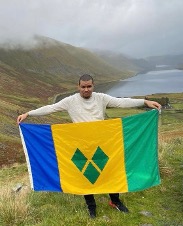
Dr Shemroy holding flag

To new and prospective PhD students, my advice is simple: start writing early, value your supervisors’ guidance, and engage actively in diplomatic and constructive discussions. Make use of university resources, set realistic deadlines, learn from others, and remember to balance work with self-care. Most importantly, be kind to yourself, stay humble, and above all, enjoy the experience.

“Bidh àite sònraichte aig Alba agus Oilthigh Napier Dhùn Èideann an-còmhnaidh nam chridhe,” meaning “Scotland and Edinburgh Napier University will always hold a special place in my heart.” The lessons I have learned and the connections I have made here will stay with me forever.

“Nisi sapientia frustra,” meaning “without knowledge, all is in vain.”

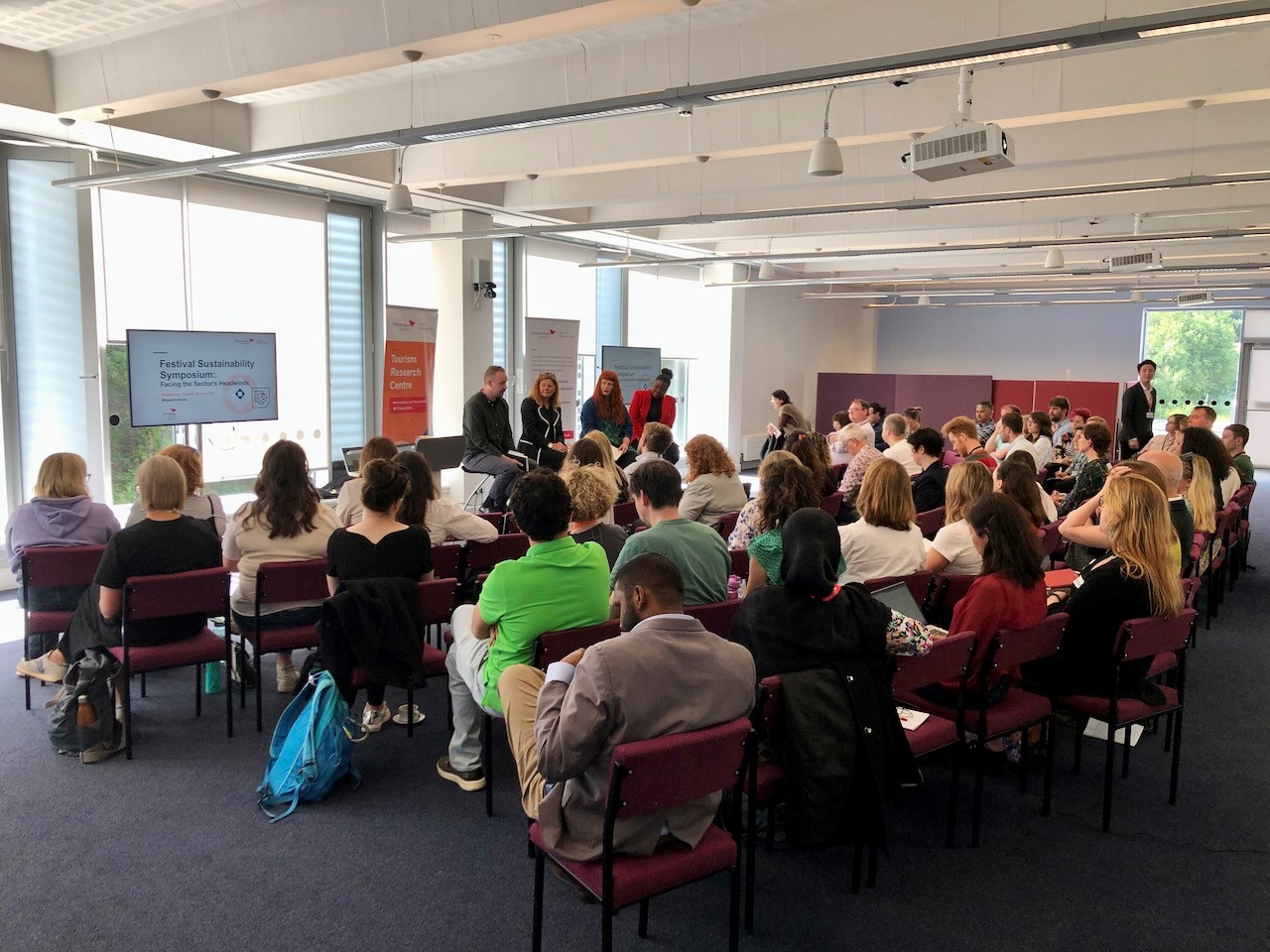
Festivals Sustainability Symposium 29 June 2023

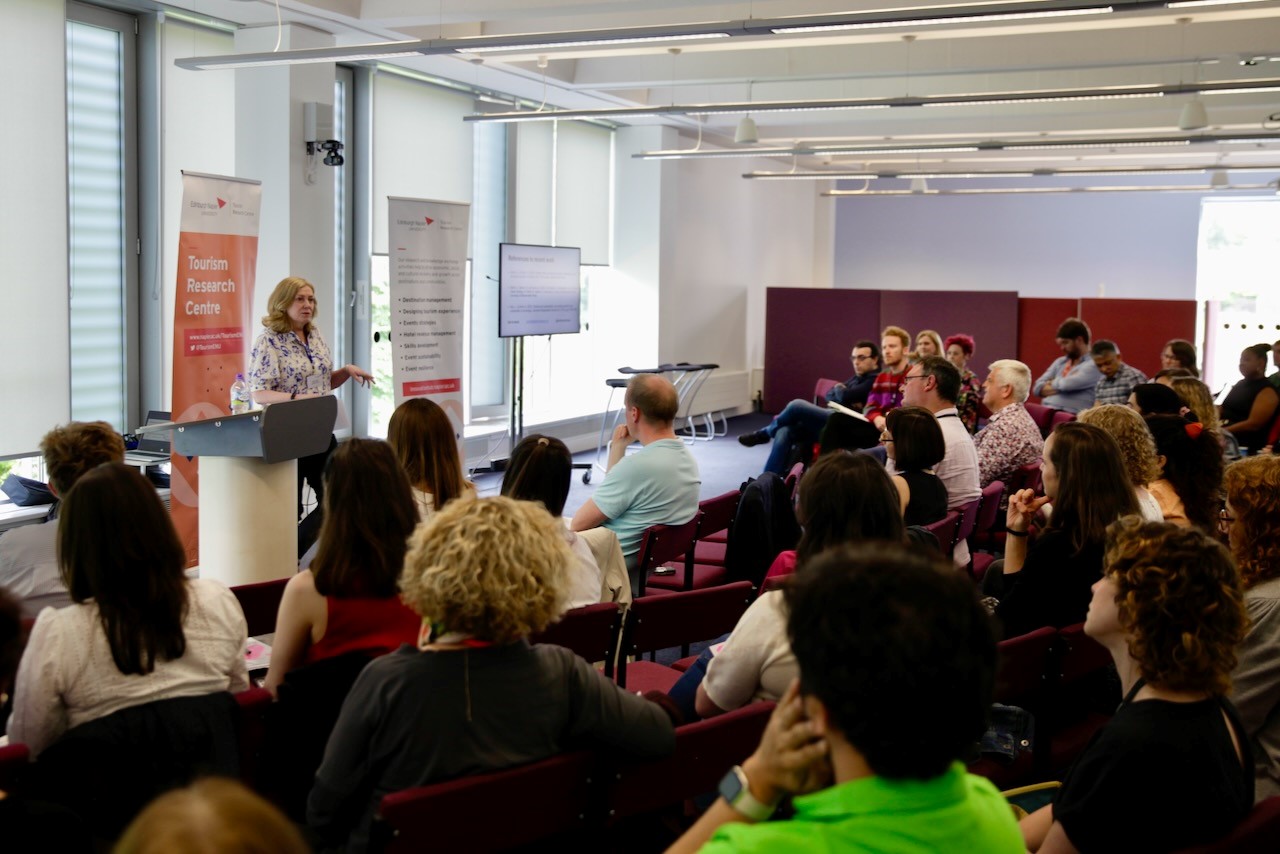
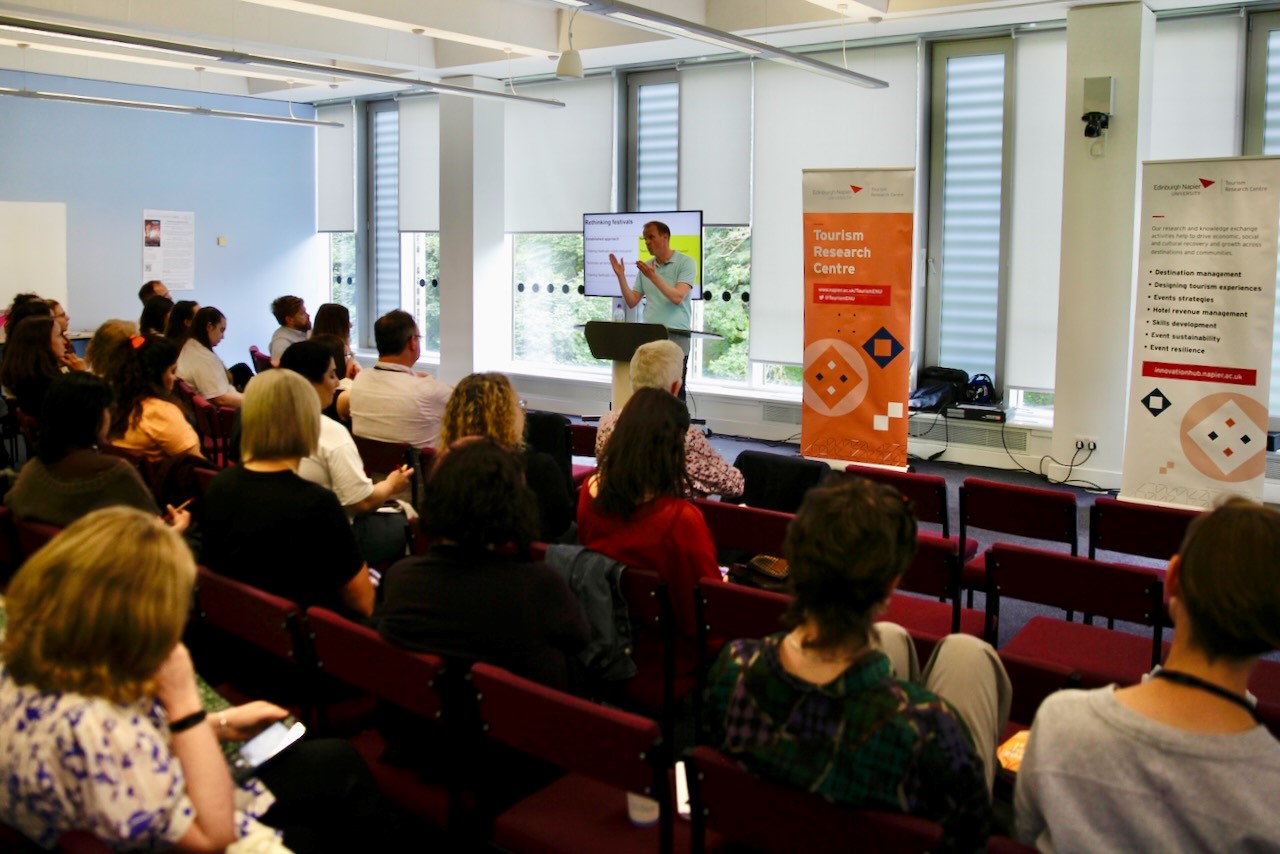
In late June 2023, 70 people gathered at Craiglockhart to discuss the thorny issue of Festival sustainability, writes Dr David Jarman, Lecturer.

There has long been an intricate relationship between festivals and the various ways that sustainability themes affects their actions, impacts, and the ways audiences and stakeholders relate to them. The Festival Sustainability Symposium was an opportunity to discuss a variety of these topics, with attendees from academia, government, the festival sector, and freelancers. It was particularly good to see a number of Edinburgh Napier graduates at the event.

The variety of papers presented at the event reflected the wide range of perspectives and areas of interest under the sustainability banner. Attendees heard about the Edinburgh Deaf Festival, and how it is enabling and supporting a community of eager participants and their audiences to engage with Edinburgh’s festival economy. Environmental sustainability was covered from a range of different angles, including case studies reflecting on the UN Sustainable Development Goals. Other work presented practical and tangible lessons for those applying environmental sustainability in a festival context. A number of contributors spoke about community in relation to festivals, whether that be supporting underrepresented groups within society, or reflecting on the relationship between seasonal festivals and the established communities in which they take place.  Festivals are a representation of the contexts in which they are planned and delivered, and they carry meaning and symbolism that reflects this.

This was also an opportunity to reflect upon Edinburgh Napier’s interest in festival and event sustainability. Some modules on our programmes focus specifically on sustainability, while others highlight the importance of community, the environment and related themes. Our students and graduates are therefore equipped to consider the types of discussions that featured at the symposium. As such, we are playing our part in the ongoing development and evolution of the sector as it tries to grapple with a wide variety of challenges in relation to sustainability. Resources are used at festivals, people travel a long way to attend them, and often there is little of tangible evidence to demonstrate their having taken place. However, festivals are also a platform on which to discuss good practice and to demonstrate the potential value of these kinds of events. Ultimately, as was discussed by the closing keynote speaker, there are opportunities for festivals to play a positive and enhancing role in the sustainability of environments, places, and organisations.

Edinburgh Napier’s Tourism Research Centre, and everyone involved in our Festival, Event, Tourism and Hospitality programmes, continues our work into research, industry enhancement and policy development in sustainability. For more information about what we do, including future events, research opportunities and student projects, please get in touch.

Festivals Symposium audience