“Attending the Host City Conference 2025 in Glasgow was a valuable learning experience”

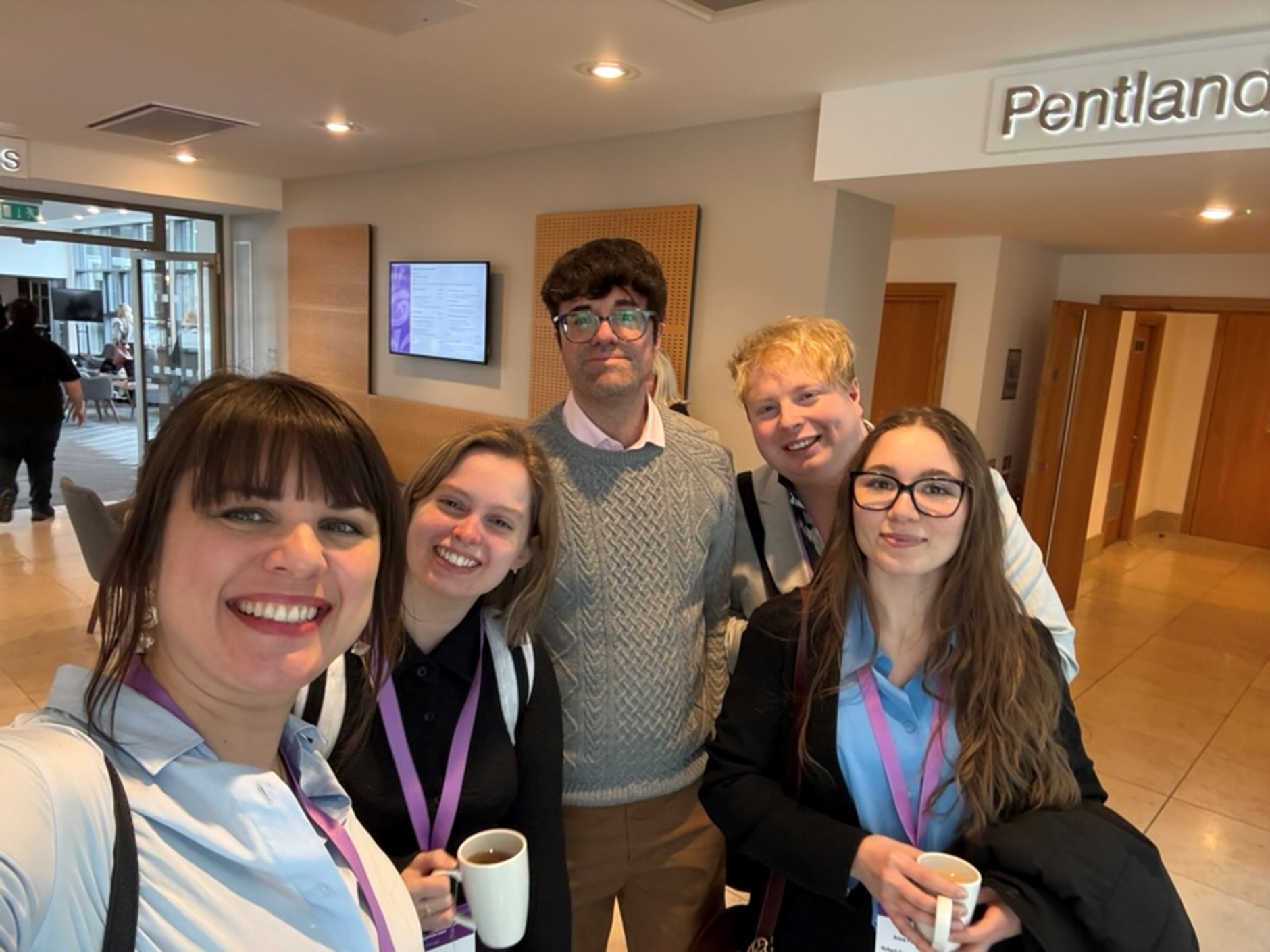
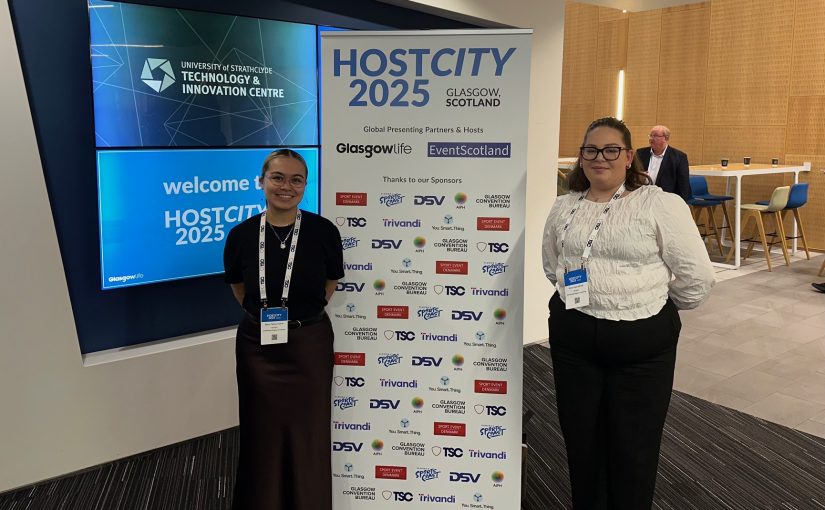
Attending the Host City Conference 2025 in Glasgow was a valuable learning experience as third-year Festival and Event students at Edinburgh Napier University. The conference provided us with the opportunity to apply what we had learned in our course to real-life examples and expand our professional network within the events sector.

The Host City Conference brings together professionals from across the global events industry, including sporting, cultural, and major international events. Speakers represented backgrounds from host cities, event organisations and governing bodies. Through a series of panel discussions, the conference explored key themes such as event legacy, impact, and the future direction of the events industry. These discussions offered valuable insight into the complexity of event planning and delivery at a large scale.

An element and recurring topic that stood out to us was the evolving role of host cities within the event planning process. Rather than being solely venues for events, host cities are now increasingly involved in strategic planning and decision-making. A strong emphasis was placed on ensuring that host cities benefit meaningfully from events, particularly in terms of economic, social, and cultural legacy. This shift highlighted the importance of collaboration between organisers, stakeholders, and local communities.

Another important theme at the conference was the increasing focus on sustainable practices and inclusive planning, which closely reflected the topics we have studied at Napier. A few examples of panel discussions include sustainable catering practices and alternative sustainable public transport routes for event goers. This helped us connect our theoretical knowledge with real-world practice. Concepts from our lectures became much clearer when we heard practical examples from industry professionals. The conference also highlighted how the events landscape continues to evolve.

conference presentation

It was inspiring to be surrounded by professionals who are passionate and involved in delivering major, well-known events. The opportunity to speak with them during coffee and lunch breaks was particularly insightful, as it provided an informed perspective into the range of career paths available within the events industry. Hearing accomplished individuals share their career journeys and experiences made it clear that building strong professional relationships is one of the most important aspects of working in this sector.

Attending the conference has been an inspiring and motivating experience for us as students. It allowed us to think about our future careers in the events industry and how we can positively contribute to event planning and execution with sustainability, inclusivity and legacy.

We would like to extend our thanks to Ben Avison and Host City 2025 for the generous opportunity and to Dr David Jarman for encouraging students to attend such insightful events by presenting and facilitating experiences such as this.

For Host City 2025 Highlights watch this video: https://youtu.be/TG0Nay2U5SY

Written by Anna Kjærulff Dal & Maya Takagi-Vlahek, BA(Hons) International Festival and Event Management, third year students

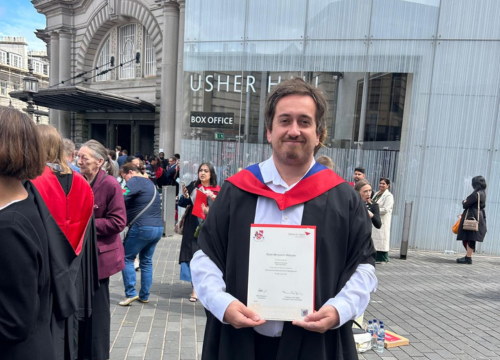
Postgraduate Student Dissertations – Meet Ryan MSc International Festival & Event Management

An Investigation into Social Capital Generated or Impacted by Transformational Festivals

My dissertation studies the relationship between Social Capital (the ties between individuals and within social networks and the trustworthiness and reciprocity that is generated amongst the group as a result) and Transformational Festivals (typically week-long festivals in harsh or challenging environments with an emphasis on co-creation and ritualisation), expanding on previous festival and events literature and deploying a sociological lens within the field of Transformational Festivals. The Research utilised 11 semi-structured interviews over 4 time-zones and thematic analysis to identify and analyse recurring themes. Key findings were a high prevalence of Social Capital building at Transformational Festivals by most respondents, and a belief that powerful connections were built more rapidly than elsewhere. However, there was the understanding that these bonds were often temporal and not likely to expand beyond the festival perimeter, whereas occasionally bonds were not built at all, particularly when attending within a group with pre-defined social dynamics. Although these festivals are typically geared towards to collective experiences, the study found higher than expected levels of individual Social Capital. Finally, interviewees tended to agree that Transformational Festival attendance leads to societal advancement, yet the source of these improvements was disputed with more respondents believing them to be the result of transformational experiences and personal growth, rather than the building of community or social ties, again alluding to the individual dimension.

Read the full dissertation from Ryan Webster, MSc International Festival & Event Management

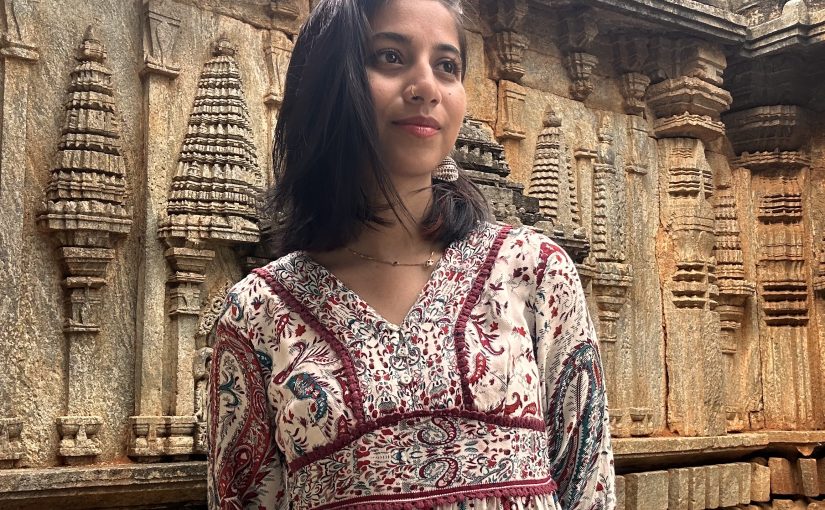
Postgraduate Student Dissertations – Meet Sanjana MSc International Heritage & Cultural Tourism Management

Bridging Nature and Culture in the Western Ghats: Rethinking Mixed Heritage Management

The Western Ghats in India, a UNESCO World Heritage Site, represent a rare case where natural and cultural values overlap. My dissertation examined how these “mixed heritage” landscapes are managed, highlighting the tensions between international conservation frameworks and local traditions of stewardship.

Through interviews with government officials, conservationists, tourism operators, journalists, and community members, I explored different perceptions of the relationship between nature and culture. The findings revealed a disconnect between top-down policies—often rooted in Western conservation thought—and the lived realities of local communities, who view nature and culture as inseparable.

This gap creates challenges in governance, sustainable tourism, and conservation practice. Yet it also opens opportunities: by integrating local voices and indigenous knowledge systems into management strategies, heritage sites like the Western Ghats can move toward more inclusive and resilient futures.
The study contributes to global debates on sustainable heritage management, while offering practical recommendations for India’s conservation and tourism sectors. By rethinking how we bridge global frameworks with local perspectives, mixed heritage sites can be safeguarded not only as ecological treasures but also as living cultural landscapes.

Read the full dissertation by Sanjana Simha Chennarayapatna Umesha, MSc International Heritage & Cultural Tourism Management

Postgraduate Student Dissertations – Meet Christy MSc Marketing with Festival and Event Management

Beyond the contract: Edinburgh festival fringe performers and their relationships with key stakeholders

“It becomes quite difficult to capture the Edinburgh Festival Fringe in a single sentence. With a programme that includes everything from theatre, comedy, and dance to music, cabaret, and spoken word, the options are seemingly endless. As the Edinburgh Fringe Society likes to illustrate, the festival plays host to the world’s greatest platform for creative freedom.

My dissertation examines the intricate relationships between performers and key stakeholders at the Edinburgh Festival Fringe, beyond the contract. With the use of a qualitative research approach, I was able to interview an array of key festival stakeholders to critically explore how these connections influence artists’ campaigns and the overall festival experience.

The findings uncovered the strategic use of power within the festival’s social structures and highlighted a collective objective among stakeholders to enhance the creative development for visiting companies and all artists venturing to the Edinburgh Fringe. The festival should be used as an inclusive development platform as opposed to a performance space for favored or polished productions. There is immense risk involved for all contributing stakeholders across the entire ecosystem in which the most damage falls on the financial. This paper takes a valuable look into the importance of stakeholder connections for the longevity of the festival. It also provides insights for both artists and key festival stakeholders on how to leverage these vital networks that inevitably elevates the performing arts and culture escapade.”

Read the full dissertation by Christy Tukalo, MSc Marketing with Festival and Event Management

Undergraduate Student Dissertations – Meet Natasha BA (Hons) International Business Management

Culture shocks encountered by Spanish expatriates in UK Hotels: Adapting to British working culture

“My dissertation explores the culture shocks experienced by Spanish expatriates working in UK hotels, focusing on how they adapt to British workplace culture. This research is fundamental as the hospitality industry heavily relies on international staff, particularly in the hotel industry. Understanding these cultural dynamics can improve employee integration, satisfaction, and retention. The findings offer practical insights for HR teams and hotel managers to create an inclusive and supportive work environment in a multicultural setting, in addition to providing Spanish expatriates planning to work or currently working in a British hotel with information regarding the cultural differences they may experience and how best to navigate them. Through qualitative interviews, key differences between British and Spanish working culture in the hotel industry were identified, including communication barriers, differences in management styles, and contrasting attitudes towards hierarchy and formality. This research also contributes to the understanding of different methods hotels may use to support Spanish expatriates in adjusting to their new work environment.”

Read the full dissertation by Natasha Anderson, BA (Hons) International Business Management

Undergraduate Student Dissertations – Meet Ewa BA (Hons) International Festival and Event Management

Is the Future of Sobriety Event-Full? A Critical Investigation of the Potential Effectiveness of Sober Events as Alcohol Consumption Reduction Initiatives for Gen Z Adults in Scotland

“As the alcohol consumption rates are declining more than ever, this dissertation explores the reasons behind so many Generation Z adults choosing sobriety or moderate drinking. Little academic research has been conducted on this topic considering the recency of this phenomenon. This work examines Gen Z adults’ views on alcohol consumption and the current legislations aimed at alcohol consumption and harm reduction in Scotland. Through in-depth qualitative research, this social group was found to be discouraged by excessive drinking habits and perceived current policies as ineffective. After exploring Gen Z adults’ experiences attending sober events, it has been proven that drinking alternatives target this social group more effectively than a limitation-focused strategy. More sober spaces and evens are highly desired and have a potential of being an encouraging initiative for alcohol consumption reduction. The findings of this study are unique, covering many undiscovered academic fields. Reviewing current policies and exploring young adults’ attitudes, they can serve as a guide for governmental bodies on how to improve the effectiveness of their campaigns. Generation Z is extremely different from previous generations and this study explores some aspects that might be crucial to understanding it better. Distrust towards the government, attitude influences, and the need to ‘save the world’ are just some of them examined by the author. Due to the recency of this academic field and the uniqueness of findings, it is believed this study can contribute to the governmental campaigns planning and an overall improvement of Gen Z adults’ quality of life.”

Read the full dissertation by Ewa Miko, BA (Hons) International Festival and Event Management

Undergraduate Student Dissertations – Meet Bethany BA (Hons) International Hospitality Management with Festivals and Events

Why not Scotland? An investigation of music festival attendance motivations and barriers amongst Scottish residents.

“Scotland possesses a proud musical heritage, yet many residents continually travel south to attend major music festivals in England. My dissertation explores the motivations behind this trend and the barriers discouraging festival attendance in Scotland. Using a quantitative survey of 90 Scottish residents, I identified that strong artist line-ups, immersive atmospheres, and social experiences are key drivers of attendance. Conversely, limited line-ups, poor weather, and lack of camping options were significant deterrents for Scottish festivals. Despite these challenges, there is clear enthusiasm regarding Scottish festivals if such improvements are made. My research offers practical recommendations for organisers such as enhancing infrastructure alongside creating deeper immersive experiences, to help Scotland compete more effectively in the UK’s vibrant festival landscape. This work aims to support the sustainable growth of Scotland’s music festival industry through a greater understanding of audience needs.”

Read the full dissertation by Bethany Tait, BA (Hons) International Hospitality Management with Festivals and Events

Undergraduate Student Dissertations – Meet Claudio, BA (Hons) International Tourism Managment

In this new section, some of our brilliant UG students who have excelled at their dissertations tell us more about their research. Today, we have Claudio Pigozzo,  whose dissertation is “Challenging Traditional Tourist Typologies through the Digital Nomad Lens”, which was supervised by Dr. Alexandra Witte.

Digital nomadism is reshaping how we think about travel. My dissertation explored how digital nomads, people who combine remote work with long-term travel, fit into traditional tourist typologies.

Through in-depth interviews with 13 nomads from around the world, five different types of digital nomads emerged: Flash Nomads, Cultural Immersive Nomads, Seasonal Nomads, Settled Sojourners, and Rooted Roamers. These categories reflect different motivations, lifestyles, concepts of “home”, and levels of mobility, yet all share a reliance on digital infrastructure, cost of living awareness and adaptive coping strategies. This research highlights how digital nomads blur the lines between being a tourist and a resident, work and leisure, and permanence and transience. It also offers practical insights for destinations looking to attract and support this growing group, co-working hubs, flexible visa policies, and inclusive communities.

As digital nomadism becomes more mainstream, tourism theory needs to catch up. This is just the beginning of understanding this mobile, connected lifestyle.

Read the full dissertation by Claudio Pigozzo, BA (Hons) International Tourism Management.


Postgraduate student reflections from EventScotland’s annual conference

Any student in the tourism department is familiar with the work of EventScotland, the national tourism organisation for Scotland; and if that student is like me, they have relied upon EventScotland’s wealth of reports, research, and resources to enhance their assessment work and gain a deeper understanding of the tourism industry.

This is one of the many reasons I was honoured to attend Journey: The Business Events Conversation, EventScotland’s annual business events conference, held on 19 February 2025 at the John McIntyre Conference Centre in Edinburgh.

This conference is designed to bring together and support professionals from all across Scotland working in the MICE (Meetings, Incentives, Conferences, Exhibitions) sector. EventScotland recognises MICE as a crucial component of the tourism and events industry, making a measurable contribution to Scotland’s visitor economy and strengthening the country’s reputation as a premier destination for business events of all kinds.

Thanks to the efforts of a recent Napier alumnus who now works for EventScotland, Edinburgh Napier University was gifted two student admissions to this event, and another postgraduate student and I were the lucky recipients. This was a valuable opportunity for us to engage with industry professionals, thought leaders, and fellow students, as well as explore the many different career pathways that the events industry can offer.

Identity & Changing the World

The theme of this year’s conference centred on exploring Identity, with panel discussions addressing topics such as what it means to be Scottish, how Scotland wishes to be perceived internationally, and what it means to be a responsible global citizen. As an international student, I was particularly curious about these conversations and keen to gain a better understanding of the aspirations and values of a place I hope will become my future home.

I was thoroughly impressed and moved by the genuine solidarity and support demonstrated by Scotland’s industry leaders during the Identity Keynote Panel. The consensus was clear—these events professionals saw solidarity as a defining aspect of Scottish identity, and they genuinely wanted to help each other succeed. They embraced a Scotland-first approach to promoting events, meaning that even if an event was not the right fit for their own business, they still considered it a win if another Scottish business secured it. This is just one example of how collaboration and mutual support have helped Scotland build its reputation as an impressive and welcoming business events destination.

Another crucial and impactful concept was raised by Lyndsey Rafferty, Senior Association Manager at EICC, during this panel. She highlighted the tremendous potential MICE events have for driving positive change in public well-being. She reflected that, as events professionals, we have the unique ability to bring together people and experts—such as academics, scientists, and legislators—who have the power and influence to change the world for the better.
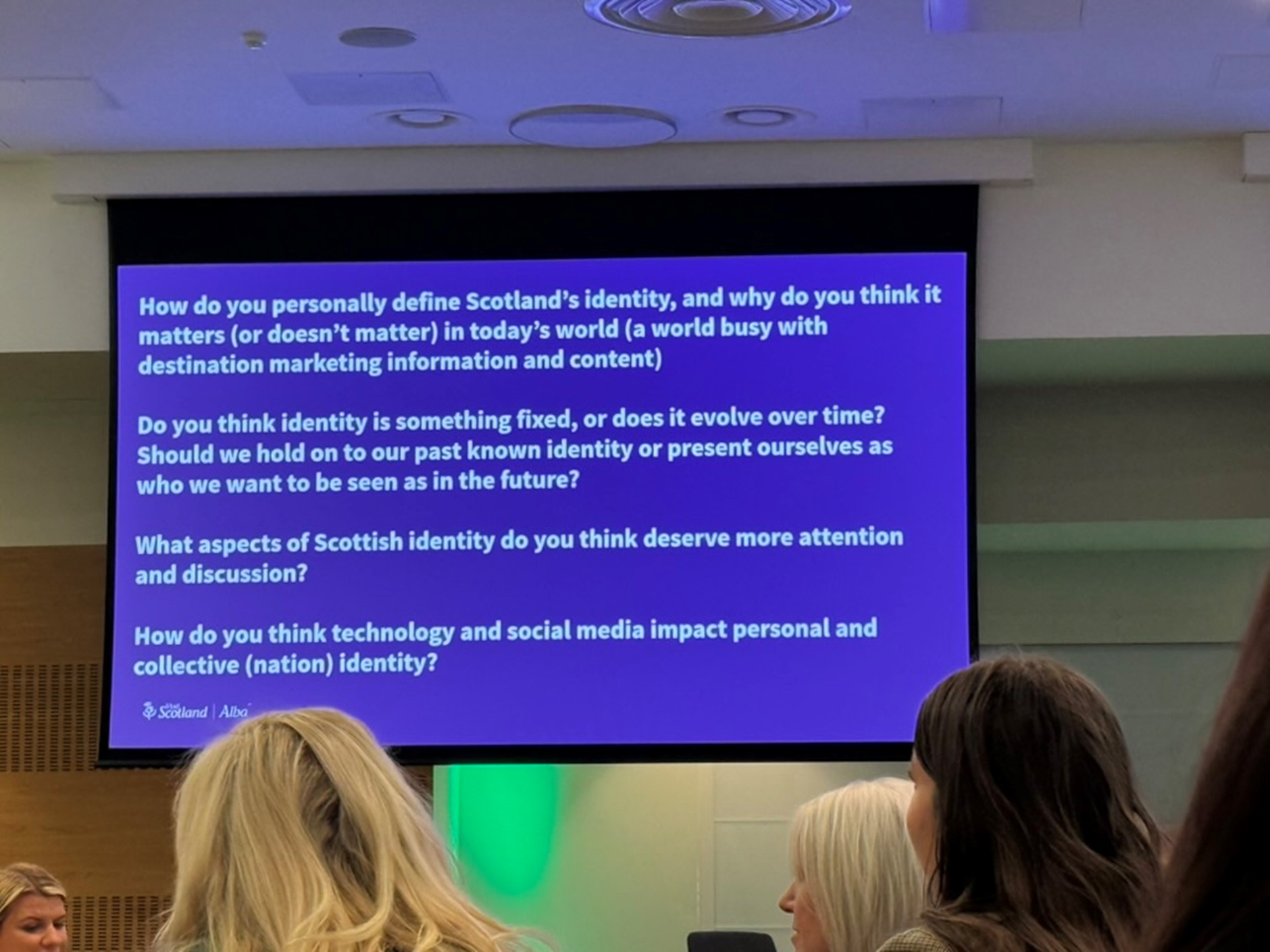
conference slide

A Portfolio Career

Throughout the day, we gained both practical and profound insights into what a career in the events industry truly entails. One of the most memorable sessions was the morning Meet With education panel, an exclusive opportunity for students to gain valuable knowledge about the MICE industry and hear real-world experiences from top industry professionals.

Neal Brownlee, Head of Business Events at VisitScotland, reflected on the various roles and titles he has held throughout his career, noting that a portfolio career—a career composed of diverse positions across hospitality and events—is quite common in this industry. He emphasised that gaining experience in different roles can be a significant asset, providing a well-rounded understanding of the many moving parts involved in running a successful events business.

Laura Wilson, Head of the Convention Bureau at VisitAberdeenshire, echoed the challenges and opportunities of a nonlinear career path. She stressed the importance of adapting to the evolving events sector, maintaining a strategic alignment of an organisation’s mission with the types of events it pursues, and cultivating strong professional relationships that prioritise collaboration over competition.

The Big Debate

One of the major recurring themes throughout the event was the recognition that the events industry is built on relationships. It takes time to develop the trusted connections and practical, experience-based skills that contribute to a successful career. This led me to wonder—how are event leaders supporting and mentoring newcomers to the field? Are students and new professionals being welcomed and supported in developing these crucial relationships and skills?

EventScotland demonstrated its commitment to fostering a supportive industry network by meaningfully incorporating students into its programming. Beyond the Meet With education panel, one of the main features of the day was a university-style student-led debate on corporate social responsibility within the events industry.

This debate featured two students who worked closely with events professionals to investigate whether corporate social responsibility initiatives were simply a tick-box exercise. It was fascinating to hear the aspirational ideals of sustainability initiatives contrasted with the practical, often economic-based realities of business. Professionals from across the country engaged in thoughtful discussion, carefully considering the implications of the points raised by the students. This was one of the many ways in which meaningful dialogue and a culture of mentorship were woven into the event.

Looking Forward

I am incredibly grateful for the opportunity to attend Journey: The Business Events Conversation. I left feeling like I had gained a clearer understanding of potential career paths, how to be a supportive and collaborative professional, and an inspiration to commit to my own professional development.

I was especially excited to see contemporary approaches to events management—many of which I am currently learning about—being put into action. For example, a completely plant-based menu as part of an environmental sustainability initiative, an accessible and neurodiverse-friendly event space, and interactive panels designed to foster meaningful connections between attendees. EventScotland demonstrated both the professionalism and the progressive potential of our industry, and I am looking forward to engaging further with this network and contributing to the future of business events.

Written by Hannah Stenzel, postgraduate student on MSc International Festival and Event Management at Edinburgh Napier University.
Exploring Creativity: Highlights from the British Arts Festival Association Student Conference

Written by Sadie Purves, student on MSc International Festival and Event Management at Edinburgh Napier University.
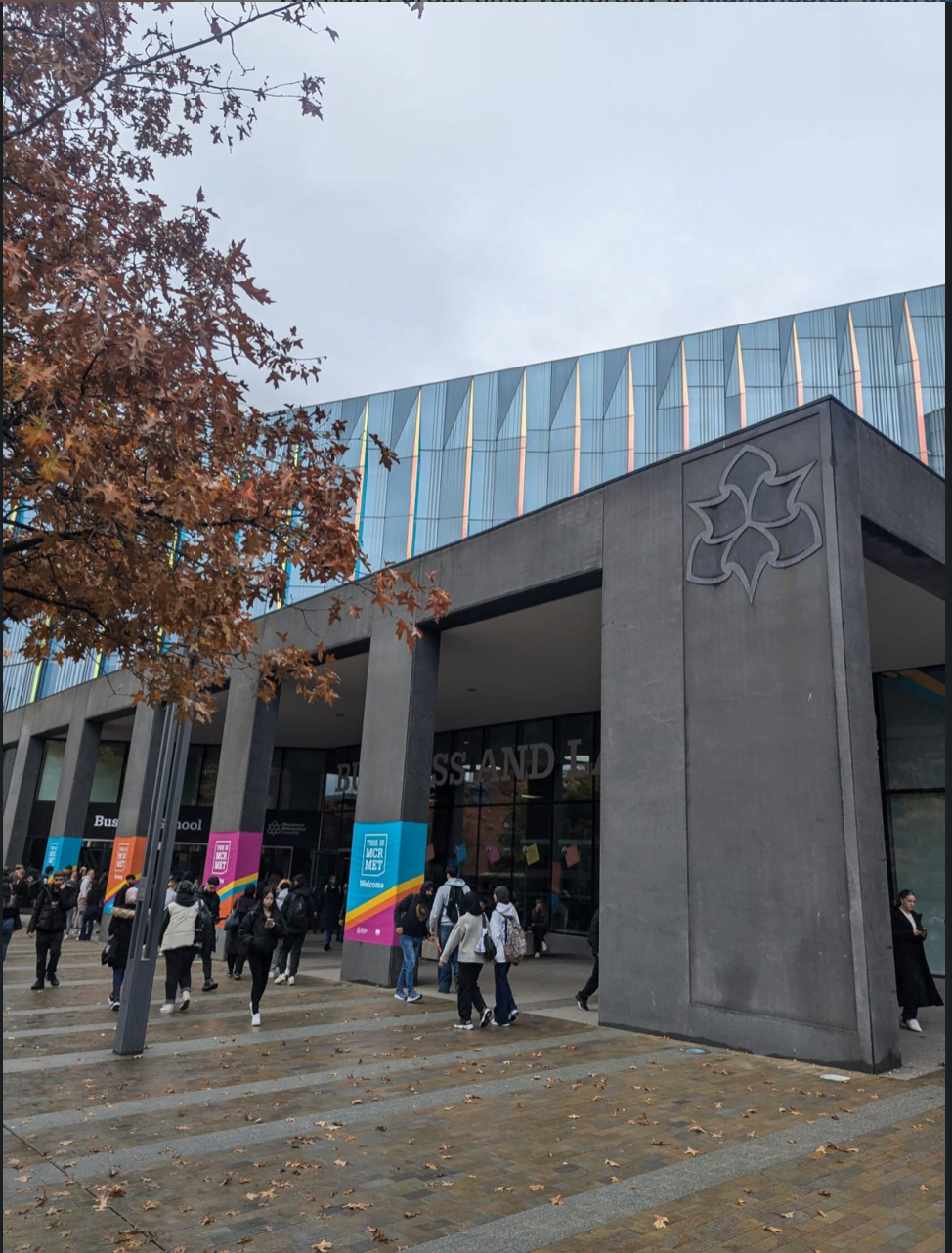
The British Arts Festivals Association (BAFA), the leading network and development agency for UK arts festivals, hosted a conference for students on October 9th at Manchester Metropolitan University. The conference, titled ‘A Festival Career’, allowed students to join a range of festival professionals to shape their own ideas about what a festival career could have to offer.

BAFA partners with festivals and UK universities, including Napier, to offer training opportunities for students. In this flagship event, BAFA aimed to bring together students, academics and industry experts with a presentation, panel and networking opportunities.

Key Themes and Panel

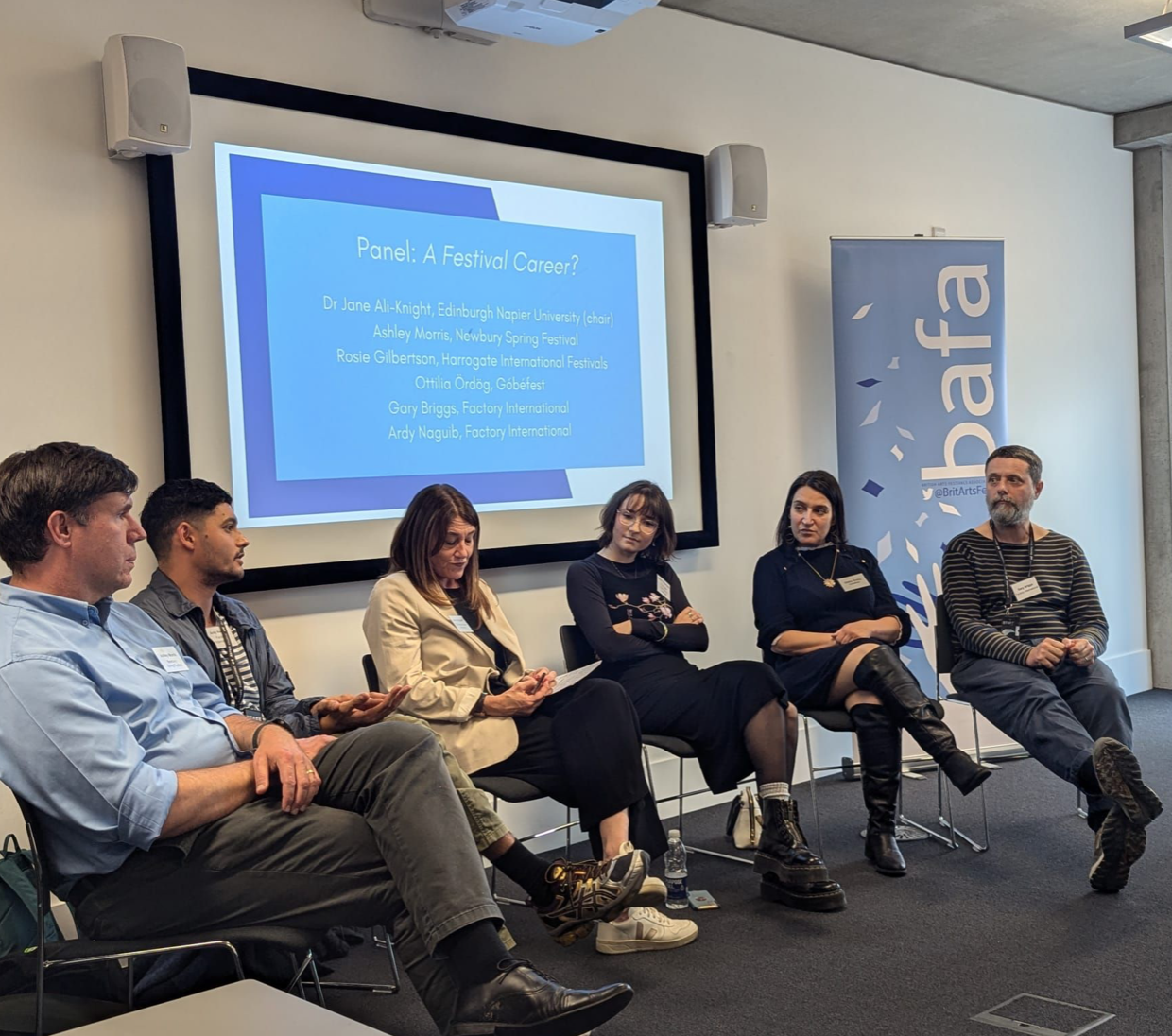
conference panel

The conference opened with an introduction by BAFA Director Fiona Goh, and the overall themes of the conference were covered, such as the future of the festival industry, how to get your start in the field and the reality of festival work.

Since the attendance was both undergrad and postgrad students from a range of universities across the country, we all had different academic backgrounds, which was a great aspect of the event. There was a presentation from PhD student Naomi Taylor about her research on how festivals give the audience an opportunity to connect with culture and how this is mediated by the audience and the festival team. Taylor additionally went into how BAFA is partnering with her to complete her PhD. As a student, this experience was enlightening to hear about, especially for those who may be considering further study.

The conference continued with a panel, chaired by Dr Jane Ali-Knight, from Napier. Those on the panel included Ardy Naguib (Factory International), Rosie Gilbertson (Harrogate International Festival), Ottilia Ördög (Góbéfest) and Ashley Morris (Newbury Spring Festival). The panel focused on how these individuals got their start in the industry and how this can be translated into advice for students. Everyone had very contrasting experiences from one another, and this exemplified that, despite your background, there are many different ways you could contribute to arts festivals. The experience of starting Góbéfest was discussed by Ottilia Ördög, and this gave a fantastic representation and advice to students on how to explore starting your own festival. Many of the chairs shared that organising your own events, whatever their size or scope, is one of the best ways to gain experience.

Networking and Mentoring

After the panel, we began our ‘Meet the Mentor’ session, which allowed students to ask any questions and start a dialogue with the festival professionals. This section of the conference was a great opportunity to make connections and start to build a network. We had ample opportunity to meet with all of the mentors as well as Fiona Goh of BAFA and lecturers in attendance from Manchester Metropolitan University. The sense of the community this conference adopted in such a short time, built upon shared experiences and genuine connections, was definitely an asset of the event.

A Festival Career

Overall, the BAFA Student Conference provided a valuable and inspiring experience for students considering a career in the festival industry. From insightful presentations to practical advice from seasoned professionals, the event highlighted both the challenges and rewards of working in this dynamic field. The networking and mentorship opportunities allowed students to connect with industry leaders and peers, building a foundation of support and insight to guide their career paths. This unique event underscored the possibilities within the festival industry and empowered students to envision and shape their own futures in the arts.