Behind Bars: Memory, Justice, and the Future of Penal Heritage Symposium

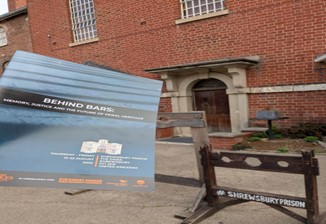
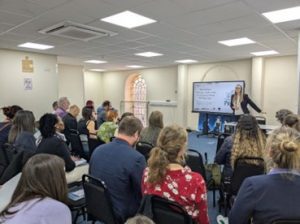
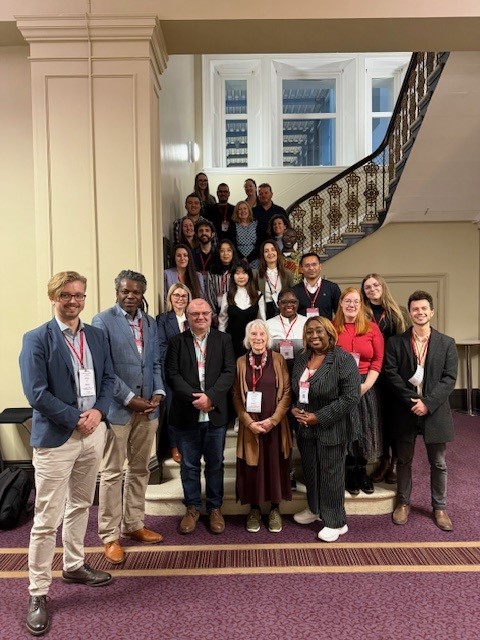
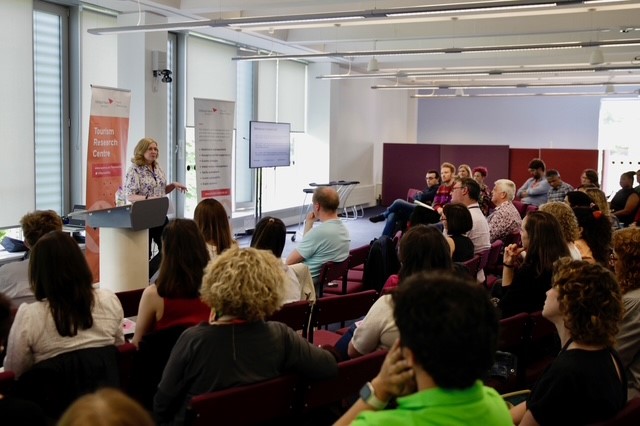
The “Behind Bars: Memory, Justice, and the Future of Penal Heritage” symposium took place on 21–22 August 2025 at Shrewsbury Prison. The event, led by Dr Brianna Wyatt (Oxford Brookes), Dr Rachael Ironside (RGU), and Professor Craig Wight (ENU) and hosted by Joel Campbell of the Cove Group drew an international audience of academics, practitioners, and museum professionals. The symposium represented a unique forum for cross-disciplinary debate on how penal heritage intersects with memory, justice, ethics, and dark tourism.

The setting itself was significant and helped to shape the discussion. Shrewsbury Prison, known as “The Dana,” first opened in 1793. It was rebuilt in the Victorian era before finally closing in 2013. Over its long history, it housed debtors, witnessed public and private executions, and served as a Category B men’s prison. It now operates as a heritage attraction, managed by the Cove Group. It serves as an events venue, where tours, education programmes, and commercial uses highlight the tensions between punishment, memory, and reuse. Presenting and debating inside a decommissioned prison served as a reminder to delegates that penal heritage is not abstract. Rather, it is embodied, emotional, and tied in with the stories that such institutions have often rendered invisible.

Keynote contributions by Dr Justin Piché (University of Ottawa) and Bev Baker (National Justice Museum) anchored the symposium. Justin Piché interrogated the ways prison narratives are constructed and consumed, while Bev Baker offered a critically-informed curatorial perspective on the balance between commemoration and commodification. Delegates repeatedly pointed to the value of such talks, and as one put it, “it was great to see some really excellent, critically-informed curatorial practice.”

symposium

The programme featured parallel panels on themes ranging from penal heritage in the experience economy to the ethics of repurposing decommissioned prisons, and from punishment exhibitions to prison narratives on screen. The mix of papers gave participants space to consider both theoretical insights and practical challenges, with one attendee noting, “the most valuable takeaway is the recognition that narratives—whose voices are included, how stories are told, and for whom, are central to every form of prison reuse.”

Delegates valued the opportunity to network and collaborate, and they welcomed the diversity of perspectives. Others emphasised the personal inspiration gained, noting that even without presenting they left inspired and with new points of contact.

Feedback highlighted the event’s influence on future practice. For museum professionals, it sharpened their awareness of the ethics of penal heritage interpretation, and the risks of reducing complex histories to tourism products. For academics, it reinforced the need to bridge disciplinary divides, connect with practitioners, and confront tensions between profit, ethics, and participation.

Looking ahead, the symposium is expected to generate an edited volume of contributions, and to provide the foundation for a collaborative funding bid, ensuring that the conversations sparked in Shrewsbury carry forward.

Delegates left with stronger networks and sharper insights, but with a collective recognition: whilst penal heritage will always be about buildings and history, it is also about memory, justice, silences, and how we choose to remember, interpret, and engage with difficult pasts.

Written by Professor Craig Wright 

Celebrating 3 Years of the Tourism Research Centre at Edinburgh Napier University

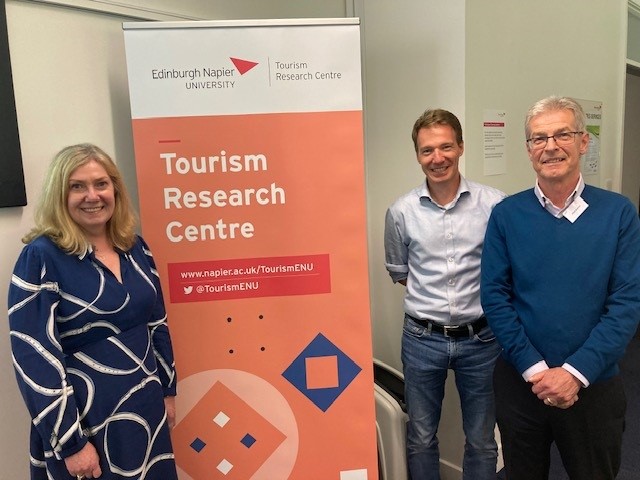
This month marks a significant milestone for the Tourism Research Centre (TRC) at Edinburgh Napier University as it celebrates its third anniversary. Since its launch in 2021, the Centre has established itself as a hub of impactful and collaborative research in the field of tourism and has not only met but exceeded many of its Key Performance Indicators (KPIs), delivering on its ambitious vision to be a leading voice in tourism research locally, nationally, and globally.

The Centre was conceived with a clear mission: to produce and disseminate high-quality, impactful research that supports sustainable, inclusive, and resilient tourism development. True to this mission, the TRC has led and contributed to numerous interdisciplinary research initiatives focused on, for example, sustainable destination development, community engagement and placemaking, visual methods research and economic impact in the tourism sector. The TRC has also played a vital role in supporting postgraduate research, mentoring early-career researchers, and providing students with opportunities to engage in applied research projects.

A key strength of the Centre has been its commitment to working collaboratively. Over the past three years, the TRC has extended and built strong partnerships with a range of external organisations including VisitScotland, the British Council, UNESCO and Edinburgh Tourism Action Group. These collaborations have enabled the Centre to co-create research that directly informs policy and practice, contributing to a more sustainable and resilient tourism industry.

The TRC has also fostered vibrant relationships with researchers from across the UK and internationally. Drawing on the expertise of Edinburgh Napier colleagues, the Centre has brought together a multi-disciplinary team of academics and research students from, for example, the School of Arts & Creative Industries and the School of Applied Sciences. We also work closely with our Visiting Academics from around the world, whose insights help to expand our global reach and academic exchange. These partnerships have enriched the Centre’s research output and extended its influence across academic and professional communities.

Among the Centre’s notable achievements are a series of high-impact publications, successful funding applications, commercial projects and the delivery of knowledge exchange events and workshops that have brought together academics, industry leaders, alumni, research students and policymakers. This year’s annual Symposium on Innovative Practice in Business Events will be held on 24th June. Our LinkedIn page is an active platform for engagement and dissemination, featuring a fortnightly blog written by our researchers, research students, alumni, and visiting academics — sharing knowledge, best practices, and innovative ideas with the wider tourism community. Please follow the for all our news.

Looking ahead, the TRC remains focused on its core themes of sustainable tourism destinations; cultural heritage management; wellbeing and health tourism; critical studies in tourism; and sustainable festival and event experiences. The Centre is well positioned to continue its leadership in tourism research, particularly as the industry navigates the complex challenges of climate change, evolving consumer behaviour, and technological disruption.

This milestone year is also a moment of transition, as I will retire at the end of August 2025. I was delighted to be appointed as Lead in 2022 and have thoroughly enjoyed shaping the Centre’s vision and success, working with colleagues, businesses and organisations to build a centre of excellence in tourism research. I leave the TRC in the very capable hands of my colleagues – more on this in a blog towards the end of the summer.

As we celebrate this three-year milestone, we extend our thanks to all the collaborators, supporters, and researchers who have contributed to the Centre’s success. The journey so far has laid a strong foundation for continued interdisciplinary growth and impact, and we look forward to what the future holds.

Anna leask headshot

Written by Professor Anna Leask, Tourism Research Centre Lead

Meet the PhD: Hendrik Lattekamp

Welcome to “Meet the PhD”, a section dedicated to introducing to you our PhD candidates, where you will have the opportunity to get to know them and their research and find out how why they have chosen Edinburgh Napier University, and what excites them the most about their PhD journey.

Today, we have Hendrik Lattekamp, a PhD candidate who is currently in his 1st year and decided to pursue a PhD after almost 20 years of working in the aviation industry. His PhD title is “Monitoring and evaluation indicators for just transition to net zero in tourism and events” with supervisors Dr Constantia AnastasiadouDr. Alexandra Witte, Dr Afiya Holder, and Dr Sarah Bortwick Saddler. Hendrik is also an active member of the TRC PhD community, and he has been serving on the organising committee for Edinburgh Napier´s inaugural Doctoral College Student Conference in December 2024. Hendrik has been inspired by his PhD colleagues, and we hope that you will be inspired by reading his words and the enthusiasm he has for his PhD and for actively contributing to research.

If you would like to know more about Hendrik´s research or if you have any questions, you can contact Hendrik here: S.Lattekamp@napier.ac.uk

If you’re interested in undertaking a PhD with us, please email the Tourism Research Centre Lead, Prof. Anna Leask – a.leask@napier.ac.uk

__________________________________________________________________

“I have worked in aviation for almost 20 years and currently serve in a leadership role that involves guiding cabin crews and engaging with a diverse range of passengers for a major European airline. Over the years, I have witnessed how the airline industry brings families, cultures, and businesses closer together, whether through personal visits or trade connections. At the same time, I have encountered many colleagues who are just as deeply passionate about the industry as I am, even as airlines grapple with escalating environmental and social responsibilities. This dynamic—the industry’s power to unite people set against its pressing sustainability challenges—continues to captivate me.

Currently, I am in the first year of my doctoral research at Edinburgh Napier University, where I examine non-financial reporting in the airline industry. My interest in this topic began when I noticed how many airlines struggle to communicate their environmental and social goals and efforts in a way that is both transparent and cohesive. Investigating this phenomenon through the lens of non-financial reporting seemed natural, as these disclosures essentially serve as an airline’s “executive summary” for its broader impact—ranging from greenhouse gas emissions and resource management to labour practices and community engagement. Although several voluntary and mandatory frameworks offer guidelines, there is still a lack of consistency in what gets reported, which can make it difficult to compare airlines or understand their actual impact. Wanting to uncover the root causes behind this fragmented reporting, I decided to examine these disclosures more systematically, looking not only at what is reported but also why certain metrics are highlighted over others.

If we can trace how these documents are produced, particularly the cultural, regulatory, and strategic pressures that guide them, we may identify ways to help both academic researchers and the wider public better grasp an airline’s underlying motives. We might also discover strategies for improving the clarity and relevance of the disclosures themselves, especially when airlines are required to juggle multiple standards and stakeholder expectations. By exploring which reporting tools airlines choose to adopt (and why), we can shed light on whether such choices stem from genuine sustainability commitments, competitive pressures, or mere compliance. Ultimately, my goal is to develop insights that not only help airlines improve the quality of their communication but also facilitate a deeper understanding of the fundamental drivers behind aviation’s efforts to address environmental and social challenges.

One of the most rewarding aspects of my PhD so far has been becoming part of a vibrant research community. Engaging with fellow PhD researchers has been invaluable, not only in refining my work through discussions and feedback but also on a personal level. I have come to understand that undertaking a PhD is as much an intellectual challenge as it is a personal one. Being surrounded by a highly motivated peer group that supports one another has been invaluable in staying focused and driven. Whether it is sharing practical advice on navigating university procedures, exchanging ideas in academic discussions, or simply offering encouragement during challenging moments, this sense of community makes a real difference. A standout experience in this regard, has been serving on the organising committee for Edinburgh Napier’s inaugural Doctoral College Student Conference, in December 2024. As Head of Logistics, I have collaborated with fellow PhD candidates to manage registration, catering, and event coordination. Seeing the breadth of research taking place across the University has been inspiring and has reinforced how much we gain from engaging with colleagues from different disciplines. The opportunity to connect, exchange perspectives, and contribute to a shared academic space has been a highlight of my PhD journey so far.

Embarking on a PhD at a later stage in life has entailed sacrifices and a steep learning curve, but the intellectual challenge has been incredibly rewarding. Meeting other researchers, finding answers to the questions that have long fascinated me, and viewing the aviation industry from entirely new perspectives keeps me motivated. I hope my story encourages others—particularly those from non-traditional backgrounds—to consider doctoral study. If you share my research interests or would like to connect, I’d be happy to continue the conversation.”

Artademic: Art practice as research

‘A picture is worth a thousand words’ (origins unknown) is a much-repeated quote. Although (arguably) simplistic, there is something to this!

I am an artist. I’m also an interdisciplinary and engaged academic who strives to conduct impactful research with outcomes that make a difference. While I do work with ‘traditional’ research methods, my passion is for arts-based, creative, and participatory research. My research is concerned with cultural tourism, festivals, and placemaking, and is often framed by public engagement.

Sometimes, I’m asked how I ended up working in a Business School. It was a circuitous journey. I studied an undergraduate degree in fine art, then a postgraduate research degree in art and design (many) years ago. I then worked across the cultural and creative sector, before my PhD in tourism and festival studies here at Edinburgh Napier. My PhD investigated stakeholders’ perceptions of the image of the Edinburgh Festival Fringe, and I used visual methods and semiotics. Since then, I established the Visual Methods and Ethnography in Interdisciplinary Research Group in the university. I’m also the Public Engagement with Research Lead for The Business School.

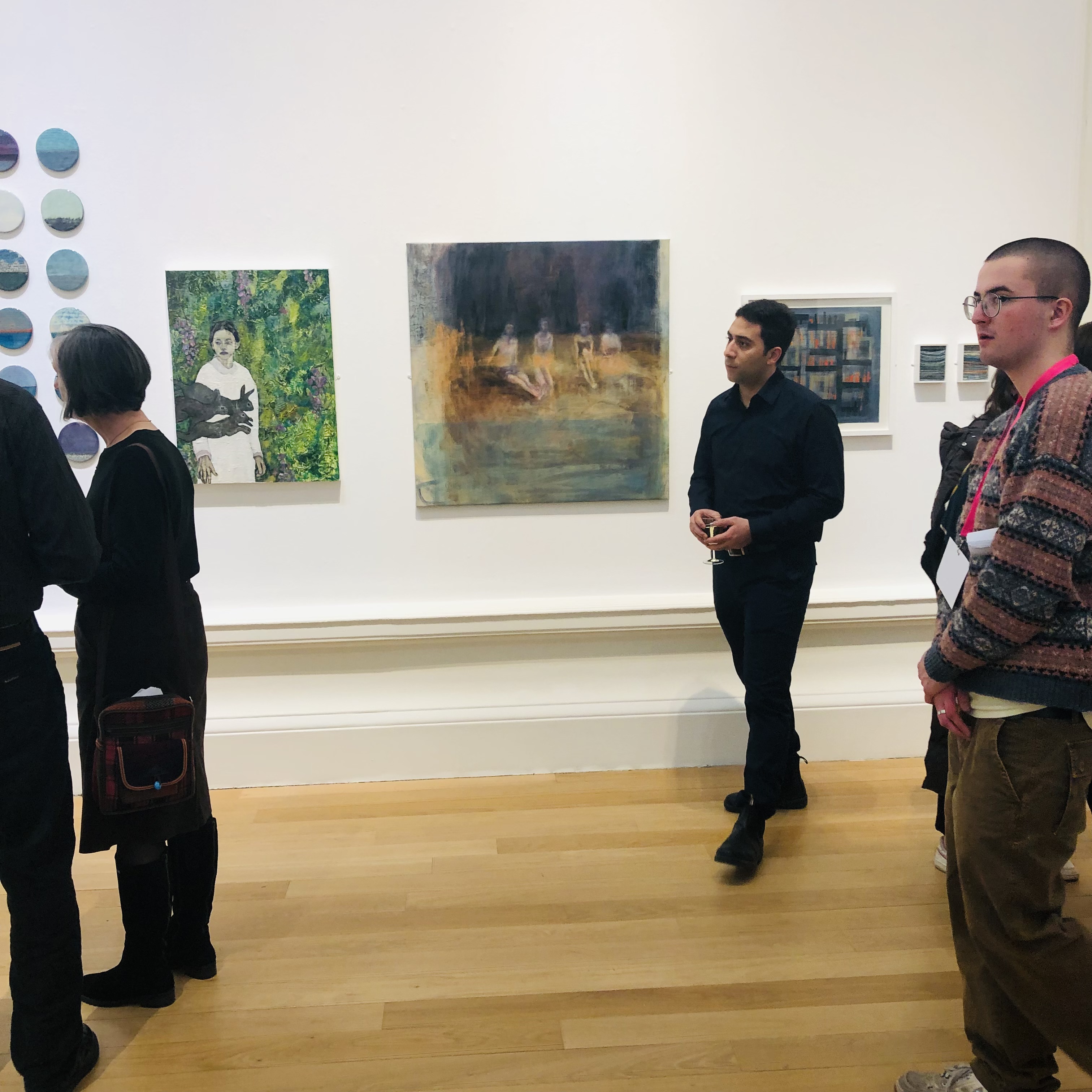
There are two strands to my art practice and how it informs my research. Firstly, I use my own art practice to complement my research, and vice versa. My personal practice is mainly painting. I research through drawing, memory, and imagination, and my work is underpinned by reading. Recent work explores the performance of tourism and leisure, alongside relationships between the tourist gaze and the visual practices and imaginaries of tourism. I’ve had my paintings selected for national and international exhibitions, including Visual Arts Scotland (VAS) and the Royal Scottish Academy (RSA). This year, I curated a group exhibition during the Edinburgh Festival Fringe. I’ve also exhibited my work in galleries and sold to private collectors.

Returning to ‘a picture is worth a thousand words’ (origins unknown), a second way that my art practice impacts upon my research is through using visual and participatory methods. This involves working with different groups of people to co-create outcomes and outputs. For example, I’ve co-designed participatory and creative ‘walkshops’, partnering with the Museum of Walking. I’ve used drawing and participatory mapping with residents of Wester Hailes in Edinburgh to gain insights into the semiotics of Edinburgh as a festival city. I’ve led a UKRI-funded interdisciplinary creative research and public engagement project working with community partners in Wester Hailes. Recently, I led a Royal Society of Edinburgh (RSE) research project working with Professor Anna Leask, alongside tourism and festival stakeholder partners. We used participatory and creative methods to investigate overtourism, community engagement, and placemaking in Edinburgh’s historic centre.

While traditional research approaches such as interviews and questionnaires are undeniably valuable, I argue that arts-based, creative, and participatory research can make a difference. They can engage and impact on people, policy, and practice. You don’t need to be an artist to use arts-based methods, so why don’t you try some approaches?

Blog written by: Dr Louise Todd, Associate Professor and Deputy Lead of the TRC

Website: https://artademic.co.uk/

Instagram @louisetodd.art

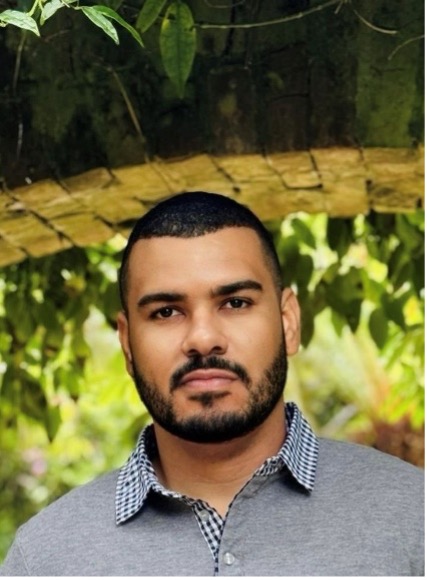
Meet the TRC Alumni – Dr Shemroy

Welcome to “Meet the TRC Alumni”, a section dedicated to finding out what our TRC PhDs are doing after successfully completing their PhD. This is an opportunity to learning more about the multiple careers offered after doing a PhD with us, as well as catching up with our brilliant researchers.

Today, Dr Shemroy Roberts talks about his PhD journey and his career after successfully discussing his PhD in November 2023. From St. Vincent and the Grenadines to Scotland, let’s find out about Shemroy Roberts’ Journey of growth, and resilience.

Dr Roberts is also organizing together with ENU colleagues “Roots Revived: Memory, Legacy, Heritage and Tourism Conference”, taking place on October 17, 2024, at our Craiglockhart Campus. The conference provides a platform for exploring the complex dynamics of difficult and dissonant heritage within the broader context of memory, legacy, heritage, and tourism. Recognising the lasting impact of historical traumas, contested narratives, and marginalised voices, this conference seeks to promote dialogue, understanding, and reconciliation. The conference also seeks to explore the ethical, social, and cultural complexities involved in commemorating and engaging with painful histories. If you would like to know more, and send an abstract, please visit the following webpage: https://lnkd.in/eDCFVkJb

“I am Shemroy Roberts, hailing from the Caribbean nation of St. Vincent and the Grenadines—a chain of islands covering 150 square miles and home to approximately 104,000 people. I come from a very large family, with seven siblings on my mother’s side and twelve on my father’s, as far as I am aware. My mother was a shopkeeper, while my father was a politician, drove delivery trucks, tilled the soil, cultivated fruits and vegetables, and raised pigs. I am the only one of my mother’s children to have attended university—a milestone made possible by the unwavering support of my parents. Their influence has been instrumental in my educational journey and subsequent successes, and I am grateful for their contributions.

In 2012, I earned an Associate’s Degree in Hospitality Studies from the St. Vincent and the Grenadines Community College. This achievement was just the beginning of a journey that would take me far beyond the shores of my homeland. I went on to pursue a Bachelor of Science in Tourism and Hospitality Management from the University of the West Indies, graduating in 2018. It was during my time in this programme that I stumbled upon Scotland—quite serendipitously—while writing a paper on sustainable tourism practices. Intrigued by Scotland’s approach to tourism and its rich history, I was able to visit the country. What I discovered completely captured my heart.

My interest in Scotland led me to research universities offering advanced tourism programmes, and I discovered Edinburgh Napier University through a YouTube video featuring Dr. Ross Tinsley discussing International Tourism and Destination Marketing. That same year, I embarked on a Master of Science in International Tourism Marketing at Edinburgh Napier University. I knew immediately that this was the place for me. The programme offered everything I was looking for—the tools and resources to help me understand how to develop tourism products and services that could elevate my home country, St. Vincent and the Grenadines, as a premier destination in the Caribbean.

My academic interests have always been driven by a desire to contribute meaningfully to my home country’s development, to educate visitors about our destination and its culture and history, and to enhance the socio-economic well-being of local communities. I began my PhD at the start of the COVID-19 pandemic, a time marked by significant global events such as the tragic death of George Floyd, Black Lives Matter protests, the controversial removal and defacement of statues linked to the transatlantic slave trade, and, more recently, the far-right riots in the UK and Europe, have continued to fuel discussions on racism, fascism, and Islamophobia. These events underscored the relevance of my research, which focused on visitor engagement with UK slavery heritage museums. My work has provided valuable insights for academics, museum professionals, and society at large, contributing to a broader understanding of how we engage with our shared history. It is, therefore, important that we stay mindful of our history, including the transatlantic slave trade and other significant events that have shaped our present. By reflecting on these past injustices, we can work together to avoid repeating them and address issues like war, racism, fascism, and enslavement. As a scholar, I have a role to play in shaping the society we want through research, open discussion, and mutual respect —a society that values peace, freedom, democracy, inclusivity, and development for all.

As a person of mixed race, I have always been aware of the nuances of my identity but never really fixated on them. However, I frequently face questions about my identity from friends and even family. My PhD research, however, led me to a deeper understanding of my heritage, revealing that I am connected to both the enslaved and the enslavers. My mother is a descendant of the enslaved, while my father’s lineage traces back to the enslavers. This discovery was both profound and enlightening, allowing me to embrace the duality of my heritage and appreciate the complexities of my identity.

My PhD journey was not without its challenges. The COVID-19 pandemic, a volcanic eruption in my home country, and my mother’s battle with type 2 diabetes, which led to the amputation of her left leg—took a considerable toll on my mental health. With self-determination, I forged ahead amidst these adversities to complete my PhD on time. I am immensely proud to have reached this summit and overcome the many obstacles. I was fortunate to have the guidance of Associate Professor Craig Wight and Professor Anna Leask, whose constructive feedback and support were invaluable throughout my studies. I am deeply grateful to them for their mentorship. I also leaned on a strong support network, including family and friends, who provided encouragement and kept me grounded during difficult times.

Before pursuing my PhD, I worked in various roles in my home country, including as an insurance salesperson, a secondary school teacher in Food and Nutrition and Family and Human Resources Management, and a hotel receptionist. During my PhD, I had the opportunity to teach several modules in research, tourism, hospitality, and festivals and events at both undergraduate and postgraduate levels at Edinburgh Napier University. My experience in academia has been immensely rewarding. Currently, I serve as the Course Coordinator in Culture and Heritage Tourism and as a research supervisor for the management programmes at the University of the West Indies Global Campus, where I have been in these roles for the past four years. Additionally, I have been an Assistant Chief Examiner with the Caribbean Examinations Council for the past eight years.

My PhD has equipped me with the skills to succeed in any workplace and has provided me with the tools to make meaningful contributions to research. It has also expanded my professional network, allowing me to connect with scholars worldwide, some of whom I now collaborate with as an editor for the Journal of International Tourism Policy. I have been fortunate to receive several awards at conferences, a testament to the strong presentation skills my PhD has honed. Additionally, my PhD has supported my grant-writing efforts, enabling me to secure funding for community projects, with more initiatives on the horizon.

My hobbies and interests include listening to classical music, cooking, baking, reading, traveling, and spending time with friends and family. And yes! I must confess, Scotland has left its mark on my culinary skills and salivary glands. I absolutely love haggis!
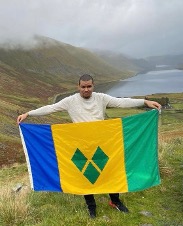
Dr Shemroy holding flag

To new and prospective PhD students, my advice is simple: start writing early, value your supervisors’ guidance, and engage actively in diplomatic and constructive discussions. Make use of university resources, set realistic deadlines, learn from others, and remember to balance work with self-care. Most importantly, be kind to yourself, stay humble, and above all, enjoy the experience.

“Bidh àite sònraichte aig Alba agus Oilthigh Napier Dhùn Èideann an-còmhnaidh nam chridhe,” meaning “Scotland and Edinburgh Napier University will always hold a special place in my heart.” The lessons I have learned and the connections I have made here will stay with me forever.

“Nisi sapientia frustra,” meaning “without knowledge, all is in vain.”
Festivals as networked communities, and a PhD journey to Tilburg University

By Dr David Jarman

In the world of festivals and communities, relationships matter. Festival managers and producers understand the overlapping links, both professional and private, amongst their colleagues. Freelancers and graduates developing their careers appreciate that opportunities may come by way of personal connections. The future success of entire festival organisations can depend on forging, maintaining and exploiting associations with collaborators, suppliers and allies.

Academic literature in the field of festival studies has sought to better understand the interpersonal dimension of these events, from different conceptual standpoints, in a range of contexts. However, in this festival environment there remains an opportunity, if not a need, to establish the place of network-based research methods and perspectives in the development of academic and industry understandings of social relationships. Networks underpin these connections and communities, from simple ties between pairs of people, to complex webs spanning hundreds of individuals, venues, performing companies, supply chains and audience members.

Earlier this summer, just before the beginning of term, I headed over to The Netherlands to complete my doctorate. The research is a response to the question: “What can social network analysis, and a network-orientated perspective, contribute to understanding the relationships within festival and creative communities?”

My PhD was with Tilburg University, where I had been a student for three years through the period of Covid lockdowns. The empirical work that contributed to it was built up over a number of years though, through a range of different journal articles, conference presentations and book chapters. It has been a privilege and an interesting journey over that time to complete this range of different projects, and to work with different people along the way. Taking this “by publication” route meant that I was able to focus on different projects, involving an array of primary data types, and various research methodologies. I was also able to find different homes for my work, with the support of many editors and colleagues along the way. Presenting my work at different conferences and events allowed me to tell people about my work and generate some interest in the network approach that I’ve been taking.

Throughout my work I’ve been focusing on different types of social network analysis. SNA is a growing area of academic research, partly driven by the opportunities that it presents, but also because of the interest in networks that has developed over the past 20 years. This interest is partly driven by widespread use of social media and communications technologies, but also through the shared experience of the Covid-19 pandemic and its spread across the globe. I was able to take this interest and apply it to the context of festivals and events, showing that there is a lot to be learnt and concluded from a network focused approach.

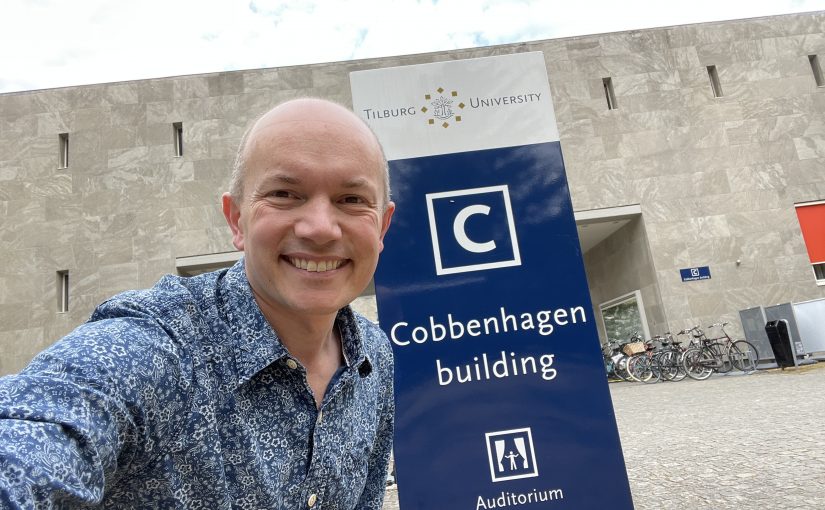
Going through the Dutch system was very interesting and rewarding, and very different from the experiences of colleagues who went through a UK system. My trip to Tilburg in late summer was primarily for a public defence of my PhD: I was given an hour on stage in which to present my work, and then to answer questions from a panel of assembled professors. It was a good experience, and my supervisors were confident that I would get through it, so I was happy to have my family with me to see it! I also produced a public publication so to speak: this took the form of multiple copies of a printed book with a shiny cover, that people who attended the event were free to take away with them. It has been an interesting journey to turn my PhD thesis into something which can quite comfortably sit on a bookshelf in a library, or in someone’s study.

The publication of the book in this form, and also as a PDF freely available from the Tilburg University repository, means that the various publications that I collected over the years are now in one place. If anyone wants to know what I’ve done over the past 10 years or so, they can head to the Tilburg University website and there it will be.

The journey to Tilburg was fantastic, and the good weather really helped. I was also very happy that one of my colleagues at Napier, Professor Jane Ali-Knight, was one of my supervisors, and therefore also at the public defence. Working with her, and my director of studies Professor Greg Richards, has been a really rewarding and valuable experience in itself. Greg and I, for example, published a special issue of the Event Management academic journal in 2021. We also collaborated on some events through the ATLAS group of academics, and we shall continue to build on this.

Final thanks from me must go to two groups of people. One is my family, my partner and young son who came out to the Netherlands with me. We enjoyed some lovely days in Amsterdam, Tilburg, and nearby Breda. The other group of people are the various administrators, support staff and Beadles who helped me at Tilburg University. They are a fantastic team, and I was really lucky to work with such great people through the six-month journey from thesis submission to public defence and book publication. The Tilburg campus is beautiful, the atmosphere is lively, and I was very well looked after by everyone I met.

In terms of my work as an academic at Edinburgh Napier, I am now in a position to tell anyone that there is a collected body of my work in that book. I’m also very happy that I can now call myself Dr. This will open up future opportunities to me in terms of research and other work, with additional freedoms to treat each project on its own merits rather than being part of a bigger endeavour. I will, of course, retain my interest in festivals, networks, and communities, and I will continue to share this with people at every opportunity that comes my way.

VM&E (Visual Methods & Ethnography) Future Visualities Symposium draws leading interdisciplinary academics and maps agenda for future research

by Dr Ashleigh Logan-McFarlane

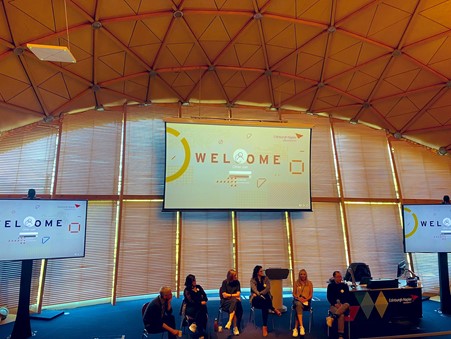
An interdisciplinary team of researchers from Tourism and Marketing launched the Edinburgh Napier Visual Methods and Ethnography (VM&E) in Interdisciplinary Research Group with their first face-to-face symposium, ‘Future Visualities’, on 1st June 2022.

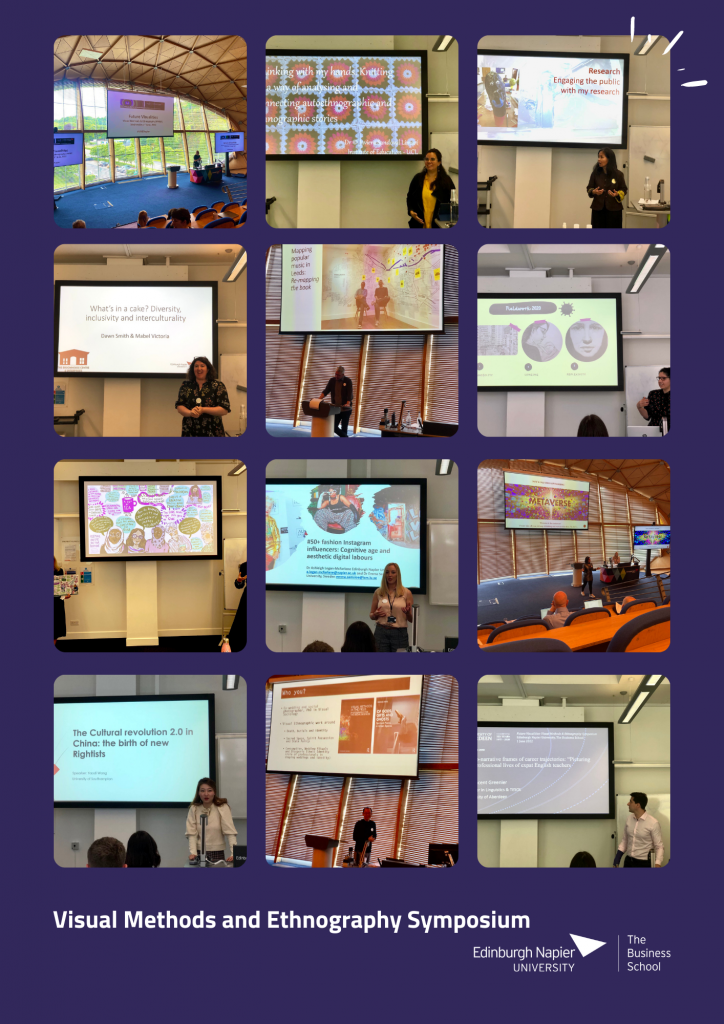
The sold-out event attracted more than 50 leading academics from UK and international institutions, including an array of established, mid and early career researchers and international PhD students from France and the Netherlands. ‘Future Visualities’ was financed by Edinburgh Napier Researcher Development Fund and sponsored by the Tourism Research Centre. The day featured 3 keynote presentations showcasing innovative interdisciplinary visual and ethnographic methods including: screencast videography, photography, poetry and (auto) ethnography, arts-based methodologies, visual representations, and mappings (ethnographic, archival, pedestrian and psychogeographic). The symposium showcased an array of visual methods and ethnography across 16 paper presentations and 7 posters, which demonstrated application of these methods in a variety of contexts, including linguistics, work, identity, education, leisure, law, touristic landscapes, semiotics, and the digital realm.

A panel discussion led by Dr Ashleigh Logan-McFarlane and Dr Kat Rezai on the challenges of publishing visual research featured keynote speakers Dr Fatema Kawaf, Dr Brett Lashua, Dr Terence Heng and our own Dr Louise Todd (VM&E Research Group Lead), who reflected on and outlined how to navigate the publishing process.

The launch of the Edinburgh Napier VM&E research group was a great success. Not only has it helped to establish new projects with external colleagues, but plans are underway for an edited publication on VM&E research. Watch this space for the call for contributions!

Link to VME Future Visualities Schedule and Book of Abstracts


a collage of pictures taken at the symposium, each showing a speaker showcasing their research on the topic