“Attending the Host City Conference 2025 in Glasgow was a valuable learning experience”

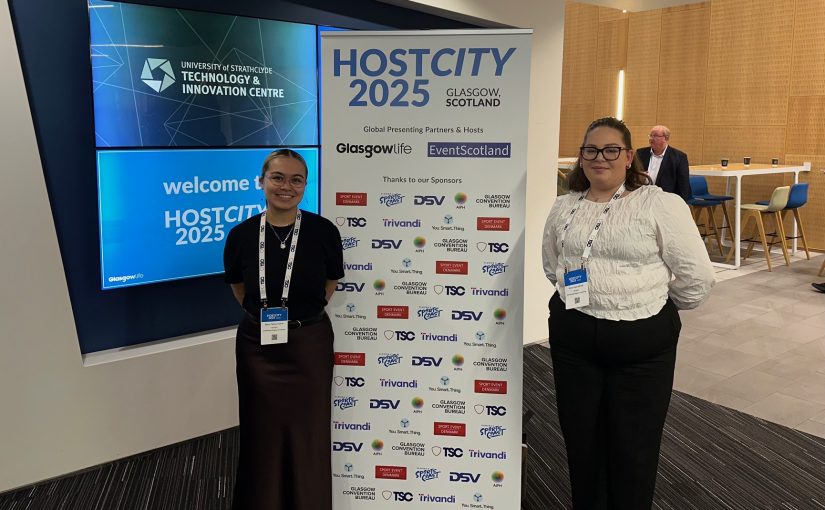
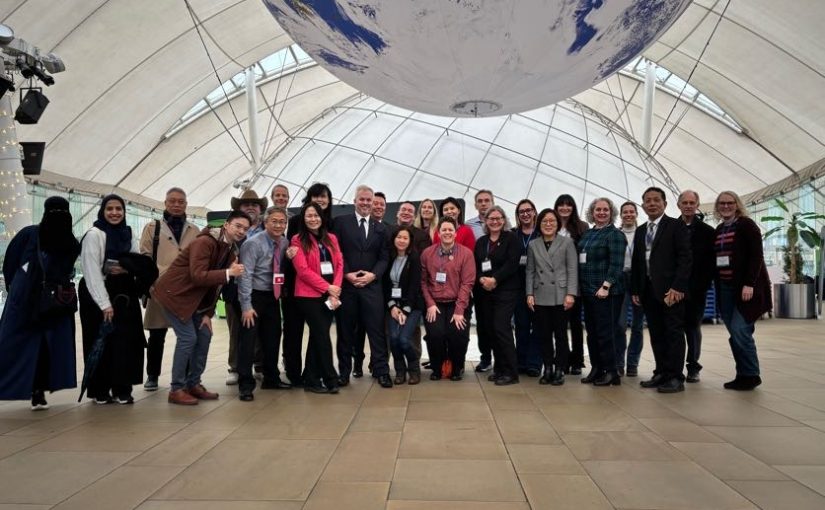
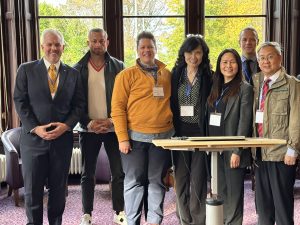
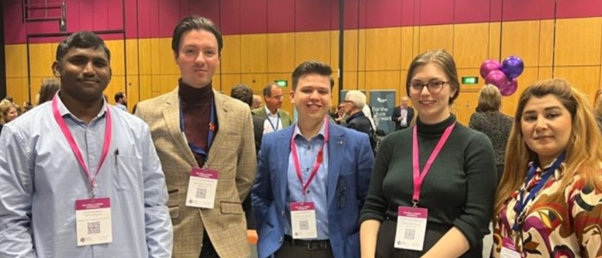
Attending the Host City Conference 2025 in Glasgow was a valuable learning experience as third-year Festival and Event students at Edinburgh Napier University. The conference provided us with the opportunity to apply what we had learned in our course to real-life examples and expand our professional network within the events sector.

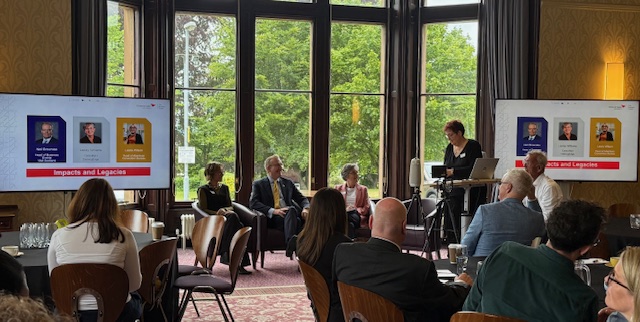
The Host City Conference brings together professionals from across the global events industry, including sporting, cultural, and major international events. Speakers represented backgrounds from host cities, event organisations and governing bodies. Through a series of panel discussions, the conference explored key themes such as event legacy, impact, and the future direction of the events industry. These discussions offered valuable insight into the complexity of event planning and delivery at a large scale.

An element and recurring topic that stood out to us was the evolving role of host cities within the event planning process. Rather than being solely venues for events, host cities are now increasingly involved in strategic planning and decision-making. A strong emphasis was placed on ensuring that host cities benefit meaningfully from events, particularly in terms of economic, social, and cultural legacy. This shift highlighted the importance of collaboration between organisers, stakeholders, and local communities.

Another important theme at the conference was the increasing focus on sustainable practices and inclusive planning, which closely reflected the topics we have studied at Napier. A few examples of panel discussions include sustainable catering practices and alternative sustainable public transport routes for event goers. This helped us connect our theoretical knowledge with real-world practice. Concepts from our lectures became much clearer when we heard practical examples from industry professionals. The conference also highlighted how the events landscape continues to evolve.

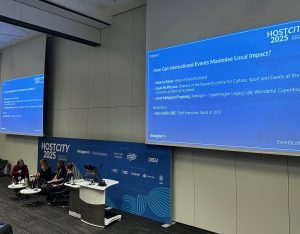
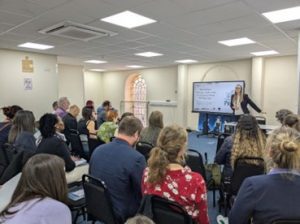
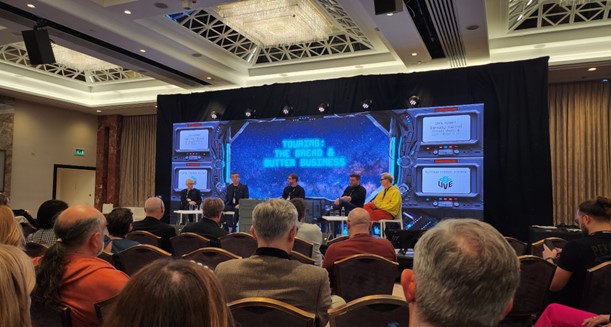
conference presentation

It was inspiring to be surrounded by professionals who are passionate and involved in delivering major, well-known events. The opportunity to speak with them during coffee and lunch breaks was particularly insightful, as it provided an informed perspective into the range of career paths available within the events industry. Hearing accomplished individuals share their career journeys and experiences made it clear that building strong professional relationships is one of the most important aspects of working in this sector.

Attending the conference has been an inspiring and motivating experience for us as students. It allowed us to think about our future careers in the events industry and how we can positively contribute to event planning and execution with sustainability, inclusivity and legacy.

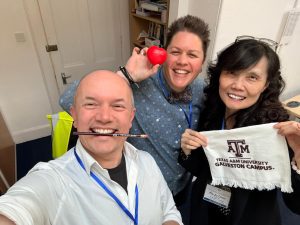
We would like to extend our thanks to Ben Avison and Host City 2025 for the generous opportunity and to Dr David Jarman for encouraging students to attend such insightful events by presenting and facilitating experiences such as this.

For Host City 2025 Highlights watch this video: https://youtu.be/TG0Nay2U5SY

Written by Anna Kjærulff Dal & Maya Takagi-Vlahek, BA(Hons) International Festival and Event Management, third year students

33rd Nordic Symposium on Tourism and Hospitality Research

From the 17th-19th September, I had the pleasure of attending the 33rd Nordic Symposium on Tourism and Hospitality, hosted by the Centre for Regional and Tourism Research (CRT) on the island of Bornholm, Denmark, under the theme “The transformative power and potential of tourism”.  The Nordic Society for Tourism and Hospitality Research (Northors), who organise the annual Nordic symposium, provides a platform for the development of hospitality and tourism in Nordic countries- Denmark, Sweden, Finland, Norway and Iceland, and surrounding areas in a European and global context.

picture of airport

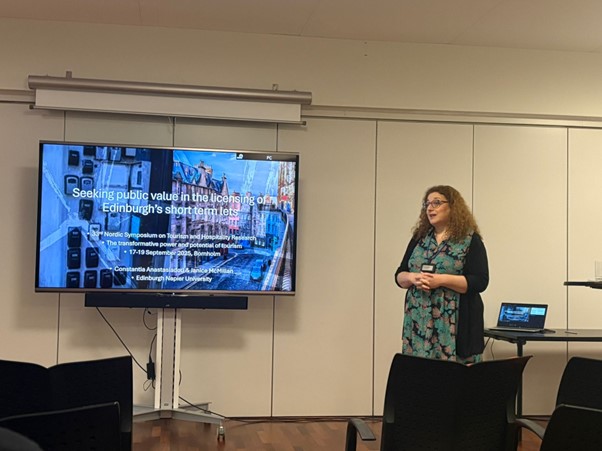
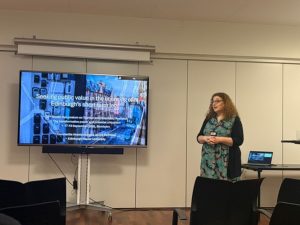
I presented findings from a public engagement activity on how making souvenirs at the destination can support visitor environmental education, with Drs. Xinguyu (Chloe) Tao and Sam Vettese from the School of Design at Edinburgh Napier University.  I presented a second paper titled seeking public value in the licensing of Edinburgh’s short term lets from my interdisciplinary work with Dr. Janice McMillan, Human Resource Management Group, at Edinburgh Napier University. Both papers were very well received and led to some very engaging conversations about what we truly value in tourism and its transformative potential for destinations, businesses, visitors and individuals. I was able to reconnect with researchers from Denmark and make new connections with participants from Finland, Norway and Scotland!

Professor giving presentation

The island setting was significant for the conference – Anders Wiberg, director of destination Bornholm Forside – Destination Bornholm ApS – vi arbejder for turismen) discussed how the island has  positioned itself as a year-round destination for visitors, capitalising on nature, music and the island’s reputation as Denmark’s leading gastronomy destination.

The Green Solution House Hotel (GSH) which was the conference venue, is a global pioneer of sustainable hotel operations and design, named by The Guardian (UK) as one of the most sustainable hotels in Europe in 2021.

One of our evening activities involved setting on an island food tour, where we were lucky to sample locally produced drinks and participate in an interactive session with local entrepreneurs on the future of Bornholm as a food destination.

Additionally, Bornholm is a Maker’s Island. It has a vibrant arts and craft scene and is the first place in Europe and first island in the world to be designated World Craft Region, for producing unique handicrafts.

Edinburgh Napier Visiting Professor, Greg Richards, provided one of the keynote presentations entitled (Transforming Culture In the Curated Countryside) as part of the CROCUS project (www.crocus.europe.eu) around the transformation of tourism and experiences in rural areas through the transfer of gentrification processes usually associated with urban development.  Another highlight of the conference was the panel conversation “Enough with the rhetoric: How can we effectively work with tourism’s growth and challenges in the years to come?  considered how the work academics can inform broader discussions around the value of tourism and tourism policy priorities.

During the gala dinner, we enjoyed local folklore and storytelling accompanied by traditional Danish bagpipe music. The similarity to Scottish bagpipes was hard to miss and much of the island setting, pride in local food, heritage and cultural tradition, also served to remind us, how tourism can transform places and people if managed thoughtfully and with the local community at the driving seat.

Written by Professor Constantia Anastasiadou

44th International Society of Travel & Tourism Educators (ISTTE) annual conference, “Tailored experiences: The future of hospitality and tourism industry and education” Recap

The 44th Annual Conference of the International Society of Travel and Tourism Educators (ISTTE) was held from October 22-24, 2025, at The Business School at Edinburgh Napier University. The event was in-person; there was no virtual component. This delivery modality allowed 46 registered participants worldwide to connect and share research and best practices in travel and tourism education.

The theme for the two-and-a-half-day conference was “Tailored Experiences: The Future of Hospitality and Tourism Industry and Education.” The conference featured a range of engaging sessions and events. To open the conference, attendees networked at a welcoming reception and facilitated group dinners nightly throughout Edinburgh. The following day began with welcoming remarks from the host institution’s leadership, Deputy Dean Paul Barron and ISTTE President Nicholas Thomas, followed by a keynote session by Dr. Gary Kerr (Atlantic Technological University), who provided insights into creativity and innovation in tourism and events education. Day two ended with an engaging special feature session with JTTT providing a practical guide for authors, reviewers, and academic contributors. The final day provided a unique backdrop overlooking Arthur’s Seat with engaging presentations from keynote Murat Kizildag (University of Central Florida), who discussed a financial dotplot of investing in experiences, as well as a special feature session with Timothy Flohr (University of Memphis), who provided a strategic approach to realigning industry and academia.

The program included 22 stand-up presentations covering a variety of pedagogical topics as well as five workshops designed to enhance participant knowledge across other topics relevant to our membership. All presentations were face-to-face, and this modality will continue until further notice

A unique feature of the ISTTE conference is its attendee workshops. This year, participants were able to participate in engaging workshops related to, among other things: (a) expanding access to the industry, (b) flipped and experiential classrooms, (c) team-based learning approaches, (d) designing ELITE experiences for career-ready graduates, and (e) post-graduate students and sustainability.

The conference recognized several outstanding contributions to advancing the goals of ISTTE. Kara Wolfe (Missouri State University) won the Martin Oppermann Lifetime Achievement Award, and Edmund Goh (Les Roches) won the Heidi Sung Achievement Award. Additionally, Les Roches received the Institutional Achievement Award. Two deserving students were presented with scholarships to support student educational endeavors: graduate student Nikol Lopez Llantuy from Iowa State University and undergraduate student Liraysa Ponson from Breda University of Applied Sciences.

The Journal of Teaching in Travel and Tourism (JTTT) 2024 Best Paper Award went to Drs. Feri Ferdian, (Universitas Negeri Pedang), Mohd Salehuddin Mohd Zahari, Mohd Onn Rashdi Abd Fatah, Zuraini Mat Issa, and Mohd Hafiz Hanafiah (Universiti Teknologi MARA) for their paper entitled “Investigating the Effectiveness of Conventional Hosptality Education Curriculum in Shaping Millennials’ Career Commitment: An Empirical Inquiry.” The JTTT 2024 best reviewer award went to Dr. Elizabeth Whalen (Middle Tennessee State University). The conference also featured several notable paper awards:

  • Best Paper: “Beyond the Plate: Cultivating Work-Life Balance in the Hospitality Industry” by Sasi Gangiah
  • Best Workshop Paper: “Beyond Internships: Designing ELITE Experiences for Career-Ready Graduates in Hospitality, Tourism, and Culinary Education” by Timothy Flohr and William Mullins
  • Best Working Paper: “Visualizing the Sequence of Service AI-Generated Flowcharts” by Sarah Belanger and Edmund Goh
  • Best Pecha Kucha Paper: “AI in Hospitality and Tourism: Rewriting the Customer Journey” by Annamarie Sisson, Rui Costa, Minwoo Lee, and Billy Bai

The 44th ISTTE Conference continued the return of exclusively in-person gatherings for the travel and tourism education community. A resounding success, the conference showcased innovative research and teaching practices through insightful sessions, valuable networking opportunities, and a celebration of excellence with the awards ceremony. As always, the hallmark of an ISTTE conference, the strong sense of community, fostered a ‘family and friends’ atmosphere throughout the event. Attendees left feeling energized and inspired to continue pushing the boundaries of tourism education.

I am especially grateful for the efforts of the ISTTE Board of Directors in planning this conference. Special mention goes to Dr. Annamarie Sisson (Edinburgh Napier University) and Dr. Cora Wong (Macao Polytechnic University). Dr. Sisson tirelessly executed the logistics of hosting the conference at Edinburgh Napier University, while Dr. Cora Wong was responsible for the conference paper review process.

The 45th annual ISTTE conference will take place in mid-October at Breda University of Applied Sciences. The theme for this year is yet to be determined. As always, travel, tourism, and hospitality educators, researchers, graduate students, and destination and industry practitioners are welcome to join us in Breda, Netherlands. We are open to a variety of contributions, including research papers, case studies, curriculum modules, teaching methods, and other original work about the theme. There will be four award categories: Best Paper, Best Working Paper or Poster, Best Case Study, and Best Workshop. Authors of exceptional papers will be invited to submit their work to the Journal of Teaching in Travel and Tourism. On behalf of the entire ISTTE board, I look forward to seeing you in Breda. For more details on the conference, including the Call for Papers and program information, please visit: https://istte.org/

Disclosure statement: No potential conflict of interest was reported by the author(s).

Written by: Dr. Annamarie Sisson (they/them), Lecturer

How the Edinburgh Festivals make the city a better place to live, work and play in

The World Leisure community gathered in Breda for the 18th World Leisure Congress: Leisure for a Better Society, held from August 25-28, 2025, bringing together over 400 participants and experts in the field from 40 countries. With a full program of inspiring sessions, vibrant poster presentations by emerging scholars, and the World Leisure Awards Ceremony, the event celebrated individuals and organizations driving leisure as a force for inclusion, human growth, and social transformation.

conference

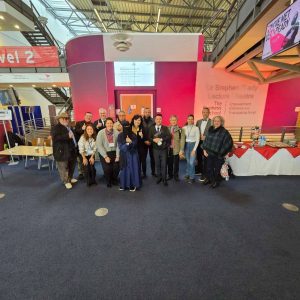
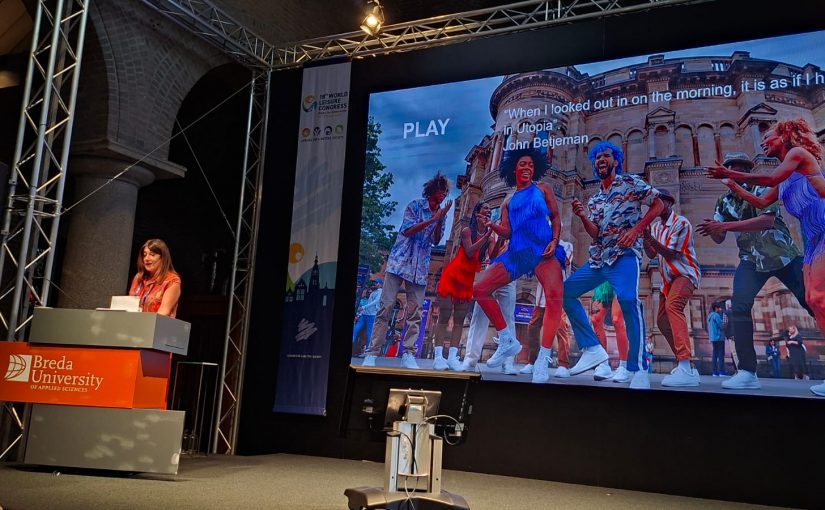
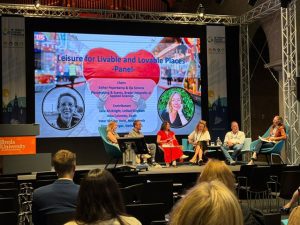
Professor Jane Ali-Knight sat on a panel discussing ‘The role of leisure in creating livable and lovable places’; participated in a WLJ Podcast and delivered one of the conferences keynote sessions titled: Fringe benefits: how the Edinburgh Festivals make the city a better place to live, work and play in. Drawing on recent research, examining Fringe Festival Networks in Perth, Adelaide and Edinburgh, Jane has been involved in with ENU colleague David Jarman and other academic collaborators from Australia, she delivered an interactive and informative presentation highlighting how the festivals contribute to the wellbeing of the city.

There is little doubt that the festivals significantly contribute to making Edinburgh a better place to live, both culturally and economically. They bring in visitors, boost local businesses, create jobs, and enhance the city’s global reputation which in turn generates soft power. The festivals also offer residents a variety of cultural experiences and contribute to their quality of life. Festivals also have a positive social impact on local communities: building community cohesion, offering positive emotions and shared connections, promoting social interaction and cultural exchange, and contributing to a general sense of wellbeing, especially in turbulent times (Yolal et al. 2016).  The 2025 Edinburgh Fringe sold over 2.6m tickets featured 3,893 shows across 301 venues, and hosted performers from over 60 countries.

 It is a myth that Edinburgh’s residents are anti the festivals. More residents support than oppose them with large numbers actively participating in and/or attending events. The latest study by BOP Consulting (2023), which surveyed 22,000 people – shows that the Edinburgh Festivals continue to be Scotland’s world-leading cultural brands. Recent studies show that a substantial percentage of residents believe the festivals make Edinburgh a better place to live and are ‘Loved by locals’. Around 1.5m festival attendances are local residents (that is c50% of total audience) while 89% of Edinburgh residents say that the festivals increase local pride in their home city.


Beyond direct employment, festivals play a critical role creating work and supporting many thousands of jobs for wider service businesses and local traders. The festivals alone create the full-time equivalent of 5,850 jobs in Edinburgh. This sector together with arts, entertainment, recreation and other services are significant employers in the city, accounting for 44,000 jobs between them. (Edinburgh Festival City, 2022).

Finally, festivals are playful…. one month of the year the city takes on a joyous carnival atmosphere which tens of thousands of locals join in. They are escapist and bring joy and laughter to communities, and the places in which they reside. It’s a privilege having so much world class, innovative art on our doorstep.

So, as the planning cycle begins for the 2026 festivals, amid a background of public funding cuts and drops in sponsorship revenue, rising inflation and production costs, cost-of-living challenges, and shortages of skilled labour and materials, the organisers of Edinburgh’s world leading events will have to assert the contribution of its festivals make to Edinburgh making it a better place to live. Echoing a Guardian writers’ opinion…’Cultural institutions like the fringe are about more than making money and stars. In our age of disinformation, artificial intelligence and alienation, such gatherings of people, talent and ideas are more vital than ever’ (2025).

Note: The 2025 Best Poster Award was presented to Dr. Afiya Holder for her outstanding presentation on Reimagining Leisure as a Tool for Inclusivity and Social Cohesion: The Transformative Potential of African-Caribbean-Scottish Shared Cultural Heritage Tourism.

Written by Dr Jane Ali-Knight

Behind Bars: Memory, Justice, and the Future of Penal Heritage Symposium

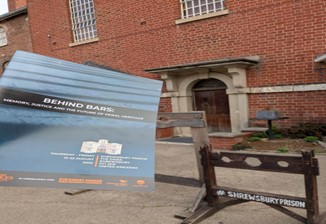
The “Behind Bars: Memory, Justice, and the Future of Penal Heritage” symposium took place on 21–22 August 2025 at Shrewsbury Prison. The event, led by Dr Brianna Wyatt (Oxford Brookes), Dr Rachael Ironside (RGU), and Professor Craig Wight (ENU) and hosted by Joel Campbell of the Cove Group drew an international audience of academics, practitioners, and museum professionals. The symposium represented a unique forum for cross-disciplinary debate on how penal heritage intersects with memory, justice, ethics, and dark tourism.

The setting itself was significant and helped to shape the discussion. Shrewsbury Prison, known as “The Dana,” first opened in 1793. It was rebuilt in the Victorian era before finally closing in 2013. Over its long history, it housed debtors, witnessed public and private executions, and served as a Category B men’s prison. It now operates as a heritage attraction, managed by the Cove Group. It serves as an events venue, where tours, education programmes, and commercial uses highlight the tensions between punishment, memory, and reuse. Presenting and debating inside a decommissioned prison served as a reminder to delegates that penal heritage is not abstract. Rather, it is embodied, emotional, and tied in with the stories that such institutions have often rendered invisible.

Keynote contributions by Dr Justin Piché (University of Ottawa) and Bev Baker (National Justice Museum) anchored the symposium. Justin Piché interrogated the ways prison narratives are constructed and consumed, while Bev Baker offered a critically-informed curatorial perspective on the balance between commemoration and commodification. Delegates repeatedly pointed to the value of such talks, and as one put it, “it was great to see some really excellent, critically-informed curatorial practice.”

symposium

The programme featured parallel panels on themes ranging from penal heritage in the experience economy to the ethics of repurposing decommissioned prisons, and from punishment exhibitions to prison narratives on screen. The mix of papers gave participants space to consider both theoretical insights and practical challenges, with one attendee noting, “the most valuable takeaway is the recognition that narratives—whose voices are included, how stories are told, and for whom, are central to every form of prison reuse.”

Delegates valued the opportunity to network and collaborate, and they welcomed the diversity of perspectives. Others emphasised the personal inspiration gained, noting that even without presenting they left inspired and with new points of contact.

Feedback highlighted the event’s influence on future practice. For museum professionals, it sharpened their awareness of the ethics of penal heritage interpretation, and the risks of reducing complex histories to tourism products. For academics, it reinforced the need to bridge disciplinary divides, connect with practitioners, and confront tensions between profit, ethics, and participation.

Looking ahead, the symposium is expected to generate an edited volume of contributions, and to provide the foundation for a collaborative funding bid, ensuring that the conversations sparked in Shrewsbury carry forward.

Delegates left with stronger networks and sharper insights, but with a collective recognition: whilst penal heritage will always be about buildings and history, it is also about memory, justice, silences, and how we choose to remember, interpret, and engage with difficult pasts.

Written by Professor Craig Wright 

Shaping the future of business events: Insights from the TRC Symposium 2025

On 24 June 2025, Edinburgh Napier University’s Craiglockhart Campus hosted the Annual TRC Symposium: Innovative Practice in Business Events, a one-day gathering of academics, industry leaders, and event professionals. The symposium offered a rich platform for exploring how business events can drive economic, social, and knowledge-based impact far beyond tourism.

Rethinking metrics and legacy in business events

Professor Leo Jago (University of Surrey) challenged attendees to think beyond traditional tourism metrics. He emphasised that the true value of business events lies in their long-term legacy, from economic development to societal transformation and knowledge exchange. Jago advocated for government involvement in event planning and stressed the need for modern, engaging formats that resonate with younger generations. “Dull plenaries are no longer enough,” he noted, urging organisers to embrace workshops, interactive sessions, and networking opportunities.

Storytelling, strategy, and sector strengths

Rob Davidson, Director of MICE Knowledge, highlighted the strategic importance of aligning event bids with a country’s sectors of excellence. This approach not only attracts top-tier speakers but also enhances networking and sparks innovation. A common theme from all speakers on the day, was the power of storytelling in event promotion, as Davidson underscored – “If it bleeds, it leads” – and encouraged organisers to tap into local ambassadors and public engagement to amplify legacy and impact.

AI and the future of event design

Dr Judith Mair, Visiting Associate Professor from the University of Queensland, explored how artificial intelligence is quietly revolutionising the business events sector. She highlighted its role in enhancing sustainability through virtual site visits, streamlining event logistics with predictive analytics, and supporting event design by suggesting speakers and generating bios. AI is also being used to improve event evaluation, with tools that track ROIESG data, and real-time audience sentiment. Her talk underscored the growing importance of data-driven, tech-enabled approaches in creating smarter, more impactful events.

Collaboration as a competitive advantage

Professor Gary Hutchison (Edinburgh Napier University) and Elaine Miller (Edinburgh International Conference Centre), introduced the Exchange Initiative, a groundbreaking collaboration between Edinburgh’s universities, NHS Lothian, and the Edinburgh International Conference Centre (EICC). This initiative aims to attract international conferences to the city by leveraging collective expertise and engaging with stakeholders like VisitScotland and Chambers of Commerce. “There’s nothing quite like it elsewhere,” Hutchison remarked, highlighting its potential to position Edinburgh as a global hub for impactful events.

Advocating for impact

James Latham, founder of The Iceberg, delivered a powerful reminder: “We are change agents, not travel agents.” He called for a shift in focus from short-term metrics like ticket sales to long-term outcomes that reflect the true value of business events – innovation, collaboration, and societal progress.

Final thoughts

The TRC Symposium 2025 made it clear: business events are no longer just about tourism – they are catalysts for change. From legacy planning and sector alignment to collaborative bidding and storytelling, the future of the industry lies in its ability to create meaningful, measurable impact.

Written by Aoife O´Sullivan – Business Engagement and Communications Manager

Postgraduate student reflections from EventScotland’s annual conference

Any student in the tourism department is familiar with the work of EventScotland, the national tourism organisation for Scotland; and if that student is like me, they have relied upon EventScotland’s wealth of reports, research, and resources to enhance their assessment work and gain a deeper understanding of the tourism industry.

This is one of the many reasons I was honoured to attend Journey: The Business Events Conversation, EventScotland’s annual business events conference, held on 19 February 2025 at the John McIntyre Conference Centre in Edinburgh.

This conference is designed to bring together and support professionals from all across Scotland working in the MICE (Meetings, Incentives, Conferences, Exhibitions) sector. EventScotland recognises MICE as a crucial component of the tourism and events industry, making a measurable contribution to Scotland’s visitor economy and strengthening the country’s reputation as a premier destination for business events of all kinds.

Thanks to the efforts of a recent Napier alumnus who now works for EventScotland, Edinburgh Napier University was gifted two student admissions to this event, and another postgraduate student and I were the lucky recipients. This was a valuable opportunity for us to engage with industry professionals, thought leaders, and fellow students, as well as explore the many different career pathways that the events industry can offer.

Identity & Changing the World

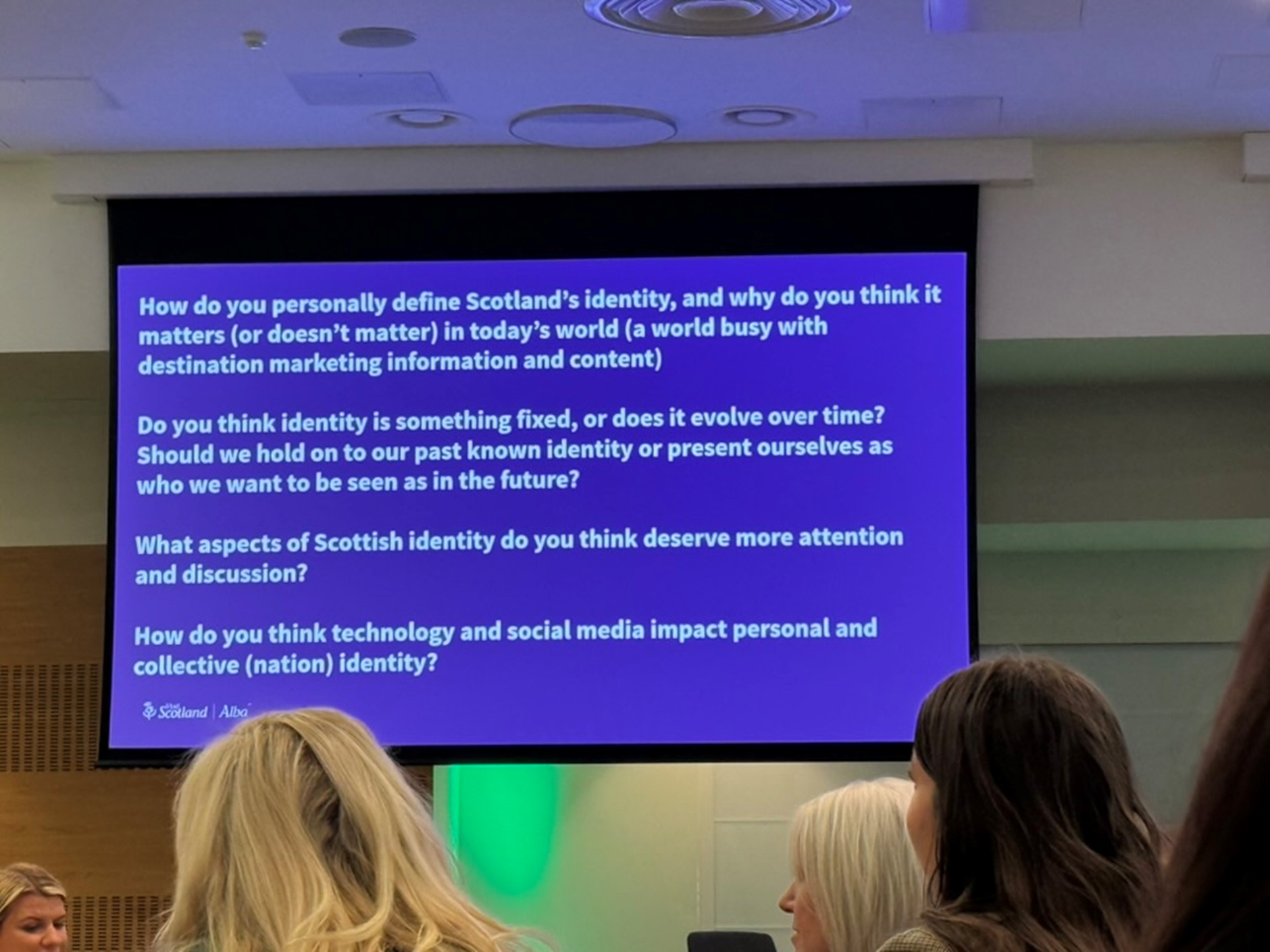
The theme of this year’s conference centred on exploring Identity, with panel discussions addressing topics such as what it means to be Scottish, how Scotland wishes to be perceived internationally, and what it means to be a responsible global citizen. As an international student, I was particularly curious about these conversations and keen to gain a better understanding of the aspirations and values of a place I hope will become my future home.

I was thoroughly impressed and moved by the genuine solidarity and support demonstrated by Scotland’s industry leaders during the Identity Keynote Panel. The consensus was clear—these events professionals saw solidarity as a defining aspect of Scottish identity, and they genuinely wanted to help each other succeed. They embraced a Scotland-first approach to promoting events, meaning that even if an event was not the right fit for their own business, they still considered it a win if another Scottish business secured it. This is just one example of how collaboration and mutual support have helped Scotland build its reputation as an impressive and welcoming business events destination.

Another crucial and impactful concept was raised by Lyndsey Rafferty, Senior Association Manager at EICC, during this panel. She highlighted the tremendous potential MICE events have for driving positive change in public well-being. She reflected that, as events professionals, we have the unique ability to bring together people and experts—such as academics, scientists, and legislators—who have the power and influence to change the world for the better.

conference slide

A Portfolio Career

Throughout the day, we gained both practical and profound insights into what a career in the events industry truly entails. One of the most memorable sessions was the morning Meet With education panel, an exclusive opportunity for students to gain valuable knowledge about the MICE industry and hear real-world experiences from top industry professionals.

Neal Brownlee, Head of Business Events at VisitScotland, reflected on the various roles and titles he has held throughout his career, noting that a portfolio career—a career composed of diverse positions across hospitality and events—is quite common in this industry. He emphasised that gaining experience in different roles can be a significant asset, providing a well-rounded understanding of the many moving parts involved in running a successful events business.

Laura Wilson, Head of the Convention Bureau at VisitAberdeenshire, echoed the challenges and opportunities of a nonlinear career path. She stressed the importance of adapting to the evolving events sector, maintaining a strategic alignment of an organisation’s mission with the types of events it pursues, and cultivating strong professional relationships that prioritise collaboration over competition.

The Big Debate

One of the major recurring themes throughout the event was the recognition that the events industry is built on relationships. It takes time to develop the trusted connections and practical, experience-based skills that contribute to a successful career. This led me to wonder—how are event leaders supporting and mentoring newcomers to the field? Are students and new professionals being welcomed and supported in developing these crucial relationships and skills?

EventScotland demonstrated its commitment to fostering a supportive industry network by meaningfully incorporating students into its programming. Beyond the Meet With education panel, one of the main features of the day was a university-style student-led debate on corporate social responsibility within the events industry.

This debate featured two students who worked closely with events professionals to investigate whether corporate social responsibility initiatives were simply a tick-box exercise. It was fascinating to hear the aspirational ideals of sustainability initiatives contrasted with the practical, often economic-based realities of business. Professionals from across the country engaged in thoughtful discussion, carefully considering the implications of the points raised by the students. This was one of the many ways in which meaningful dialogue and a culture of mentorship were woven into the event.

Looking Forward

I am incredibly grateful for the opportunity to attend Journey: The Business Events Conversation. I left feeling like I had gained a clearer understanding of potential career paths, how to be a supportive and collaborative professional, and an inspiration to commit to my own professional development.

I was especially excited to see contemporary approaches to events management—many of which I am currently learning about—being put into action. For example, a completely plant-based menu as part of an environmental sustainability initiative, an accessible and neurodiverse-friendly event space, and interactive panels designed to foster meaningful connections between attendees. EventScotland demonstrated both the professionalism and the progressive potential of our industry, and I am looking forward to engaging further with this network and contributing to the future of business events.

Written by Hannah Stenzel, postgraduate student on MSc International Festival and Event Management at Edinburgh Napier University.

Exploring Creativity: Highlights from the British Arts Festival Association Student Conference

Written by Sadie Purves, student on MSc International Festival and Event Management at Edinburgh Napier University.

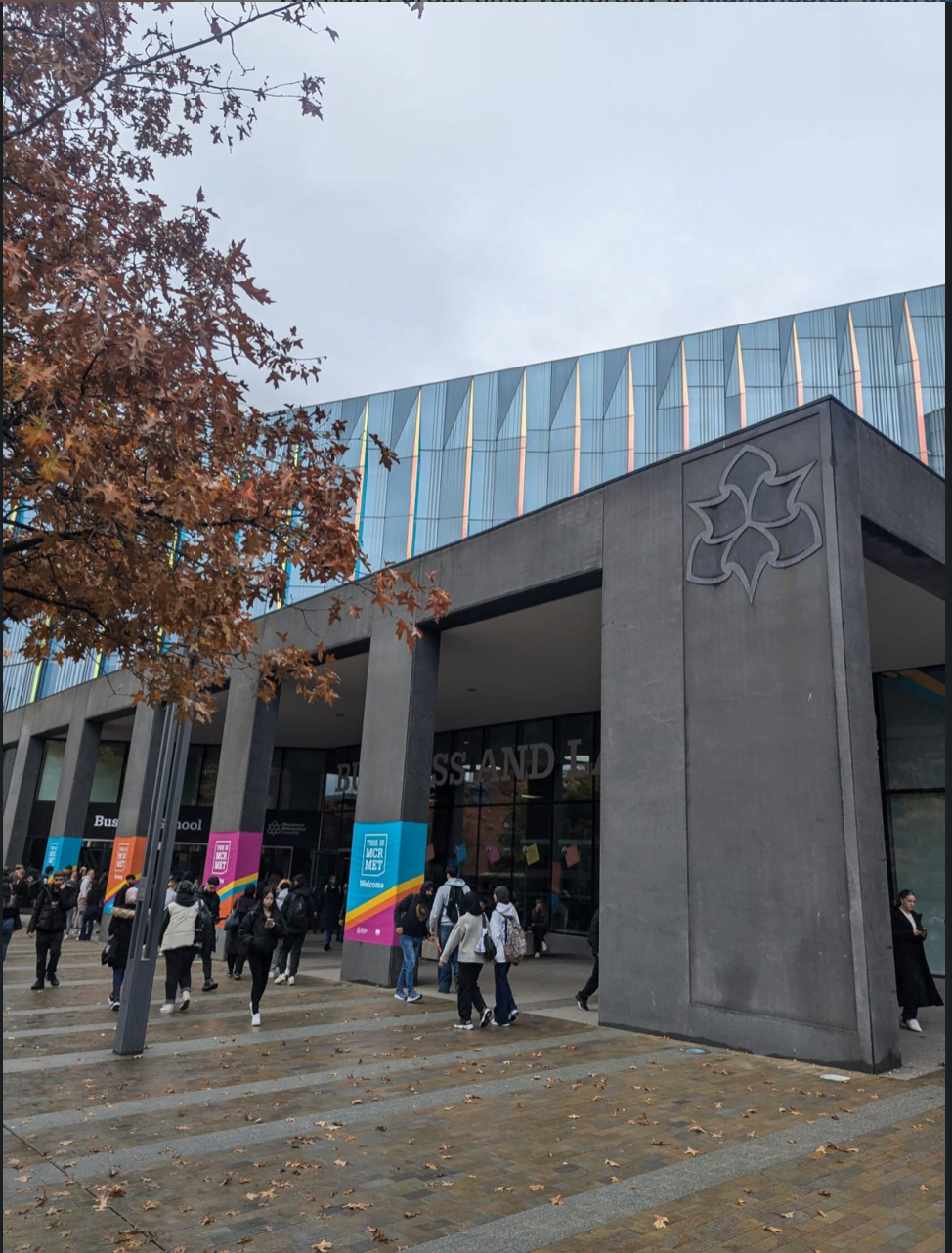
The British Arts Festivals Association (BAFA), the leading network and development agency for UK arts festivals, hosted a conference for students on October 9th at Manchester Metropolitan University. The conference, titled ‘A Festival Career’, allowed students to join a range of festival professionals to shape their own ideas about what a festival career could have to offer.

BAFA partners with festivals and UK universities, including Napier, to offer training opportunities for students. In this flagship event, BAFA aimed to bring together students, academics and industry experts with a presentation, panel and networking opportunities.

Key Themes and Panel

conference panel

The conference opened with an introduction by BAFA Director Fiona Goh, and the overall themes of the conference were covered, such as the future of the festival industry, how to get your start in the field and the reality of festival work.

Since the attendance was both undergrad and postgrad students from a range of universities across the country, we all had different academic backgrounds, which was a great aspect of the event. There was a presentation from PhD student Naomi Taylor about her research on how festivals give the audience an opportunity to connect with culture and how this is mediated by the audience and the festival team. Taylor additionally went into how BAFA is partnering with her to complete her PhD. As a student, this experience was enlightening to hear about, especially for those who may be considering further study.

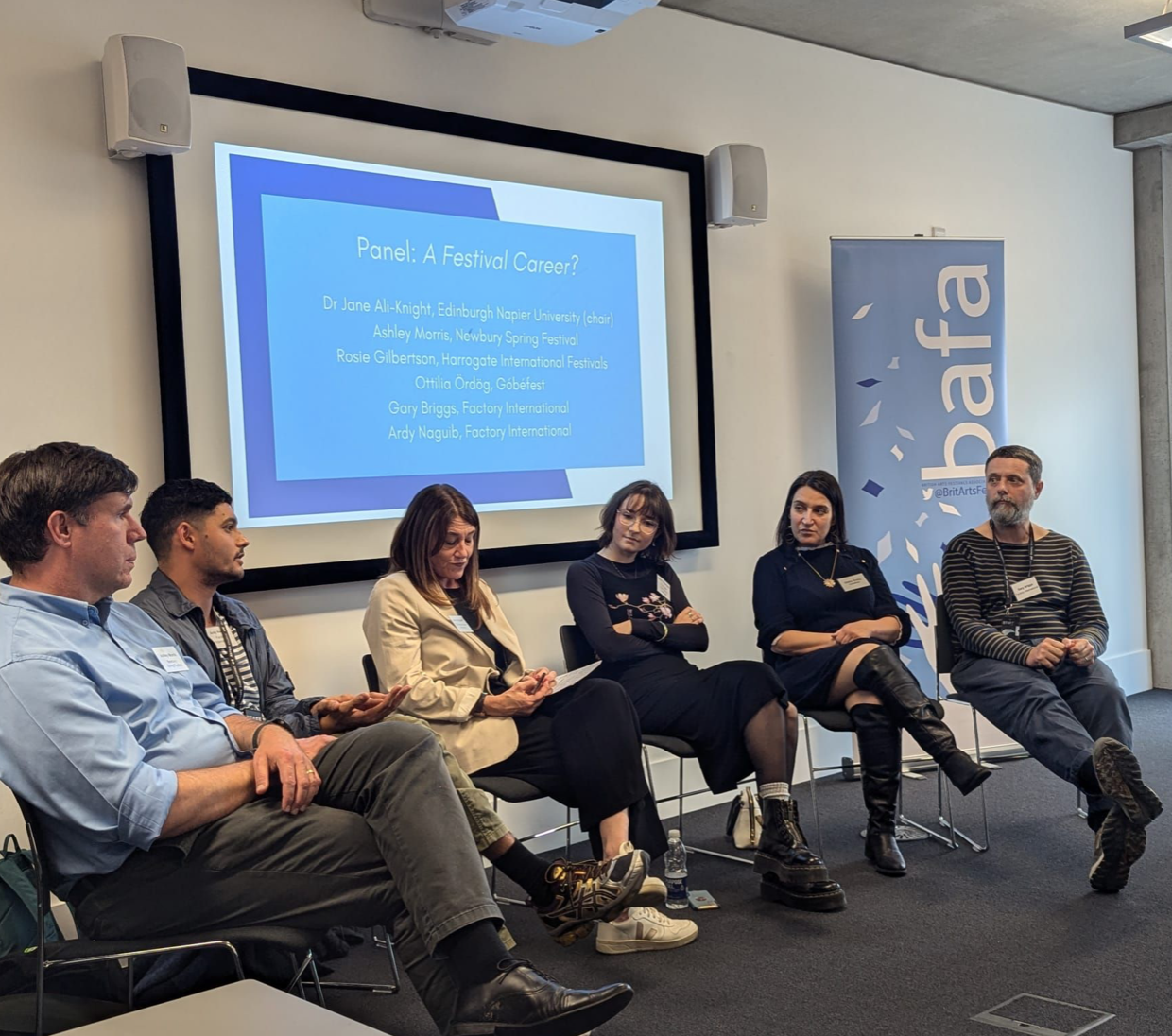
The conference continued with a panel, chaired by Dr Jane Ali-Knight, from Napier. Those on the panel included Ardy Naguib (Factory International), Rosie Gilbertson (Harrogate International Festival), Ottilia Ördög (Góbéfest) and Ashley Morris (Newbury Spring Festival). The panel focused on how these individuals got their start in the industry and how this can be translated into advice for students. Everyone had very contrasting experiences from one another, and this exemplified that, despite your background, there are many different ways you could contribute to arts festivals. The experience of starting Góbéfest was discussed by Ottilia Ördög, and this gave a fantastic representation and advice to students on how to explore starting your own festival. Many of the chairs shared that organising your own events, whatever their size or scope, is one of the best ways to gain experience.

Networking and Mentoring

After the panel, we began our ‘Meet the Mentor’ session, which allowed students to ask any questions and start a dialogue with the festival professionals. This section of the conference was a great opportunity to make connections and start to build a network. We had ample opportunity to meet with all of the mentors as well as Fiona Goh of BAFA and lecturers in attendance from Manchester Metropolitan University. The sense of the community this conference adopted in such a short time, built upon shared experiences and genuine connections, was definitely an asset of the event.

A Festival Career

Overall, the BAFA Student Conference provided a valuable and inspiring experience for students considering a career in the festival industry. From insightful presentations to practical advice from seasoned professionals, the event highlighted both the challenges and rewards of working in this dynamic field. The networking and mentorship opportunities allowed students to connect with industry leaders and peers, building a foundation of support and insight to guide their career paths. This unique event underscored the possibilities within the festival industry and empowered students to envision and shape their own futures in the arts.

Exploring the Rhythms of Change: The 36th International Live Music Conference (ILMC)

Written by Sherin Chandy, student on MSc International Festival and Event Management at Edinburgh Napier University, whose visit to this event was sponsored by the Tourism Research Centre.

In the dynamic domain of live entertainment, the International Live Music Conference (ILMC) stands as a beacon of collaboration, innovation, and growth. The 36th iteration of this prestigious gathering, referred to as ILMC’36, brought together the brightest minds and most passionate hearts in the live music industry. The conference, renowned for shaping the future of live events, provided a platform for both the celebration of music and the critical discussions on the industry’s trajectory.

ILMC’s 36th conference was held in London. The multi-day event was a curated confluence of panel discussions, workshops and networking opportunities each adding a unique note to the expansive melody of the conference.

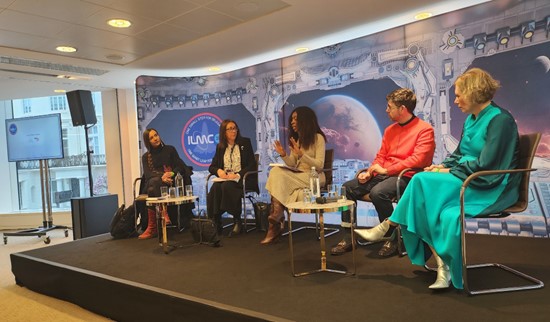
ILMC 3D Letters in front of a window People gathered sitting at a conference

Key Themes and Discussions

A central theme for the discussions was ‘Adapting to an Evolving Industry’. The panels and keynotes focused on how the live music sector has pivoted in response to recent global challenges, such as the ongoing recovery from the pandemic, the sustainability imperative, and the integration of cutting-edge technology. Prominent industry figures such as Jim King (CEO, AEG Presents, UK), Barrie Marshall (Chairman, Marshall Arts), Marsha Vlasic (President, IAG, US), and numerous others led these sessions.

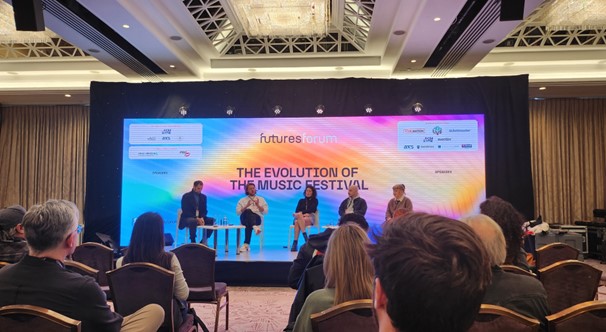
5 people talking on a conference panel

A highly discussed session focused on gender equality and the challenges faced by women in the industry. In a recent report the Women and Equalities Committee of the UK government concluded that misogyny is pervasive in the music industry and offered several recommendations for the live music industry. During the discussion of the report, industry leaders offered their perspectives on how the live music industry can implement measures to counteract workplace misogyny and sexual harassment. Eunice Obianagha (ENSPIRE Management, UK), Jen Smith (CIISA, UK), John Shortell (Musicians Union, UK), Christina Hazboun (PRS Foundation/Keychange), and Louise Halliday (Royal Albert Hall, UK) were the panellists for this session.

Panel discussion

For many, the panels on the business aspects, including booking strategies, sponsorships, and brand partnerships, were critical in understanding the monetary and operational underpinnings of the industry. These discussions bridged the gap between art and commerce, highlighting innovative models and practices that can help the live music ecosystem thrive.

Networking and Collaborations

Networking is the soul of ILMC, and this year was no exception. The conference provided ample opportunities for professionals to connect, from agents and promoters to festival directors and ticketing innovators. The event encouraged the emergence of possible partnerships against the backdrop of industry-specific talks, as attendees mixed amid the lively atmosphere of the conference’s renowned Arthur Awards, informal meet-ups, and during the excellent lunches served by the venue.

Showcasing Talent

ILMC’36 included several showcases across Soho that put emerging artists in the spotlight, offering them a chance to perform in front of some of the industry’s most influential figures. The showcases were not only a testament to the rich diversity of the global music scene but also a reflection of the conference’s commitment to nurturing talent. The delegates were treated to new music by numerous up-and-coming performers, like August Charles, Lala Hayden, Freekind, and many more. These performances punctuated the dialogue-heavy event with bursts of creative energy at the end of the day, reminding everyone of the passion for live music that lies at the heart of the industry.

A Look to the Future

On the last day of ILMC’36, it was all about creating a path for the next generation to succeed in this dynamic industry. The conference concluded with forward-looking sessions in ‘Futures Forum’ that encapsulated the collective support and encouragement for the emerging professionals in the industry. All junior ILMC delegates had access to mentorship sessions and an opportunity to receive career guidance from senior industry figures throughout the day.

ILMC’36 proved once more that the international live music industry is a resilient and ever-evolving landscape. The interactions and ideas exchanged have set the stage for a new era of live events—one that is more sustainable, technologically advanced, and inclusive than ever before.

Picture of panel discussion taken from audience

Along with business cards and brochures, attendees left the conference with a renewed sense of purpose and determination to take on the challenges of a dynamic industry. The 36th edition of ILMC, which has always been about breaking down barriers and forming connections, was a powerful symphony that will reverberate throughout the upcoming live music year.

ILMC’36 was more than just a conference; it served as a powerful reminder that live music is a universal passion that cuts over boundaries of distance, time, and culture and lives in the hearts of industry professionals everywhere. The rhythms of change will continue to resonate in the hearts and minds of all involved until ILMC’37, indicating an exciting future for live music globally.

The Scottish Tourism Alliance Autumn Conference 2023 – PhD Student Perspectives

On 31st October 2023, five PhD students (Jack Pedersen, Christopher Barnes, Mahendrran Selvaduray, Homa Rahimi and Judith Spaargaren) from the Tourism & Languages Subject Group attended the Scottish Tourism Alliance Autumn Conference. This blog contains our reflections on the event.   Exploring the conference through the lens of academia from PhD student’s perspective as this blog sheds light on the vibrant discussions and insights shared at this noteworthy event. In approaching this blog, we found the focus to be the intersection of sustainable tourism and digital marketing, vital topics in our ever-evolving industry. In discussing what topics and presentations we found notable, we hope to share some of the experience with you, the reader.

Sustainable Tourism – Bridging the Gap, Mahendrran Selvaduray 

The vision for sustainable tourism was inspiring, emphasising the fusion of practices with unforgettable experiences. This session not only enlightened attendees but also highlighted the transformative power of responsible travel. Another compelling talk by Stephen Whitelaw centred on digital marketing in the tourism landscape. The speaker, an expert in the field, shared groundbreaking strategies to engage travellers authentically. In the era of social media dominance, their insights into digital storytelling and online engagement were invaluable, resonating strongly with our tech-savvy audience.

The new traveller segments discussed by Caroline Bremner of Euromonitor explain that people seeking luxury are known for wanting fancy experiences. In the social aspect, 72% of luxury seekers choose to travel with their partner, perhaps to feel more comfortable. This choice may stem from their desire to share these fancy experiences with loved ones and create special memories together. While a smaller 4% opt for solo journeys, the reason could be to enjoy a relaxing session on their own. This suggests two groups implies the presence of based on spending preferences. Some priorities personal enjoyment and independence, while others emphasis shared family experiences, reflecting diverse values and priorities.

Scotland’s Tourism Strategy, Jack Pedersen

Sustainability plays a prominent role in the national tourism strategy. Marc Crothall (MBE), the conference host, examined the Scotland Outlook 2030 strategy which looks to position Scotland as the world leader in 21st-century tourism and has at its core “responsible tourism for a sustainable future”.

Set up in November 2022, the Tourism and Hospitality Industry Leadership Group (THILG) is the leading industry body for this strategic plan. As the co-chair, Crothall reflected upon the THILG’s first year of operation. Its evidencing endeavours, including stakeholder and activity mapping and international best practice guidelines, have uncovered common themes which he proposes will impact the national strategy. Sustainability, technological advances, transport infrastructure, and Scotland’s communities and people were at the heart of much of Crothall’s presentation. The THILG now looks to develop its missions in supporting recovery, driving investment, and growing a sustainable tourism sector.

The Minister for Small Business, Innovation, and Trade, Richard Lochhead, (MSP) also co-chairs the THILG. His enthusiastic and effusive ministerial address at the conference asserted that the Scottish government is taking the industry seriously. Notably, amid recent Commons debates on the King’s Speech, this support was corroborated by Drew Henry (SNP Economy Spokesperson) who lamented the absence of measures to support the tourism and hospitality industries at a Westminster level.

During his address, Lochhead reiterated the government’s commitment to growth deals of £150 million, further to the £250 million already invested, and praised its impressive economic figures: Scottish tourism and hospitality accounts for 8% of employment and 4% of the country’s GDP. Despite the challenges of the financial climate, skills shortages, and wider geopolitical instability, he reminded us that the growth of the industry is outstripping the growth of the Scottish economy as a whole and that there is a case for optimism.

Our Proud and Passionate People: Tourism Rising Stars and Hospitality Heroes, Judith Spaaragen

 Sustainability was a word which came up often, but to me, no presentation made it a more tangible concept than Kelly Johnstone’s. It can be easy, as an academic, to overlook the actual people involved in the industries we write about.

Tourism is often spoken about in figures and faceless masses, but Kelly, COO at the Springboard Charity, placed people front and centre. The Springboard Charity provides opportunities for young and disadvantaged people to develop hospitality and tourism careers, and in her presentation she made clear exactly how important this was not just to the people the charity helps, but also the industry to which they contribute. If Scotland is to be the sustainable tourism destination of the world, then we must make sure that sustainability flows reaches the people working in it. This talk was thus a welcome look at that how that future might look.

Deciphering Communication Codes in Hospitality, Homa Rahimi  

Embarking on the intricate journey of personal and professional well-being, the recent Scottish Tourism Alliance Conference brought to light a compelling discourse spearheaded by Cathy MacDonald, centred around addressing fundamental emotional concerns. Amidst the formidable challenges posed by market competition and workforce scarcity in the dynamic tourism and hospitality sector, the recognition and fulfilment of employees’ emotional needs emerge as a strategic imperative.

Organizations finely attuned to the emotional well-being of their workforce yield substantial returns in terms of commitment, heightened productivity, and talent retention. Nurturing a culture of transparent communication, where employees authentically feel acknowledged, not only mitigates turnover but also lays the groundwork for organizational justice, serving as a potent talent attraction strategy. This approach, particularly pivotal in the aftermath of the Covid-19 era, acts as a linchpin in cultivating a resilient and contented team.

In an industry where reputation and word of mouth wield considerable influence, prioritizing employee well-being becomes a cornerstone of an effective human resource strategy. By fostering a workplace culture that places a premium on its staff, organizations not only elevate their sector reputation but also optimize return on investment, thereby fostering a positive and efficient work environment.

Edinburgh Napier University’s Aspiring Tourism Alumni, Christopher Barnes 

After previous years of online conferences, where morning networking sessions were mere button on the edge a computer screen. The smell of freshly brewed coffee from Leith’s Catering in the EICC foyer, on the morning of, The Scottish Tourism Alliance Autumn Conference, was a welcome reminder that the days of our industries face to face restrictions, are slowly becoming a thing of the past! Tourism and hospitality in Scotland, is ready, and is about to thrive! Inspiring visions of industry officials and testimonies of young rising stars were only a fragment of the exciting and news put forward in a day of collective industry buzz!!! One thing is certain, Edinburgh Napier and more importantly the Tourism and Languages Subject Group, plays a significant role in producing emerging industry talent, in both the tourism and festival and events sectors. Both inspiring and motivating, were the testimonies of Edinburgh Napier University alumni of recent years, projected on the screens for a conference suite filled of Scottish Tourism Industry Officials. The hall witnessed how Edinburgh Napier University’s Tourism Research Centre, produces highly qualified tourism management personnel and offering degrees, both at undergraduate and post-graduate level, filled with both academic and practical content relevant for an everchanging and immersive tourism industry!

Closing Thoughts:

This blog serves as a testimony to the impactful ideas exchanged and the collaborative spirit that defines our tourism industry. With each presentation, we found inspiration and motivation, underscoring the potential for positive change within our tourism community.

Once again, thank you, the TRC, for this opportunity to share our unique perspective on the TRC webpage. As PhD students, we stand at the intersection of academic inquiry and practical innovation, embodying the spirit of continuous learning and growth. Let us continue this journey together, shaping the future of tourism one insightful conference at a time. Hope we can attend more conferences in the future.