Behind Bars: Memory, Justice, and the Future of Penal Heritage Symposium

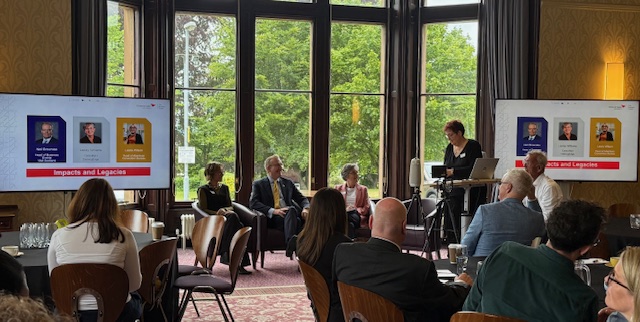
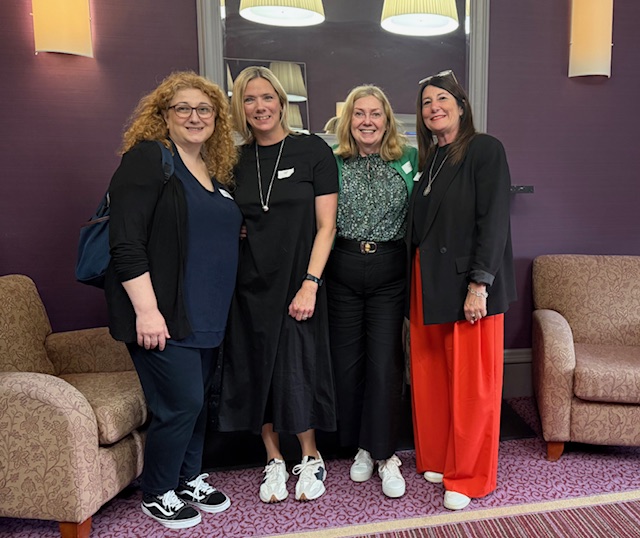
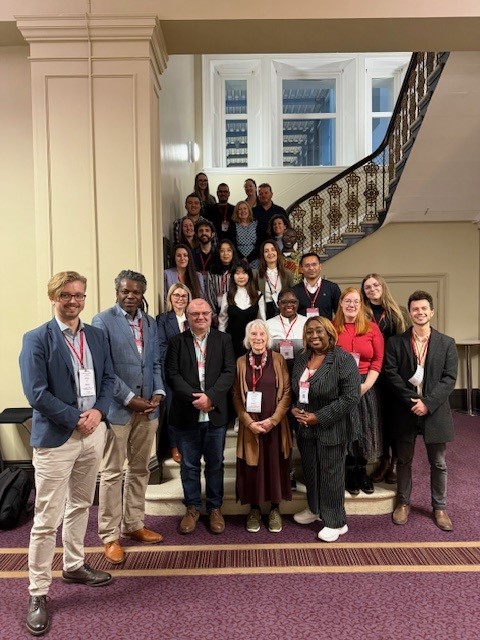
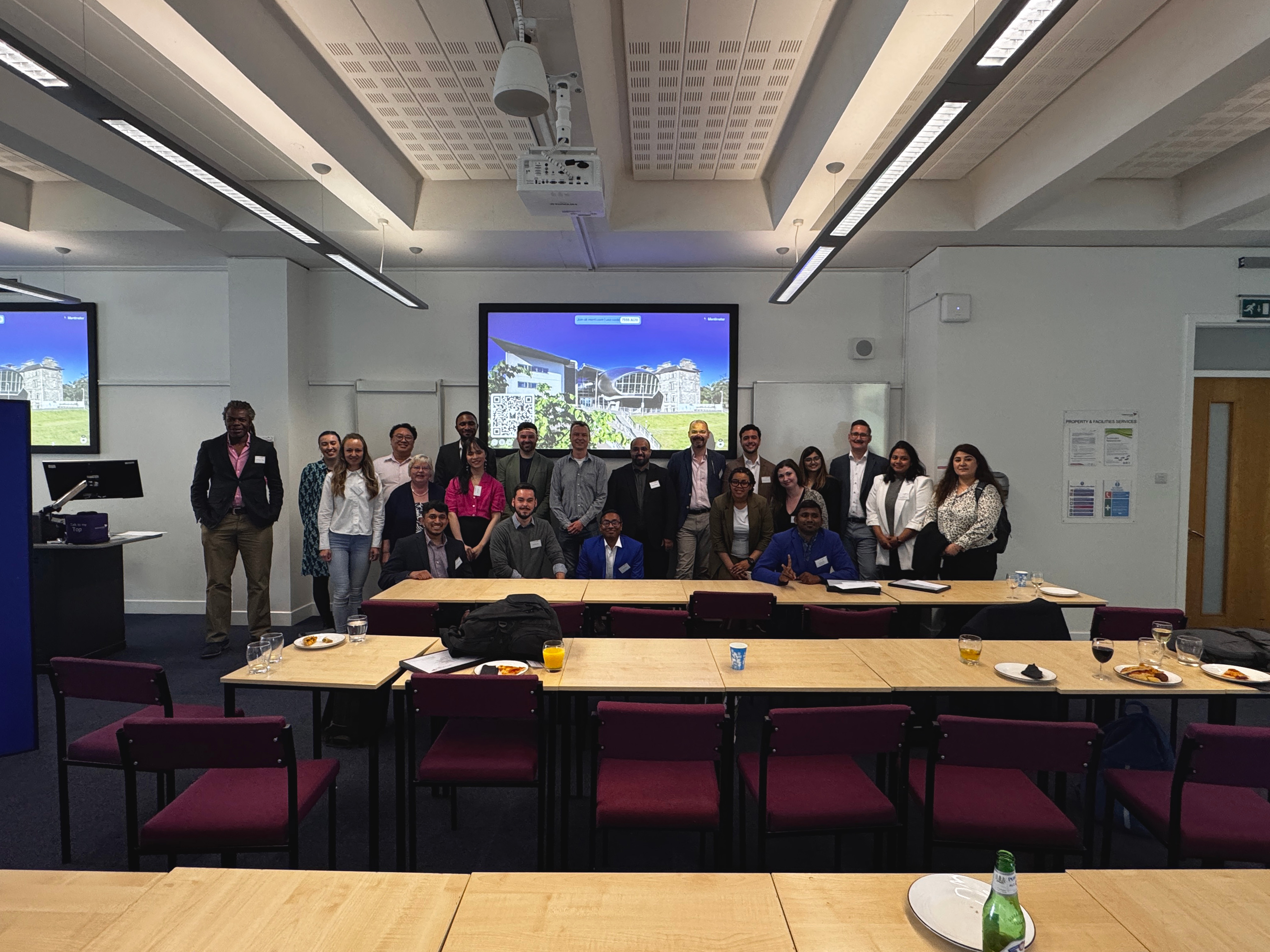
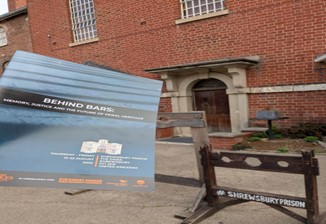
The “Behind Bars: Memory, Justice, and the Future of Penal Heritage” symposium took place on 21–22 August 2025 at Shrewsbury Prison. The event, led by Dr Brianna Wyatt (Oxford Brookes), Dr Rachael Ironside (RGU), and Professor Craig Wight (ENU) and hosted by Joel Campbell of the Cove Group drew an international audience of academics, practitioners, and museum professionals. The symposium represented a unique forum for cross-disciplinary debate on how penal heritage intersects with memory, justice, ethics, and dark tourism.

The setting itself was significant and helped to shape the discussion. Shrewsbury Prison, known as “The Dana,” first opened in 1793. It was rebuilt in the Victorian era before finally closing in 2013. Over its long history, it housed debtors, witnessed public and private executions, and served as a Category B men’s prison. It now operates as a heritage attraction, managed by the Cove Group. It serves as an events venue, where tours, education programmes, and commercial uses highlight the tensions between punishment, memory, and reuse. Presenting and debating inside a decommissioned prison served as a reminder to delegates that penal heritage is not abstract. Rather, it is embodied, emotional, and tied in with the stories that such institutions have often rendered invisible.

Keynote contributions by Dr Justin Piché (University of Ottawa) and Bev Baker (National Justice Museum) anchored the symposium. Justin Piché interrogated the ways prison narratives are constructed and consumed, while Bev Baker offered a critically-informed curatorial perspective on the balance between commemoration and commodification. Delegates repeatedly pointed to the value of such talks, and as one put it, “it was great to see some really excellent, critically-informed curatorial practice.”
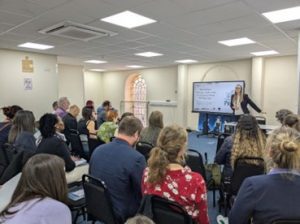
symposium

The programme featured parallel panels on themes ranging from penal heritage in the experience economy to the ethics of repurposing decommissioned prisons, and from punishment exhibitions to prison narratives on screen. The mix of papers gave participants space to consider both theoretical insights and practical challenges, with one attendee noting, “the most valuable takeaway is the recognition that narratives—whose voices are included, how stories are told, and for whom, are central to every form of prison reuse.”

Delegates valued the opportunity to network and collaborate, and they welcomed the diversity of perspectives. Others emphasised the personal inspiration gained, noting that even without presenting they left inspired and with new points of contact.

Feedback highlighted the event’s influence on future practice. For museum professionals, it sharpened their awareness of the ethics of penal heritage interpretation, and the risks of reducing complex histories to tourism products. For academics, it reinforced the need to bridge disciplinary divides, connect with practitioners, and confront tensions between profit, ethics, and participation.

Looking ahead, the symposium is expected to generate an edited volume of contributions, and to provide the foundation for a collaborative funding bid, ensuring that the conversations sparked in Shrewsbury carry forward.

Delegates left with stronger networks and sharper insights, but with a collective recognition: whilst penal heritage will always be about buildings and history, it is also about memory, justice, silences, and how we choose to remember, interpret, and engage with difficult pasts.

Written by Professor Craig Wright 

Evolving Landscapes: 33 Years of Transformation in Tourism, Hospitality, and Festival Management Research during my time at Edinburgh Napier

“Over the past three decades, the fields of tourism, hospitality, and festival management have undergone significant transformation—mirroring the shifting priorities of society, global economies, and technological innovation. When I started at Napier Polytechnic in 1991, research was a relatively small part of an academic’s role. The research was often descriptive and focused on basic destination marketing, seasonal trends and economic impact. Today research is integral to our role as academics, involving engagement in quality, impactful research that is increasingly important to the university for teaching, income, recruitment and reputation.

Back in the early 1990s, tourism was an emerging subject at universities. It was often squeezed into geography or business departments, with researchers mostly working with theories borrowed from other subjects and a lack of quality journals dedicated to the field. The big change came as tourism exploded globally and became impossible to ignore economically. Universities started creating dedicated tourism courses and departments. Suddenly, there were academics whose full-time job was to understand how tourism actually works, to contribute to the positive development of tourism, and to develop robust research to inform the quality of our teaching.

This is where institutions like Edinburgh Napier University made a real difference. We set up the first Scottish undergraduate degree in Tourism Management and worked directly with the tourism industry. We showed that we could do serious research that was both intellectually rigorous and genuinely useful to people running visitor attractions, planning festivals and managing destinations. Our commitment to applied research has helped policymakers, destination management organisations and event organisers adapt to real-world problems. During the COVID-19 pandemic, for example, we helped inform recovery strategies that balanced public health with the survival of cultural festivals, tourism and hospitality businesses.

The way researchers gather information has changed dramatically during the past 33 years. In the 1990s, it was mostly based on surveys – I recall posting hundreds of paper surveys to participants in visitor attractions in New Zealand, Australia and Canada – and requesting endless interlibrary loans. Now, technology provides us with instant access to a wealth of sources (perhaps too many!) and allows us to access to thousands of online reviews instantly and predict tourism patterns with sophisticated computer models. That said, I’m not sure much beats the delight we had when hundreds of those international visitor attractions sent back their completed paper surveys!

What’s really exciting is how the field has become genuinely interdisciplinary in a way that makes the research richer and more relevant. In my recent work, I’ve seen this shift in action. I’ve worked with psychologists, economists and HR experts to investigate the complex questions that visitor attraction managers face every day. How do you keep visitors happy while protecting historic buildings? How do you balance tourism income with community needs? How do you recruit and retain a range of employees plus attract a diverse range of audiences? My research aims to gives managers practical tools that they can actually use.

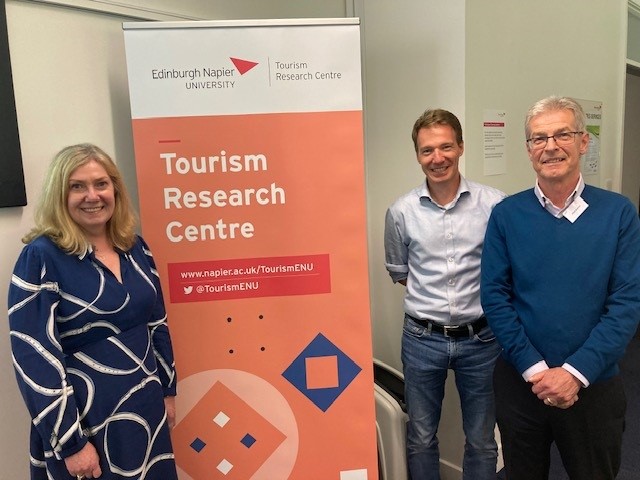
The launch of the Tourism Research Centre (TRC) in 2022 built on our existing research approach and expertise, demonstrating how university research can evolve to meet real-world needs. Tourism research today doesn’t just describe what’s happening – it actively helps shape better experiences for visitors and more sustainable outcomes for attractions and destinations. As TRC Lead, I’m immensely proud of what we’ve achieved in the last 3 years, the networks we’ve developed, and the relevant, impactful work that we’ve undertaken.

After over 33 years at Edinburgh Napier, I’ve decided to retire and will hand over the reins of the TRC to Professor Louise Todd. I’m hugely confident that Louise and the team will continue to develop the TRC and contribute to an even greater understanding of tourism as both an economic driver and a social force for good. I will still be involved in my new role as Professor Emerita and look forward to seeing how the tourism, hospitality and festivals management research arena develops in the coming years.”

Written by: Professor Anna Leask

Undergraduate Student Dissertations – Meet Ewa BA (Hons) International Festival and Event Management

Is the Future of Sobriety Event-Full? A Critical Investigation of the Potential Effectiveness of Sober Events as Alcohol Consumption Reduction Initiatives for Gen Z Adults in Scotland

“As the alcohol consumption rates are declining more than ever, this dissertation explores the reasons behind so many Generation Z adults choosing sobriety or moderate drinking. Little academic research has been conducted on this topic considering the recency of this phenomenon. This work examines Gen Z adults’ views on alcohol consumption and the current legislations aimed at alcohol consumption and harm reduction in Scotland. Through in-depth qualitative research, this social group was found to be discouraged by excessive drinking habits and perceived current policies as ineffective. After exploring Gen Z adults’ experiences attending sober events, it has been proven that drinking alternatives target this social group more effectively than a limitation-focused strategy. More sober spaces and evens are highly desired and have a potential of being an encouraging initiative for alcohol consumption reduction. The findings of this study are unique, covering many undiscovered academic fields. Reviewing current policies and exploring young adults’ attitudes, they can serve as a guide for governmental bodies on how to improve the effectiveness of their campaigns. Generation Z is extremely different from previous generations and this study explores some aspects that might be crucial to understanding it better. Distrust towards the government, attitude influences, and the need to ‘save the world’ are just some of them examined by the author. Due to the recency of this academic field and the uniqueness of findings, it is believed this study can contribute to the governmental campaigns planning and an overall improvement of Gen Z adults’ quality of life.”

Read the full dissertation by Ewa Miko, BA (Hons) International Festival and Event Management

Undergraduate Student Dissertations – Meet Bethany BA (Hons) International Hospitality Management with Festivals and Events

Why not Scotland? An investigation of music festival attendance motivations and barriers amongst Scottish residents.

“Scotland possesses a proud musical heritage, yet many residents continually travel south to attend major music festivals in England. My dissertation explores the motivations behind this trend and the barriers discouraging festival attendance in Scotland. Using a quantitative survey of 90 Scottish residents, I identified that strong artist line-ups, immersive atmospheres, and social experiences are key drivers of attendance. Conversely, limited line-ups, poor weather, and lack of camping options were significant deterrents for Scottish festivals. Despite these challenges, there is clear enthusiasm regarding Scottish festivals if such improvements are made. My research offers practical recommendations for organisers such as enhancing infrastructure alongside creating deeper immersive experiences, to help Scotland compete more effectively in the UK’s vibrant festival landscape. This work aims to support the sustainable growth of Scotland’s music festival industry through a greater understanding of audience needs.”

Read the full dissertation by Bethany Tait, BA (Hons) International Hospitality Management with Festivals and Events

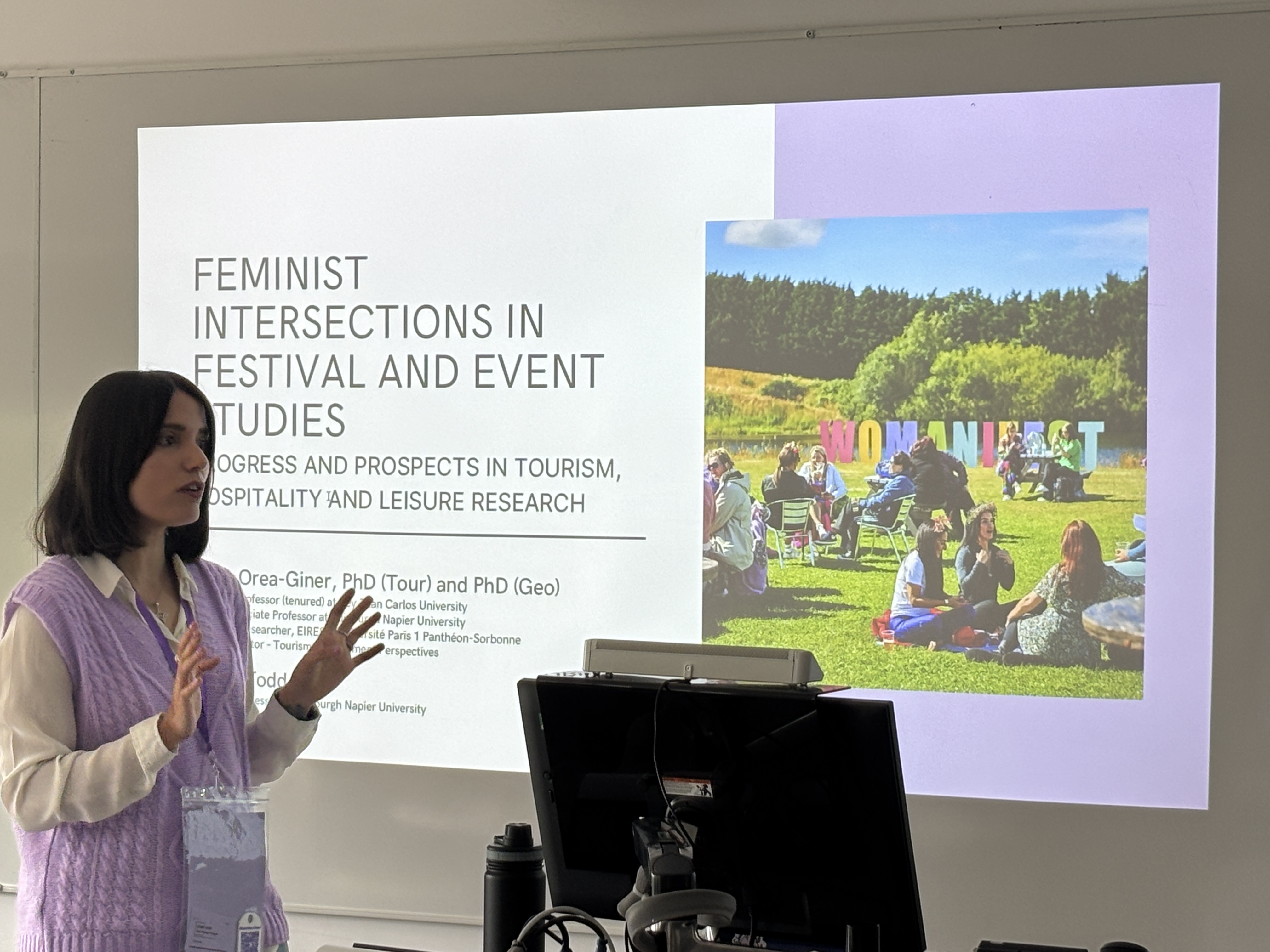
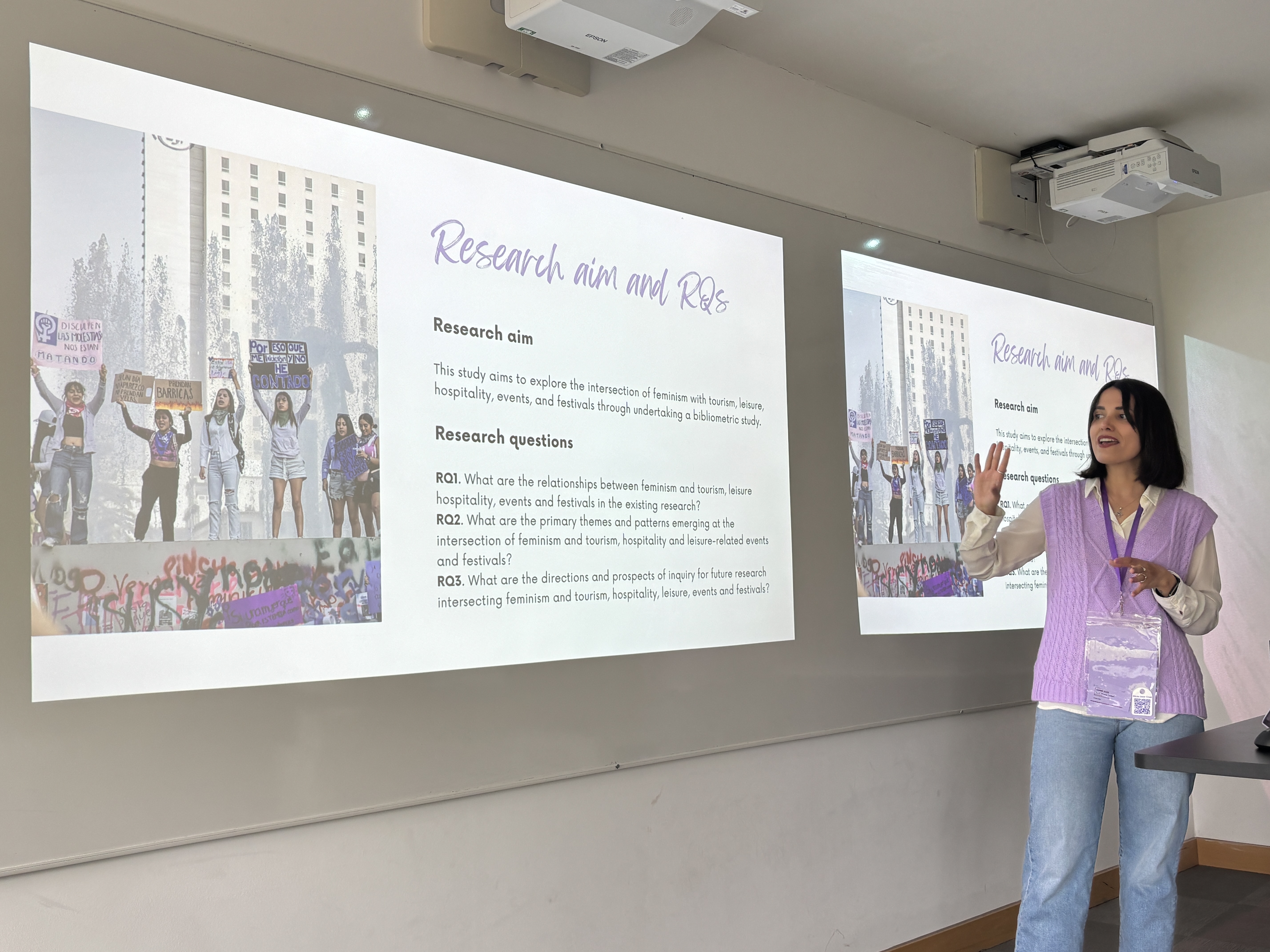
Meet the Visiting Professor – Dr Alicia Orea-Giner

In May 2022, I had the privilege of visiting Edinburgh Napier University. Over the course of a month, I immersed myself in the vibrant academic and professional community at the Tourism Research Centre (TRC), guided by Dr Louise Todd, with whom I established a strong collaborative connection.

One of the highlights of my visit was the CHME 2022 conference “The Human Touch in Hospitality”, hosted on Napier’s Craiglockhart campus from 24 to 27 May 2022. There, I engaged with leading scholars and practitioners, broadening my understanding of hospitality research and forging connections that would inform future collaborations with Louise and her team.

One unforgettable highlight was having Professor Donna Chambers, whose work I deeply admire, not only as the keynote speaker but also as an attendee in our session. At CHME 2022, I had the privilege of presenting the paper “Madrid LGTBIQ+ Pride in a Health Crisis Context” (co-authored with Gonzalo Recio-Moreno), which explored how the community navigated visibility, celebration, and resilience during the COVID-19 pandemic. Grounded in Social Exchange Theory, our study amplified the voices of activists, residents, and professionals at a moment when public expression was both urgent and vulnerable. Professor Donna Chambers’ presence was both inspiring and humbling, adding depth and significance to the entire experience. I am also grateful for the insightful feedback from Dr. Martin Robertson, whose thoughtful comments helped me critically reframe aspects of the research and encouraged a potential collaboration with the brilliant Faith Ong (paper available here).

Beyond the conference, the Tourism Research Centre kindly invited me to deliver research seminars on mental health in academia, early career challenges, and qualitative research methods.

Besides, thanks to this visit, I began a fruitful collaboration with Dr. Louise Todd on experience design, storytelling, and sustainable event management, an exchange that seeded our joint research. Building on our shared research interests and longstanding collaboration, Dr. Francesc Fusté-Forné, Dr. Louise Todd, Dr. Eerang Park, and I co-edited a Special Issue in Tourism Management Perspectives titled “Food Tourism Events for Social Sustainability.” This issue invites critical and interdisciplinary reflections on how food events operate as vehicles for social change, justice, and community well-being. By bringing together diverse methodological and geographical perspectives, the issue aims to advance theoretical and empirical understandings of how food tourism can contribute to sustainable futures, particularly in times of global uncertainty and socio-ecological transition.

Through our research collaboration (with Dr. Francesc Fusté-Forné) Food festivals, as we argue, are not simply about gastronomy, they are performative acts of place-making (paper available here). Through scenographic elements, walking practices, and digital tools, these events communicate layered histories and emotional geographies. By engaging with participants’ senses and memories, they construct an immersive experience that is both personal and collective. The “origin story” of a food festival, then, is often tied not just to regional identity or tradition, but to the narrative choices made by organizers: whose stories are told, whose tastes are elevated, and whose labour remains unseen.

Behind the scenes, we find complex negotiations: between stakeholders and residents, between authenticity and commodification, and between inclusion and silence. As we discovered in our collaborative walking research, these festivals are sites where identities are rehearsed and contested, not just consumed. This research trajectory also led us to collaborate with Dr. Mania Moysidou from Edinburgh Napier University, extending our exploration of food festivals to the Scottish context.

Building on this shared foundation, Dr Louise Todd and I are teaming up again to present at CHME 2025. It is a continuation of the intellectual trip that began with my first visit. It is an honour to return to Edinburgh Napier University as a Visiting Associate Professor, a position of great personal and professional significance. Edinburgh is without a doubt my favourite city in the world: it has always provided me with academic stimulation, creative inspiration and a sense of personal connection. Edinburgh Napier University welcomed me at a critical juncture in my academic career, providing not only room but also visibility, encouragement, and genuine engagement while I was still an early career researcher. That experience of being seen and heard is still at the heart of my approach to academic collaboration and mentorship.

Written by visiting Professor Alicia Orea-Giner, Associate Professor at Universidad Rey Juan Carlos.

Shaping the future of business events: Insights from the TRC Symposium 2025

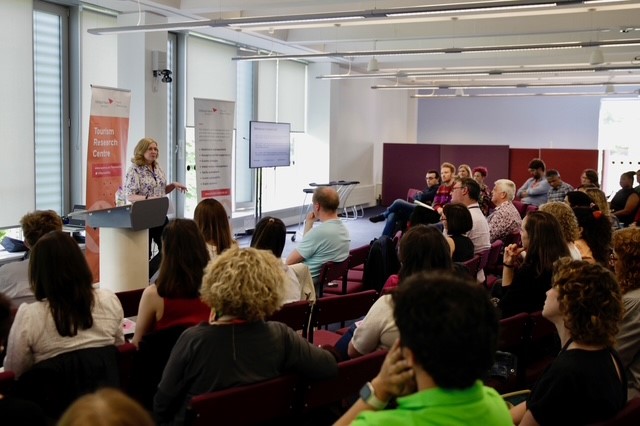
On 24 June 2025, Edinburgh Napier University’s Craiglockhart Campus hosted the Annual TRC Symposium: Innovative Practice in Business Events, a one-day gathering of academics, industry leaders, and event professionals. The symposium offered a rich platform for exploring how business events can drive economic, social, and knowledge-based impact far beyond tourism.

Rethinking metrics and legacy in business events

Professor Leo Jago (University of Surrey) challenged attendees to think beyond traditional tourism metrics. He emphasised that the true value of business events lies in their long-term legacy, from economic development to societal transformation and knowledge exchange. Jago advocated for government involvement in event planning and stressed the need for modern, engaging formats that resonate with younger generations. “Dull plenaries are no longer enough,” he noted, urging organisers to embrace workshops, interactive sessions, and networking opportunities.

Storytelling, strategy, and sector strengths

Rob Davidson, Director of MICE Knowledge, highlighted the strategic importance of aligning event bids with a country’s sectors of excellence. This approach not only attracts top-tier speakers but also enhances networking and sparks innovation. A common theme from all speakers on the day, was the power of storytelling in event promotion, as Davidson underscored – “If it bleeds, it leads” – and encouraged organisers to tap into local ambassadors and public engagement to amplify legacy and impact.

AI and the future of event design

Dr Judith Mair, Visiting Associate Professor from the University of Queensland, explored how artificial intelligence is quietly revolutionising the business events sector. She highlighted its role in enhancing sustainability through virtual site visits, streamlining event logistics with predictive analytics, and supporting event design by suggesting speakers and generating bios. AI is also being used to improve event evaluation, with tools that track ROIESG data, and real-time audience sentiment. Her talk underscored the growing importance of data-driven, tech-enabled approaches in creating smarter, more impactful events.

Collaboration as a competitive advantage

Professor Gary Hutchison (Edinburgh Napier University) and Elaine Miller (Edinburgh International Conference Centre), introduced the Exchange Initiative, a groundbreaking collaboration between Edinburgh’s universities, NHS Lothian, and the Edinburgh International Conference Centre (EICC). This initiative aims to attract international conferences to the city by leveraging collective expertise and engaging with stakeholders like VisitScotland and Chambers of Commerce. “There’s nothing quite like it elsewhere,” Hutchison remarked, highlighting its potential to position Edinburgh as a global hub for impactful events.

Advocating for impact

James Latham, founder of The Iceberg, delivered a powerful reminder: “We are change agents, not travel agents.” He called for a shift in focus from short-term metrics like ticket sales to long-term outcomes that reflect the true value of business events – innovation, collaboration, and societal progress.

Final thoughts

The TRC Symposium 2025 made it clear: business events are no longer just about tourism – they are catalysts for change. From legacy planning and sector alignment to collaborative bidding and storytelling, the future of the industry lies in its ability to create meaningful, measurable impact.

Written by Aoife O´Sullivan – Business Engagement and Communications Manager

Undergraduate Student Dissertations – Meet Claudio, BA (Hons) International Tourism Managment

In this new section, some of our brilliant UG students who have excelled at their dissertations tell us more about their research. Today, we have Claudio Pigozzo,  whose dissertation is “Challenging Traditional Tourist Typologies through the Digital Nomad Lens”, which was supervised by Dr. Alexandra Witte.

Digital nomadism is reshaping how we think about travel. My dissertation explored how digital nomads, people who combine remote work with long-term travel, fit into traditional tourist typologies.

Through in-depth interviews with 13 nomads from around the world, five different types of digital nomads emerged: Flash Nomads, Cultural Immersive Nomads, Seasonal Nomads, Settled Sojourners, and Rooted Roamers. These categories reflect different motivations, lifestyles, concepts of “home”, and levels of mobility, yet all share a reliance on digital infrastructure, cost of living awareness and adaptive coping strategies. This research highlights how digital nomads blur the lines between being a tourist and a resident, work and leisure, and permanence and transience. It also offers practical insights for destinations looking to attract and support this growing group, co-working hubs, flexible visa policies, and inclusive communities.

As digital nomadism becomes more mainstream, tourism theory needs to catch up. This is just the beginning of understanding this mobile, connected lifestyle.

Read the full dissertation by Claudio Pigozzo, BA (Hons) International Tourism Management.


Celebrating 3 Years of the Tourism Research Centre at Edinburgh Napier University

This month marks a significant milestone for the Tourism Research Centre (TRC) at Edinburgh Napier University as it celebrates its third anniversary. Since its launch in 2021, the Centre has established itself as a hub of impactful and collaborative research in the field of tourism and has not only met but exceeded many of its Key Performance Indicators (KPIs), delivering on its ambitious vision to be a leading voice in tourism research locally, nationally, and globally.

The Centre was conceived with a clear mission: to produce and disseminate high-quality, impactful research that supports sustainable, inclusive, and resilient tourism development. True to this mission, the TRC has led and contributed to numerous interdisciplinary research initiatives focused on, for example, sustainable destination development, community engagement and placemaking, visual methods research and economic impact in the tourism sector. The TRC has also played a vital role in supporting postgraduate research, mentoring early-career researchers, and providing students with opportunities to engage in applied research projects.

A key strength of the Centre has been its commitment to working collaboratively. Over the past three years, the TRC has extended and built strong partnerships with a range of external organisations including VisitScotland, the British Council, UNESCO and Edinburgh Tourism Action Group. These collaborations have enabled the Centre to co-create research that directly informs policy and practice, contributing to a more sustainable and resilient tourism industry.

The TRC has also fostered vibrant relationships with researchers from across the UK and internationally. Drawing on the expertise of Edinburgh Napier colleagues, the Centre has brought together a multi-disciplinary team of academics and research students from, for example, the School of Arts & Creative Industries and the School of Applied Sciences. We also work closely with our Visiting Academics from around the world, whose insights help to expand our global reach and academic exchange. These partnerships have enriched the Centre’s research output and extended its influence across academic and professional communities.

Among the Centre’s notable achievements are a series of high-impact publications, successful funding applications, commercial projects and the delivery of knowledge exchange events and workshops that have brought together academics, industry leaders, alumni, research students and policymakers. This year’s annual Symposium on Innovative Practice in Business Events will be held on 24th June. Our LinkedIn page is an active platform for engagement and dissemination, featuring a fortnightly blog written by our researchers, research students, alumni, and visiting academics — sharing knowledge, best practices, and innovative ideas with the wider tourism community. Please follow the for all our news.

Looking ahead, the TRC remains focused on its core themes of sustainable tourism destinations; cultural heritage management; wellbeing and health tourism; critical studies in tourism; and sustainable festival and event experiences. The Centre is well positioned to continue its leadership in tourism research, particularly as the industry navigates the complex challenges of climate change, evolving consumer behaviour, and technological disruption.

This milestone year is also a moment of transition, as I will retire at the end of August 2025. I was delighted to be appointed as Lead in 2022 and have thoroughly enjoyed shaping the Centre’s vision and success, working with colleagues, businesses and organisations to build a centre of excellence in tourism research. I leave the TRC in the very capable hands of my colleagues – more on this in a blog towards the end of the summer.

As we celebrate this three-year milestone, we extend our thanks to all the collaborators, supporters, and researchers who have contributed to the Centre’s success. The journey so far has laid a strong foundation for continued interdisciplinary growth and impact, and we look forward to what the future holds.

Anna leask headshot

Written by Professor Anna Leask, Tourism Research Centre Lead

Duncan Stewart shares his career path since graduating in 1996

Duncan Stewart, ENU alumnus and Managing Partner at insight agency 56 Degree Insight, has a long relationship with Edinburgh Napier University that goes back to 1992, when he enrolled for the BA (Hons) Hospitality (Tourism Management) course. Today Duncan shares with us his interesting story, his career path, and some fantastic photos back from the 90s.

My experience at Edinburgh Napier began in 1992 when I enrolled for the BA (Hons) Hospitality (Tourism Management) course.

It was an exciting time to join the university. Edinburgh Napier had recently achieved university status, and my course was newly established the year before—launched at a time when tourism was (correctly) predicted to become the world’s fastest-growing industry. I soon realised I’d made the right choice. The course struck a great balance between theoretical grounding and real-world insights, including memorable guest speakers from major organisations like British Airways and the chance to complete a work placement in year three.

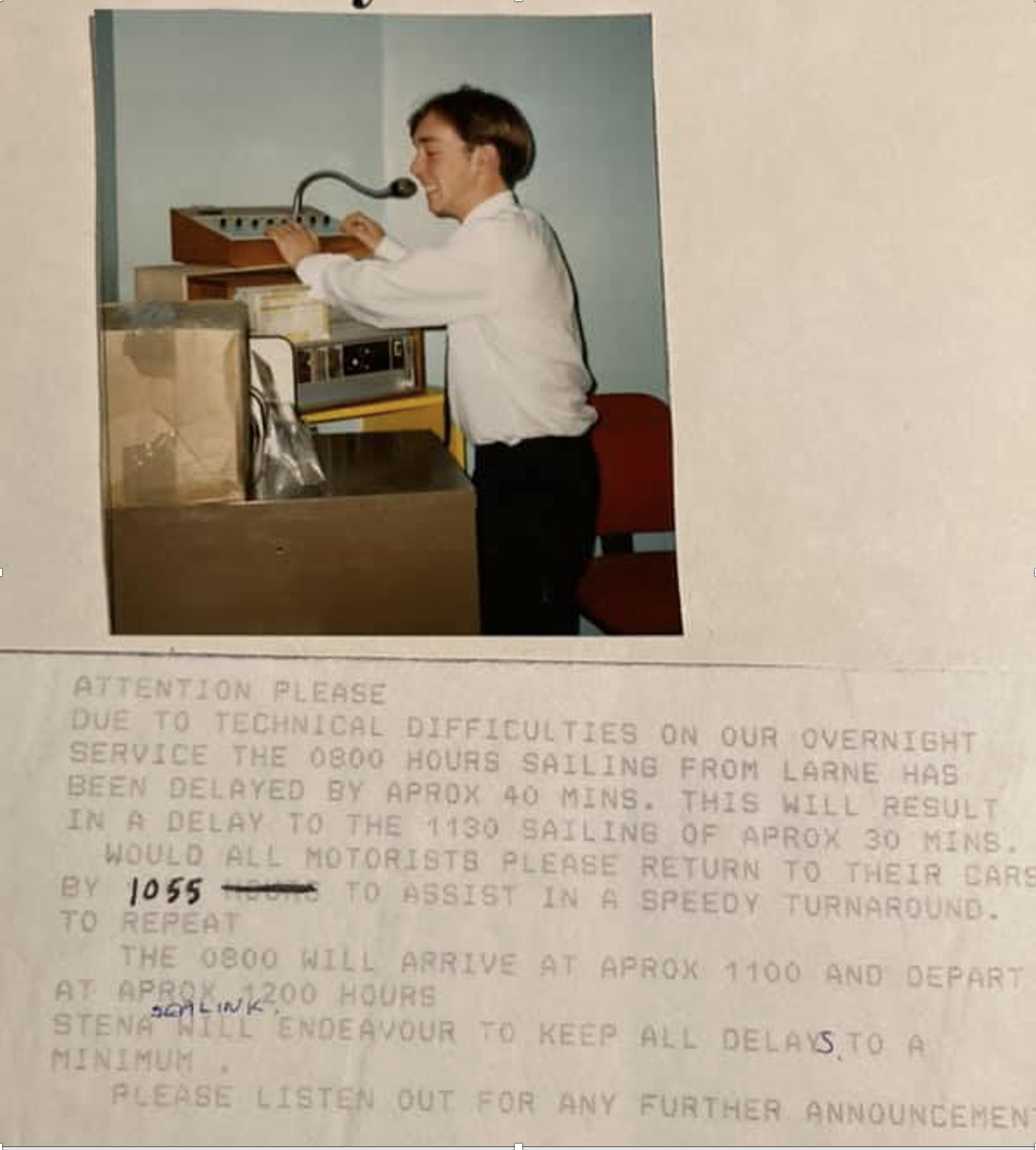
I kept my placement local, spending six months with the ferry company Stena back ‘home’ in Stranraer. The experience offered a wide range of learning opportunities—from frontline operations to my first real taste of market research, analysing and reporting on passenger survey results. It was this early exposure that ultimately shaped the direction of my career.

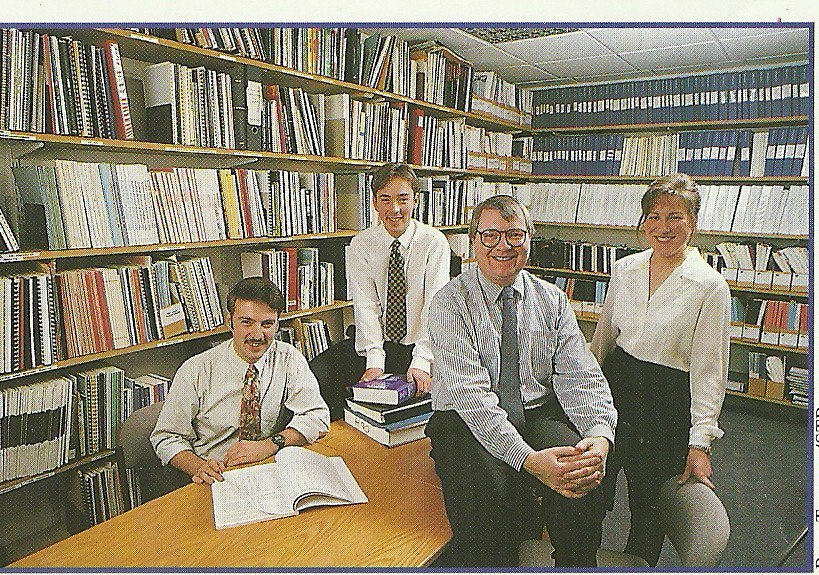
I was delighted to graduate with a 1st class degree and get roles working in tourism research firstly with the Scottish Tourist Board (now VisitScotland), then with the Yorkshire Tourist Board. These roles gave me a solid grounding in the field, from crunching data from the major business and consumer surveys to developing new studies, including those monitoring accommodation occupancy and visitor attraction numbers. An important part of my job at STB was to help students to find their way around our research library a fantastic resource in those pre internet days!

In 1998, I moved to the agency side, joining System Three—then one of the UK’s leading tourism research companies. I spent over 20 years there, building experience with a vast array of clients, from small businesses and public sector bodies to major brands such as Center Parcs and TUI. Over those two decades, the research world changed dramatically. Interviewers with clipboards gave way to online panels, and clients shifted from demanding dense data tables to concise, action-focused insights. My role evolved too—by 2019 I was a Director, jointly managing the company’s Edinburgh office, as it went through several acquisitions and rebrands, eventually becoming part of global research giant Kantar.

In 2019, my fellow Director Jim Eccleston and I took the leap and launched 56 Degree Insight, our own specialist insights agency focused on tourism.

56 Degree Insight has allowed me to apply everything I’ve learned since my time at Napier—turning theory into practice and building on experiences stretching all the way back to those early days tabulating surveys of ferry passengers during my work placement. Despite the initial challenges of launching a new business just before the Covid-19 shutdown, the business has thrived. We’ve supported many of Scotland’s leading travel and tourism organisations—both public and private sector—on everything from visitor surveys and brand evaluations to segmentation studies and customer experience tracking.

And in 2022, I was delighted to reconnect with Professor Anna Leask—who I first met as a new lecturer back in 1992—by partnering with Edinburgh Napier University on a project which explored perceptions of hospitality and tourism as a career, in light of ongoing recruitment and skills challenges. It was nostalgic moment to return to campus to present our findings to an audience including a number of current tourism students at the Tourism Research Centre seminar.

1 – Stena – Extract from my work placement logbook documenting one of my roles making public announcements to delayed passengers!

2 – STB – Me and the rest of the research team in the Scottish Tourist Board library.


My first conference as PhD student at TBS Doctoral College Conference

By Teges, 1st year PhD candidate…

The Business School organized a conference for PhD students (in May). The event was quite captivating, as first-year doctoral students and those in their second and third years interacted to showcase their individual research. The aim of the TBS Doctoral Conference was to stay informed about student advancement and offer constructive feedback for ongoing research writing and networking among students, which is essential since, at times, student face uncertainty and isolation during the research journey.

The conference commenced with an inaugural address by Prof Maxwell Chipulu as Associate Dean of Research at The Business School. There was also keynote speaker of the event by Dr Alex Hope from Northumbria University. In the session, Dr Alex detailed the Sustainable Development Goals and the Principles for Responsible Management Education (PRIME). PRIME is an initiative supported by the United Nations, established in 2007, which seeks to enhance the importance of sustainability in business and management education via Seven Principles aimed at benefiting society and protecting the planet.

After, the introduction part the event followed by the doctoral student’s presentations. These presentations were split into two sessions. The initial session concentrated on economics and society, whereas the subsequent session emphasized economics, society, and the biosphere. Meanwhile, during lunch time we have opportunity to have a look on another student research poster.

Since I am in the initial year of my PhD program, I took part in delivering 10 minutes presentation during the morning’s session. My study concentrates on recognizing Circular Economy approaches in traditional SMEs in West Java and Central Java tourism industry, Indonesia. In the question-and-answer segment, I was asked three inquiries about methodology, the distinctions between Western and non-western views on Circular Economy and my approach to handling bias during data collection.

I believe the inquiries posed by the audience were adequate to assist me in recognizing what to focus on in my research. Furthermore, the insights shared by my fellow doctoral students inspired me to stay passionate about my ongoing research.

Get in touch: tegesratnaayu.ningrum@napier.ac.uk