Shaping the future of business events: Insights from the TRC Symposium 2025

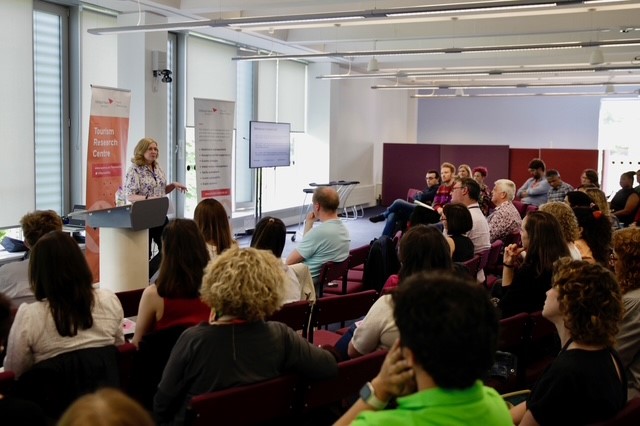
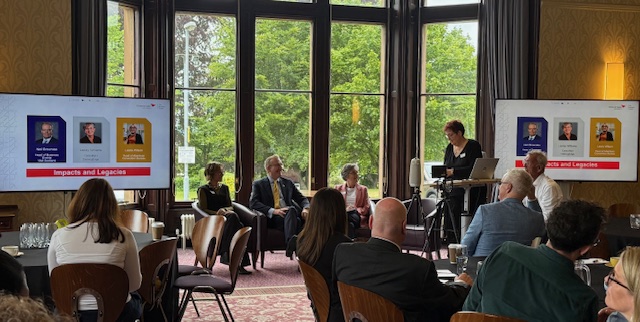
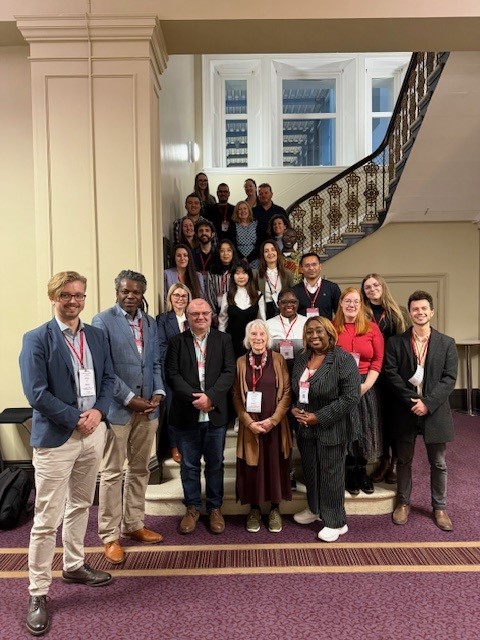
On 24 June 2025, Edinburgh Napier University’s Craiglockhart Campus hosted the Annual TRC Symposium: Innovative Practice in Business Events, a one-day gathering of academics, industry leaders, and event professionals. The symposium offered a rich platform for exploring how business events can drive economic, social, and knowledge-based impact far beyond tourism.

Rethinking metrics and legacy in business events

Professor Leo Jago (University of Surrey) challenged attendees to think beyond traditional tourism metrics. He emphasised that the true value of business events lies in their long-term legacy, from economic development to societal transformation and knowledge exchange. Jago advocated for government involvement in event planning and stressed the need for modern, engaging formats that resonate with younger generations. “Dull plenaries are no longer enough,” he noted, urging organisers to embrace workshops, interactive sessions, and networking opportunities.

Storytelling, strategy, and sector strengths

Rob Davidson, Director of MICE Knowledge, highlighted the strategic importance of aligning event bids with a country’s sectors of excellence. This approach not only attracts top-tier speakers but also enhances networking and sparks innovation. A common theme from all speakers on the day, was the power of storytelling in event promotion, as Davidson underscored – “If it bleeds, it leads” – and encouraged organisers to tap into local ambassadors and public engagement to amplify legacy and impact.

AI and the future of event design

Dr Judith Mair, Visiting Associate Professor from the University of Queensland, explored how artificial intelligence is quietly revolutionising the business events sector. She highlighted its role in enhancing sustainability through virtual site visits, streamlining event logistics with predictive analytics, and supporting event design by suggesting speakers and generating bios. AI is also being used to improve event evaluation, with tools that track ROIESG data, and real-time audience sentiment. Her talk underscored the growing importance of data-driven, tech-enabled approaches in creating smarter, more impactful events.

Collaboration as a competitive advantage

Professor Gary Hutchison (Edinburgh Napier University) and Elaine Miller (Edinburgh International Conference Centre), introduced the Exchange Initiative, a groundbreaking collaboration between Edinburgh’s universities, NHS Lothian, and the Edinburgh International Conference Centre (EICC). This initiative aims to attract international conferences to the city by leveraging collective expertise and engaging with stakeholders like VisitScotland and Chambers of Commerce. “There’s nothing quite like it elsewhere,” Hutchison remarked, highlighting its potential to position Edinburgh as a global hub for impactful events.

Advocating for impact

James Latham, founder of The Iceberg, delivered a powerful reminder: “We are change agents, not travel agents.” He called for a shift in focus from short-term metrics like ticket sales to long-term outcomes that reflect the true value of business events – innovation, collaboration, and societal progress.

Final thoughts

The TRC Symposium 2025 made it clear: business events are no longer just about tourism – they are catalysts for change. From legacy planning and sector alignment to collaborative bidding and storytelling, the future of the industry lies in its ability to create meaningful, measurable impact.
Written by Aoife O´Sullivan – Business Engagement and Communications Manager
Celebrating 3 Years of the Tourism Research Centre at Edinburgh Napier University

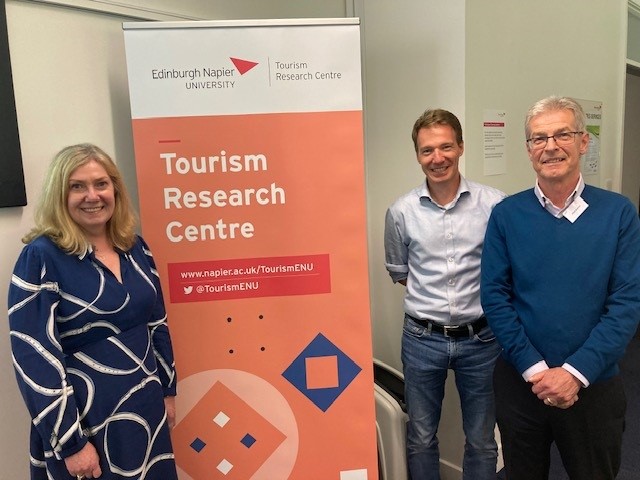
This month marks a significant milestone for the Tourism Research Centre (TRC) at Edinburgh Napier University as it celebrates its third anniversary. Since its launch in 2021, the Centre has established itself as a hub of impactful and collaborative research in the field of tourism and has not only met but exceeded many of its Key Performance Indicators (KPIs), delivering on its ambitious vision to be a leading voice in tourism research locally, nationally, and globally.

The Centre was conceived with a clear mission: to produce and disseminate high-quality, impactful research that supports sustainable, inclusive, and resilient tourism development. True to this mission, the TRC has led and contributed to numerous interdisciplinary research initiatives focused on, for example, sustainable destination development, community engagement and placemaking, visual methods research and economic impact in the tourism sector. The TRC has also played a vital role in supporting postgraduate research, mentoring early-career researchers, and providing students with opportunities to engage in applied research projects.

A key strength of the Centre has been its commitment to working collaboratively. Over the past three years, the TRC has extended and built strong partnerships with a range of external organisations including VisitScotland, the British Council, UNESCO and Edinburgh Tourism Action Group. These collaborations have enabled the Centre to co-create research that directly informs policy and practice, contributing to a more sustainable and resilient tourism industry.

The TRC has also fostered vibrant relationships with researchers from across the UK and internationally. Drawing on the expertise of Edinburgh Napier colleagues, the Centre has brought together a multi-disciplinary team of academics and research students from, for example, the School of Arts & Creative Industries and the School of Applied Sciences. We also work closely with our Visiting Academics from around the world, whose insights help to expand our global reach and academic exchange. These partnerships have enriched the Centre’s research output and extended its influence across academic and professional communities.

Among the Centre’s notable achievements are a series of high-impact publications, successful funding applications, commercial projects and the delivery of knowledge exchange events and workshops that have brought together academics, industry leaders, alumni, research students and policymakers. This year’s annual Symposium on Innovative Practice in Business Events will be held on 24th June. Our LinkedIn page is an active platform for engagement and dissemination, featuring a fortnightly blog written by our researchers, research students, alumni, and visiting academics — sharing knowledge, best practices, and innovative ideas with the wider tourism community. Please follow the for all our news.

Looking ahead, the TRC remains focused on its core themes of sustainable tourism destinations; cultural heritage management; wellbeing and health tourism; critical studies in tourism; and sustainable festival and event experiences. The Centre is well positioned to continue its leadership in tourism research, particularly as the industry navigates the complex challenges of climate change, evolving consumer behaviour, and technological disruption.

This milestone year is also a moment of transition, as I will retire at the end of August 2025. I was delighted to be appointed as Lead in 2022 and have thoroughly enjoyed shaping the Centre’s vision and success, working with colleagues, businesses and organisations to build a centre of excellence in tourism research. I leave the TRC in the very capable hands of my colleagues – more on this in a blog towards the end of the summer.

As we celebrate this three-year milestone, we extend our thanks to all the collaborators, supporters, and researchers who have contributed to the Centre’s success. The journey so far has laid a strong foundation for continued interdisciplinary growth and impact, and we look forward to what the future holds.

Anna leask headshot

Written by Professor Anna Leask, Tourism Research Centre Lead

Exploring Creativity: Highlights from the British Arts Festival Association Student Conference

Written by Sadie Purves, student on MSc International Festival and Event Management at Edinburgh Napier University.

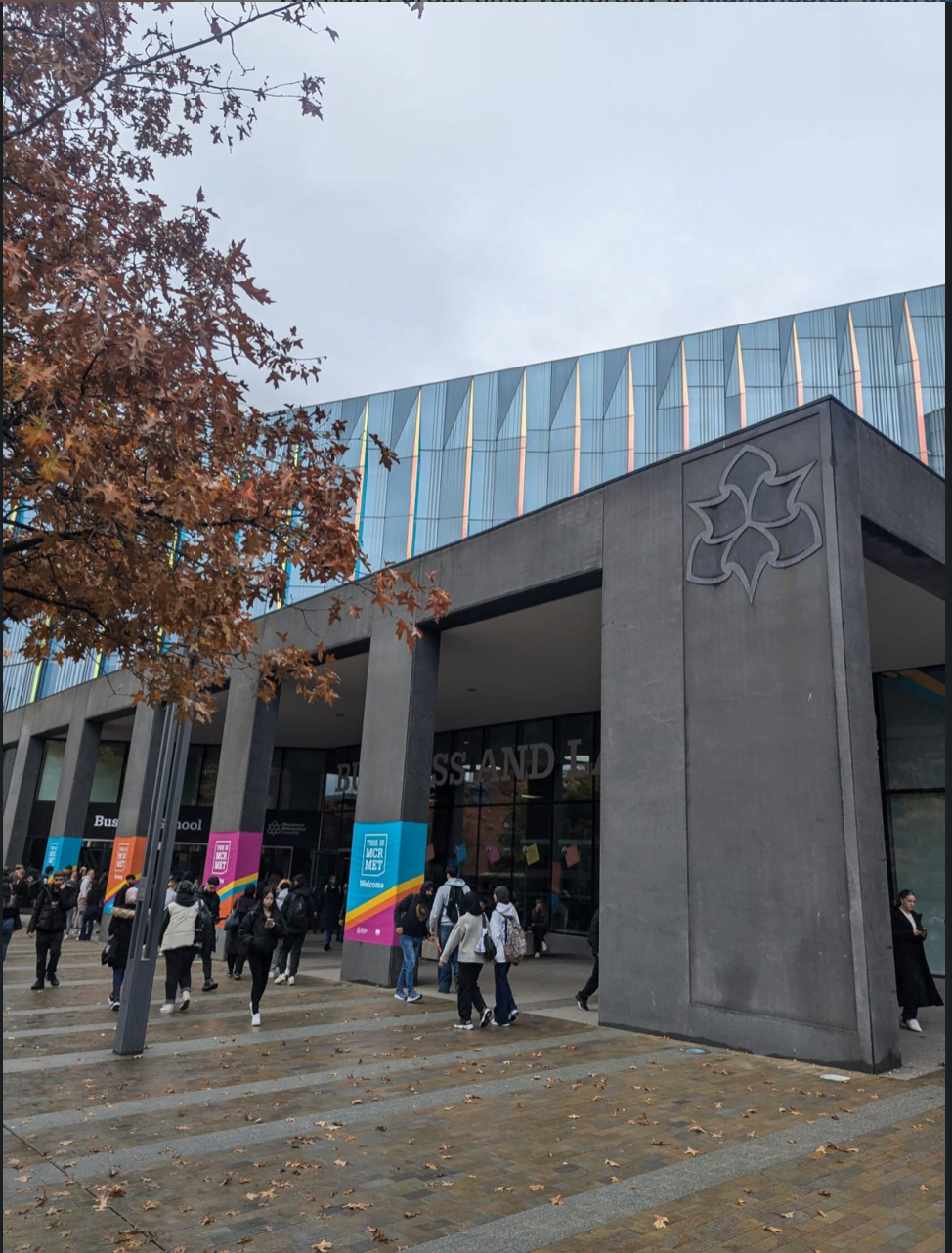
The British Arts Festivals Association (BAFA), the leading network and development agency for UK arts festivals, hosted a conference for students on October 9th at Manchester Metropolitan University. The conference, titled ‘A Festival Career’, allowed students to join a range of festival professionals to shape their own ideas about what a festival career could have to offer.

BAFA partners with festivals and UK universities, including Napier, to offer training opportunities for students. In this flagship event, BAFA aimed to bring together students, academics and industry experts with a presentation, panel and networking opportunities.

Key Themes and Panel

conference panel

The conference opened with an introduction by BAFA Director Fiona Goh, and the overall themes of the conference were covered, such as the future of the festival industry, how to get your start in the field and the reality of festival work.

Since the attendance was both undergrad and postgrad students from a range of universities across the country, we all had different academic backgrounds, which was a great aspect of the event. There was a presentation from PhD student Naomi Taylor about her research on how festivals give the audience an opportunity to connect with culture and how this is mediated by the audience and the festival team. Taylor additionally went into how BAFA is partnering with her to complete her PhD. As a student, this experience was enlightening to hear about, especially for those who may be considering further study.

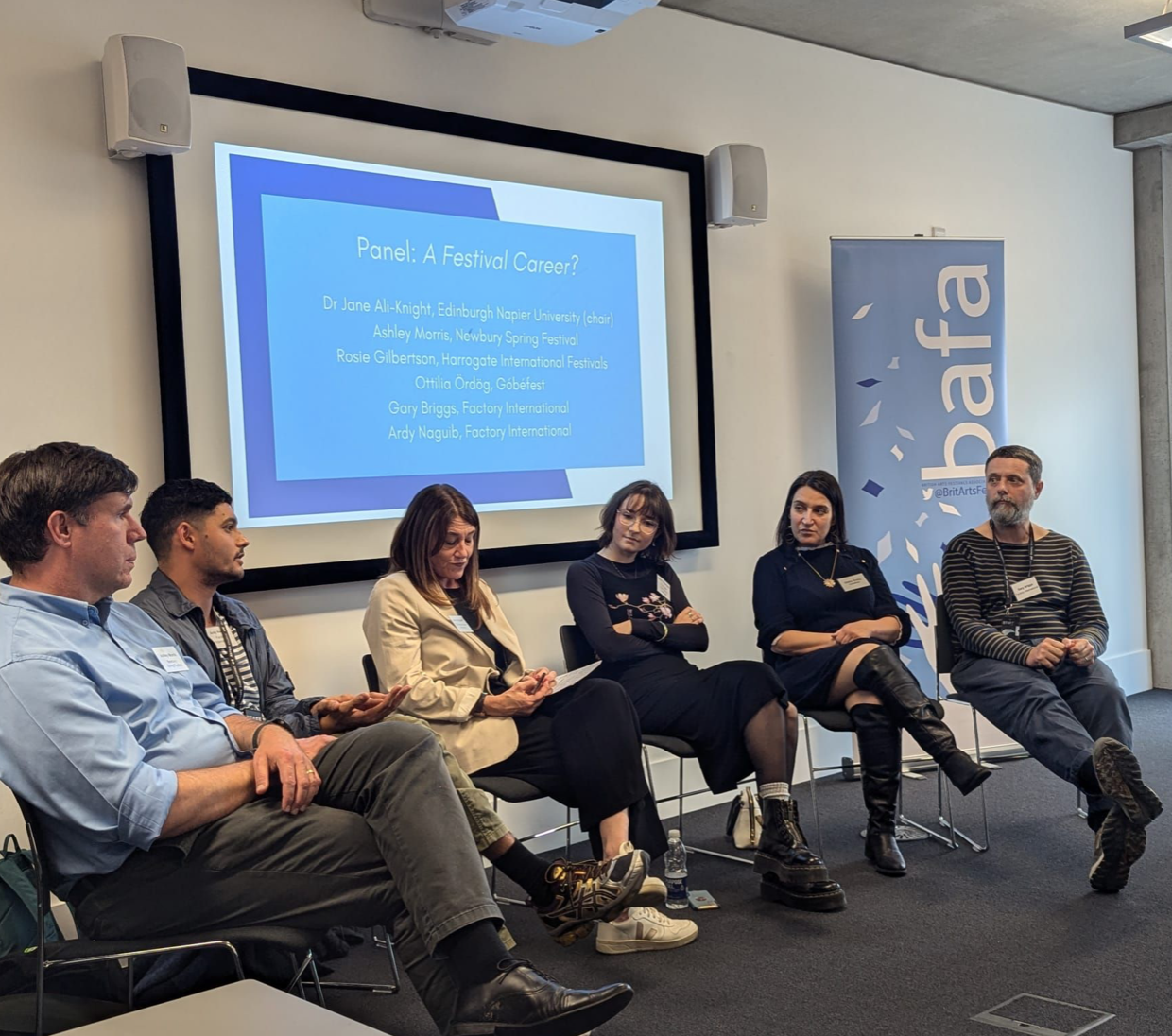
The conference continued with a panel, chaired by Dr Jane Ali-Knight, from Napier. Those on the panel included Ardy Naguib (Factory International), Rosie Gilbertson (Harrogate International Festival), Ottilia Ördög (Góbéfest) and Ashley Morris (Newbury Spring Festival). The panel focused on how these individuals got their start in the industry and how this can be translated into advice for students. Everyone had very contrasting experiences from one another, and this exemplified that, despite your background, there are many different ways you could contribute to arts festivals. The experience of starting Góbéfest was discussed by Ottilia Ördög, and this gave a fantastic representation and advice to students on how to explore starting your own festival. Many of the chairs shared that organising your own events, whatever their size or scope, is one of the best ways to gain experience.

Networking and Mentoring

After the panel, we began our ‘Meet the Mentor’ session, which allowed students to ask any questions and start a dialogue with the festival professionals. This section of the conference was a great opportunity to make connections and start to build a network. We had ample opportunity to meet with all of the mentors as well as Fiona Goh of BAFA and lecturers in attendance from Manchester Metropolitan University. The sense of the community this conference adopted in such a short time, built upon shared experiences and genuine connections, was definitely an asset of the event.

A Festival Career

Overall, the BAFA Student Conference provided a valuable and inspiring experience for students considering a career in the festival industry. From insightful presentations to practical advice from seasoned professionals, the event highlighted both the challenges and rewards of working in this dynamic field. The networking and mentorship opportunities allowed students to connect with industry leaders and peers, building a foundation of support and insight to guide their career paths. This unique event underscored the possibilities within the festival industry and empowered students to envision and shape their own futures in the arts.

Festivals as networked communities, and a PhD journey to Tilburg University

By Dr David Jarman

In the world of festivals and communities, relationships matter. Festival managers and producers understand the overlapping links, both professional and private, amongst their colleagues. Freelancers and graduates developing their careers appreciate that opportunities may come by way of personal connections. The future success of entire festival organisations can depend on forging, maintaining and exploiting associations with collaborators, suppliers and allies.

Academic literature in the field of festival studies has sought to better understand the interpersonal dimension of these events, from different conceptual standpoints, in a range of contexts. However, in this festival environment there remains an opportunity, if not a need, to establish the place of network-based research methods and perspectives in the development of academic and industry understandings of social relationships. Networks underpin these connections and communities, from simple ties between pairs of people, to complex webs spanning hundreds of individuals, venues, performing companies, supply chains and audience members.

Earlier this summer, just before the beginning of term, I headed over to The Netherlands to complete my doctorate. The research is a response to the question: “What can social network analysis, and a network-orientated perspective, contribute to understanding the relationships within festival and creative communities?”

My PhD was with Tilburg University, where I had been a student for three years through the period of Covid lockdowns. The empirical work that contributed to it was built up over a number of years though, through a range of different journal articles, conference presentations and book chapters. It has been a privilege and an interesting journey over that time to complete this range of different projects, and to work with different people along the way. Taking this “by publication” route meant that I was able to focus on different projects, involving an array of primary data types, and various research methodologies. I was also able to find different homes for my work, with the support of many editors and colleagues along the way. Presenting my work at different conferences and events allowed me to tell people about my work and generate some interest in the network approach that I’ve been taking.

Throughout my work I’ve been focusing on different types of social network analysis. SNA is a growing area of academic research, partly driven by the opportunities that it presents, but also because of the interest in networks that has developed over the past 20 years. This interest is partly driven by widespread use of social media and communications technologies, but also through the shared experience of the Covid-19 pandemic and its spread across the globe. I was able to take this interest and apply it to the context of festivals and events, showing that there is a lot to be learnt and concluded from a network focused approach.

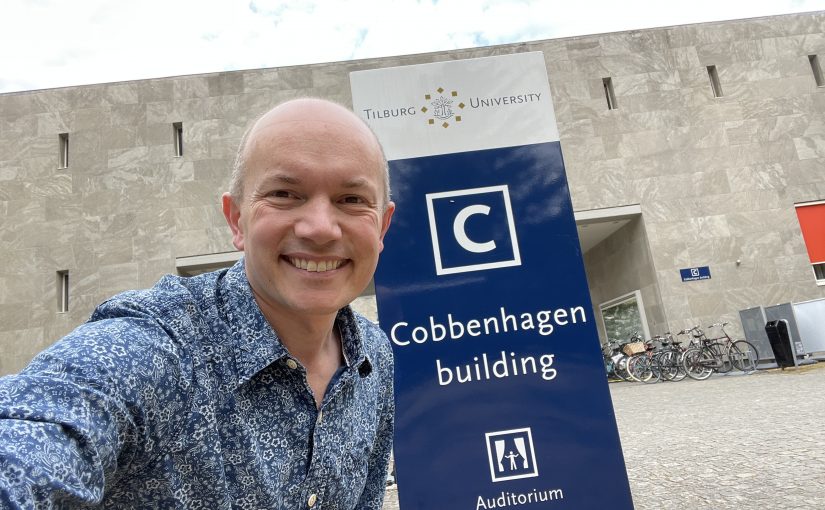
Going through the Dutch system was very interesting and rewarding, and very different from the experiences of colleagues who went through a UK system. My trip to Tilburg in late summer was primarily for a public defence of my PhD: I was given an hour on stage in which to present my work, and then to answer questions from a panel of assembled professors. It was a good experience, and my supervisors were confident that I would get through it, so I was happy to have my family with me to see it! I also produced a public publication so to speak: this took the form of multiple copies of a printed book with a shiny cover, that people who attended the event were free to take away with them. It has been an interesting journey to turn my PhD thesis into something which can quite comfortably sit on a bookshelf in a library, or in someone’s study.

The publication of the book in this form, and also as a PDF freely available from the Tilburg University repository, means that the various publications that I collected over the years are now in one place. If anyone wants to know what I’ve done over the past 10 years or so, they can head to the Tilburg University website and there it will be.

The journey to Tilburg was fantastic, and the good weather really helped. I was also very happy that one of my colleagues at Napier, Professor Jane Ali-Knight, was one of my supervisors, and therefore also at the public defence. Working with her, and my director of studies Professor Greg Richards, has been a really rewarding and valuable experience in itself. Greg and I, for example, published a special issue of the Event Management academic journal in 2021. We also collaborated on some events through the ATLAS group of academics, and we shall continue to build on this.

Final thanks from me must go to two groups of people. One is my family, my partner and young son who came out to the Netherlands with me. We enjoyed some lovely days in Amsterdam, Tilburg, and nearby Breda. The other group of people are the various administrators, support staff and Beadles who helped me at Tilburg University. They are a fantastic team, and I was really lucky to work with such great people through the six-month journey from thesis submission to public defence and book publication. The Tilburg campus is beautiful, the atmosphere is lively, and I was very well looked after by everyone I met.

In terms of my work as an academic at Edinburgh Napier, I am now in a position to tell anyone that there is a collected body of my work in that book. I’m also very happy that I can now call myself Dr. This will open up future opportunities to me in terms of research and other work, with additional freedoms to treat each project on its own merits rather than being part of a bigger endeavour. I will, of course, retain my interest in festivals, networks, and communities, and I will continue to share this with people at every opportunity that comes my way.