33rd Nordic Symposium on Tourism and Hospitality Research

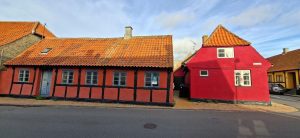
From the 17th-19th September, I had the pleasure of attending the 33rd Nordic Symposium on Tourism and Hospitality, hosted by the Centre for Regional and Tourism Research (CRT) on the island of Bornholm, Denmark, under the theme “The transformative power and potential of tourism”.  The Nordic Society for Tourism and Hospitality Research (Northors), who organise the annual Nordic symposium, provides a platform for the development of hospitality and tourism in Nordic countries- Denmark, Sweden, Finland, Norway and Iceland, and surrounding areas in a European and global context.

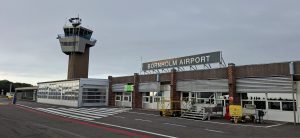
picture of airport

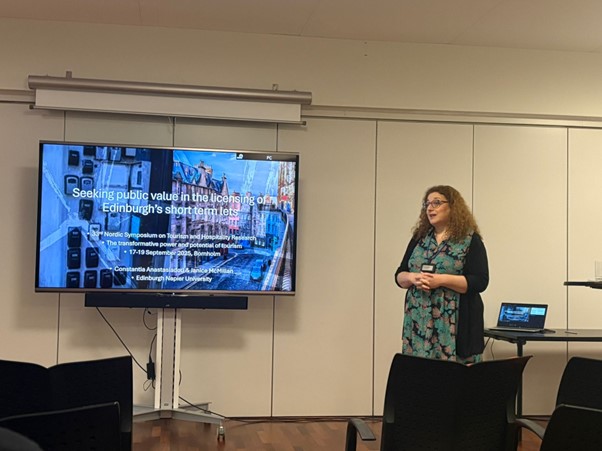
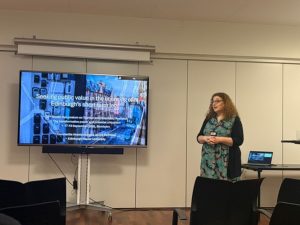
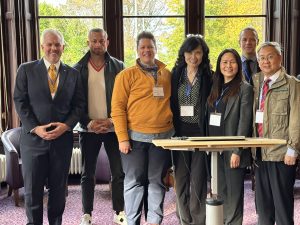
I presented findings from a public engagement activity on how making souvenirs at the destination can support visitor environmental education, with Drs. Xinguyu (Chloe) Tao and Sam Vettese from the School of Design at Edinburgh Napier University.  I presented a second paper titled seeking public value in the licensing of Edinburgh’s short term lets from my interdisciplinary work with Dr. Janice McMillan, Human Resource Management Group, at Edinburgh Napier University. Both papers were very well received and led to some very engaging conversations about what we truly value in tourism and its transformative potential for destinations, businesses, visitors and individuals. I was able to reconnect with researchers from Denmark and make new connections with participants from Finland, Norway and Scotland!

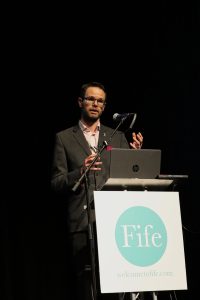
Professor giving presentation

The island setting was significant for the conference – Anders Wiberg, director of destination Bornholm Forside – Destination Bornholm ApS – vi arbejder for turismen) discussed how the island has  positioned itself as a year-round destination for visitors, capitalising on nature, music and the island’s reputation as Denmark’s leading gastronomy destination.

The Green Solution House Hotel (GSH) which was the conference venue, is a global pioneer of sustainable hotel operations and design, named by The Guardian (UK) as one of the most sustainable hotels in Europe in 2021.

One of our evening activities involved setting on an island food tour, where we were lucky to sample locally produced drinks and participate in an interactive session with local entrepreneurs on the future of Bornholm as a food destination.

Additionally, Bornholm is a Maker’s Island. It has a vibrant arts and craft scene and is the first place in Europe and first island in the world to be designated World Craft Region, for producing unique handicrafts.

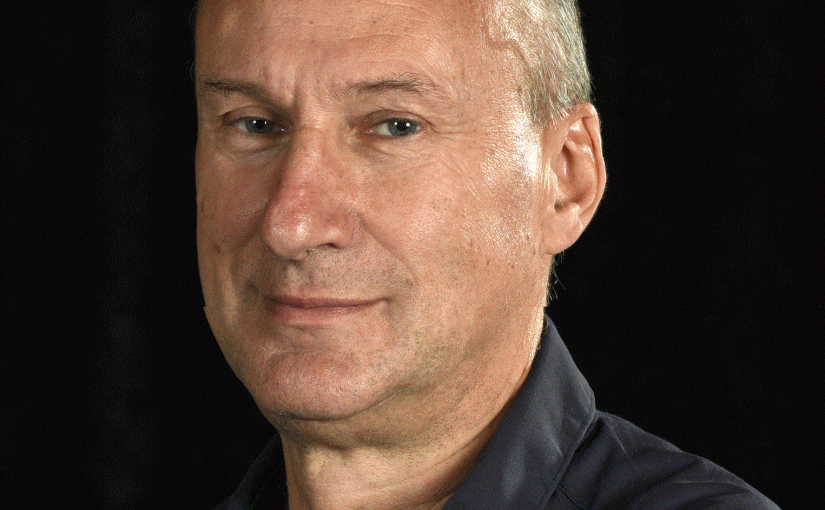
Edinburgh Napier Visiting Professor, Greg Richards, provided one of the keynote presentations entitled (Transforming Culture In the Curated Countryside) as part of the CROCUS project (www.crocus.europe.eu) around the transformation of tourism and experiences in rural areas through the transfer of gentrification processes usually associated with urban development.  Another highlight of the conference was the panel conversation “Enough with the rhetoric: How can we effectively work with tourism’s growth and challenges in the years to come?  considered how the work academics can inform broader discussions around the value of tourism and tourism policy priorities.

During the gala dinner, we enjoyed local folklore and storytelling accompanied by traditional Danish bagpipe music. The similarity to Scottish bagpipes was hard to miss and much of the island setting, pride in local food, heritage and cultural tradition, also served to remind us, how tourism can transform places and people if managed thoughtfully and with the local community at the driving seat.

Written by Professor Constantia Anastasiadou

Meet the Visiting Professor – Dr Greg Richards

Travel is part of my DNA. I started travelling at a time when Brits still looked at you strangely if you had a suntan. As tourism became a mass phenomenon, I also took full advantage, travelling around Europe and kicking off my career as a research assistant on a PhD project with Chris Devereaux in the Algarve. I went on to work in the industry with my father, who had worked in airlines and hotels, and had set up a tourism research and marketing consultancy (TRAM), which I am still running today.

I was also lucky enough to start my academic career at a time when the EU was beginning to support Erasmus exchanges. That allowed me to meet lots of researchers from different countries and backgrounds, which eventually took me to the Netherlands to work at Tilburg University. In those days, teaching was still in Dutch, so of course I had to learn the language as well. That was my gateway into the culture, and an important basis for learning other languages later on. I set up the Association for Tourism and Leisure Education and Research (ATLAS), which generated yet more international contacts. ATLAS also brought me in touch with Napier, who has been a key member of the network for almost 20 years now. Napier staff were active participants in the ATLAS Cultural Tourism Research Project, and it was cultural tourism that took me to Spain in 2003, with a Marie Curie Post-Doc on festivals in Catalunya. I worked at the Interarts Foundation in Barcelona for a few years and also moved TRAM to Spain.

Coming back to the Netherlands a few years later, I had more contact with Napier, via events research. As my work developed around ‘eventful cities’, Edinburgh became a natural focus for collaboration. From Breda University, we sent groups of students (178 in 2012!) to Edinburgh, where they were ably hosted by Napier staff. The events’ connection with Napier continued through the ATLAS Events Special Interest Group, for which Napier organised a meeting in 2020. Unfortunately, this was during Covid, so I didn’t actually get to Edinburgh! But I did supervise David Jarman’s PhD thesis on Social network analysis and festival relationships together with Jane Ali-Knight. One thing I love about being linked to Napier is catching up with other old friends. These include fellow Visiting Professor Brian King on many research projects over the years, Angela Chu, who worked with Brian and I on cultural tourism and placemaking in the Greater Bay Area of China, and Afiya Holder, who I collaborated with at the UNWTO.

Written by: Professor Greg Richards

44th International Society of Travel & Tourism Educators (ISTTE) annual conference, “Tailored experiences: The future of hospitality and tourism industry and education” Recap

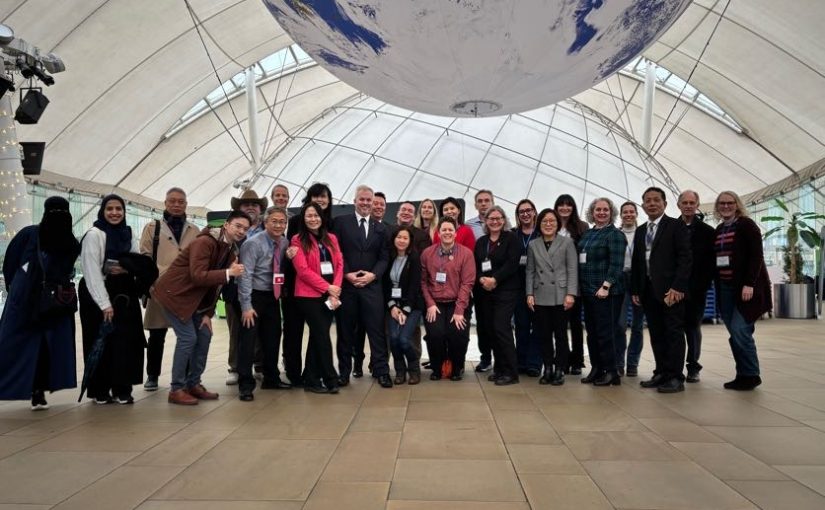
The 44th Annual Conference of the International Society of Travel and Tourism Educators (ISTTE) was held from October 22-24, 2025, at The Business School at Edinburgh Napier University. The event was in-person; there was no virtual component. This delivery modality allowed 46 registered participants worldwide to connect and share research and best practices in travel and tourism education.

The theme for the two-and-a-half-day conference was “Tailored Experiences: The Future of Hospitality and Tourism Industry and Education.” The conference featured a range of engaging sessions and events. To open the conference, attendees networked at a welcoming reception and facilitated group dinners nightly throughout Edinburgh. The following day began with welcoming remarks from the host institution’s leadership, Deputy Dean Paul Barron and ISTTE President Nicholas Thomas, followed by a keynote session by Dr. Gary Kerr (Atlantic Technological University), who provided insights into creativity and innovation in tourism and events education. Day two ended with an engaging special feature session with JTTT providing a practical guide for authors, reviewers, and academic contributors. The final day provided a unique backdrop overlooking Arthur’s Seat with engaging presentations from keynote Murat Kizildag (University of Central Florida), who discussed a financial dotplot of investing in experiences, as well as a special feature session with Timothy Flohr (University of Memphis), who provided a strategic approach to realigning industry and academia.

The program included 22 stand-up presentations covering a variety of pedagogical topics as well as five workshops designed to enhance participant knowledge across other topics relevant to our membership. All presentations were face-to-face, and this modality will continue until further notice

A unique feature of the ISTTE conference is its attendee workshops. This year, participants were able to participate in engaging workshops related to, among other things: (a) expanding access to the industry, (b) flipped and experiential classrooms, (c) team-based learning approaches, (d) designing ELITE experiences for career-ready graduates, and (e) post-graduate students and sustainability.

The conference recognized several outstanding contributions to advancing the goals of ISTTE. Kara Wolfe (Missouri State University) won the Martin Oppermann Lifetime Achievement Award, and Edmund Goh (Les Roches) won the Heidi Sung Achievement Award. Additionally, Les Roches received the Institutional Achievement Award. Two deserving students were presented with scholarships to support student educational endeavors: graduate student Nikol Lopez Llantuy from Iowa State University and undergraduate student Liraysa Ponson from Breda University of Applied Sciences.

The Journal of Teaching in Travel and Tourism (JTTT) 2024 Best Paper Award went to Drs. Feri Ferdian, (Universitas Negeri Pedang), Mohd Salehuddin Mohd Zahari, Mohd Onn Rashdi Abd Fatah, Zuraini Mat Issa, and Mohd Hafiz Hanafiah (Universiti Teknologi MARA) for their paper entitled “Investigating the Effectiveness of Conventional Hosptality Education Curriculum in Shaping Millennials’ Career Commitment: An Empirical Inquiry.” The JTTT 2024 best reviewer award went to Dr. Elizabeth Whalen (Middle Tennessee State University). The conference also featured several notable paper awards:

  • Best Paper: “Beyond the Plate: Cultivating Work-Life Balance in the Hospitality Industry” by Sasi Gangiah
  • Best Workshop Paper: “Beyond Internships: Designing ELITE Experiences for Career-Ready Graduates in Hospitality, Tourism, and Culinary Education” by Timothy Flohr and William Mullins
  • Best Working Paper: “Visualizing the Sequence of Service AI-Generated Flowcharts” by Sarah Belanger and Edmund Goh
  • Best Pecha Kucha Paper: “AI in Hospitality and Tourism: Rewriting the Customer Journey” by Annamarie Sisson, Rui Costa, Minwoo Lee, and Billy Bai

The 44th ISTTE Conference continued the return of exclusively in-person gatherings for the travel and tourism education community. A resounding success, the conference showcased innovative research and teaching practices through insightful sessions, valuable networking opportunities, and a celebration of excellence with the awards ceremony. As always, the hallmark of an ISTTE conference, the strong sense of community, fostered a ‘family and friends’ atmosphere throughout the event. Attendees left feeling energized and inspired to continue pushing the boundaries of tourism education.

I am especially grateful for the efforts of the ISTTE Board of Directors in planning this conference. Special mention goes to Dr. Annamarie Sisson (Edinburgh Napier University) and Dr. Cora Wong (Macao Polytechnic University). Dr. Sisson tirelessly executed the logistics of hosting the conference at Edinburgh Napier University, while Dr. Cora Wong was responsible for the conference paper review process.

The 45th annual ISTTE conference will take place in mid-October at Breda University of Applied Sciences. The theme for this year is yet to be determined. As always, travel, tourism, and hospitality educators, researchers, graduate students, and destination and industry practitioners are welcome to join us in Breda, Netherlands. We are open to a variety of contributions, including research papers, case studies, curriculum modules, teaching methods, and other original work about the theme. There will be four award categories: Best Paper, Best Working Paper or Poster, Best Case Study, and Best Workshop. Authors of exceptional papers will be invited to submit their work to the Journal of Teaching in Travel and Tourism. On behalf of the entire ISTTE board, I look forward to seeing you in Breda. For more details on the conference, including the Call for Papers and program information, please visit: https://istte.org/

Disclosure statement: No potential conflict of interest was reported by the author(s).

Written by: Dr. Annamarie Sisson (they/them), Lecturer

How the Edinburgh Festivals make the city a better place to live, work and play in

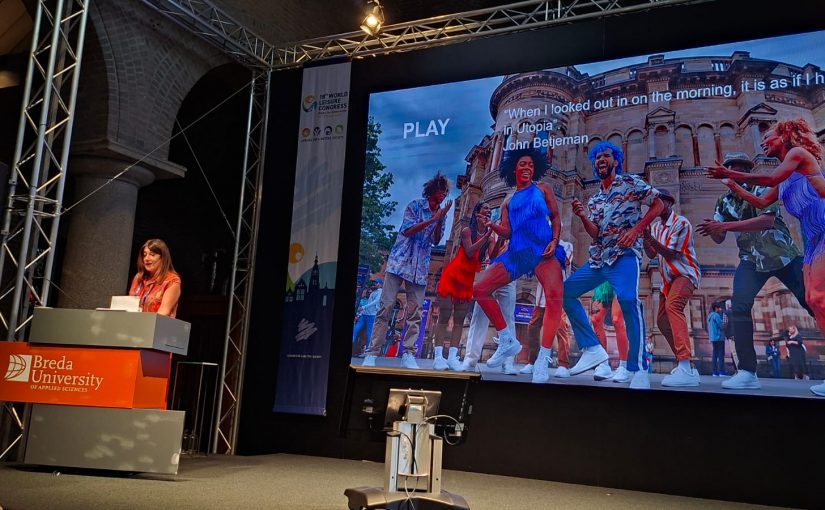
The World Leisure community gathered in Breda for the 18th World Leisure Congress: Leisure for a Better Society, held from August 25-28, 2025, bringing together over 400 participants and experts in the field from 40 countries. With a full program of inspiring sessions, vibrant poster presentations by emerging scholars, and the World Leisure Awards Ceremony, the event celebrated individuals and organizations driving leisure as a force for inclusion, human growth, and social transformation.

conference

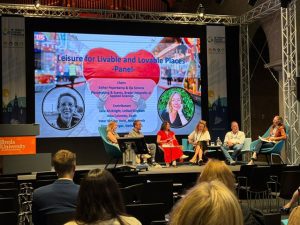
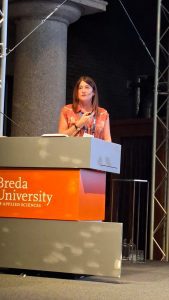
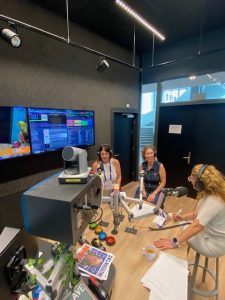
Professor Jane Ali-Knight sat on a panel discussing ‘The role of leisure in creating livable and lovable places’; participated in a WLJ Podcast and delivered one of the conferences keynote sessions titled: Fringe benefits: how the Edinburgh Festivals make the city a better place to live, work and play in. Drawing on recent research, examining Fringe Festival Networks in Perth, Adelaide and Edinburgh, Jane has been involved in with ENU colleague David Jarman and other academic collaborators from Australia, she delivered an interactive and informative presentation highlighting how the festivals contribute to the wellbeing of the city.

There is little doubt that the festivals significantly contribute to making Edinburgh a better place to live, both culturally and economically. They bring in visitors, boost local businesses, create jobs, and enhance the city’s global reputation which in turn generates soft power. The festivals also offer residents a variety of cultural experiences and contribute to their quality of life. Festivals also have a positive social impact on local communities: building community cohesion, offering positive emotions and shared connections, promoting social interaction and cultural exchange, and contributing to a general sense of wellbeing, especially in turbulent times (Yolal et al. 2016).  The 2025 Edinburgh Fringe sold over 2.6m tickets featured 3,893 shows across 301 venues, and hosted performers from over 60 countries.

 It is a myth that Edinburgh’s residents are anti the festivals. More residents support than oppose them with large numbers actively participating in and/or attending events. The latest study by BOP Consulting (2023), which surveyed 22,000 people – shows that the Edinburgh Festivals continue to be Scotland’s world-leading cultural brands. Recent studies show that a substantial percentage of residents believe the festivals make Edinburgh a better place to live and are ‘Loved by locals’. Around 1.5m festival attendances are local residents (that is c50% of total audience) while 89% of Edinburgh residents say that the festivals increase local pride in their home city.


Beyond direct employment, festivals play a critical role creating work and supporting many thousands of jobs for wider service businesses and local traders. The festivals alone create the full-time equivalent of 5,850 jobs in Edinburgh. This sector together with arts, entertainment, recreation and other services are significant employers in the city, accounting for 44,000 jobs between them. (Edinburgh Festival City, 2022).

Finally, festivals are playful…. one month of the year the city takes on a joyous carnival atmosphere which tens of thousands of locals join in. They are escapist and bring joy and laughter to communities, and the places in which they reside. It’s a privilege having so much world class, innovative art on our doorstep.

So, as the planning cycle begins for the 2026 festivals, amid a background of public funding cuts and drops in sponsorship revenue, rising inflation and production costs, cost-of-living challenges, and shortages of skilled labour and materials, the organisers of Edinburgh’s world leading events will have to assert the contribution of its festivals make to Edinburgh making it a better place to live. Echoing a Guardian writers’ opinion…’Cultural institutions like the fringe are about more than making money and stars. In our age of disinformation, artificial intelligence and alienation, such gatherings of people, talent and ideas are more vital than ever’ (2025).

Note: The 2025 Best Poster Award was presented to Dr. Afiya Holder for her outstanding presentation on Reimagining Leisure as a Tool for Inclusivity and Social Cohesion: The Transformative Potential of African-Caribbean-Scottish Shared Cultural Heritage Tourism.

Written by Dr Jane Ali-Knight

Evolving Landscapes: 33 Years of Transformation in Tourism, Hospitality, and Festival Management Research during my time at Edinburgh Napier

“Over the past three decades, the fields of tourism, hospitality, and festival management have undergone significant transformation—mirroring the shifting priorities of society, global economies, and technological innovation. When I started at Napier Polytechnic in 1991, research was a relatively small part of an academic’s role. The research was often descriptive and focused on basic destination marketing, seasonal trends and economic impact. Today research is integral to our role as academics, involving engagement in quality, impactful research that is increasingly important to the university for teaching, income, recruitment and reputation.

Back in the early 1990s, tourism was an emerging subject at universities. It was often squeezed into geography or business departments, with researchers mostly working with theories borrowed from other subjects and a lack of quality journals dedicated to the field. The big change came as tourism exploded globally and became impossible to ignore economically. Universities started creating dedicated tourism courses and departments. Suddenly, there were academics whose full-time job was to understand how tourism actually works, to contribute to the positive development of tourism, and to develop robust research to inform the quality of our teaching.

This is where institutions like Edinburgh Napier University made a real difference. We set up the first Scottish undergraduate degree in Tourism Management and worked directly with the tourism industry. We showed that we could do serious research that was both intellectually rigorous and genuinely useful to people running visitor attractions, planning festivals and managing destinations. Our commitment to applied research has helped policymakers, destination management organisations and event organisers adapt to real-world problems. During the COVID-19 pandemic, for example, we helped inform recovery strategies that balanced public health with the survival of cultural festivals, tourism and hospitality businesses.

The way researchers gather information has changed dramatically during the past 33 years. In the 1990s, it was mostly based on surveys – I recall posting hundreds of paper surveys to participants in visitor attractions in New Zealand, Australia and Canada – and requesting endless interlibrary loans. Now, technology provides us with instant access to a wealth of sources (perhaps too many!) and allows us to access to thousands of online reviews instantly and predict tourism patterns with sophisticated computer models. That said, I’m not sure much beats the delight we had when hundreds of those international visitor attractions sent back their completed paper surveys!

What’s really exciting is how the field has become genuinely interdisciplinary in a way that makes the research richer and more relevant. In my recent work, I’ve seen this shift in action. I’ve worked with psychologists, economists and HR experts to investigate the complex questions that visitor attraction managers face every day. How do you keep visitors happy while protecting historic buildings? How do you balance tourism income with community needs? How do you recruit and retain a range of employees plus attract a diverse range of audiences? My research aims to gives managers practical tools that they can actually use.

The launch of the Tourism Research Centre (TRC) in 2022 built on our existing research approach and expertise, demonstrating how university research can evolve to meet real-world needs. Tourism research today doesn’t just describe what’s happening – it actively helps shape better experiences for visitors and more sustainable outcomes for attractions and destinations. As TRC Lead, I’m immensely proud of what we’ve achieved in the last 3 years, the networks we’ve developed, and the relevant, impactful work that we’ve undertaken.

After over 33 years at Edinburgh Napier, I’ve decided to retire and will hand over the reins of the TRC to Professor Louise Todd. I’m hugely confident that Louise and the team will continue to develop the TRC and contribute to an even greater understanding of tourism as both an economic driver and a social force for good. I will still be involved in my new role as Professor Emerita and look forward to seeing how the tourism, hospitality and festivals management research arena develops in the coming years.”

Written by: Professor Anna Leask

Meet the Visiting Professor – Dr Alicia Orea-Giner

In May 2022, I had the privilege of visiting Edinburgh Napier University. Over the course of a month, I immersed myself in the vibrant academic and professional community at the Tourism Research Centre (TRC), guided by Dr Louise Todd, with whom I established a strong collaborative connection.

One of the highlights of my visit was the CHME 2022 conference “The Human Touch in Hospitality”, hosted on Napier’s Craiglockhart campus from 24 to 27 May 2022. There, I engaged with leading scholars and practitioners, broadening my understanding of hospitality research and forging connections that would inform future collaborations with Louise and her team.

One unforgettable highlight was having Professor Donna Chambers, whose work I deeply admire, not only as the keynote speaker but also as an attendee in our session. At CHME 2022, I had the privilege of presenting the paper “Madrid LGTBIQ+ Pride in a Health Crisis Context” (co-authored with Gonzalo Recio-Moreno), which explored how the community navigated visibility, celebration, and resilience during the COVID-19 pandemic. Grounded in Social Exchange Theory, our study amplified the voices of activists, residents, and professionals at a moment when public expression was both urgent and vulnerable. Professor Donna Chambers’ presence was both inspiring and humbling, adding depth and significance to the entire experience. I am also grateful for the insightful feedback from Dr. Martin Robertson, whose thoughtful comments helped me critically reframe aspects of the research and encouraged a potential collaboration with the brilliant Faith Ong (paper available here).

Beyond the conference, the Tourism Research Centre kindly invited me to deliver research seminars on mental health in academia, early career challenges, and qualitative research methods.

Besides, thanks to this visit, I began a fruitful collaboration with Dr. Louise Todd on experience design, storytelling, and sustainable event management, an exchange that seeded our joint research. Building on our shared research interests and longstanding collaboration, Dr. Francesc Fusté-Forné, Dr. Louise Todd, Dr. Eerang Park, and I co-edited a Special Issue in Tourism Management Perspectives titled “Food Tourism Events for Social Sustainability.” This issue invites critical and interdisciplinary reflections on how food events operate as vehicles for social change, justice, and community well-being. By bringing together diverse methodological and geographical perspectives, the issue aims to advance theoretical and empirical understandings of how food tourism can contribute to sustainable futures, particularly in times of global uncertainty and socio-ecological transition.

Through our research collaboration (with Dr. Francesc Fusté-Forné) Food festivals, as we argue, are not simply about gastronomy, they are performative acts of place-making (paper available here). Through scenographic elements, walking practices, and digital tools, these events communicate layered histories and emotional geographies. By engaging with participants’ senses and memories, they construct an immersive experience that is both personal and collective. The “origin story” of a food festival, then, is often tied not just to regional identity or tradition, but to the narrative choices made by organizers: whose stories are told, whose tastes are elevated, and whose labour remains unseen.

Behind the scenes, we find complex negotiations: between stakeholders and residents, between authenticity and commodification, and between inclusion and silence. As we discovered in our collaborative walking research, these festivals are sites where identities are rehearsed and contested, not just consumed. This research trajectory also led us to collaborate with Dr. Mania Moysidou from Edinburgh Napier University, extending our exploration of food festivals to the Scottish context.

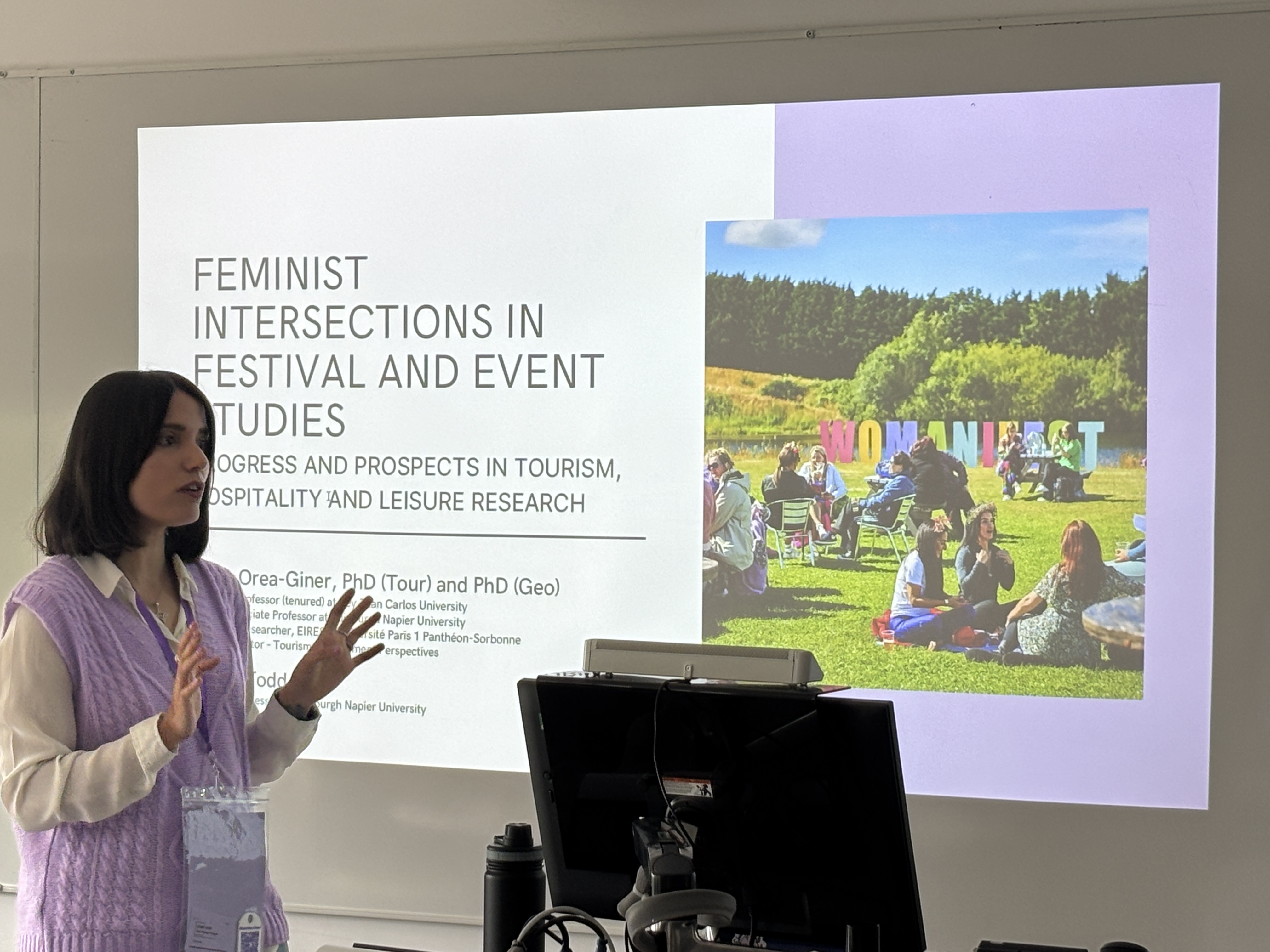
Building on this shared foundation, Dr Louise Todd and I are teaming up again to present at CHME 2025. It is a continuation of the intellectual trip that began with my first visit. It is an honour to return to Edinburgh Napier University as a Visiting Associate Professor, a position of great personal and professional significance. Edinburgh is without a doubt my favourite city in the world: it has always provided me with academic stimulation, creative inspiration and a sense of personal connection. Edinburgh Napier University welcomed me at a critical juncture in my academic career, providing not only room but also visibility, encouragement, and genuine engagement while I was still an early career researcher. That experience of being seen and heard is still at the heart of my approach to academic collaboration and mentorship.

Written by visiting Professor Alicia Orea-Giner, Associate Professor at Universidad Rey Juan Carlos.

Shaping the future of business events: Insights from the TRC Symposium 2025

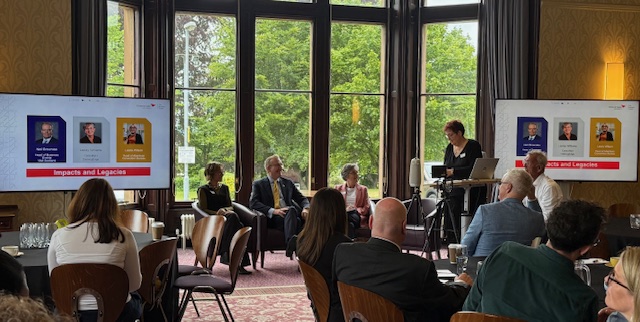
On 24 June 2025, Edinburgh Napier University’s Craiglockhart Campus hosted the Annual TRC Symposium: Innovative Practice in Business Events, a one-day gathering of academics, industry leaders, and event professionals. The symposium offered a rich platform for exploring how business events can drive economic, social, and knowledge-based impact far beyond tourism.

Rethinking metrics and legacy in business events

Professor Leo Jago (University of Surrey) challenged attendees to think beyond traditional tourism metrics. He emphasised that the true value of business events lies in their long-term legacy, from economic development to societal transformation and knowledge exchange. Jago advocated for government involvement in event planning and stressed the need for modern, engaging formats that resonate with younger generations. “Dull plenaries are no longer enough,” he noted, urging organisers to embrace workshops, interactive sessions, and networking opportunities.

Storytelling, strategy, and sector strengths

Rob Davidson, Director of MICE Knowledge, highlighted the strategic importance of aligning event bids with a country’s sectors of excellence. This approach not only attracts top-tier speakers but also enhances networking and sparks innovation. A common theme from all speakers on the day, was the power of storytelling in event promotion, as Davidson underscored – “If it bleeds, it leads” – and encouraged organisers to tap into local ambassadors and public engagement to amplify legacy and impact.

AI and the future of event design

Dr Judith Mair, Visiting Associate Professor from the University of Queensland, explored how artificial intelligence is quietly revolutionising the business events sector. She highlighted its role in enhancing sustainability through virtual site visits, streamlining event logistics with predictive analytics, and supporting event design by suggesting speakers and generating bios. AI is also being used to improve event evaluation, with tools that track ROIESG data, and real-time audience sentiment. Her talk underscored the growing importance of data-driven, tech-enabled approaches in creating smarter, more impactful events.

Collaboration as a competitive advantage

Professor Gary Hutchison (Edinburgh Napier University) and Elaine Miller (Edinburgh International Conference Centre), introduced the Exchange Initiative, a groundbreaking collaboration between Edinburgh’s universities, NHS Lothian, and the Edinburgh International Conference Centre (EICC). This initiative aims to attract international conferences to the city by leveraging collective expertise and engaging with stakeholders like VisitScotland and Chambers of Commerce. “There’s nothing quite like it elsewhere,” Hutchison remarked, highlighting its potential to position Edinburgh as a global hub for impactful events.

Advocating for impact

James Latham, founder of The Iceberg, delivered a powerful reminder: “We are change agents, not travel agents.” He called for a shift in focus from short-term metrics like ticket sales to long-term outcomes that reflect the true value of business events – innovation, collaboration, and societal progress.

Final thoughts

The TRC Symposium 2025 made it clear: business events are no longer just about tourism – they are catalysts for change. From legacy planning and sector alignment to collaborative bidding and storytelling, the future of the industry lies in its ability to create meaningful, measurable impact.

Written by Aoife O´Sullivan – Business Engagement and Communications Manager

Meet the Visiting Researcher – Dr. Ivana Rihova

Welcome to “Meet the Visiting Academic”, a section dedicated to introducing to you our Visiting Academics, Professors and Researchers, where you will have the opportunity to get to know them and find out how they engage with Edinburgh Napier University, and specifically with the Tourism Research Centre (TRC).

Today, Dr Ivana Rihova, Lecturer at the Universidad Europea de Valencia, Spain, tells us about how her journey has always brought her back to ENU, first as a student, then as research assistant, becoming a full-time lecturer and now as TRC Visiting Researcher!

_________________________________________________________

“My journey with Edinburgh Napier University (ENU) began in 2006 as a postgraduate student pursuing an MSc in International Tourism Management. During my studies, I met Prof Anna Leask, who would later become my dissertation supervisor, and Prof Paul Baron, who contacted me a year after I graduated, asking if I would be interested in applying for a research assistant role at Napier. I went for it and was successful, marking the start of an academic career that took me from Edinburgh to Bournemouth, where I started my PhD in 2010, through Anglia Ruskin University in Cambridge, and then back to Edinburgh (via Glasgow), where I began a full-time lectureship at ENU in 2014.

Although my background is in tourism, my research and my teaching focussed on festival and event management and service marketing. At Napier, I visited and taught at a number of institutions across Europe and Asia, and developed a wide network of collaborations and research ties with colleagues from Macau, Poland, Austria, and the UK. ENU provided me with numerous opportunities for professional grow in both teaching and research. I was very happy to return to the university after two periods of maternity leave, always finding a supportive team of colleagues who over the years became good friends.

In 2022, I made the difficult decision to leave Edinburgh for a new life in Spain with my Valencian husband. Language barrier aside (I had started learning Spanish only a couple of years previously), I found it quite difficult to integrate into the new culture. I dedicated that period to think and write, and to look for new partnerships and projects. I was unable to work initially as I awaited the homologation of my UK doctorate by a Spanish university. When in July 2023 I was given the opportunity to re-join ENU as Associate Researcher at the Tourism Research Centre, I very happily took up the offer, starting a new collaboration with my Napier ex-colleagues Dr Sarah Snell, and Prof Constantina (Dina) Anastasiadou and her team.

Valencia is a fantastic place to be, and I am finally settling into my new home. I have also secured a lecturer position at Universidad Europea de Valencia, and while adapting to the new institutional and cultural context has been challenging, it is also very exciting. My Associate Researcher at ENU allows me to maintain strong connection with the university, and it has been a great excuse to escape the Spanish heat a couple of times a year to work on research projects and to visit friends.”

Meet the PhD: Hendrik Lattekamp

Welcome to “Meet the PhD”, a section dedicated to introducing to you our PhD candidates, where you will have the opportunity to get to know them and their research and find out how why they have chosen Edinburgh Napier University, and what excites them the most about their PhD journey.

Today, we have Hendrik Lattekamp, a PhD candidate who is currently in his 1st year and decided to pursue a PhD after almost 20 years of working in the aviation industry. His PhD title is “Monitoring and evaluation indicators for just transition to net zero in tourism and events” with supervisors Dr Constantia AnastasiadouDr. Alexandra Witte, Dr Afiya Holder, and Dr Sarah Bortwick Saddler. Hendrik is also an active member of the TRC PhD community, and he has been serving on the organising committee for Edinburgh Napier´s inaugural Doctoral College Student Conference in December 2024. Hendrik has been inspired by his PhD colleagues, and we hope that you will be inspired by reading his words and the enthusiasm he has for his PhD and for actively contributing to research.

If you would like to know more about Hendrik´s research or if you have any questions, you can contact Hendrik here: S.Lattekamp@napier.ac.uk

If you’re interested in undertaking a PhD with us, please email the Tourism Research Centre Lead, Prof. Anna Leask – a.leask@napier.ac.uk

__________________________________________________________________

“I have worked in aviation for almost 20 years and currently serve in a leadership role that involves guiding cabin crews and engaging with a diverse range of passengers for a major European airline. Over the years, I have witnessed how the airline industry brings families, cultures, and businesses closer together, whether through personal visits or trade connections. At the same time, I have encountered many colleagues who are just as deeply passionate about the industry as I am, even as airlines grapple with escalating environmental and social responsibilities. This dynamic—the industry’s power to unite people set against its pressing sustainability challenges—continues to captivate me.

Currently, I am in the first year of my doctoral research at Edinburgh Napier University, where I examine non-financial reporting in the airline industry. My interest in this topic began when I noticed how many airlines struggle to communicate their environmental and social goals and efforts in a way that is both transparent and cohesive. Investigating this phenomenon through the lens of non-financial reporting seemed natural, as these disclosures essentially serve as an airline’s “executive summary” for its broader impact—ranging from greenhouse gas emissions and resource management to labour practices and community engagement. Although several voluntary and mandatory frameworks offer guidelines, there is still a lack of consistency in what gets reported, which can make it difficult to compare airlines or understand their actual impact. Wanting to uncover the root causes behind this fragmented reporting, I decided to examine these disclosures more systematically, looking not only at what is reported but also why certain metrics are highlighted over others.

If we can trace how these documents are produced, particularly the cultural, regulatory, and strategic pressures that guide them, we may identify ways to help both academic researchers and the wider public better grasp an airline’s underlying motives. We might also discover strategies for improving the clarity and relevance of the disclosures themselves, especially when airlines are required to juggle multiple standards and stakeholder expectations. By exploring which reporting tools airlines choose to adopt (and why), we can shed light on whether such choices stem from genuine sustainability commitments, competitive pressures, or mere compliance. Ultimately, my goal is to develop insights that not only help airlines improve the quality of their communication but also facilitate a deeper understanding of the fundamental drivers behind aviation’s efforts to address environmental and social challenges.

One of the most rewarding aspects of my PhD so far has been becoming part of a vibrant research community. Engaging with fellow PhD researchers has been invaluable, not only in refining my work through discussions and feedback but also on a personal level. I have come to understand that undertaking a PhD is as much an intellectual challenge as it is a personal one. Being surrounded by a highly motivated peer group that supports one another has been invaluable in staying focused and driven. Whether it is sharing practical advice on navigating university procedures, exchanging ideas in academic discussions, or simply offering encouragement during challenging moments, this sense of community makes a real difference. A standout experience in this regard, has been serving on the organising committee for Edinburgh Napier’s inaugural Doctoral College Student Conference, in December 2024. As Head of Logistics, I have collaborated with fellow PhD candidates to manage registration, catering, and event coordination. Seeing the breadth of research taking place across the University has been inspiring and has reinforced how much we gain from engaging with colleagues from different disciplines. The opportunity to connect, exchange perspectives, and contribute to a shared academic space has been a highlight of my PhD journey so far.

Embarking on a PhD at a later stage in life has entailed sacrifices and a steep learning curve, but the intellectual challenge has been incredibly rewarding. Meeting other researchers, finding answers to the questions that have long fascinated me, and viewing the aviation industry from entirely new perspectives keeps me motivated. I hope my story encourages others—particularly those from non-traditional backgrounds—to consider doctoral study. If you share my research interests or would like to connect, I’d be happy to continue the conversation.”

Resilient and positive event futures with Associate Professor Martin Robertson

Associate Professor Martin Robertson, has recently given keynote presentations at international conferences*1 *2 (2024), as well as presented related research to his colleagues in the inaugural 2025 Tourism Research Centre research seminar*3 at Edinburgh Napier University.

In different ways, each of the above present research to determine processes of stakeholder involvement in successful ‘future visioning’ for a sustainable future. In each, the United Nations Sustainable development Goals (SDGs) are proposed as vital conduits.

Throughout my career in academia, I have always sought to provide a learning, teaching and research experience that is professionally and socially useful – and encourages positive forward action. Sustainability, resilience, regenerative capacity, social justice, and future vision methodologies are key components of this work. I think my research publications, as well as current and past consultancy collaboration, evidence this well.

Very much grounded in Edinburgh, and Scotland, I have nonetheless lived and worked in many countries. Collaborations with researchers in Australia, Denmark, England, New Zealand, Sweden, and Wales have made me very aware of the truly exciting and profoundly global nature of our subject (s). This is true for our students, our research students, our colleagues, and the places in which live and visit.

As well as publishing widely in my research area, I am also proud of the books (six) and journal special issues (eight) I have co-edited. They serve to stimulate thinking and knowledge around the world. The capacity to share knowledge in a world that has a great many challenges – socially, environmentally, and politically – inspires me. If this stops, I stop!

Here, in Edinburgh, I enjoy the benefits of our wonderful city. It never ceases to amaze. I am very lucky to be living and working in such a great environment. A great location to (en)vision a great future.

*1 Robertson, M. (2024) Keynote speaker: ‘Sustainable events and Net Zero’ 5th International Conference on Tourism and Business (ICTB). Mahidol University International College Bangkok, Thailand (August, 21-23)

*2 Robertson, M. (2024) Keynote Speaker: ‘Learning for future challenges: tourism futures and deep learning applied to teaching the UN SDGs’, 2nd Tourism Futures Convention 2024 (TFC), Heilbronn University of Applied Sciences, Heilbron, Germany (November 13th)

*3 Robertson, M. (2025) Research presentation: ‘Business Events and the Efficacy of UN SDGS for the Knowledge City’, Tourism Research Centre Seminar, Edinburgh Napier University (February 5th)