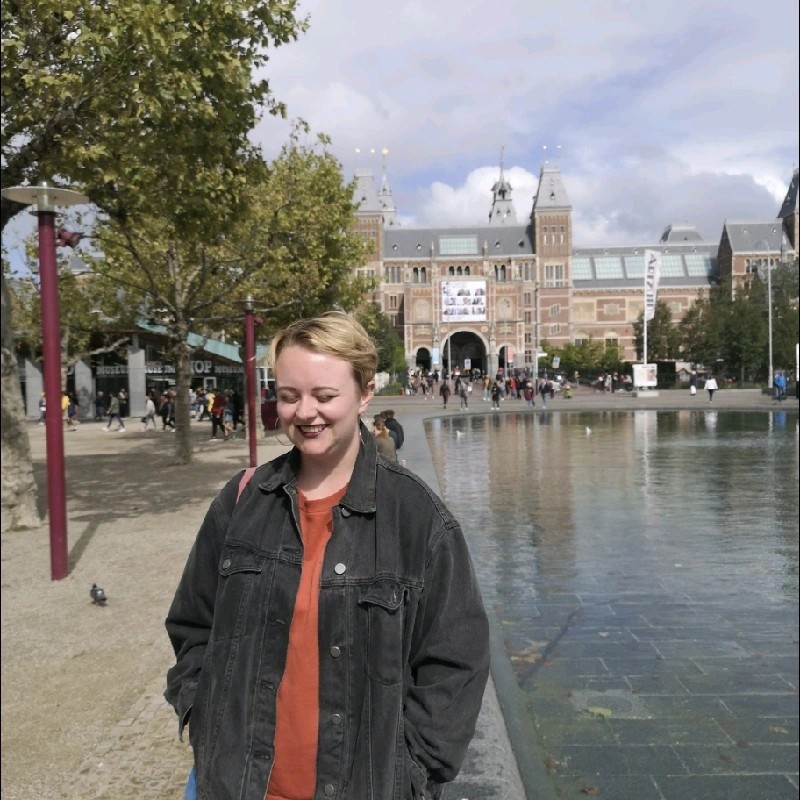
This research is being carried out by PhD student Jess Lister at Edinburgh Napier University. Jess is designing and conducting the study to better understand how anthropogenic noise affects freshwater ecosystems. She is supported by a supervisory team, including Dr. Jennifer Dodd (Director of Studies), Dr. Iain McGregor (Second Supervisor), Dr. Matthew Wale, and Buglife’s Conservation Director, Dr. Craig Macadam. Their expertise in bioacoustics, environmental science, and invertebrate ecology ensures a multidisciplinary approach to studying noise pollution’s effects on freshwater biodiversity.
Understanding the Challenges of Noise Pollution in Freshwater Ecosystems
Freshwater environments contain a variety of natural sounds from flowing water, aquatic species, and atmospheric conditions. However, increasing human activity is introducing noise that could interfere with species that rely on acoustic communication. While much research has explored noise pollution’s effects on terrestrial and marine life, freshwater invertebrates remain underrepresented in these studies. Jess’s work addresses this gap by examining how noise impacts stoneflies, an important group of insects in river ecosystems.
Stoneflies and Vibrational Communication
Stoneflies (Order: Plecoptera) use substrate-borne vibrational signals, known as drumming, to communicate during mating. This is essential for species recognition and reproduction. However, road traffic noise overlaps with the frequency of their signals, raising concerns that it could disrupt mate attraction. Jess’s research examines whether noise pollution alters their communication patterns.
Developing a Controlled Research Environment
To study these effects, Jess has implemented a controlled experimental setup. The BeatBox, an acoustic chamber designed to minimise external interference, allows for precise playback experiments. This setup ensures that stoneflies’ responses to different noise conditions can be observed and measured accurately.
Experimental Methods and Playback Studies
Stonefly nymphs are collected from river sites and reared to adulthood in aquaria under controlled conditions. Once they emerge, males are placed in the BeatBox, where their drumming behaviour is recorded with and without road noise playback. This controlled approach ensures accurate measurements and allows for detailed analysis of any changes in communication patterns.
Initial findings suggest that noise pollution may affect the frequency and timing of stonefly drumming signals. If further analysis confirms this, it will provide important evidence that freshwater invertebrates—like many terrestrial and marine species—are affected by human-generated noise, with potential consequences for biodiversity and ecosystem function.
The Impact of Noise on River Soundscapes
Beyond individual species, Jess’s research explores how road traffic noise interacts with river ecosystems. By combining hydrophone recordings with in-air microphones, she is investigating how sound travels through both water and air, providing a broader understanding of how noise pollution alters freshwater environments. She will also be capturing ground-borne noise, adding another dimension to the study by examining how vibrations travel through the riverbed and surrounding terrain. This comprehensive approach will provide deeper insights into how different types of noise interact within freshwater habitats.
Because stoneflies are sensitive to temperature increases, climate change and habitat loss pose significant threats to their populations. Their decline can lead to disruptions in freshwater food webs, affecting fish populations and overall river health. Monitoring and protecting stoneflies is essential for maintaining biodiversity and ecosystem function in freshwater environments.
Future Directions
Jess’s work is contributing new insights to freshwater bioacoustics. As human activity continues to shape natural environments, her findings could inform conservation strategies aimed at reducing the impact of noise pollution on freshwater species. The BeatBox could also be used to study other invertebrates that rely on substrate-borne communication.
Conclusion
Jess Lister’s research is helping to clarify how anthropogenic noise affects freshwater ecosystems. Her work highlights an often-overlooked aspect of environmental change, demonstrating the importance of including soundscapes in conservation efforts. By developing new methods and expanding knowledge of freshwater bioacoustics, she is making an important contribution to ecology and environmental science.
Leave a Reply