I am Dr John McGowan, a lecturer at Edinburgh Napier University, exploring how customizable approaches to accessible technologies can be useful for neurodiverse adults.
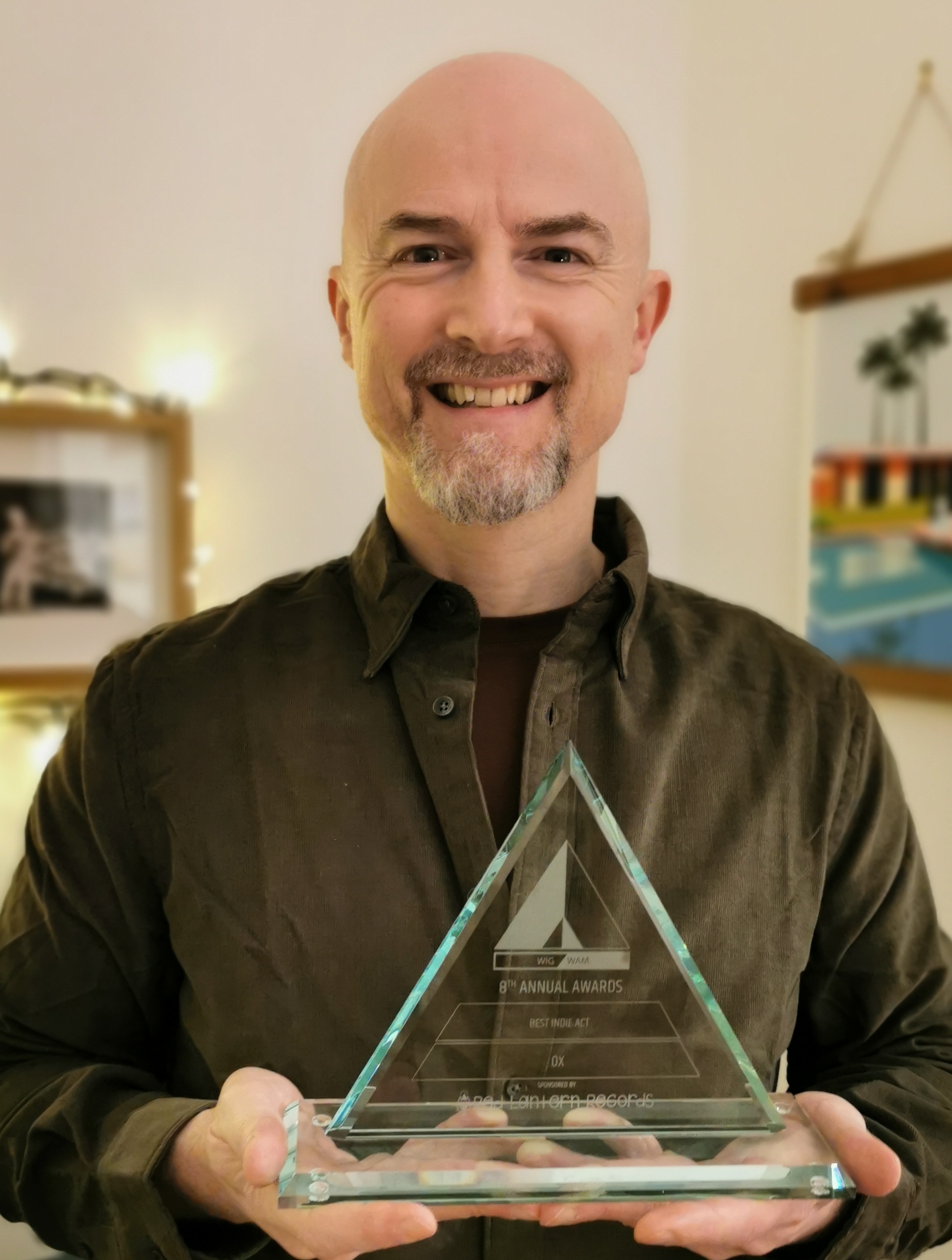
My interest in research stems from a passion in creativity, primarily in music, where non-linear communication led me to explore how multimodality could be a useful approach in exploring the capabilities of expression in neurodiverse adults. I recognise the ways in which musical expression can reflect unspoken emotions and feelings, and how valuable personal expression can be as a transformative way to develop for human beings. This was the basis for my PhD research where musical exploration was combined with visual modalities, via an interactive application, that would allow autistic adults with differing capabilities the ability to express themselves through play in music therapy sessions.
Prior to this, my master’s degree focused on the 3D visualization of sound using cymatics as a basis. Cymatics are the impressions that sound leaves through media like water, or through salt on a Chladni plate. The visualization involved in the master’s degree investigated what sound might look like travelling through air as sonic bubbles. This concept was further developed during my PhD where a real time application allowed the visualization of sound through a projector, using input from microphone, or a MIDI keyboard. Depending on the volume, pitch and tone of the note triggered, a specific 3D cymatic shape would be visualized in real-time. Importantly, customization of colour was facilitated for users, allowing them to personalize the experience. In addition, a custom-built interactive table was designed and built to accommodate skills of any level where the table could be played like an audio-visual instrument for immediate audio-visual feedback based on tactile input.
My own continued use of technology, as well as contemporary research, has demonstrated the over adoption at times, as well as the potential, for using and augmenting existing technologies. Research in this area has also supported this notion, especially regarding autistic adults using familiar tools that already perform reliable functionality for their needs. What we can do, as responsible researchers, is look at ways of exploiting the existing tools and components within mobile technology that will allow development of augmented multimodal stimuli as self-management tools. This may allow also greater accessibility for those who are economically challenged, as well as those who prefer to use familiar tools and technologies.
Currently, I am leading a project that is looking into the potential for augmented reality to be used in stress management for autistic adults. Via the use of real time biometric monitoring (for example, by using a smartwatch to detect heartrate, or using the microphone on a mobile device to measure breathing), the proposed application will react and allow the user to use customized sensory stimuli as positive distractors, or as some form of real time assistance in times of stress. Two phases of this study have already been completed which includes an initial survey with over 200 participants, both autistic and caregivers, that have provided feedback on the stress triggers and issues related to hypersensitivity and hypo sensitivity. A second study, which included interviews with over 20 participants, investigated some of these issues in more detail regarding the needs of autistic adults, and the desire and potential for new tools that could be useful in their day-to-day lives managing stressful situations. Some of the key themes that we aim to develop focus on the idea of familiarity, positive distraction, and alerting individuals to changes in their physical state, which may go unnoticed due to sensory issues.
Leave a Reply