Category: Online guest lectures

  • The Abridged Evolution of Audiobook Production: Dr David Darlington

    In the ever-evolving world of audio production, audiobooks have carved out a unique niche, combining storytelling with technical precision to create immersive listening experiences. Dr David Darlington, a seasoned audio producer, shares his journey and expertise in the field, shedding light on the nuanced art of audiobook production.

    Dr David Darlington Audio Book Producer

    From Graphic Design to Audio Mastery

    Dr Darlington’s path to becoming a full-time audio producer was anything but linear. Initially pursuing graphic design, physics, and electrical engineering, he discovered his passion for digital signal processing, eventually earning a Ph.D. in the field. His academic background enriched his understanding of sound, allowing him to transition seamlessly into audio production. After stints in academia, Dr Darlington found his calling in audio drama, editing, and mastering, collaborating with renowned companies like Big Finish Productions and the BBC.

    Understanding Audiobooks vs. Audio Drama

    One of the key distinctions Dr Darlington emphasises is the difference between audiobooks and audio dramas. While traditional audiobooks are straightforward readings of texts, often by a single narrator, audio dramas are more akin to “audio movies,” featuring soundscapes, music, and multiple actors. This difference extends to production methods:

    • Continuous Recording:Favoured for commercial audiobooks, this method involves recording continuously and editing afterwards, ensuring precision.
    • Rock-and-Roll Recording: This technique, often used in rapid-turnaround projects, involves stopping and re-recording immediately after any mistakes, streamlining post-production.

    The Role of Technology

    Technological advancements have significantly influenced audiobook production. Tools like iPads have revolutionised the recording process, enabling narrators to read directly from digital screens without the noise of turning pages or using bulky equipment. This innovation has made recording more efficient and accessible, particularly for home-based producers.

    Enhanced Audiobooks: A Niche Yet Growing Market

    Enhanced audiobooks, featuring elements of sound design and music, occupy a middle ground between traditional audiobooks and audio dramas. Dr Darlington describes these as a “spectrum,” with varying levels of immersion:

    • Minimal Enhancement: Subtle sound effects or music at chapter breaks.
    • Full Immersion: Complex soundscapes and environmental effects designed to transport listeners into the narrative.

    While these productions can elevate the listening experience, they are labour-intensive and costly, often reserved for children’s literature or franchise-based content like Doctor Who.

    Challenges and Innovations in Sound Design

    Creating compelling sound design requires careful timing and restraint. For instance, a battle scene in an audiobook must balance dramatic sound effects with the clarity of narration. Dr Darlington underscores the importance of prioritising the words, ensuring that any added elements enhance rather than overshadow the storytelling.

    DIY Audiobook Production

    The rise of accessible technology has democratised audiobook production, enabling individuals to record and distribute their work independently. While this trend has introduced diverse voices into the market, Dr Darlington notes that professional studios still hold an edge in quality and polish. The challenge lies in navigating a fractured industry, balancing high-quality productions with the growing prevalence of DIY efforts.

    The Growing Audiobook Market

    The audiobook industry has seen remarkable growth in recent years, with global revenues surpassing £4 billion annually. This growth is driven by the increasing popularity of digital platforms, the convenience of audiobooks for multitasking listeners, and a growing library of diverse titles. As more people embrace audiobooks for entertainment and learning, the industry continues to expand, contributing significantly to the global GDP.

    Looking Ahead

    As the audiobook industry continues to grow, Dr Darlington envisions a future where sound design becomes a more integral part of storytelling. However, he acknowledges that the demand for traditional, unembellished audiobooks remains strong. The key to success lies in understanding the audience and adapting to their preferences while maintaining the artistry and technical excellence that define the medium.

    Dr David Darlington’s insights offer a comprehensive view of audiobook production, blending creativity with technical expertise. Whether you’re a budding producer or an avid listener, his reflections underscore the transformative power of sound in bringing stories to life.
     

  • A Journey Through the Art of Radio Drama: Tony Palermo

    Radio drama may seem like a bygone art in today’s world of high-definition visuals and digital effects. Yet, as Tony Palermo—renowned sound effects artist, radio dramatist, director, and composer—illustrates, this timeless medium still captivates audiences by harnessing the power of sound and imagination. In a his lecture, Tony shared his experiences and philosophies that have shaped his career, offering a deep dive into the world of storytelling through sound. His journey, marked by innovation and artistry, is as compelling as the sounds he crafts.

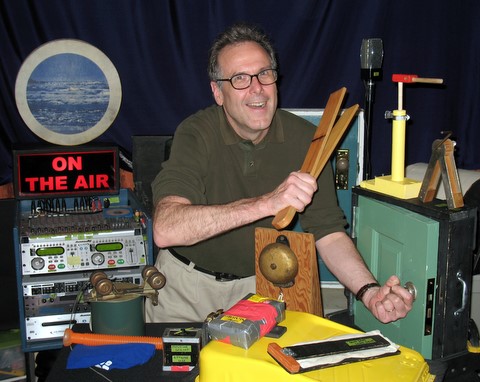
    Tony Palermo with radio sound effects props

    The Essence of Sound in Storytelling

    Tony began by reminding us that storytelling through sound is as old as humanity itself. From prehistoric times, humans have used sound to share experiences, mimic nature, and convey emotions. This primal connection to sound makes radio drama an inherently intimate and imaginative medium. He emphasised that sound is a powerful tool to convey clarity in storytelling. A single sound cue can suggest an entire scene, but the key lies in striking a balance—providing just enough to guide the listener’s imagination without overwhelming them. As Tony aptly put it, “We sketch the scene; we don’t paint it.”

    From Pirate Radio to Hollywood

    Tony’s career began in the world of pirate radio and AM music deejaying. His early experiments with sound led to writing radio ads for iconic music acts like U2 and Michael Jackson. Over the last two decades, he has specialised in radio drama, blending manual sound effects with live performances to create immersive experiences. His mentors—who worked with legends like Orson Welles and Jack Benny—inspired him to master the art of manual sound effects. Tony’s work often involves creating sounds in real-time alongside actors, using inventive techniques and handcrafted devices.

    The Craft of Sound Effects

    Tony shared several anecdotes that showcased his ingenuity:

    • Snake Crawling Backwards Up a Bell Cord: When faced with an impossible script direction, Tony advocated for adding clarifying dialogue to help the audience interpret the sound. This collaboration between sound artist and writer exemplifies the importance of teamwork in creating effective audio storytelling.
    • Mechanical Soundscapes: Whether simulating a plane crash with a vibrating pen on a cardboard box or recreating jungle ambience with bird calls and crash boxes, Tony’s dedication to mechanical sound effects brings authenticity to his productions.

    Listening as an Art

    A standout element of the lecture was Tony’s focus on the art of listening. He encouraged aspiring sound artists to tune into not just natural sounds but also human vocalisations. The nuances of breath, tone, and non-verbal expressions can add depth and emotion to characters and scenes.

    The Theatre of the Mind

    One of the most fascinating aspects of radio drama is its ability to transport listeners to places beyond the reach of visuals. Tony’s work with live radio productions, such as those with L.A. Theatre Works, underscores the magic of combining sound with live performances to captivate audiences. From the doors and floors that frame dramatic entrances to the subtleties of a character’s interaction with a doorknob, Tony demonstrated how small details can enrich storytelling. These elements become subconscious cues that guide the listener’s imagination, making the experience both personal and vivid.

    For Aspiring Sound Artists

    Tony’s advice to aspiring sound artists is both practical and inspiring:

    1. Start Small: Use household items to practise creating sound effects. A creaky door or a pair of shoes can be a gateway to storytelling.
    2. Learn to Listen: Develop an ear for detail by observing how sound interacts with the environment and human emotion.
    3. Embrace Simplicity: As Tony highlighted, the best sound effects are those that serve the story without stealing focus.
    4. Collaborate and Innovate: Work closely with writers and directors to ensure clarity and creativity in your contributions.

    Conclusion

    Tony Palermo’s lecture was a masterclass in the art and science of radio drama. His passion for sound as a storytelling medium reminds us of its unique ability to spark imagination and evoke emotion. Whether you’re a seasoned sound artist or a curious listener, Tony’s insights offer a renewed appreciation for the craft of audio storytelling. As Tony himself said, “We hitch the ear to the imagination.” In an age dominated by visuals, his words serve as a powerful reminder of the timeless magic of sound.


  • Unveiling the World of Theatre Sound Design with Liz Atkinson

    Liz Atkinson, a seasoned theatre sound designer and composer, delivered an engaging online guest lecture that delved into the artistry, techniques, and collaborative process of crafting immersive soundscapes for live performances.

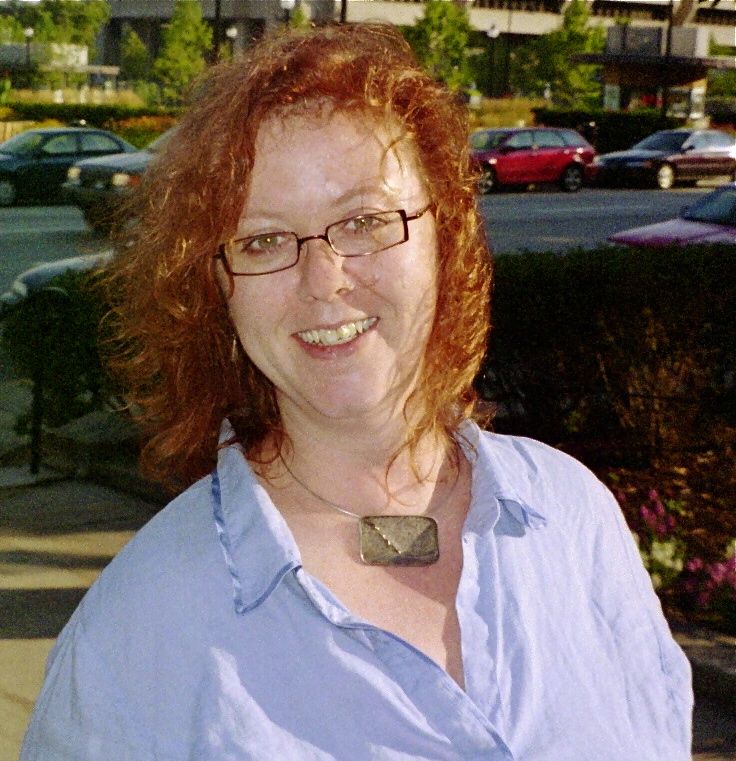
    Liz Atkinson

    Discovering the Art and Craft of Theatre Sound Design

    Sound design in theatre is an intricate blend of artistry and technical expertise, and Liz Atkinson, a professional sound designer and composer, offers a compelling insight into this fascinating field. With over 15 years of experience and a Master’s degree in sound design, Liz’s journey reflects both passion and innovation, making her an inspiring figure for aspiring designers.

    From Stage to Sound

    Unlike many sound designers who begin their careers as sound engineers or musicians, Liz’s path was rooted in her love for theatre. Captivated by the storytelling magic of live performances during high school, she pursued undergraduate studies in theatre, eventually finding her niche in sound design. Her work demonstrates how sound can be as pivotal to storytelling as the script, set, or lighting, seamlessly weaving atmosphere, emotion, and narrative.

    The Role of a Sound Designer

    Liz describes her role as akin to a set designer—while they decide the physical layout and appearance of a stage, she shapes the auditory experience. Her medium isn’t physical walls or furniture but soundscapes and musical scores. From creating realistic city atmospheres to composing original music, her work elevates the theatre experience, transforming what’s on the script into a multisensory journey for the audience.

    Challenges and Collaborations

    Theatre sound design is inherently collaborative. Liz works closely with directors, actors, and other designers to achieve a cohesive artistic vision. Despite the challenges—such as navigating creative differences or limited resources—she views this collaboration as one of the most rewarding aspects of her profession.

    Breaking Stereotypes and Setting Standards

    Liz acknowledges the strides made in recognising sound design as an integral part of theatre production. While it’s now common to have a sound designer on the team, challenges remain, particularly regarding equal pay and opportunities for women in this male-dominated field. Liz is optimistic about the future, advocating for respect, equality, and the inclusion of sound designers in early creative discussions.

    The Joy of Live Theatre

    For Liz, the essence of theatre lies in its liveness. She strives to avoid over-amplifying performances, which can detract from the raw, immediate connection between actors and the audience. By blending recorded sound effects, atmospheric noise, and music, she crafts auditory landscapes that enrich the story without overwhelming the viewer.

    Advice for Aspiring Designers

    Liz emphasises the importance of reputation and networking. Most of her career opportunities have arisen from connections rather than formal applications. She encourages young designers to immerse themselves in their local theatre scene, engage with fellow creatives, and continuously hone their craft.

    A Final Note

    Liz’s work underscores the transformative power of sound in storytelling. Her ability to balance technical precision with creative flair ensures that each production resonates deeply with its audience. As she continues to push boundaries, Liz’s contributions to theatre sound design serve as a testament to the vital role sound plays in the arts. Whether you’re a theatre enthusiast, an aspiring sound designer, or simply curious about the magic behind the curtain, Liz Atkinson’s insights offer a rich perspective on the art of storytelling through sound.