Category: Foley

  • There and Back Again: The Foley Journey of John Simpson

    The magic of cinema extends far beyond what appears on screen. The immersive power of film owes much to sound, particularly the subtle, often unnoticed details that breathe life into scenes. At the heart of this auditory craft is Foley, a specialised discipline within sound design that recreates everyday sounds to enhance the cinematic experience. From the rustling of fabric to the crunch of footsteps on gravel, Foley artists bring a level of realism and texture that elevates storytelling.
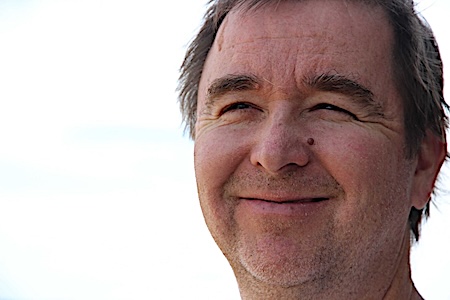
    John Simpson

    John Simpson’s Path into Foley

    A distinguished Foley artist, John Simpson, shared insights into the evolving landscape of the craft. With a career spanning decades, his journey into Foley was, like many others, serendipitous. Initially a Foley recordist, his early work took place in an era when Foley was far less complex than it is today. At that time, Foley was not a comprehensive soundscape but rather a tool for editors to fill in the gaps left by automated dialogue replacement (ADR). Soundtracks were often constructed from a limited number of layers, with minimal dedicated Foley elements. However, as film audio technology advanced and stereo soundtracks became standard, Foley took on a more significant role in shaping cinematic experiences.

    Bringing Iconic Films to Life

    John Simpson’s extensive film credits include work on major productions such as Mad Max: Fury Road, The Adventures of Tintin, Happy Feet, King Kong, The Lego Movie, and The Hobbit trilogy. His expertise has contributed to some of the most visually and sonically compelling films of recent times, adding depth and authenticity to their soundscapes. His ability to craft distinctive auditory textures has made him a highly sought-after Foley artist in the industry.

    The Art of Sound Creation

    Simpson detailed some of the unique approaches he has taken in his work. For The Adventures of Tintin, he described the challenge of creating exaggerated yet believable sounds for animation, including the intricate layers needed for the dog Snowy’s movements. He also explained how he and his team created the sound of ship sequences by recording inside a Foley room, using a specially built box to enclose a microphone and simulate the enclosed resonance of a ship’s interior.

    In Happy Feet, Simpson recalled working extensively on the penguin characters’ movements. To replicate the sound of their feet sliding on ice, he used his fingers on different textured gloves and employed frozen fish to achieve realistic wet movements. The Foley team also created unique water effects by stomping around in a bathtub. Additionally, for the character’s dance sequences, he used wooden boards and various shoe types to capture the different weights and styles of tap dancing.

    Crafting the Sounds of Middle-earth

    For The Hobbit films, he described the meticulous work involved in bringing the sounds of Middle-earth to life. One of the most memorable tasks was recreating the sound of Bilbo running through Smaug’s treasure hoard. This involved pouring and shifting buckets of metal coins across the floor and layering multiple elements, including washers, chains, and lightweight metal pieces, to achieve depth and variation. In addition, he highlighted the use of cloth and military-style rustling to enhance battle sequences. He also mentioned that much of the squishy, organic sounds of creatures in The Hobbit were recorded long before the film, creating a library of textures used in later productions. For dragon movements, he described using leather straps, adding weight by dragging them across various surfaces.

    Experimentation and Innovation

    Experimentation remains at the core of Foley. Simpson recalled a scene in King Kong that required simulating the movement of Kong’s enormous hands gripping the Empire State Building. Instead of relying solely on standard props, he used a large copper pot with padding inside to mimic the deep resonance of Kong’s fingers moving across the structure. He also shared how sounds for the ship sequences in King Kong were recorded by stomping around in different types of boots and walking across various wooden surfaces.

    For The Lego Movie, he described how the character MetalBeard’s mechanical movements were enhanced with retractable vacuum cords, chains, and various metallic elements to create an organic yet plastic sound. He also explained how he carefully mixed different Lego brick sounds at various angles and pressures to ensure authenticity while keeping the movements dynamic and engaging. He mentioned how he used garage sales and second-hand stores to find items that could be creatively repurposed for unique sounds.

    For Walking with Dinosaurs, Simpson shared how he approached the challenge of creating dinosaur footsteps. Boxing gloves were used to strike damp sand, providing a weighty, natural sound. To add layers of movement, leather straps and thick ropes were manipulated to simulate the shifting of large creatures. Additionally, he recorded various cloth and harness movements to replicate the creaking of dinosaur skin and muscle shifts. The roaring of creatures was sometimes constructed using unconventional means, such as dragging large, heavy objects across surfaces to create deep, guttural tones.

    Recording Techniques and Unique Methods

    Simpson also experimented with microphone placement to capture unique sounds. For heavy, weighty footsteps, he buried microphones underground and recorded stomping overhead. To simulate the distant echo of footsteps in deep caves, he used long metal pipes and recorded sounds reverberating through them. Additionally, he used hydrophones to capture underwater movements, such as recording splashing and bubbling sounds for ocean-based scenes.

    The Future of Foley

    Beyond feature films, Foley plays a crucial role in television, video games, and even virtual reality experiences. The craft continues to adapt alongside technological advancements, ensuring that sound remains an integral part of storytelling, no matter the medium. While Foley often goes unnoticed by audiences, its absence would be keenly felt, as it provides the subtle authenticity that draws viewers into the worlds they see on screen.

    This lecture highlighted the dedication and ingenuity required in the field of Foley. The work of Foley artists, often overlooked, remains a cornerstone of cinematic storytelling. As long as there are stories to be told, Foley will continue to shape the way audiences experience them, adding depth, realism, and emotional resonance to every scene.

     

  • Stepping into Sound: Insights from Dr Vanessa Ament’s Lecture on Foley

    Dr Vanessa Ament, an acclaimed Foley artist and author of The Foley Grail, shared her insights in a fascinating lecture that covered everything from the nuances of Foley artistry to the philosophy behind sound in film. The Foley Grail is widely recognised as a definitive guide to the craft, offering a comprehensive exploration into the techniques, history, and significance of Foley in cinema.

    Dr Vanessa Theme Ament

    The Power of Sound in Storytelling

    Dr Ament underscored how sound shapes emotional responses, sets the tone, and supports the narrative. She pointed to films like Dirty Rotten Scoundrels, where carefully placed silence enhances audience engagement, avoiding unnecessary auditory clutter. She also referenced The Color Purple, where subtle ambient sounds and quiet moments in key emotional scenes amplified the depth of character interactions, making the audience feel more intimately connected to the story.

    Beyond silence, she highlighted how specific sounds can evoke emotional shifts. In Edward Scissorhands, the delicate snipping noises of the protagonist’s scissors were not just functional but reflective of his emotional state—gentle and rhythmic in moments of tenderness, erratic and sharp in times of distress. This attention to sonic detail, she explained, enhances storytelling in a way that audiences often register subconsciously. By using these examples, Dr Ament reinforced the power of sound as an unseen yet essential component of cinematic storytelling.

    Foley as a Craft

    Foley is not just about adding footsteps or the rustling of fabric—it is about enhancing the believability of a character’s movements and interactions with their environment. Dr Ament explained how the best Foley is indistinguishable from production sound, ensuring seamless integration. In her discussion, she highlighted the difference between various approaches, particularly contrasting the Hollywood tendency for hyperrealism with more nuanced approaches in other parts of the world.

    Dr Ament’s Foley work exemplifies the creativity needed to craft immersive and convincing cinematic soundscapes. In Die Hard 2, she and her team crushed VHS tape cases underfoot to authentically replicate the sound of crunching snow, ensuring that each step taken by the characters felt natural and immersive.

    In Predator, the challenge was to give Arnold Schwarzenegger’s movements a sense of weight and power. To achieve this, Dr Ament used a combination of leather straps and metallic elements to create the sounds of his gear shifting with every step. This meticulous approach enhanced the character’s physical presence, ensuring that audiences felt the weight of his every movement.

    Beyond these, Dr Ament has employed unconventional techniques tailored to specific films. In Die Hard, she used a combination of cracked walnuts and frozen bell peppers to create the distinct sound of breaking bones during the film’s intense fight sequences. For The Addams Family, she layered fabric swishes and creaks to bring authenticity to Morticia Addams’ flowing gown, ensuring that every movement felt as elegant and eerie as Angelica Huston’s performance. Additionally, in Total Recall, she used compressed air bursts and manipulated rubber materials to enhance the futuristic, mechanical quality of the film’s synthetic environments and action-heavy sequences. These examples demonstrate how Foley is an indispensable tool in enhancing storytelling through sound.

    Working with Actors’ Performances

    One of the more compelling parts of Dr Ament’s talk was her exploration of how an actor’s physicality influences Foley. She spoke about working on Batman Returns, where Michelle Pfeiffer’s precise and deliberate movements as Catwoman allowed for equally meticulous Foley work. In contrast, Danny DeVito’s Penguin, though an interesting challenge, required more consistency in grotesque and exaggerated sounds rather than delicate nuances.

    Dr Ament used wet rags manipulated with precision to create the grotesque, slimy textures that defined Danny DeVito’s Penguin. This technique helped reinforce the unsettling nature of the character, making his movements feel more visceral and authentic. The Penguin’s waddling gait was accentuated by dampened fabrics, ensuring that every step carried an additional sense of discomfort and unease.

    Additionally, for the same film, various materials such as stiff rubber and leather were used to capture the distinct sound of Catwoman’s costume, bringing an additional layer of realism to Michelle Pfeiffer’s precise, feline movements. Every flick of her whip and the sleek motion of her tight-fitting suit required sonic precision to maintain the character’s agile and controlled presence. Dr Ament ensured that even the subtlest swish of fabric complemented Pfeiffer’s physicality, enhancing the illusion of fluidity and grace in Catwoman’s movement.

    The Influence of Backgrounds and Training

    Dr Ament discussed how a Foley artist’s personal background can shape their approach to sound, influencing the way they perceive and create auditory experiences. Coming from a performance background herself, she highlighted how musicians often have an acute sensitivity to rhythm, tempo, and tonal variation, which translates seamlessly into the nuanced timing of Foley sounds. Dancers, on the other hand, bring a deep understanding of movement and physicality, allowing them to interpret the kinetic energy of on-screen characters with precision.

    She also noted that artists with a fine arts education tend to approach Foley from a sculptural perspective, treating sound as a three-dimensional entity that interacts dynamically with visual storytelling. Additionally, she emphasised that some of the best Foley artists and sound designers emerge from musical backgrounds, where their appreciation for space, resonance, and dynamics enables them to craft sonic environments that are both immersive and expressive. Dr Ament underscored that this diversity in training enriches the field, allowing for a more varied and innovative approach to Foley work.

    The Evolution of Sound Design

    Comparing classic soundtracks with modern blockbusters, Dr Ament was candid in her critique of contemporary sound design trends. She highlighted how many recent films opt for an overwhelming auditory assault, where layers of sound effects, music, and dialogue compete for attention rather than complementing each other. This, she argued, often leads to sensory overload, diminishing the audience’s ability to engage with the film on a deeper emotional level.

    She contrasted this with earlier approaches where sound designers exercised greater restraint, allowing for moments of silence and subtle audio cues to build tension and heighten suspense. For example, in Predator, strategic use of environmental sounds and quiet moments amplified the sense of unease before action sequences, making the soundscape an active part of the storytelling rather than an indiscriminate barrage of noise. Similarly, in Die Hard, selective use of reverb and distant echoes added a sense of scale to the confined spaces of Nakatomi Plaza, reinforcing the intensity of John McClane’s experience without overwhelming the audience.

    Dr Ament noted that while digital advancements have simplified layering sound, they also pose the risk of overuse, reducing the clarity and impact of a film’s auditory landscape. She suggested that modern filmmakers could benefit from revisiting classic films to appreciate how purposeful restraint in sound design can create a more immersive and emotionally resonant experience.

    Global Perspectives on Foley

    Dr Ament has conducted extensive interviews with Foley artists from around the world, uncovering innovative practices that differ from Hollywood’s established methods. She described how some European Foley artists prefer to record sound effects outdoors for authenticity, capturing the natural resonance of footsteps on varied terrain or the organic rustling of leaves. Others incorporate real-world spaces into their recordings, using locations such as abandoned buildings, underground tunnels, or historic courtyards to enhance the authenticity of their sounds.

    She also highlighted the differences in approach across regions, such as how Scandinavian Foley artists often integrate the natural acoustics of forests and icy landscapes into their recordings, while Japanese practitioners frequently employ traditional materials and handcrafted props to achieve unique textures. Additionally, some European studios encourage improvisation by bringing actors into Foley sessions, allowing them to physically engage with props to create more naturalistic performances.

    Dr Ament’s research underscores the vast diversity of Foley techniques worldwide, demonstrating how each region’s cultural and environmental influences shape the soundscapes of cinema in distinctive ways.

    Final Thoughts

    Dr Vanessa Ament’s lecture offered a compelling exploration of sound design and Foley, highlighting craftsmanship, industry challenges, and the evolving role of sound in cinema. For anyone interested in film, her insights serve as a reminder that sound is not just an accompaniment to visuals—it is a storytelling force in its own right.

    She emphasised that effective Foley seamlessly blends into a film, subtly enhancing the experience without drawing attention to itself. As the industry continues to evolve, the challenge remains to balance technical advancements with artistic integrity, ensuring that sound continues to serve the story rather than overwhelm it.