Tag: Soundscapes

  • Listening to the Mountains: Reflections from the PEMS Study at Euronoise 2025

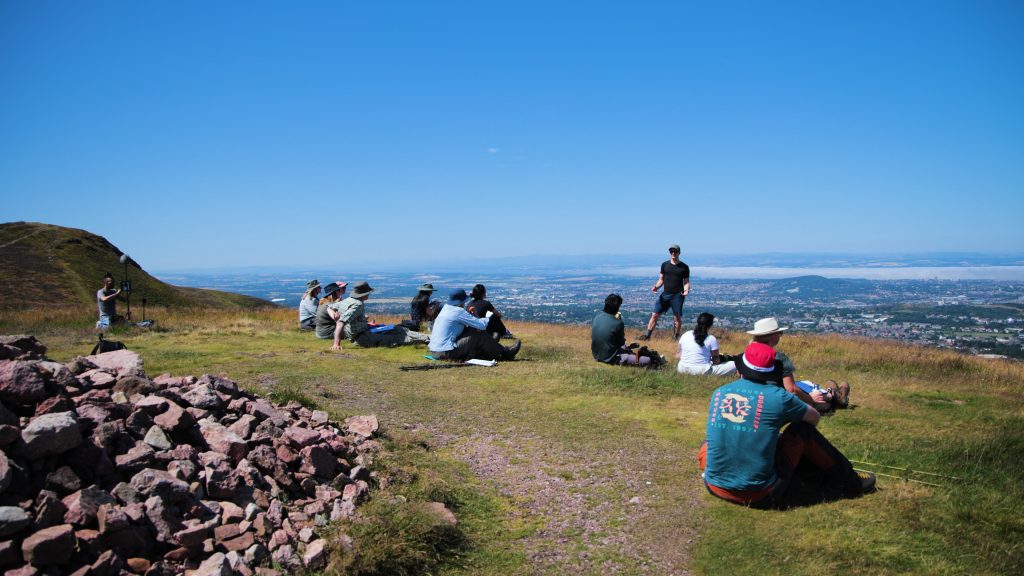
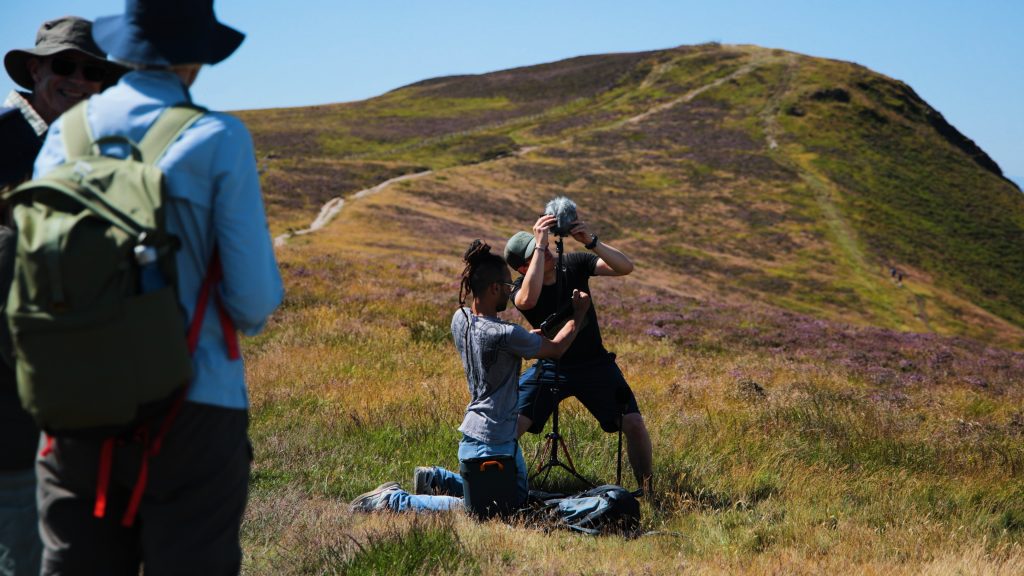
    When we think of mountains, we picture towering peaks, sweeping valleys, and dramatic skies. Yet, at Forum Acusticum / Euronoise 2025: 11th Convention of the European Acoustics Association in Málaga, we explored something less visible but equally powerful: the soundscapes that define these environments. Our paper, PEMS: People’s Experience of Mountain Soundscapes, presented findings from a global survey of mountaineers and hikers, revealing how sound shapes safety, navigation, and emotional connection in the high places we love.
    Why Soundscapes Matter in the Mountains

    Mountains are dynamic acoustic environments. Wind whistling through ridges, water cascading down slopes, birds calling across valleys—these sounds are not just aesthetic; they are functional. In low-visibility conditions, auditory cues often become lifelines. Creaking ice can warn of instability, a distant rumble may signal rockfall, and the muffled “wumph” of snow can indicate avalanche risk. These natural signals complement visual information, helping mountaineers make critical decisions.

    But soundscapes are more than survival tools. They shape our emotional experience. Participants in our study described feelings of peace, awe, and excitement triggered by natural sounds. Silence itself—often rare in our urbanized lives—was seen as a profound marker of remoteness and fragility.

    The Study at a Glance

    Our research involved 219 participants from 27 countries, ranging from casual hillwalkers to seasoned mountaineers. The median age was 51, and most reported no hearing loss (88%). Interestingly, 17% were audio professionals, adding a unique perspective on acoustic awareness.

    Activities varied widely: hiking and hillwalking dominated, but responses also came from climbers, photographers, and even professional bird surveyors. This diversity enriched the dataset, revealing how soundscapes influence both technical and recreational engagement with mountains.
     

    How Participants Rated Mountain Soundscapes

    On a scale from 1 (unpleasant) to 5 (pleasant), mountain soundscapes scored a median of 4. Natural sounds—birdsong, wind, running water—were consistently praised for their calming and immersive qualities. These elements fostered a sense of connection to nature and offered psychological restoration.

    Conversely, human-made noise was the villain of the story. Traffic, aircraft, and overcrowding were repeatedly cited as disruptive, masking natural cues and eroding the sense of wilderness. Overcrowding and biodiversity loss were also mentioned as factors diminishing acoustic richness.

    What We Hear Up There

    The most frequently reported sounds were wind, birds, and water, each with a median frequency of 4 on a 1–5 scale. These were also among the highest-rated, with birds and water achieving a median rating of 5. Silence and wildlife sounds followed closely, reinforcing their value in creating tranquil, restorative experiences.

    On the other end of the spectrum, traffic noise and rockfall were least frequent and least appreciated. While rockfall is a natural phenomenon, its association with danger explains its lower rating (median 3). Traffic noise, unsurprisingly, scored just 1—an unwelcome reminder of human intrusion.

    Soundscapes as Navigation Tools

    One of the most striking findings was the role of sound in navigation. 169 participants said they used auditory cues to orient themselves. Examples included following the sound of rivers during foggy conditions or using wind direction to estimate proximity to ridges. In some cases, anthropogenic sounds—voices, distant traffic—helped locate groups or roads when visibility was poor.

    Real-life anecdotes brought this to life. One participant recalled a misty fell race in the Duddon Valley, where the sound of a river guided them to a checkpoint. Another described navigating thick fog by listening for flowing water, confirming their position when visual cues failed.

    Soundscapes and Safety

    Safety was another domain where sound proved indispensable. 189 participants reported using auditory information for risk assessment. Wind intensity often signaled exposure or approaching storms. Creaking snow and groaning ice warned of instability, while the distinctive “wumph” indicated potential avalanche conditions. Rockfalls and rushing streams also served as hazard indicators, influencing route choices.

    Group communication emerged as a critical safety factor. Hearing teammates’ voices in poor visibility or during emergencies reinforced collective awareness and coordination.

    Understanding the Environment

    Beyond navigation and safety, soundscapes deepen environmental understanding. 193 participants said sound helped them interpret surroundings. Water sounds revealed terrain features, while wildlife calls highlighted biodiversity. Silence itself conveyed remoteness and fragility, amplifying the sense of solitude and connection to nature.

    Challenges and Disruptions

    While natural sounds were celebrated, anthropogenic noise was a recurring frustration. Traffic, aircraft, and drone activity were seen as intrusive, masking vital cues and diminishing the immersive experience. Overcrowding compounded the issue, introducing chatter and mechanical noise into spaces once defined by tranquillity.

    Looking Ahead: Technology and Conservation

    Our findings underscore the need to preserve natural soundscapes—not just for ecological integrity but for human experience and safety. Future research should explore:

    • Inclusive design for individuals with hearing impairments.
    • Longitudinal studies on climate change and biodiversity loss impacts on acoustic environments.
    • Technological integration, such as AI and AR tools that amplify natural cues for navigation and hazard detection.
    • Public education initiatives to raise awareness about noise pollution in mountain regions.

    Imagine wearable devices that isolate critical sounds—like creaking ice or distant water—while filtering out disruptive noise. Or interactive soundscape maps that help hikers anticipate acoustic conditions along their route. These innovations could transform how we engage with mountains, blending tradition with technology.

    Final Thoughts

    Presenting this work at Euronoise 2025 was a reminder that mountains speak—and we need to listen. Soundscapes are not passive backdrops; they are active, dynamic systems that inform, protect, and inspire. As human activity expands into remote areas, safeguarding these acoustic environments becomes as urgent as preserving the visual landscapes we so admire.

    The next time you venture into the hills, pause and tune in. The wind, the water, the silence—they’re telling you a story. And if our research has shown anything, it’s that listening can make the difference between awe and danger, serenity and stress.


    References

    Donato, B. D., & Mcgregor, I. (2025, June 23-26). PEMS: Peoples Experience Of Mountain Soundscapes. Forum Acusticum / Euronoise 2025: 11th Convention of the European Acoustics Association, Málaga, Spain. https://euracoustics.org/conferences/forum-acusticum/


    Author – Dr Balandino Di Donato
  • Dr Iain McGregor: Advancing Interactive Media Design at Edinburgh Napier University

    Dr Iain McGregor serves as an Associate Professor at Edinburgh Napier University, where he specialises in interactive media design and auditory perception research. He earned a PhD in soundscape mapping, focusing on comparing sound designers’ expectations with listeners’ experiences, providing insights into perceptual differences and design approaches. With over 30 years of experience, he specialises in sound design across various media, including film, video games, mixed reality, and auditory displays. His research covers soundscapes, sonification, and human interaction with auditory systems.

    Contributions to Auditory Perception Research

    Dr McGregor has collaborated with researchers on a range of studies that explore sound design and auditory perception. One such contribution includes his work on auditory perception, particularly his patent, *Evaluation of Auditory Capabilities* (WO2024041821A1). This patent presents a method for assessing auditory perception, with potential applications in accessibility, user experience design, and auditory technologies.

    Research in Sound and Human-Robot Interaction

    Dr McGregor’s research covers sound design, auditory perception, and human-robot interaction (HRI). He investigates how naming conventions shape perceptions of robotic personalities, improving trust and usability in assistive robotics. His research in sonification aids scientific analysis, while his work on auditory alerts improves their effectiveness in healthcare and transportation. He also explores how immersive audio enriches virtual and mixed reality and examines Foley artistry’s impact on character realism in animation. Collaborating with industry and academia, he applies these insights to mixed reality, film, video games, and robotics.

    Industry Experience

    At the start of his career, Dr McGregor worked with renowned artists and organisations, including the Bolshoi Opera, the City of Birmingham Symphony Orchestra under Sir Simon Rattle, Ravi Shankar, and Nina Simone. His work integrates auditory technologies with creative methodologies, driving innovation in sound research and education. In addition to his academic work, he is currently serving as a consultant for technology companies in the fields of mixed reality and robotics, helping to shape the development of innovative auditory interfaces.

    Academic Contributions and Mentorship

    Beyond his research, Dr McGregor mentors MSc and PhD students in sound design, auditory perception, and human-computer interaction. He encourages interdisciplinary collaboration among designers, engineers, and cognitive scientists. He contributes to curriculum development, aligning courses with advancements in sound and interactive media design. His work in interactive media design and auditory perception informs research and industry practices.

    Technological and Adaptive Advancements in Sound Design

    Advancements in reinforcement learning and edge computing are enabling real-time adaptation in sound design. These technologies allow auditory interfaces to intelligently filter and process sounds, reducing noise while enhancing clarity. Extended audiograms and dynamic digital signal processing (DDSP) further optimise clarity while minimising cognitive load. By integrating real-time adjustments based on user-specific hearing profiles, auditory systems can offer a consistent and accessible listening experience across different environments.

    Sound Design in Cultural and Museum Spaces

    In cultural and museum environments, sound design is also becoming more interactive and adaptive. Augmented reality audio systems offer dynamic storytelling and personalised navigation, responding to visitor movement and engagement levels. Audio cues can guide individuals with mobility constraints along optimised routes, while tailored auditory content enhances inclusivity and immersion.

    Sound Design for Digital and Interactive Environments

    Sound design is transforming interaction with digital environments, robotics, and everyday devices by enhancing immersion, accessibility, and engagement. Spatial audio accurately places sound in mixed reality, creating more natural user experiences, while in robotics, auditory cues foster trust and facilitate smoother interactions. Augmented reality audio supports dynamic storytelling and navigation, adapting to user movement and preferences. Additionally, personalised auditory content and accessibility-focused cues improve inclusivity in museums, public spaces, and virtual environments.

    Sound Design in Transportation and IoT

    To compensate for the near-silent operation of electric vehicles, the automotive industry is developing tailored audio cues that enhance safety and driver awareness. As the Internet of Things (IoT) expands, intuitive auditory interfaces are becoming crucial for seamless device navigation and control. Advancements in loudspeaker technology are also helping reduce noise pollution while improving communication in public spaces.

    The Future of Sound Design

    Research continues to advance adaptive and personalised sound experiences across multiple domains. Innovations in extended audiograms and dynamic digital signal processing (DDSP) optimise clarity while reducing cognitive load, ensuring accessibility across different environments and hearing abilities. Emerging sound technologies are exploring real-time adjustments tailored to user-specific hearing profiles, enhancing personalisation in auditory media experiences. As sound design evolves, it will create more intuitive, efficient, and engaging experiences that seamlessly adapt to diverse user needs.

  • Investigating the Impact of Anthropogenic Noise on Freshwater Soundscapes and Invertebrates

    This research is being carried out by PhD student Jess Lister at Edinburgh Napier University. Jess is designing and conducting the study to better understand how anthropogenic noise affects freshwater ecosystems. She is supported by a supervisory team, including Dr. Jennifer Dodd (Director of Studies)Dr. Iain McGregor (Second Supervisor)Dr. Matthew Wale, and Buglife’s Conservation Director, Dr. Craig Macadam. Their expertise in bioacoustics, environmental science, and invertebrate ecology ensures a multidisciplinary approach to studying noise pollution’s effects on freshwater biodiversity.

    Jess Lister


    Understanding the Challenges of Noise Pollution in Freshwater Ecosystems

    Freshwater environments contain a variety of natural sounds from flowing water, aquatic species, and atmospheric conditions. However, increasing human activity is introducing noise that could interfere with species that rely on acoustic communication. While much research has explored noise pollution’s effects on terrestrial and marine life, freshwater invertebrates remain underrepresented in these studies. Jess’s work addresses this gap by examining how noise impacts stoneflies, an important group of insects in river ecosystems.


    Stoneflies and Vibrational Communication

    Stoneflies (Order: Plecoptera) use substrate-borne vibrational signals, known as drumming, to communicate during mating. This is essential for species recognition and reproduction. However, road traffic noise overlaps with the frequency of their signals, raising concerns that it could disrupt mate attraction. Jess’s research examines whether noise pollution alters their communication patterns.


    Developing a Controlled Research Environment

    To study these effects, Jess has implemented a controlled experimental setup. The BeatBox, an acoustic chamber designed to minimise external interference, allows for precise playback experiments. This setup ensures that stoneflies’ responses to different noise conditions can be observed and measured accurately.


    Experimental Methods and Playback Studies

    Stonefly nymphs are collected from river sites and reared to adulthood in aquaria under controlled conditions. Once they emerge, males are placed in the BeatBox, where their drumming behaviour is recorded with and without road noise playback. This controlled approach ensures accurate measurements and allows for detailed analysis of any changes in communication patterns.

    Initial findings suggest that noise pollution may affect the frequency and timing of stonefly drumming signals. If further analysis confirms this, it will provide important evidence that freshwater invertebrates—like many terrestrial and marine species—are affected by human-generated noise, with potential consequences for biodiversity and ecosystem function.


    The Impact of Noise on River Soundscapes

    Beyond individual species, Jess’s research explores how road traffic noise interacts with river ecosystems. By combining hydrophone recordings with in-air microphones, she is investigating how sound travels through both water and air, providing a broader understanding of how noise pollution alters freshwater environments. She will also be capturing ground-borne noise, adding another dimension to the study by examining how vibrations travel through the riverbed and surrounding terrain. This comprehensive approach will provide deeper insights into how different types of noise interact within freshwater habitats.

    Because stoneflies are sensitive to temperature increases, climate change and habitat loss pose significant threats to their populations. Their decline can lead to disruptions in freshwater food webs, affecting fish populations and overall river health. Monitoring and protecting stoneflies is essential for maintaining biodiversity and ecosystem function in freshwater environments.


    Future Directions

    Jess’s work is contributing new insights to freshwater bioacoustics. As human activity continues to shape natural environments, her findings could inform conservation strategies aimed at reducing the impact of noise pollution on freshwater species. The BeatBox could also be used to study other invertebrates that rely on substrate-borne communication.


    Conclusion

    Jess Lister’s research is helping to clarify how anthropogenic noise affects freshwater ecosystems. Her work highlights an often-overlooked aspect of environmental change, demonstrating the importance of including soundscapes in conservation efforts. By developing new methods and expanding knowledge of freshwater bioacoustics, she is making an important contribution to ecology and environmental science.