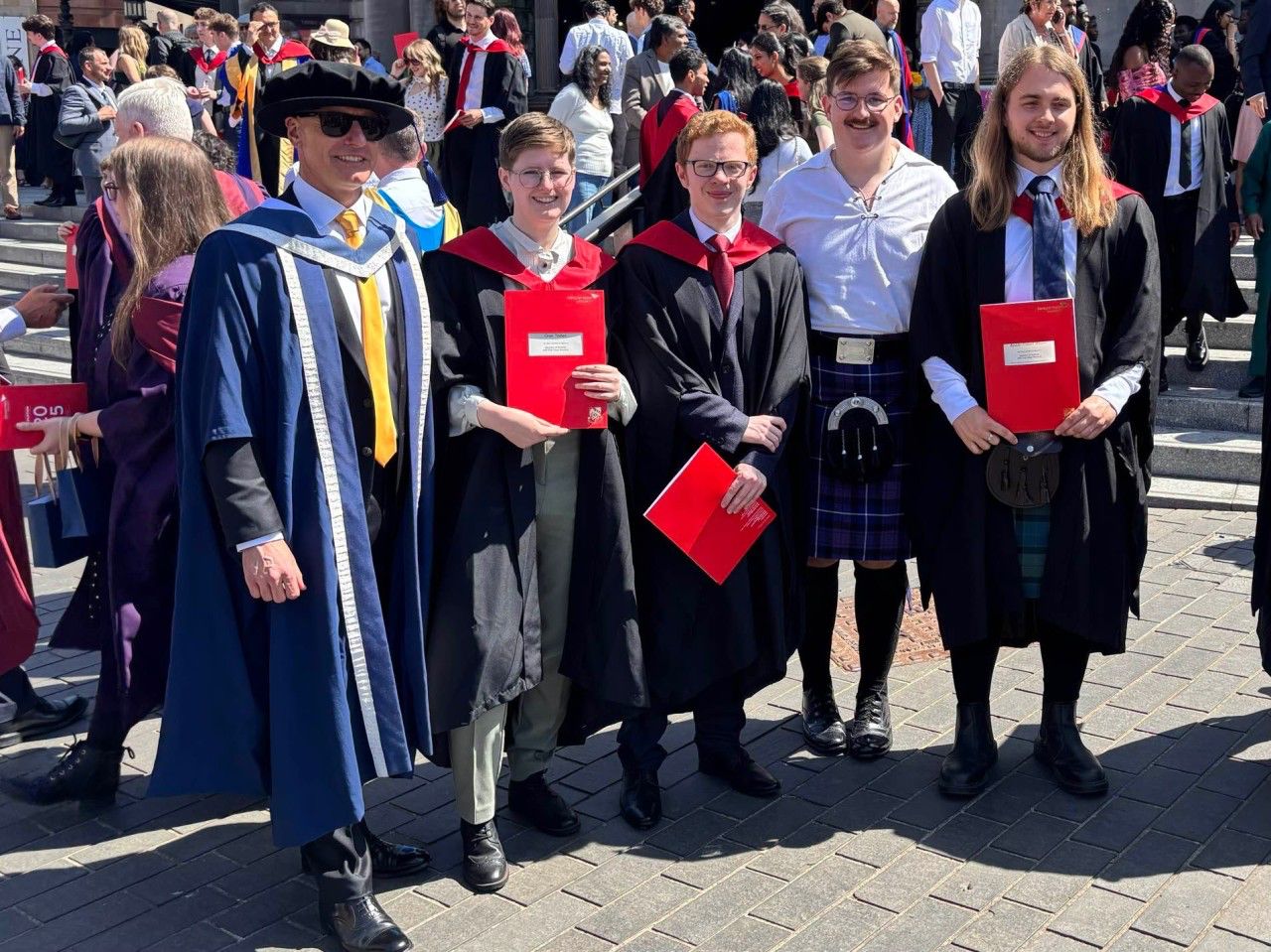
When we think of mountains, we picture towering peaks, sweeping valleys, and dramatic skies. Yet, at Forum Acusticum / Euronoise 2025: 11th Convention of the European Acoustics Association in Málaga, we explored something less visible but equally powerful: the soundscapes that define these environments. Our paper, PEMS: People’s Experience of Mountain Soundscapes, presented findings from a global survey of mountaineers and hikers, revealing how sound shapes safety, navigation, and emotional connection in the high places we love.
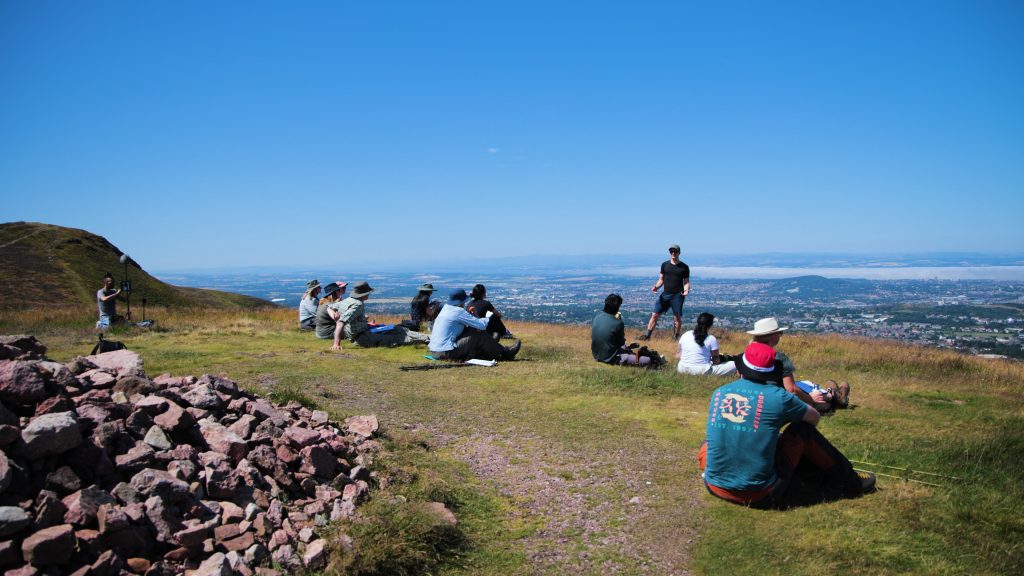
Why Soundscapes Matter in the Mountains
Mountains are dynamic acoustic environments. Wind whistling through ridges, water cascading down slopes, birds calling across valleys—these sounds are not just aesthetic; they are functional. In low-visibility conditions, auditory cues often become lifelines. Creaking ice can warn of instability, a distant rumble may signal rockfall, and the muffled “wumph” of snow can indicate avalanche risk. These natural signals complement visual information, helping mountaineers make critical decisions.
But soundscapes are more than survival tools. They shape our emotional experience. Participants in our study described feelings of peace, awe, and excitement triggered by natural sounds. Silence itself—often rare in our urbanized lives—was seen as a profound marker of remoteness and fragility.
The Study at a Glance
Our research involved 219 participants from 27 countries, ranging from casual hillwalkers to seasoned mountaineers. The median age was 51, and most reported no hearing loss (88%). Interestingly, 17% were audio professionals, adding a unique perspective on acoustic awareness.
Activities varied widely: hiking and hillwalking dominated, but responses also came from climbers, photographers, and even professional bird surveyors. This diversity enriched the dataset, revealing how soundscapes influence both technical and recreational engagement with mountains.
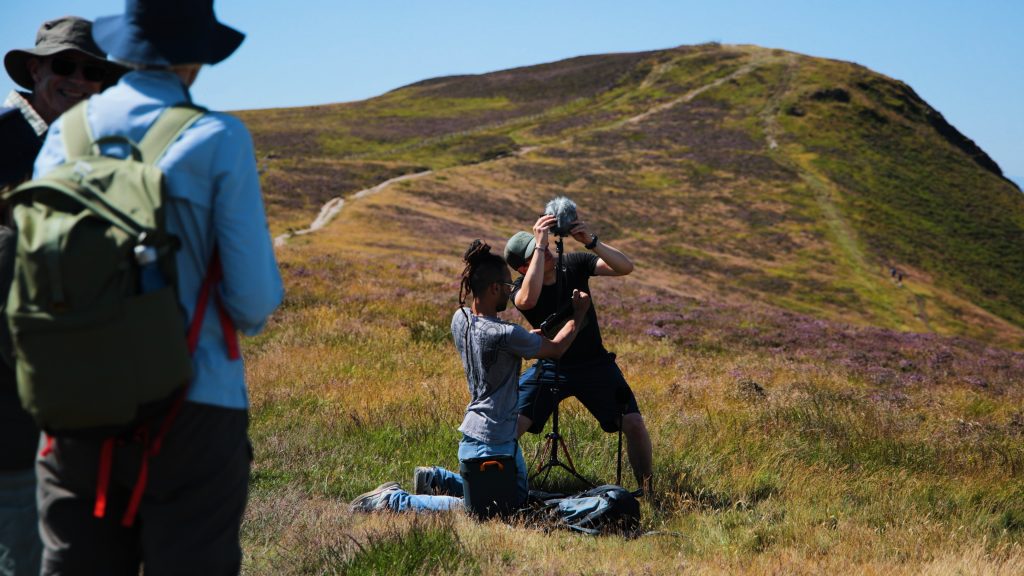
How Participants Rated Mountain Soundscapes
On a scale from 1 (unpleasant) to 5 (pleasant), mountain soundscapes scored a median of 4. Natural sounds—birdsong, wind, running water—were consistently praised for their calming and immersive qualities. These elements fostered a sense of connection to nature and offered psychological restoration.
Conversely, human-made noise was the villain of the story. Traffic, aircraft, and overcrowding were repeatedly cited as disruptive, masking natural cues and eroding the sense of wilderness. Overcrowding and biodiversity loss were also mentioned as factors diminishing acoustic richness.
What We Hear Up There
The most frequently reported sounds were wind, birds, and water, each with a median frequency of 4 on a 1–5 scale. These were also among the highest-rated, with birds and water achieving a median rating of 5. Silence and wildlife sounds followed closely, reinforcing their value in creating tranquil, restorative experiences.
On the other end of the spectrum, traffic noise and rockfall were least frequent and least appreciated. While rockfall is a natural phenomenon, its association with danger explains its lower rating (median 3). Traffic noise, unsurprisingly, scored just 1—an unwelcome reminder of human intrusion.
Soundscapes as Navigation Tools
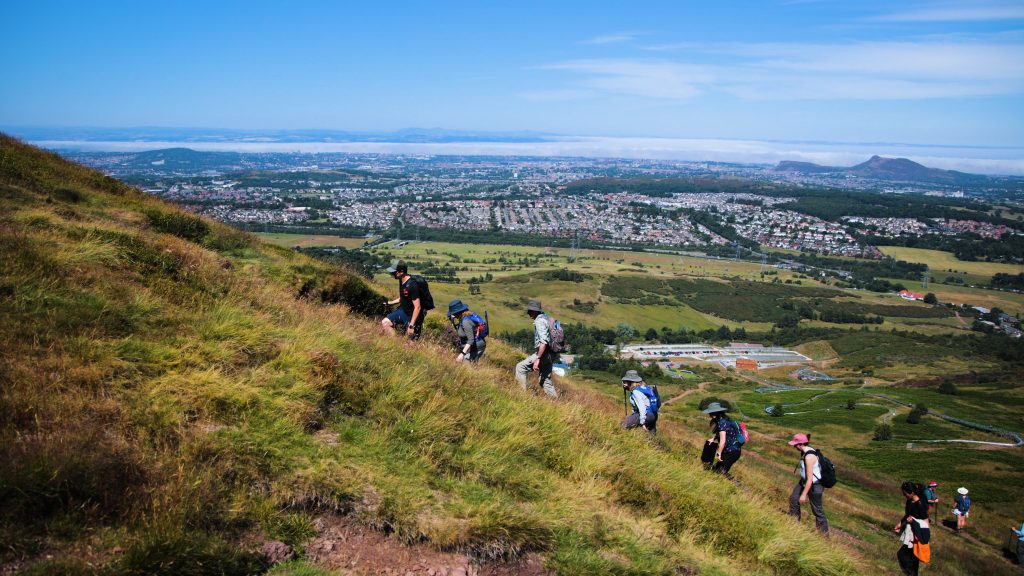
One of the most striking findings was the role of sound in navigation. 169 participants said they used auditory cues to orient themselves. Examples included following the sound of rivers during foggy conditions or using wind direction to estimate proximity to ridges. In some cases, anthropogenic sounds—voices, distant traffic—helped locate groups or roads when visibility was poor.
Real-life anecdotes brought this to life. One participant recalled a misty fell race in the Duddon Valley, where the sound of a river guided them to a checkpoint. Another described navigating thick fog by listening for flowing water, confirming their position when visual cues failed.
Soundscapes and Safety
Safety was another domain where sound proved indispensable. 189 participants reported using auditory information for risk assessment. Wind intensity often signaled exposure or approaching storms. Creaking snow and groaning ice warned of instability, while the distinctive “wumph” indicated potential avalanche conditions. Rockfalls and rushing streams also served as hazard indicators, influencing route choices.
Group communication emerged as a critical safety factor. Hearing teammates’ voices in poor visibility or during emergencies reinforced collective awareness and coordination.
Understanding the Environment
Beyond navigation and safety, soundscapes deepen environmental understanding. 193 participants said sound helped them interpret surroundings. Water sounds revealed terrain features, while wildlife calls highlighted biodiversity. Silence itself conveyed remoteness and fragility, amplifying the sense of solitude and connection to nature.
Challenges and Disruptions
While natural sounds were celebrated, anthropogenic noise was a recurring frustration. Traffic, aircraft, and drone activity were seen as intrusive, masking vital cues and diminishing the immersive experience. Overcrowding compounded the issue, introducing chatter and mechanical noise into spaces once defined by tranquillity.
Looking Ahead: Technology and Conservation
Our findings underscore the need to preserve natural soundscapes—not just for ecological integrity but for human experience and safety. Future research should explore:
- Inclusive design for individuals with hearing impairments.
- Longitudinal studies on climate change and biodiversity loss impacts on acoustic environments.
- Technological integration, such as AI and AR tools that amplify natural cues for navigation and hazard detection.
- Public education initiatives to raise awareness about noise pollution in mountain regions.
Imagine wearable devices that isolate critical sounds—like creaking ice or distant water—while filtering out disruptive noise. Or interactive soundscape maps that help hikers anticipate acoustic conditions along their route. These innovations could transform how we engage with mountains, blending tradition with technology.
Final Thoughts
Presenting this work at Euronoise 2025 was a reminder that mountains speak—and we need to listen. Soundscapes are not passive backdrops; they are active, dynamic systems that inform, protect, and inspire. As human activity expands into remote areas, safeguarding these acoustic environments becomes as urgent as preserving the visual landscapes we so admire.
The next time you venture into the hills, pause and tune in. The wind, the water, the silence—they’re telling you a story. And if our research has shown anything, it’s that listening can make the difference between awe and danger, serenity and stress.
References
Donato, B. D., & Mcgregor, I. (2025, June 23-26). PEMS: Peoples Experience Of Mountain Soundscapes. Forum Acusticum / Euronoise 2025: 11th Convention of the European Acoustics Association, Málaga, Spain. https://euracoustics.org/conferences/forum-acusticum/
Author – Dr Balandino Di Donato