Part 1: Collaborative Sound Design in Theatre – A Workshop Approach
In an age where immersive experiences are reshaping the boundaries of performance, sound design in theatre is undergoing a quiet revolution. A recent workshop held at The Dibble Tree Theatre in Carnoustie explored this transformation, bringing together actors, sound designers, and experimental technologies to co-create a new kind of theatrical soundscape.
Why Sound Design Needs a Shake-Up
Despite its central role in storytelling, sound design in theatre has lagged behind lighting and projection in terms of innovation. Traditional tools like QLab remain industry staples, but they often limit sound to pre-programmed cues triggered by operators. This workshop challenged that model by asking: What if actors could control their own sound effects live on stage?
Collaboration at the Core
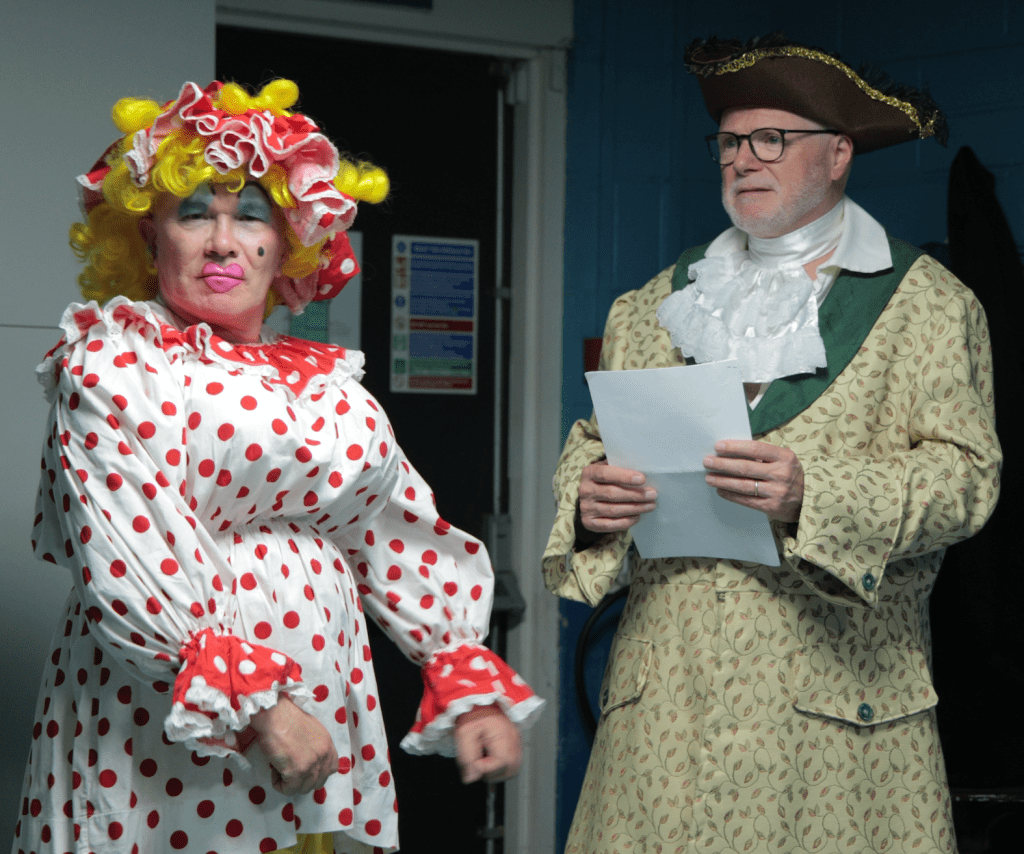
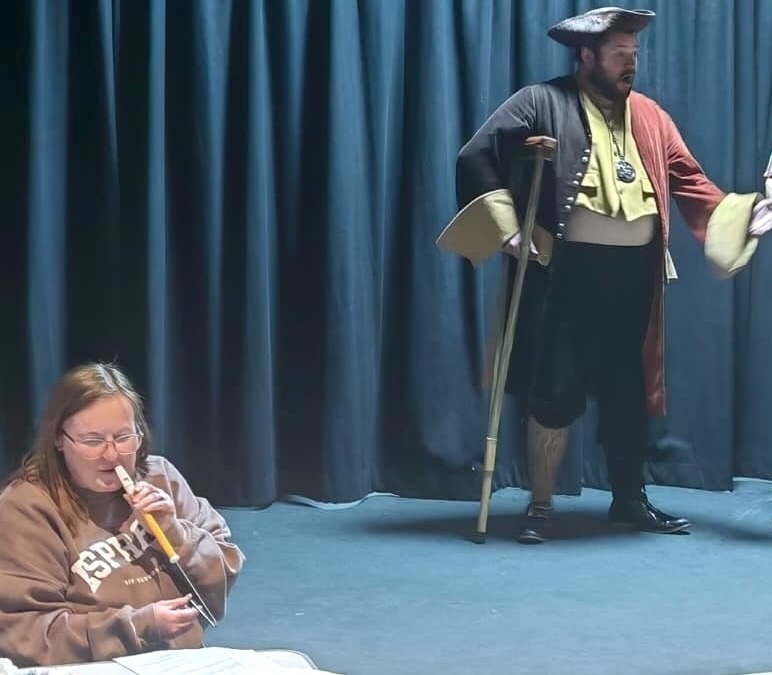
The workshop was designed as a playful, hands-on experience. Participants—ranging from amateur theatre enthusiasts to experienced backstage crew—worked in small groups to rehearse and perform short pantomime scenes. They used Foley props (slide whistles, rain sticks, thunder tubes), pre-recorded samples, and procedural audio models to sketch out their sound designs.
Importantly, actors and sound designers collaborated from the outset, rehearsing together and experimenting with timing, mood, and interaction. This flattened hierarchy fostered creativity and mutual learning.
Enter the Internet of Sounds
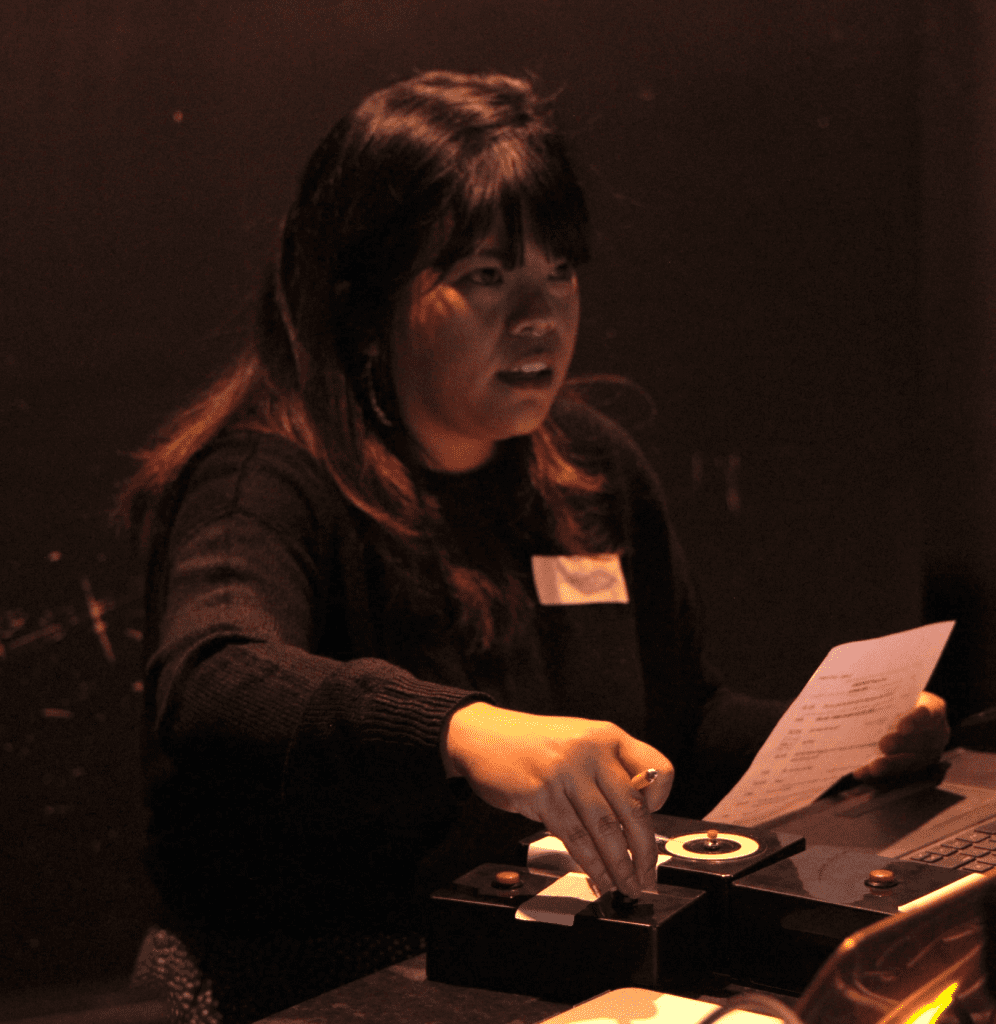
A standout feature of the workshop was the use of networked sound devices—custom-built tools powered by Arduino MKR 1010 boards and Pure Data software. These devices allowed actors to trigger sounds via sensors embedded in props or wearable tech. For example:
- A motion sensor in a prop triggered audience reactions.
- A rotary knob controlled volume and playback of samples.
- An accelerometer and force-sensitive resistor enabled real-time manipulation of procedural audio.
These embodied interfaces blurred the line between performer and sound operator, creating a more organic and responsive soundscape.

What Participants Learned
Feedback was overwhelmingly positive. Participants reported:
- Greater appreciation for the complexity of sound design.
- Enjoyment of the collaborative and playful structure.
- Insights into how sound design principles transfer to other media like film and radio.
Challenges included cognitive load—especially for actors managing props, cues, and performance simultaneously—and occasional technical glitches with Wi-Fi connectivity.
Key Takeaways
- Actor-led sound triggering offers better timing and authenticity.
- Early integration of sound design into rehearsals is crucial.
- Embodied interaction (e.g., using props or wearables) enhances engagement.
- Collaboration between departments—sound, props, costumes—is essential for success.
Final Thought
This workshop offered a fresh perspective on how sound can be more deeply integrated into live theatre. By inviting collaboration between actors and sound designers and experimenting with interactive technologies, it opened up new possibilities for creative expression. While challenges like reliability and cognitive load remain, the enthusiasm and insights from participants suggest that actor-led sound design is a promising direction worth exploring further.
In Part 2, we explore the technical implementation of actor-controlled sound effects using Internet of Sound (IoS) devices. Stay tuned for a deeper dive into the engineering behind the performance.