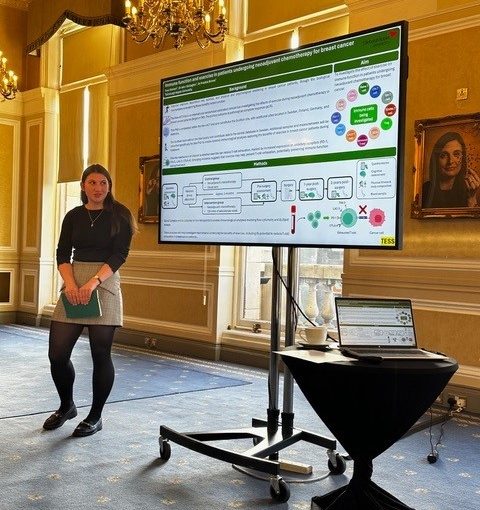
Can exercise help the immune system fight breast cancer? Meet PHD student, Tess Stewart

Tess won the best postgraduate student oral presentation at the Centre of Biomedicine & Global Health (CBGH) mini conference in December 2025, hosted at the Royal Society of Edinburgh.

Sweat and Science: How Exercise May Help Fight Breast Cancer

My PhD research combines cancer biology, immunology, and lifestyle interventions, addressing a simple yet powerful question: can exercise help the immune system fight breast cancer? While the benefits of exercise are well established, its effects during chemotherapy remain largely unexplored.

Exercise Meets Cancer Treatment: The Neo-ACT Trial

My supervisors and I form the Scottish site of the Neo-ACT trial, a large, international study led by the Karolinska Institute in Sweden. The trial investigates whether structured exercise during neoadjuvant chemotherapy (treatment given before surgery) can improve outcomes for breast cancer patients and reduce side effects.

In Scotland, we recruit patients with early to locally advanced primary invasive breast cancer from hospitals in Edinburgh and Fife. These patients are planned to receive chemotherapy before surgery. Patients are split into two groups:

  • Control group: Receives basic information about exercise and a Fitbit tracker.
  • Intervention group: Completes 120 minutes of exercise per week from the start of chemotherapy until surgery (approximately five months). Participants in this group receive a Fitbit tracker, access to the Vitala app, which provides exercise programmes and instructional videos, and ongoing support from the research team.

Participants complete four rounds of testing throughout their treatment and recovery, including fitness assessments, cognitive evaluations, and wellbeing questionnaires. The clinical and wellbeing data collected are contributed to the Neo-ACT trial database in Sweden. In addition, blood samples are collected exclusively for this PhD research, which I analyse to study changes in immune cells.

The Immune System in Focus

My project focuses on T cells, the body’s frontline soldiers against cancer. In the tumour microenvironment, prolonged exposure to tumour antigens can lead to T cell exhaustion, where cells become less effective at attacking cancer. Exhausted T cells produce fewer immune signals, have reduced killing capacity, and express inhibitory “checkpoint” markers that dampen immune activity.

I aim to discover whether exercise can reduce T cell exhaustion, boost anti-tumour immunity, and potentially improve treatment outcomes. Using blood samples, I isolate immune cells and analyse them with flow cytometry and ELISpot assays.

Bridging Research and Real-World Impact

Exercise is not a replacement for cancer treatment, but it is a low-cost, non-invasive intervention that patients can manage themselves. My research aims to provide evidence of how this practical intervention may support resilience and immune health during chemotherapy, bridging laboratory science and patient care.

Looking Ahead

In the next phase of my PhD, I will continue monitoring participants, analysing immune and wellbeing data, and investigating how exercise changes T cell populations over time. Ultimately, I hope this work will inform strategies for integrating exercise into cancer care alongside standard treatment.

Written by: Tess Stewart

For further information, you can contact Tess at: T.Stewart@napier.ac.uk.

An Afternoon of Science 2024 at the Royal Society of Edinburgh

The Centre for Biomedicine & Global Health (CBGH) was delighted to welcome guests to the 2024 Afternoon of Science, at the beautiful Royal Society of Edinburgh (RSE) earlier this summer. This free event, aimed at the public, was designed to help demystify complex scientific concepts as well as give an insight into the research undertaken within our centre here at Napier.

This event was once again supported by the School of Applied Science’s Public Engagement fund along with the CBGH, and designed and organised by the Centre’s Deputy Director Dr Samantha Donnellan, who said that “engaging with the public builds trust between scientists and the community. Transparent communication about research goals, methods, and findings helps dispel misinformation and reduces scepticism. When people understand the science behind issues, such as vaccine safety or novel drug development, they are more likely to support and trust scientific advancements.”

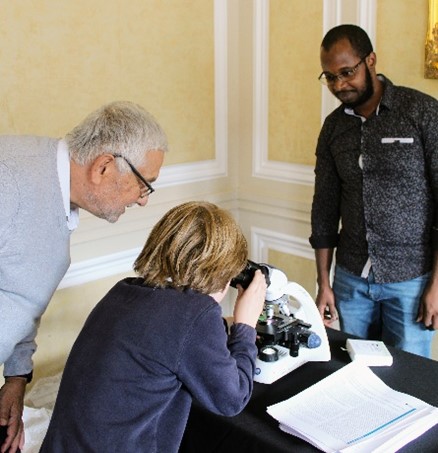
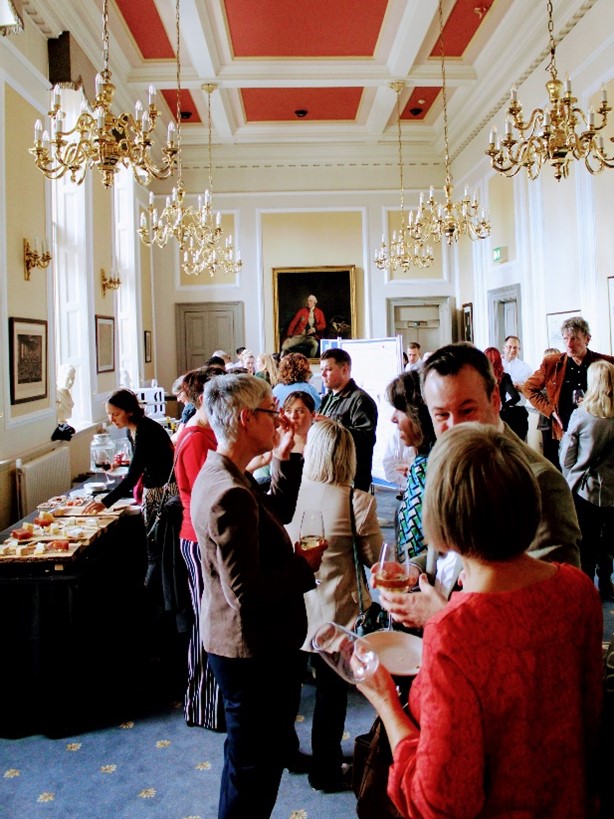
people at table people at conference table

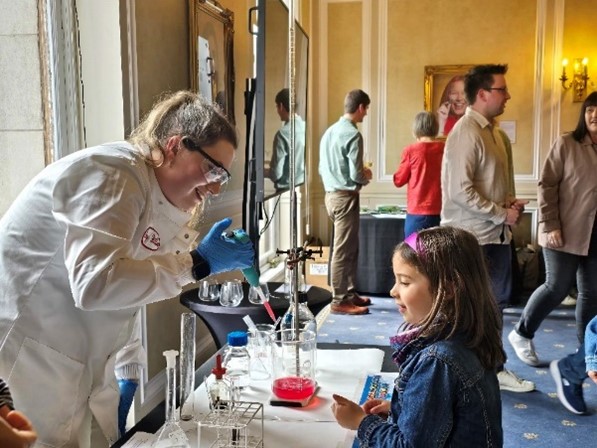
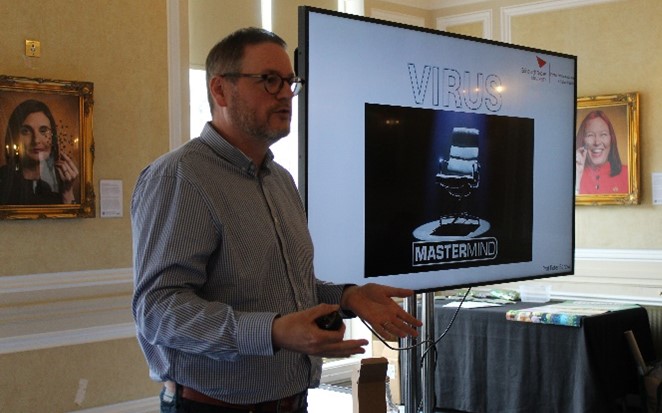
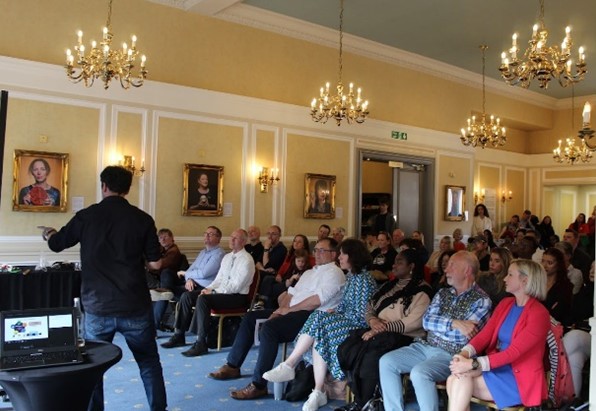
The event contained a mix of quick-fire presentations from our leading academics on a variety of themes (from mangrove plantations to hunting cancer cells), hands-on demonstrations from our PhD students and researchers as well as posters from current BSc and MSc students undertaking research projects, as well as an exciting guest speaker, Dr Marco Giardiello, from the University of Liverpool. The event was rounded up with a drinks reception amongst the impressive Women in Science exhibit within the RSE.

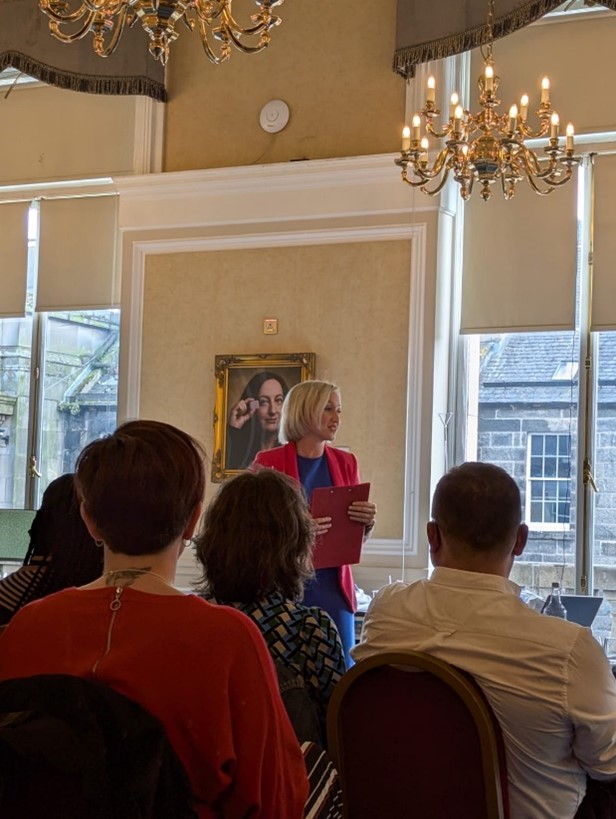
Academic giving presentation Presenting scientific presentation

Public engagement initiatives, such as science festivals, lectures, and interactive exhibits, can inspire curiosity and encourage young people to pursue careers in science, technology, engineering, and mathematics (STEM). These activities can spark interest in STEM fields and help build a future generation of scientists and informed citizens and are therefore really important! Being able to meet a ‘real’ scientist, ask the questions you have always wanted answered, see firsthand an experimental procedure as well as meeting like-minded people all makes for an enjoyable Summer afternoon in the heart of Edinburgh. Join us for the next one!

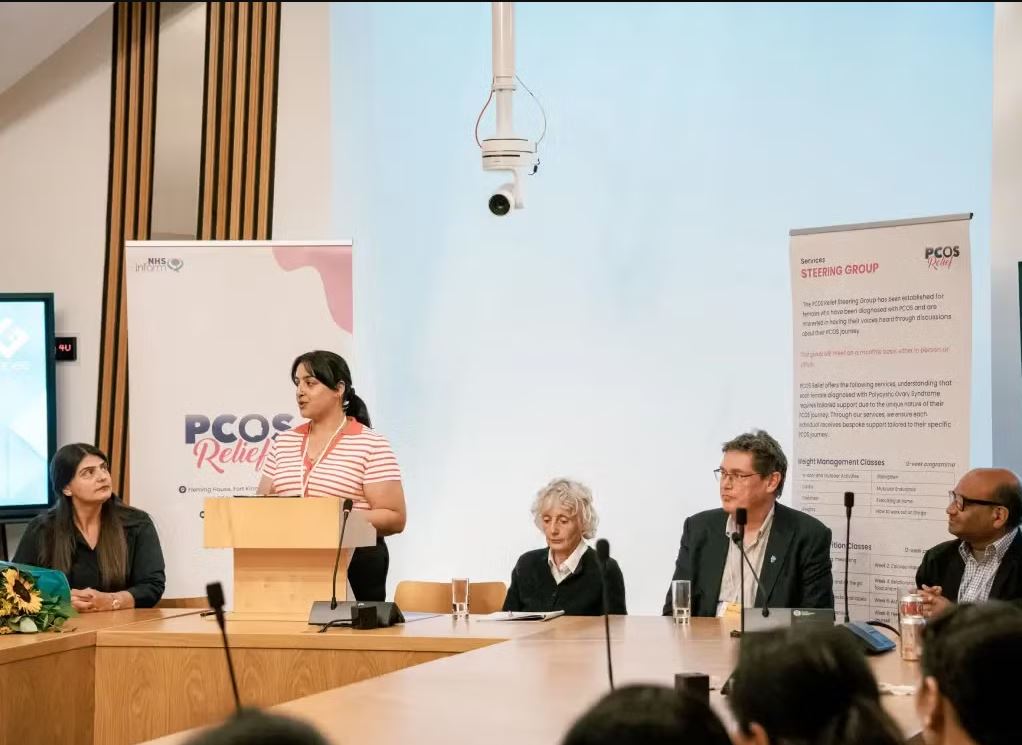
people networking at conference Concluding conference presentation

The Silent Struggle: Polycystic Ovary Syndrome (PCOS)

A hidden struggle affects many individuals: Polycystic Ovary Syndrome (PCOS).

PCOS is complex, with impacts spanning ethnicities, ages, and geographical regions, yet remains underexplored. PCOS disrupts hormonal balance, affecting ovaries and leading to irregular periods and potential fertility issues. It also goes beyond fertility issues, involving metabolic disruptions, which persist beyond reproductive years.

Breaking the Silence:

Discussing PCOS is challenging due to societal stigma, lack of awareness, and cultural taboos surrounding women’s health. Breaking down these barriers and fostering open conversations about PCOS is essential in creating a supportive environment where individuals can seek help. Understanding the diverse experiences of PCOS sufferers is critical in effectively addressing this common syndrome.

Knowledge empowers:

Providing accurate information on PCOS management is key to empowering those affected. This involves understanding the diverse ways PCOS manifests, exploring treatments, and embracing healthy lifestyles. Regular physical activity, dietary considerations and stress management techniques can significantly improve symptoms and overall well-being.

Building Support Networks:

Living with PCOS doesn’t have to be a solitary struggle.  Joining PCOS communities allows us to share experiences and find strength in one another, breaking down isolation. Connecting with others facing similar challenges allows us to share experiences and exchange advice. Support networks can also shape future resource development. Emotional support, self-care, utilising available resources and acknowledging that each person’s journey with PCOS is unique are important.

Navigating the intricacies of PCOS requires collaboration between individuals, healthcare professionals, and the broader community. Healthcare providers play pivotal roles in diagnosis, intervention, and management of PCOS. Fostering greater understanding of PCOS among healthcare professionals ensures care addresses both physical and emotional aspects of the condition. Public awareness campaigns have a powerful role in dismantling the silence surrounding PCOS, and can reach a wide audience, encouraging open dialogue, and dispelling misconceptions that contribute to the stigma associated with PCOS.

The Role of PCOS Relief (Charity Number: SC051494)

PCOS Relief has a vital role in empowering those with PCOS, including those from ethnic minority communities. By providing tailored support, resources, and information, PCOS Relief aims to bridge the gap in access to care and create a safe space to connect and share experiences.

PCOS Relief is committed to data-driven support, and promotion of research to illuminate nuances of the condition across diverse populations, whilst pushing for improved healthcare outcomes for all. Through initiatives such as culturally sensitive support groups, educational workshops, and advocacy campaigns, PCOS Relief will dismantle the stigma surrounding the condition and empower individuals from all backgrounds to take control of their health. For further information, visit https://pcosrelief.org/

Conclusion:

By equipping ourselves with knowledge, seeking support, and fostering open conversations, we can break the silence and build a future where PCOS is understood, managed, and ultimately destigmatised. Together, we can create a world where those affected by PCOS are not defined by their condition but empowered to live life on their terms.

Next steps:

Join us on Thursday 7 March, 6:00 – 8:30pm, at Edinburgh Napier University, to discuss the lived experience of PCOS, how a diagnosis is made, and what it really means, as well as what support exists (both medical and beyond). We will showcase local research that aims to make a difference in understanding and treating this disease. But most importantly, we want you to ask the questions that matter, we want you to tell us what’s required.

This event is a joint initiative between Edinburgh Napier University and the charity PCOS Relief. It is open to all, so if you want to learn more about what PCOS is, and how it affects people, please come along.

REGISTER TODAY